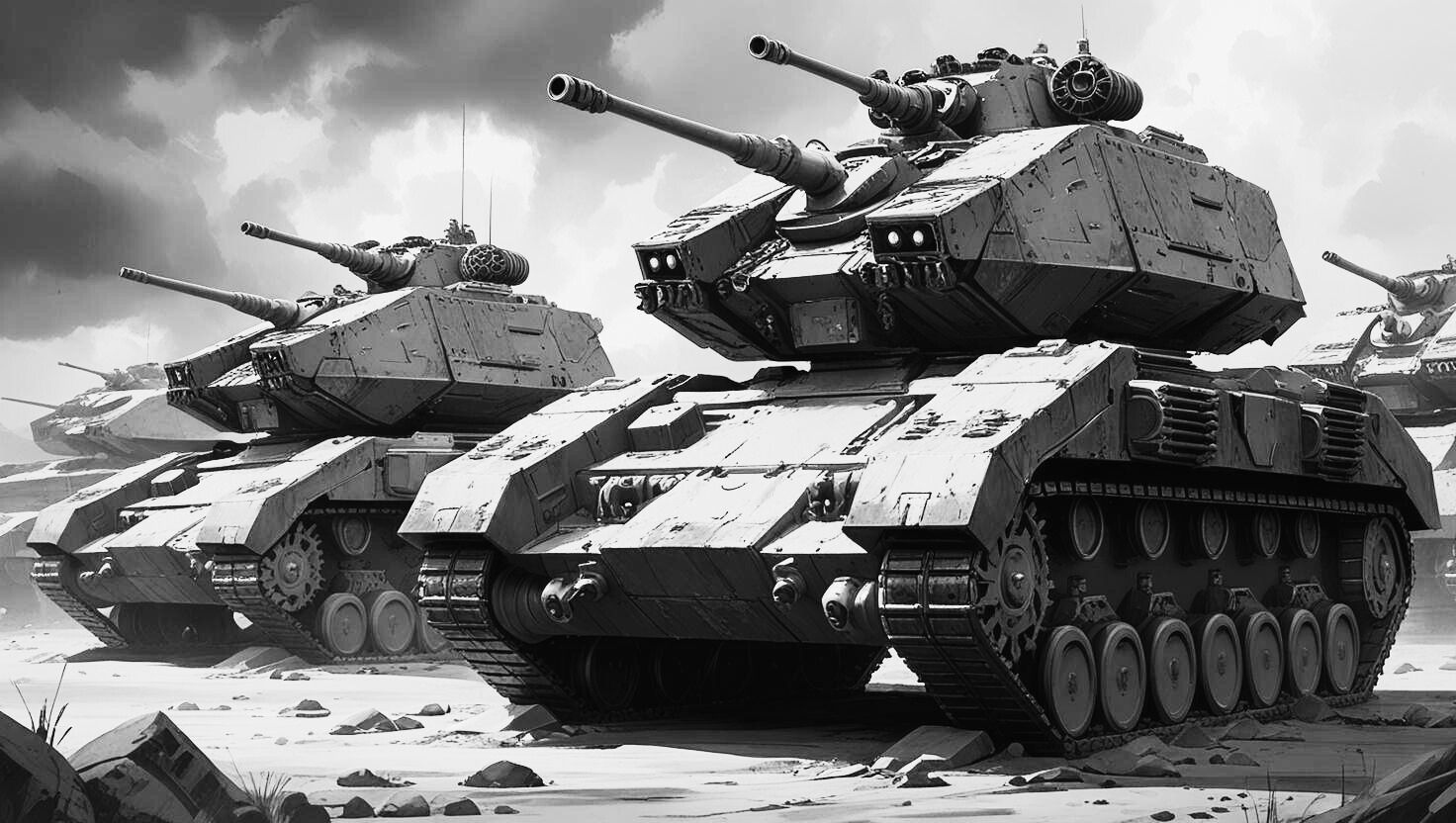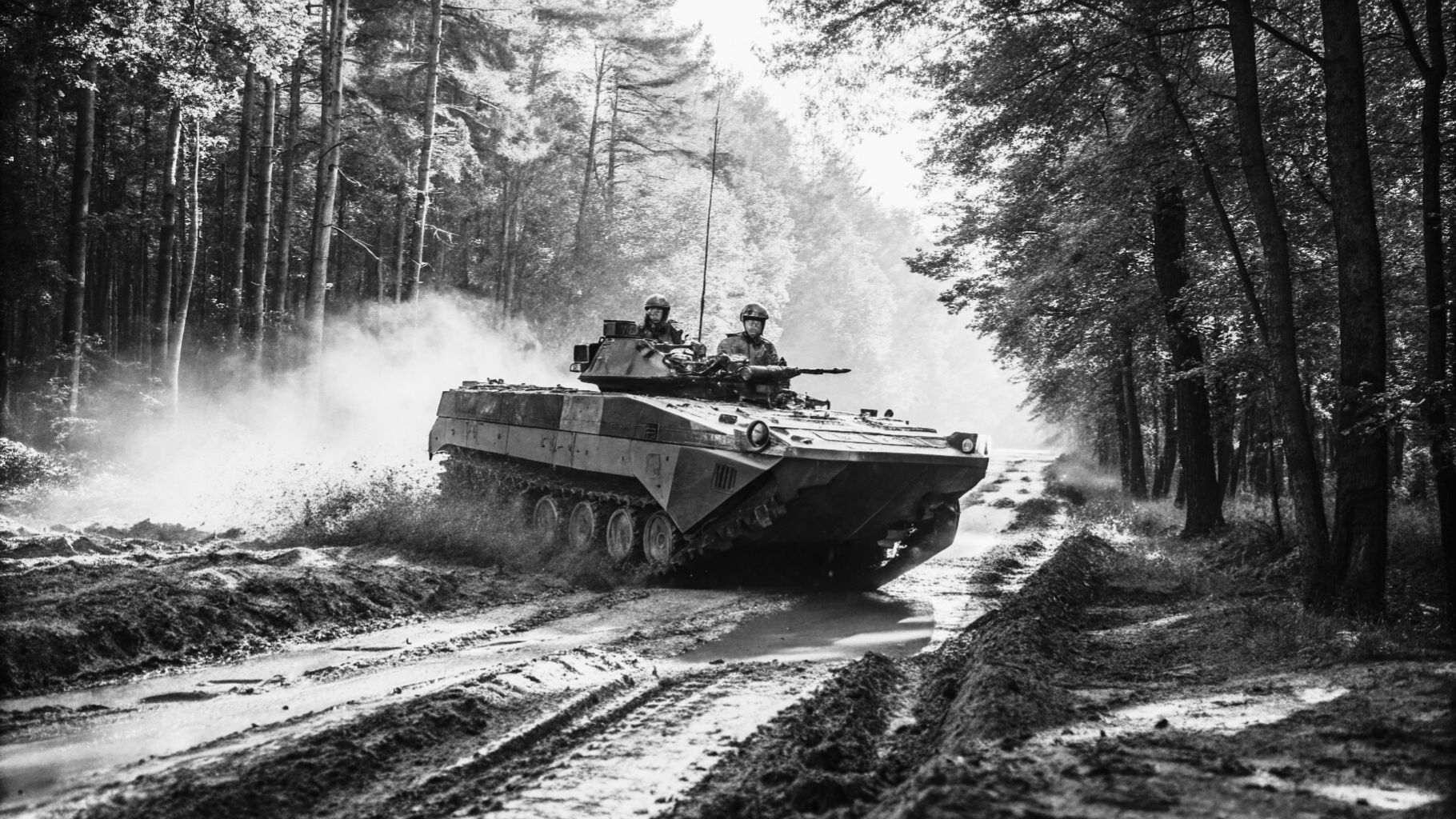
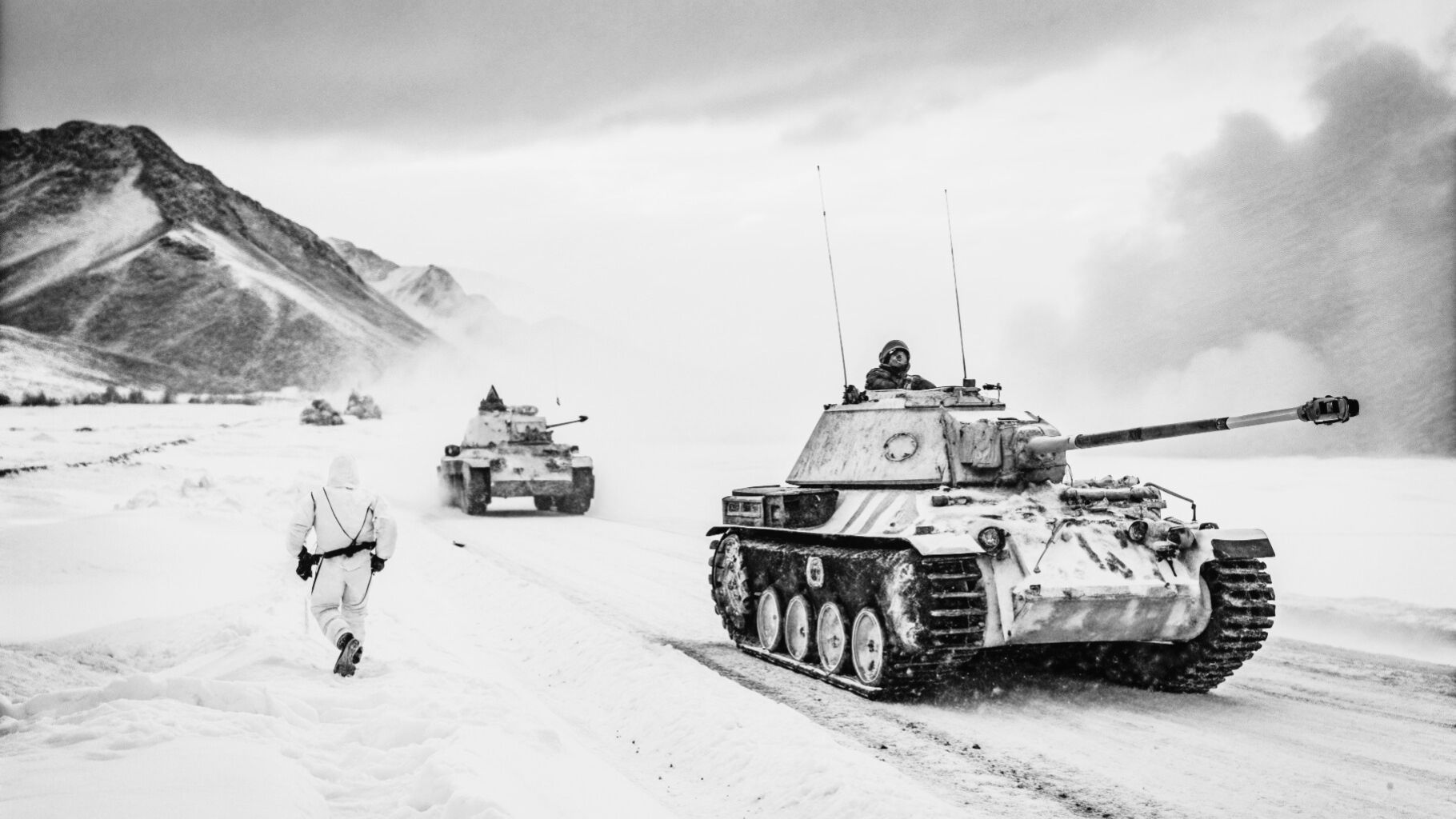
The Zorawar Light Tank, India’s indigenous high-altitude armoured vehicle programme, is expected to receive a major protection upgrade with the Defence Metallurgical Research Laboratory (DMRL) developing advanced armour capable of defeating NATO-standard 25 mm and 30 mm FSAPDS ammunition.
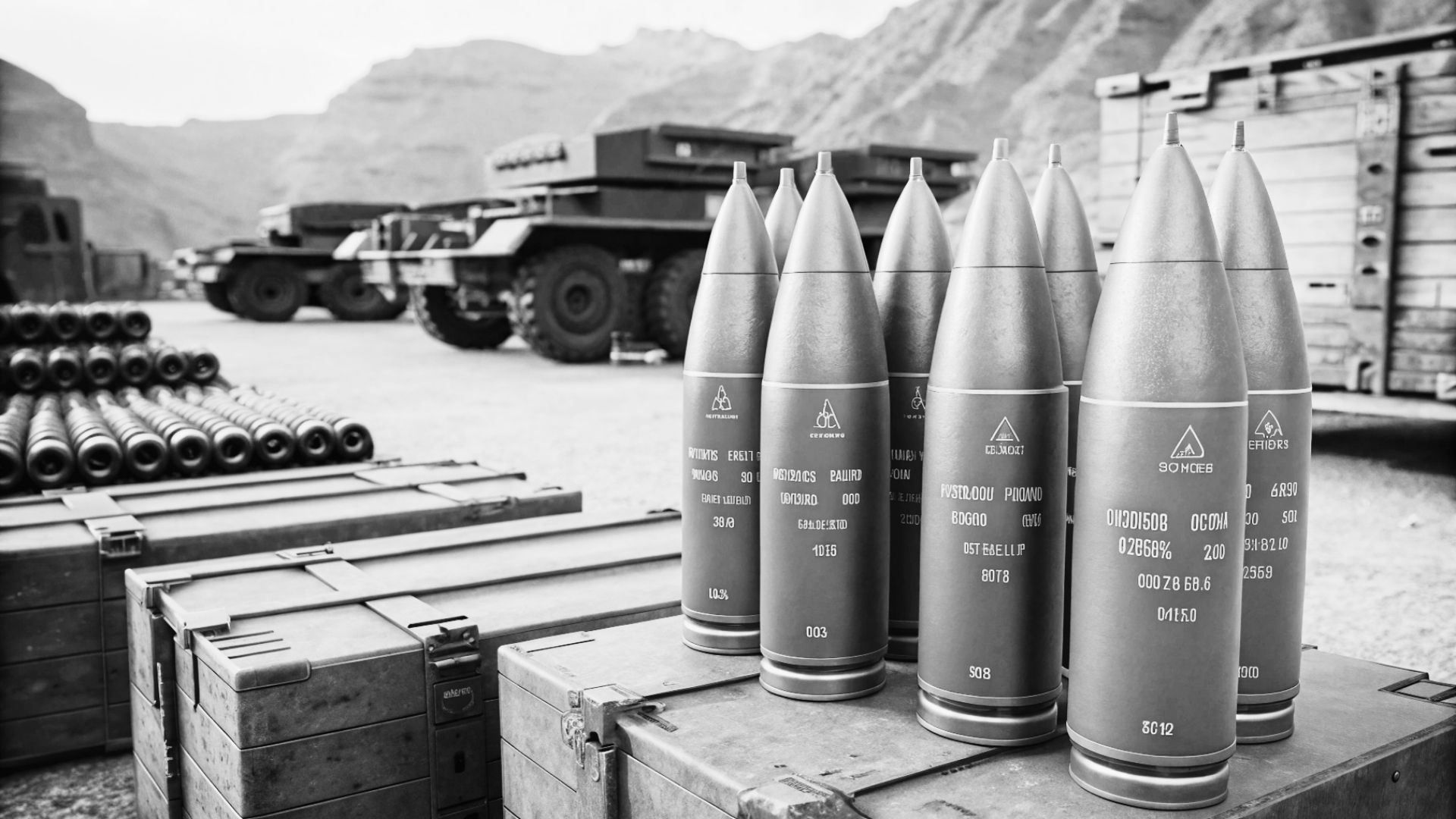
According to DMRL, the objective is to equip the platform with STANAG Level 5B protection against 25 mm armour-piercing threats and STANAG Level 6 protection against 30 mm APFSDS rounds. Such an enhancement would represent a substantial improvement in survivability for the lightweight combat vehicle, which has been designed specifically for operations in challenging mountainous terrain.
Currently, the Zorawar reportedly offers STANAG Level 4 frontal protection and Level 2 protection across the rest of the hull. Although this armour package is effective against heavy machine guns, artillery fragments, and some autocannon fire, the planned improvements would provide greater protection against modern infantry fighting vehicles and armoured combat systems equipped with high-velocity 25 mm and 30 mm weapons.
The STANAG protection framework is widely used to evaluate armoured vehicle resistance to ballistic threats. Level 5B protection is intended to defeat 25 mm armour-piercing ammunition, while Level 6 is designed to withstand the more powerful 30 mm APFSDS rounds commonly used by contemporary infantry fighting vehicles and rotary-wing attack platforms.
For the Zorawar programme, achieving these protection levels is strategically significant because the tank is being developed for deployment in northern border regions, where adversaries operate advanced light armour and infantry fighting vehicles armed with medium-calibre autocannons. The upgrade reflects India’s efforts to overcome a long-standing limitation of light tanks—reduced protection compared to heavier main battle tanks due to strict weight constraints.
DMRL’s work underscores the importance of indigenous armour technologies within the programme. The laboratory has extensive experience in developing advanced armour steels, ceramic protection systems, and lightweight composite materials. Delivering higher protection without significantly increasing vehicle weight will be crucial to preserving the Zorawar’s mobility and operational effectiveness in high-altitude terrain.
The Zorawar is being jointly developed by DRDO and Larsen & Toubro in response to the Indian Army’s requirement for a fast, agile, and deployable armoured vehicle suited for Eastern Ladakh and other mountainous sectors. The programme gained momentum following heightened tensions along the India-China border, where Chinese forces deployed Type-15 light tanks and other specialised armoured vehicles.
Enhanced survivability could also improve the Zorawar’s prospects in export markets. With modern combat environments increasingly shaped by drones, loitering munitions, precision-strike systems, and autocannon-equipped vehicles, demand is growing for lightweight armoured platforms that can combine mobility with robust protection against evolving battlefield threats.