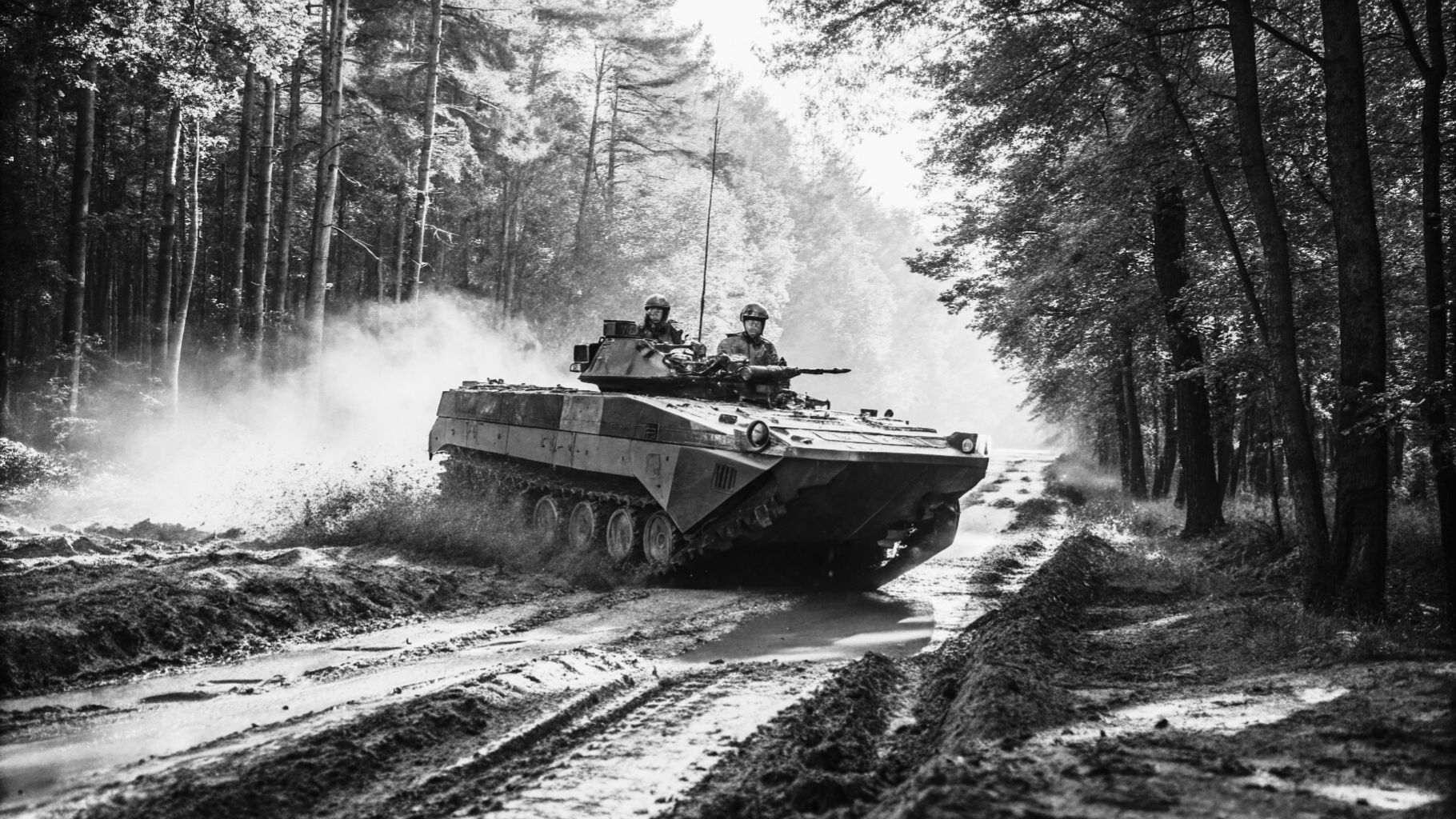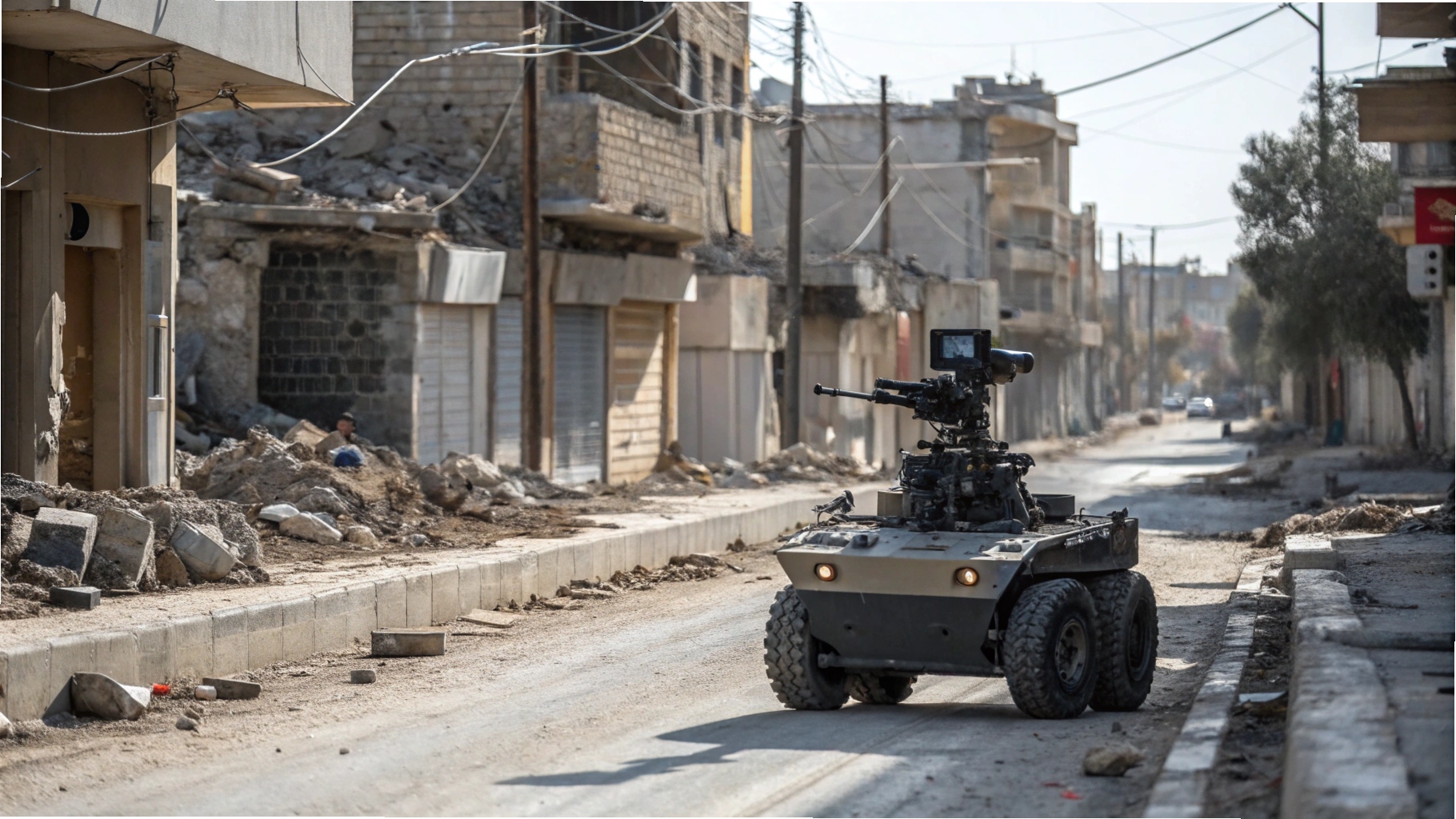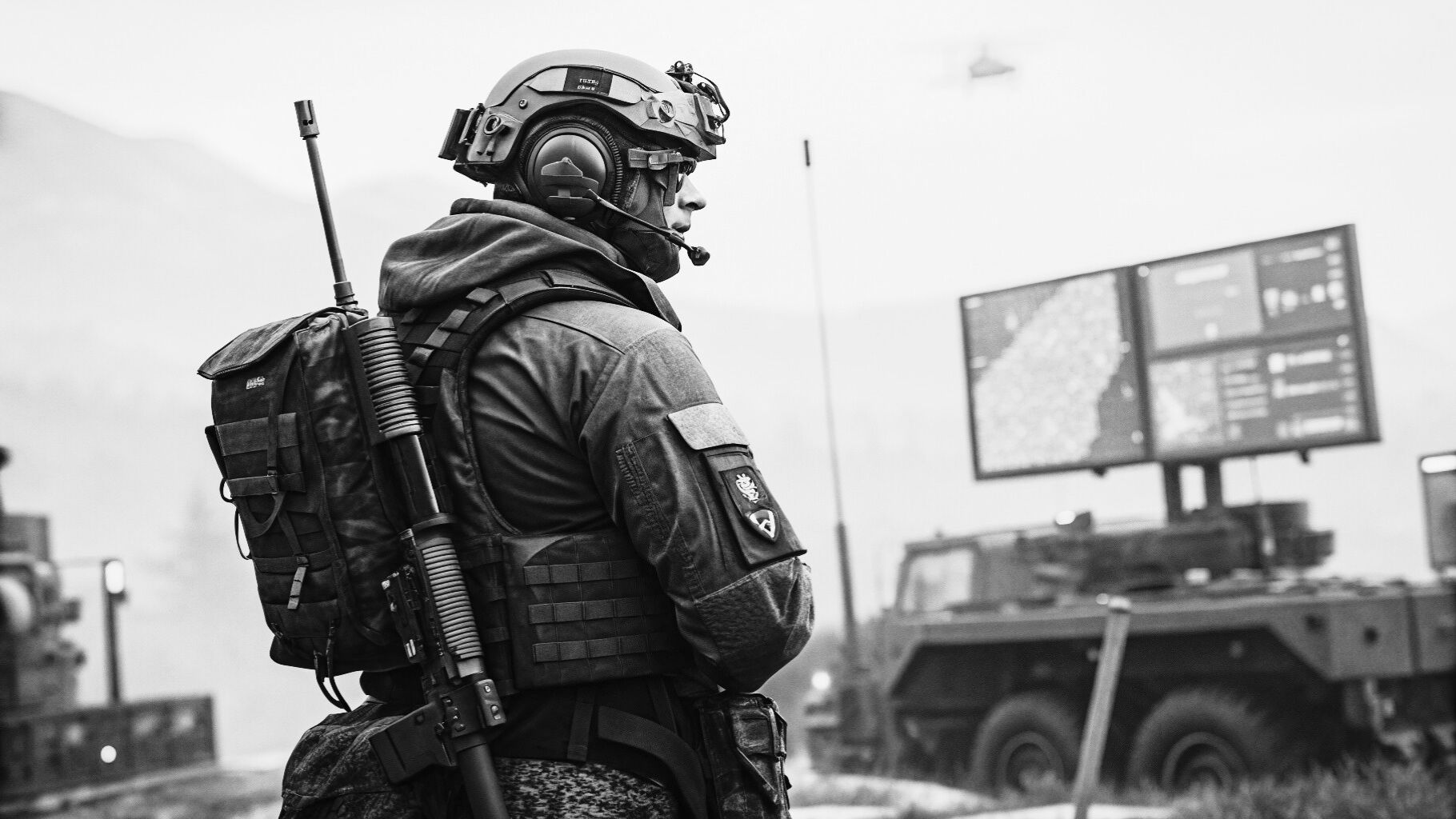
India’s indigenous Zorawar Light Tank is expected to be equipped with an advanced Adaptive Thermal Camouflage System aimed at significantly reducing its infrared signature and improving survivability against modern battlefield sensors, including drones, thermal imagers, and electro-optical targeting systems.
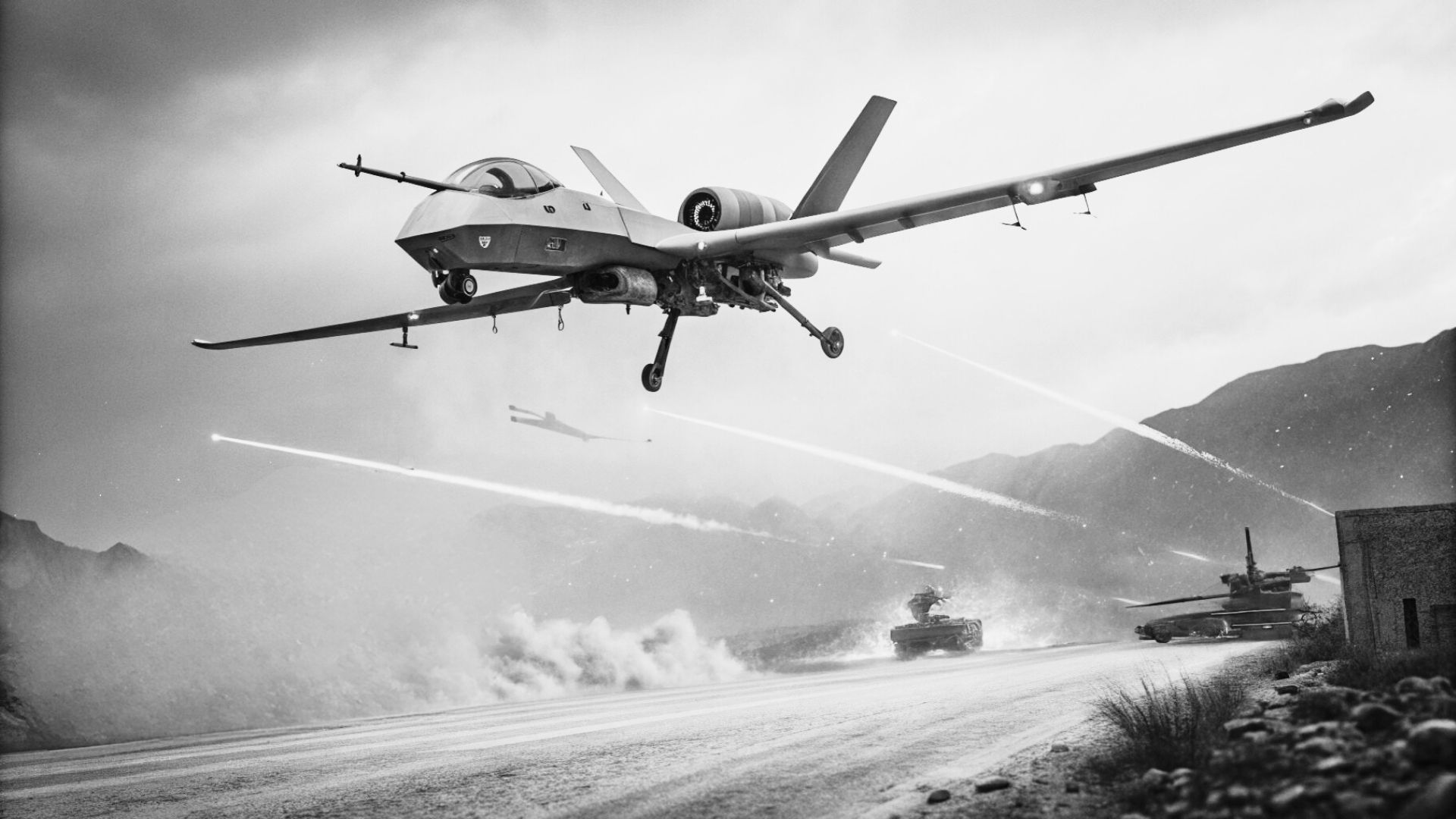
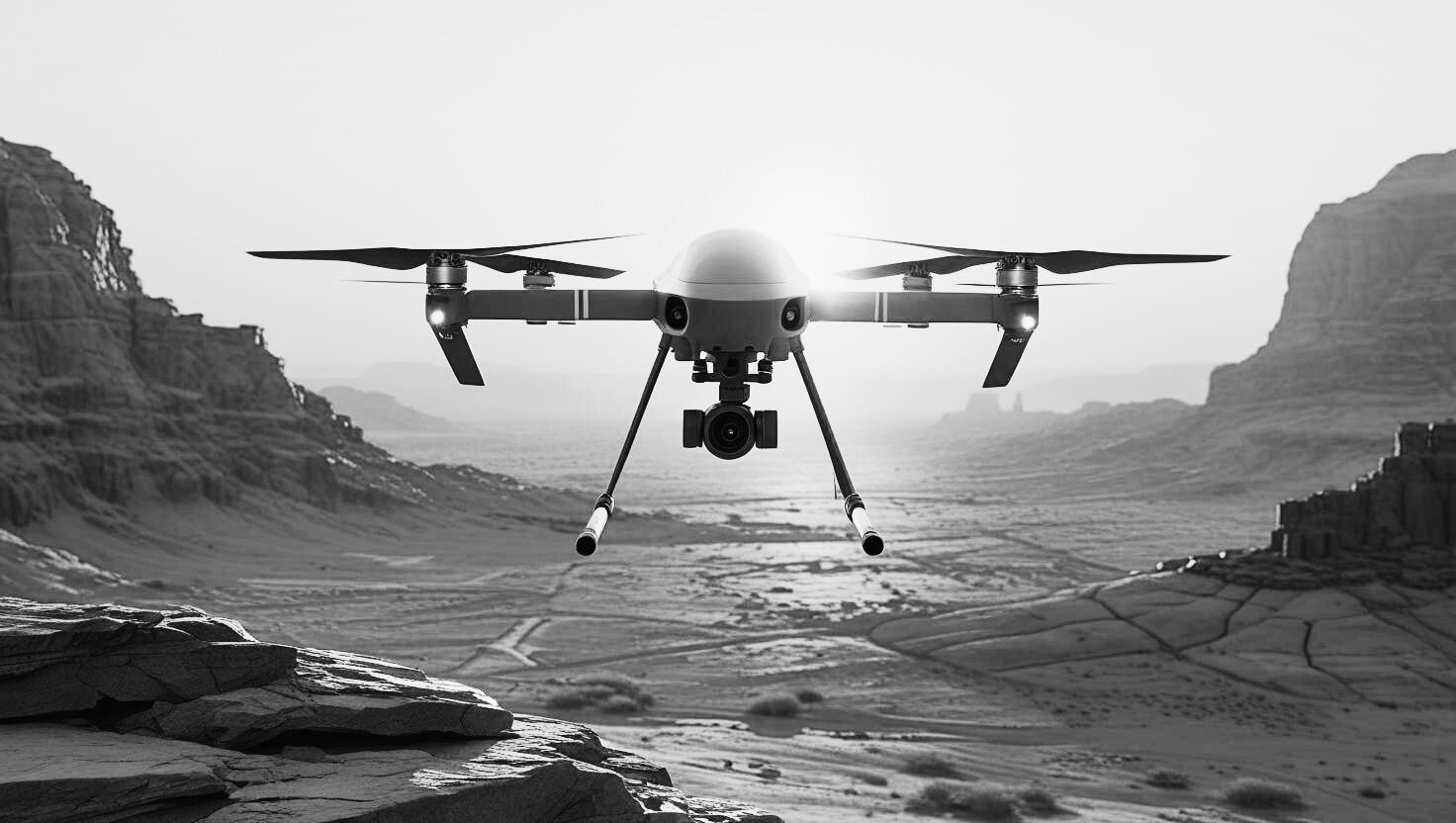
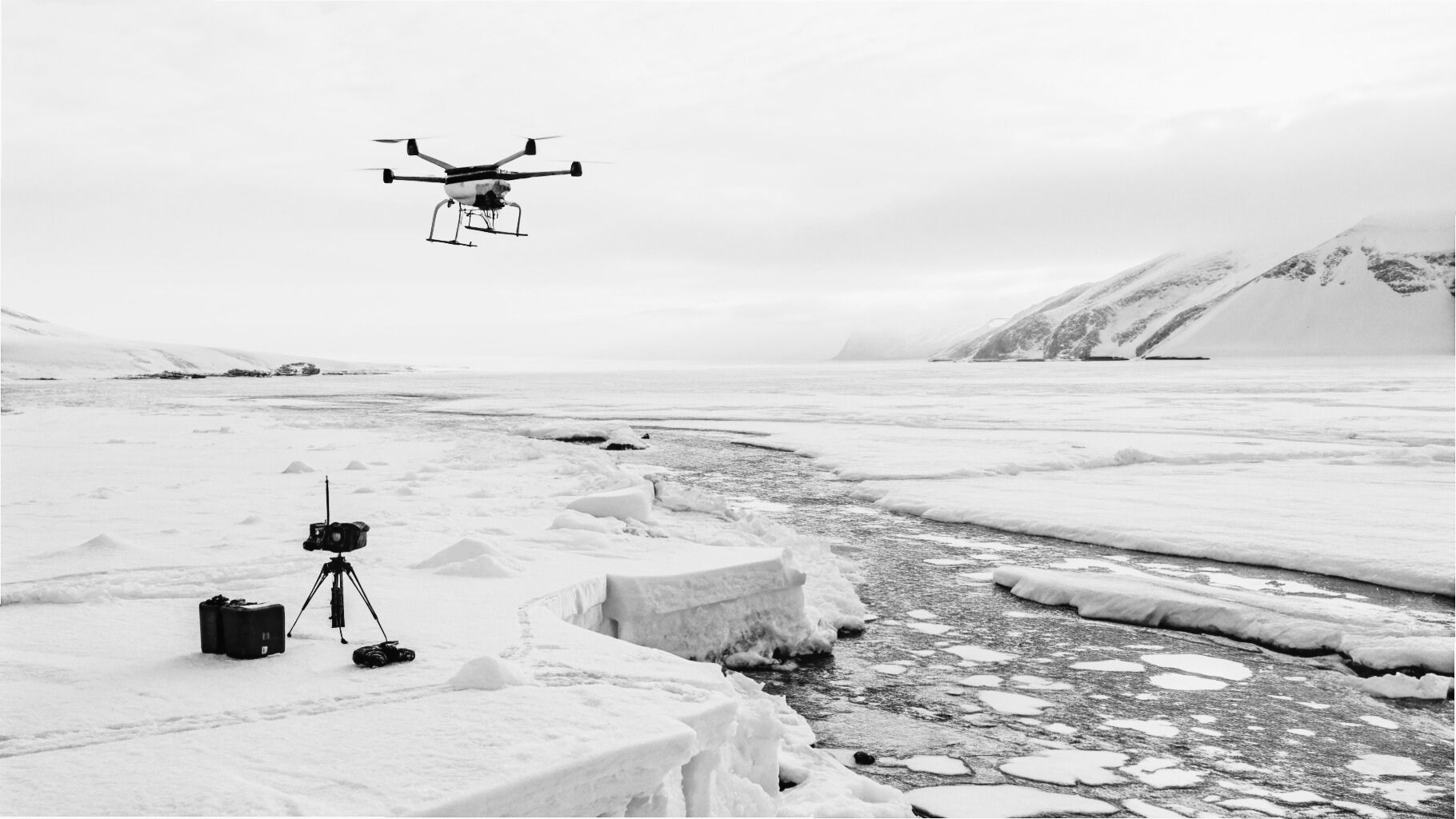
The Flexible Adaptive Thermal Camouflage Pads being developed for the program represent a major leap in thermal signature management for Indian armored platforms. Designed specifically for high-altitude operations such as Ladakh, the system addresses the growing threat posed by UAV surveillance and precision-guided munitions that rely heavily on infrared detection.
The solution will consist of modular, independently controlled thermal panels capable of both active heating and cooling. Unlike traditional camouflage nets or passive coatings, these panels dynamically regulate surface temperature to match surrounding environmental conditions, reducing detectability. Each panel is expected to maintain temperature accuracy within ±3°C, enabling continuous adaptation to terrain and weather variations.
Technically, each unit will be governed by FPGA-based controllers integrated into flexible printed circuit boards, with onboard sensors continuously monitoring ambient conditions. The design incorporates conductive ink-based heating layers along with flexible Peltier cooling elements, allowing both heat emission and dissipation depending on operational requirements.
The panels are expected to be built on flexible Kapton or PET substrates with thermal insulation layers to ensure durability while conforming to the tank’s complex surfaces. Each 200 mm × 200 mm module will attach via hook-and-loop mounting systems and military-grade electrical connectors, supported by modular power belts for field maintenance and replacement.
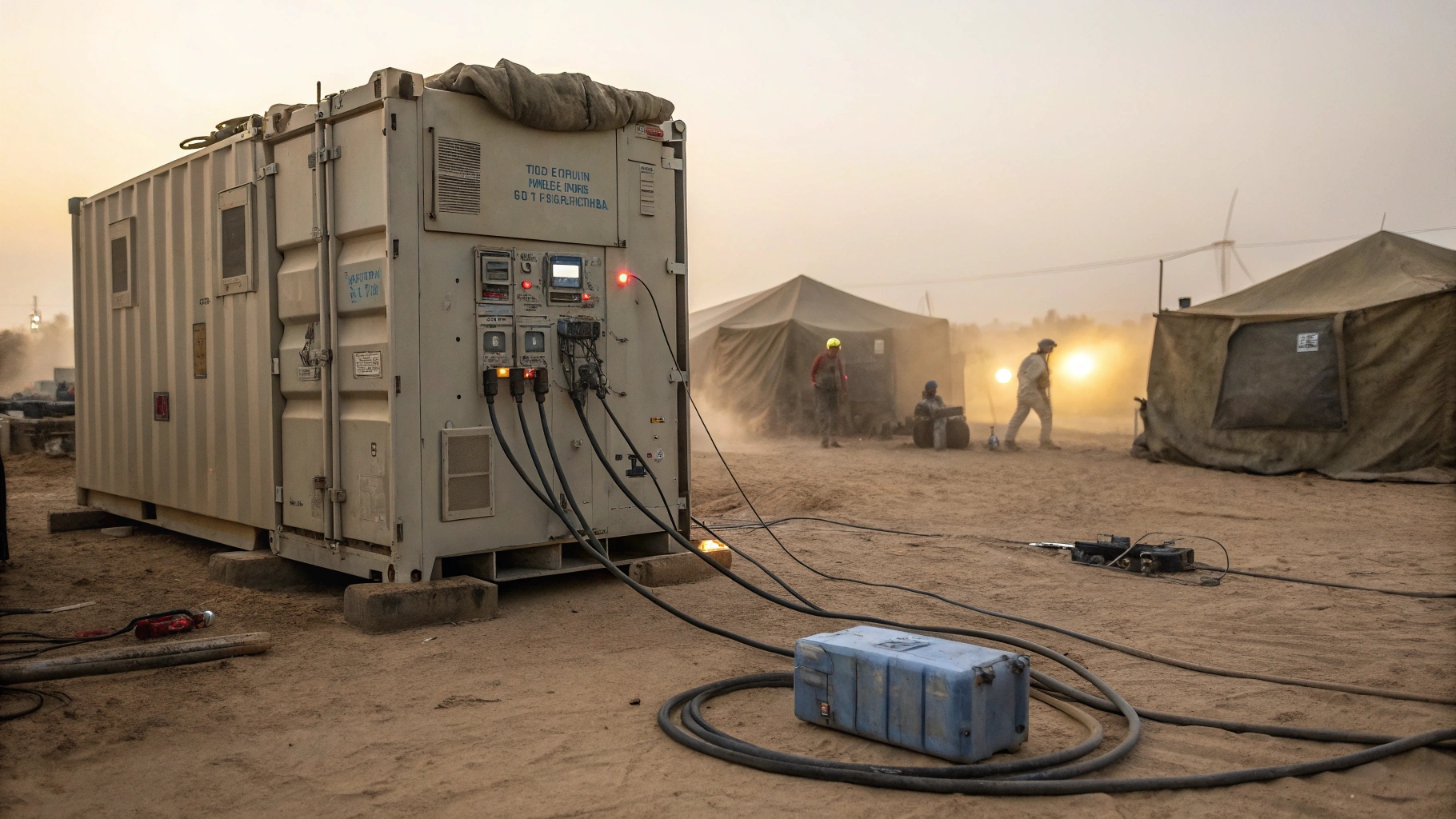
Operating in extreme temperatures ranging from -30°C to 50°C, each panel will be powered by an integrated 3.3V lithium-ion battery with a minimum capacity of 2500mAh, offering up to three hours of independent operation. This distributed power architecture enhances redundancy, allowing partial functionality even if the vehicle is damaged or external power is disrupted.
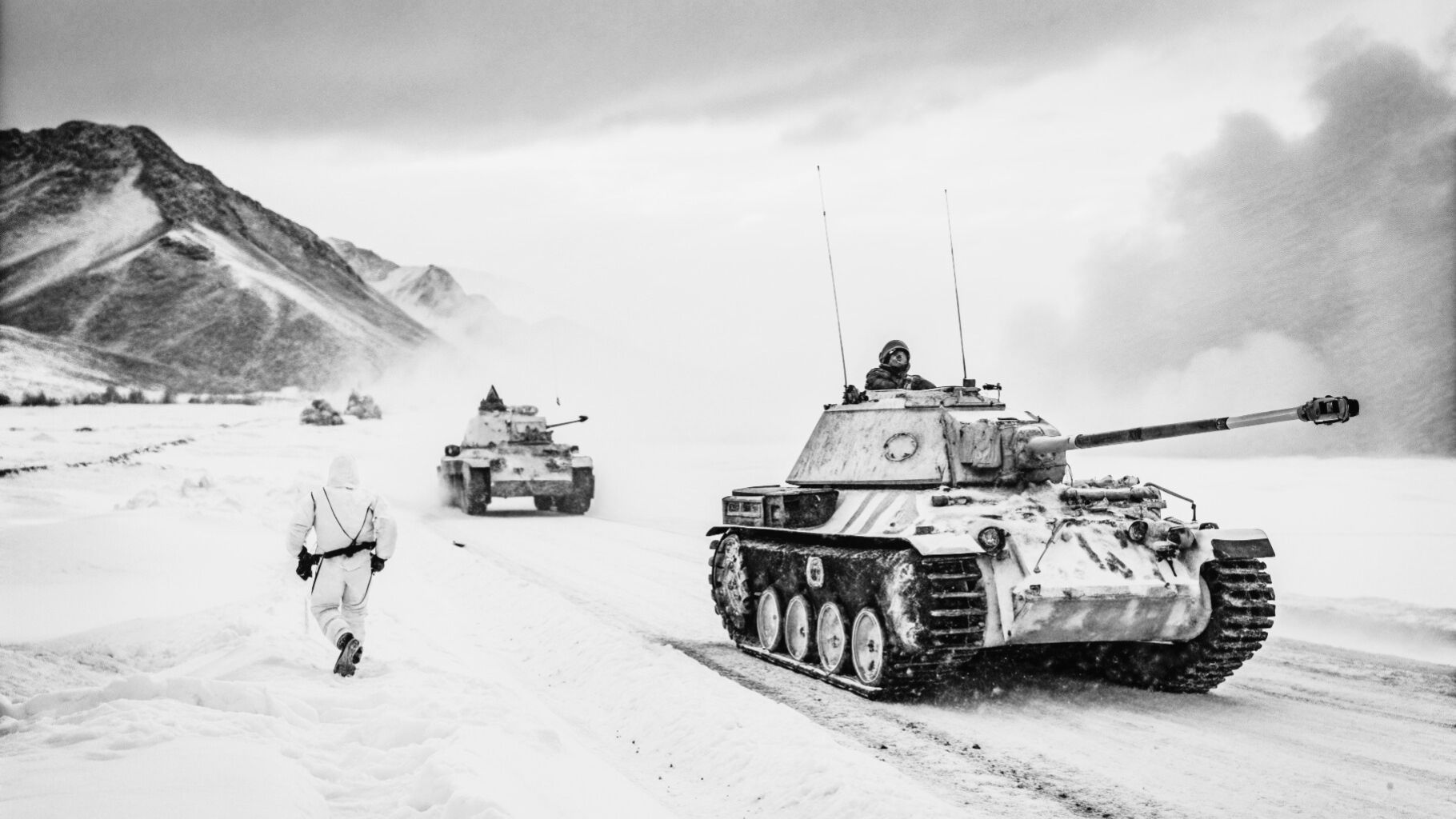
The adoption of adaptive thermal camouflage underscores India’s increasing focus on survivability solutions for future battlefields, where infrared detection systems mounted on drones, helicopters, artillery units, and anti-tank weapons play a decisive role. By mimicking surrounding thermal environments such as rock, snow, or terrain, the system could significantly reduce detection range and targeting accuracy.
Globally, only a few countries—including Sweden, Israel, and China—are pursuing similar concepts, but fully flexible active thermal camouflage systems remain rare due to their complexity and energy demands.