Germany’s Parliamentary Budget Committee has approved the acquisition of four MEKO A-200 DEU frigates valued at approximately 6.3 billion euros (US$7.2 billion), paving the way for the formal contract signing with thyssenkrupp Marine Systems (TKMS).
According to Hartpunkt, exercising the option to procure four additional frigates would require a further investment of around 5.3 billion euros (US$6.06 billion).
The approval follows Germany’s decision in June to terminate the delayed F126 frigate programme. Originally intended as an interim solution alongside the F126 fleet, the MEKO A-200 DEU has now become its full replacement.
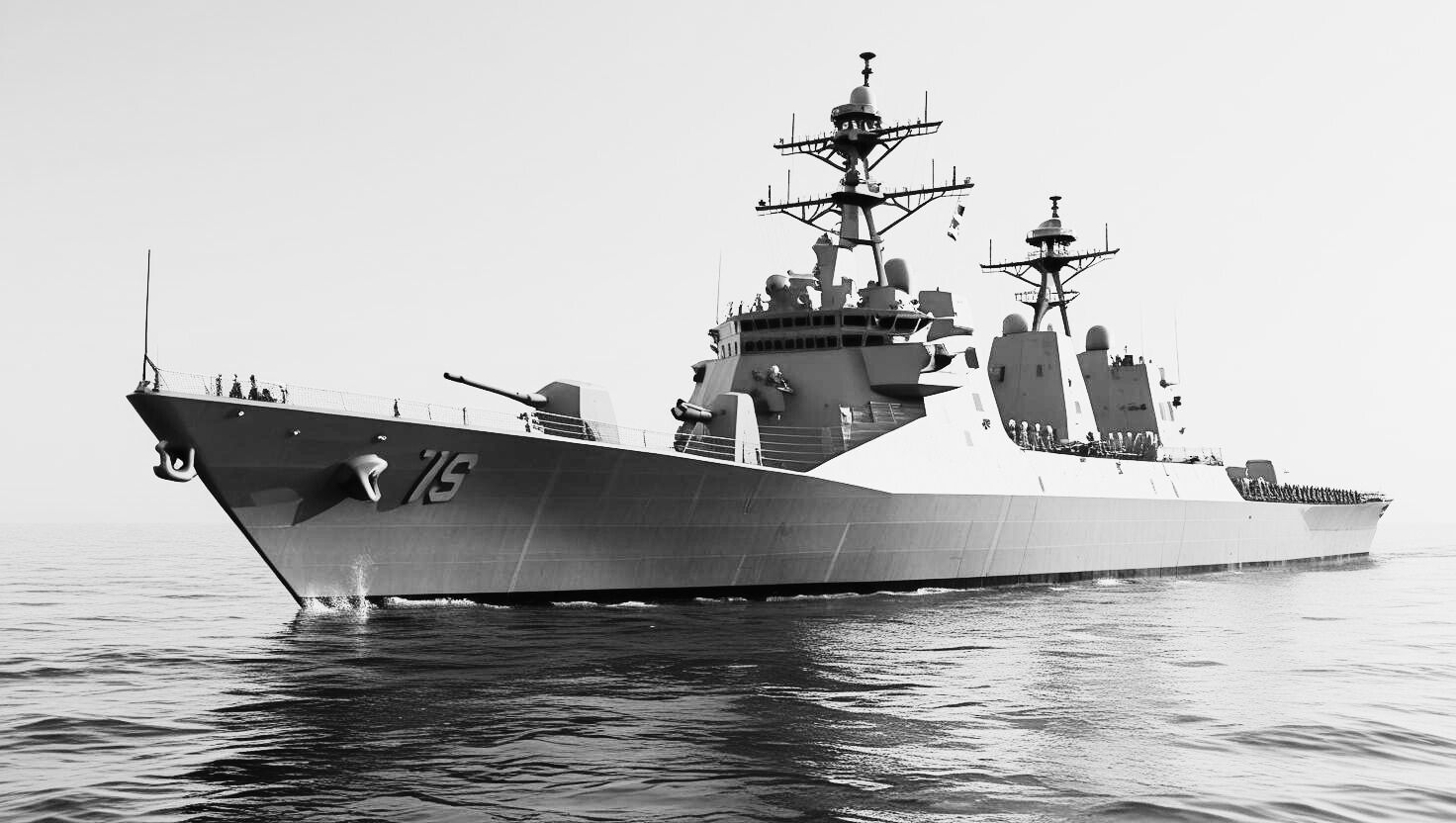
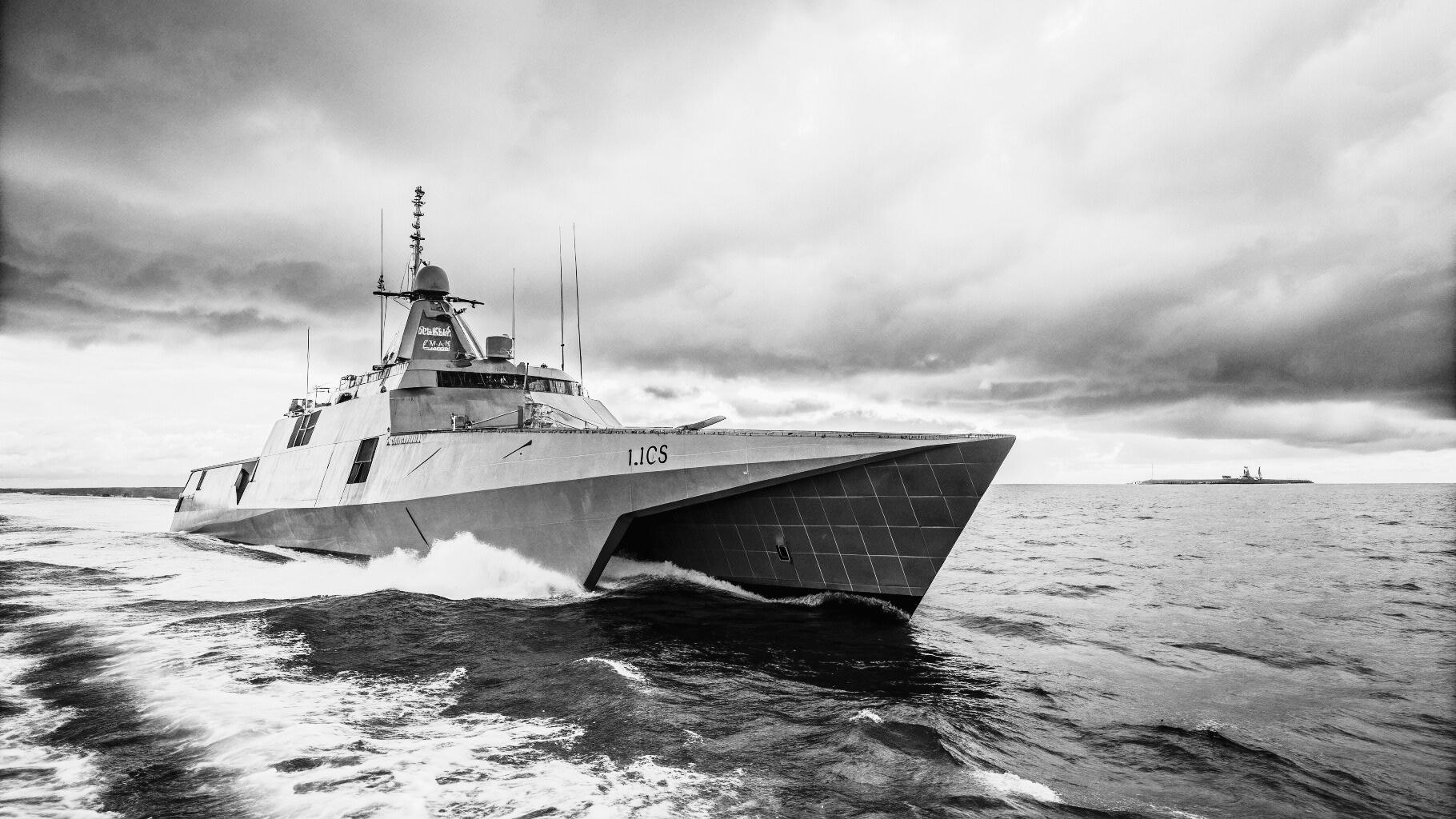
Unlike the approximately 10,000-ton F126, which was designed as a next-generation multi-role frigate for extended deployments, the 4,000-ton MEKO A-200 DEU is based on a mature and combat-proven design already serving with several international navies. German authorities selected the platform due to its lower procurement cost, shorter production timeline, reduced technical risk, and strong anti-submarine warfare capabilities.
The lead ship is scheduled for delivery in December 2029.
MEKO A-200 DEU Capabilities
The MEKO A-200 DEU is designed to strengthen the German Navy’s operational capabilities, with a particular emphasis on anti-submarine warfare (ASW).
The frigate measures 121 meters (397 feet) in length, has a 16.4-meter (53.8-foot) beam and a 4.4-meter (14.4-foot) draught, and displaces approximately 3,950 metric tons at full load.
It is operated by a core crew of 125 personnel, with accommodation available for 49 additional personnel. The vessel can achieve speeds exceeding 29 knots (54 km/h) while maintaining a low acoustic signature. At an economical cruising speed of 16 knots (30 km/h), it offers an operational range exceeding 6,500 nautical miles (12,040 kilometers).
The frigate can accommodate two modular mission payloads, each housed in a standard 20-foot shipping container, allowing rapid reconfiguration for different operational roles. It can also operate two 6-ton helicopters or one 11-ton helicopter alongside two unmanned aerial vehicles (UAVs).
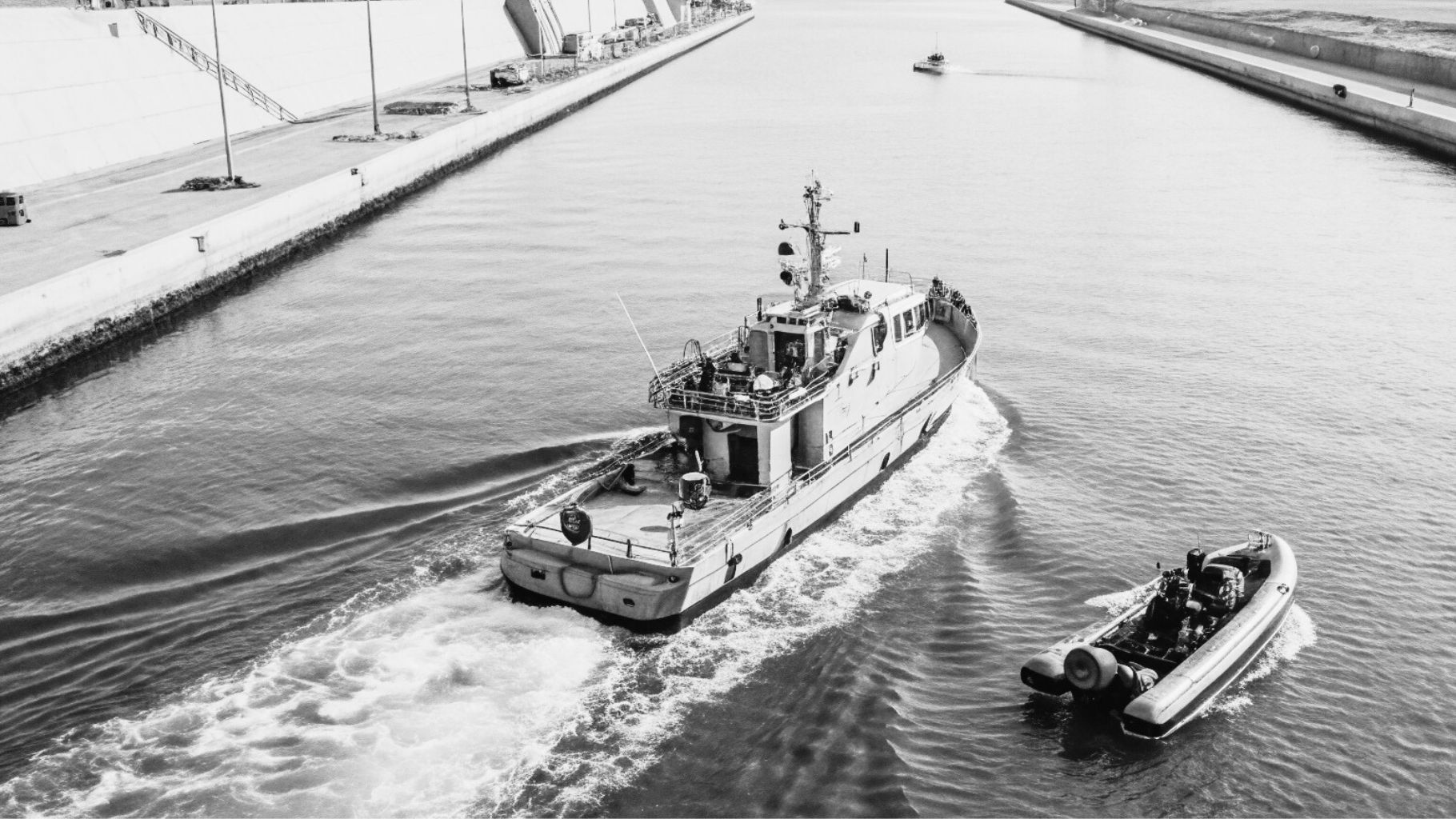
Additionally, the vessel is equipped with two side-mounted launch and recovery systems for 8-meter rigid-hulled inflatable boats (RHIBs), enhancing its capability to conduct combat operations, maritime security missions, patrols, and search-and-rescue tasks.