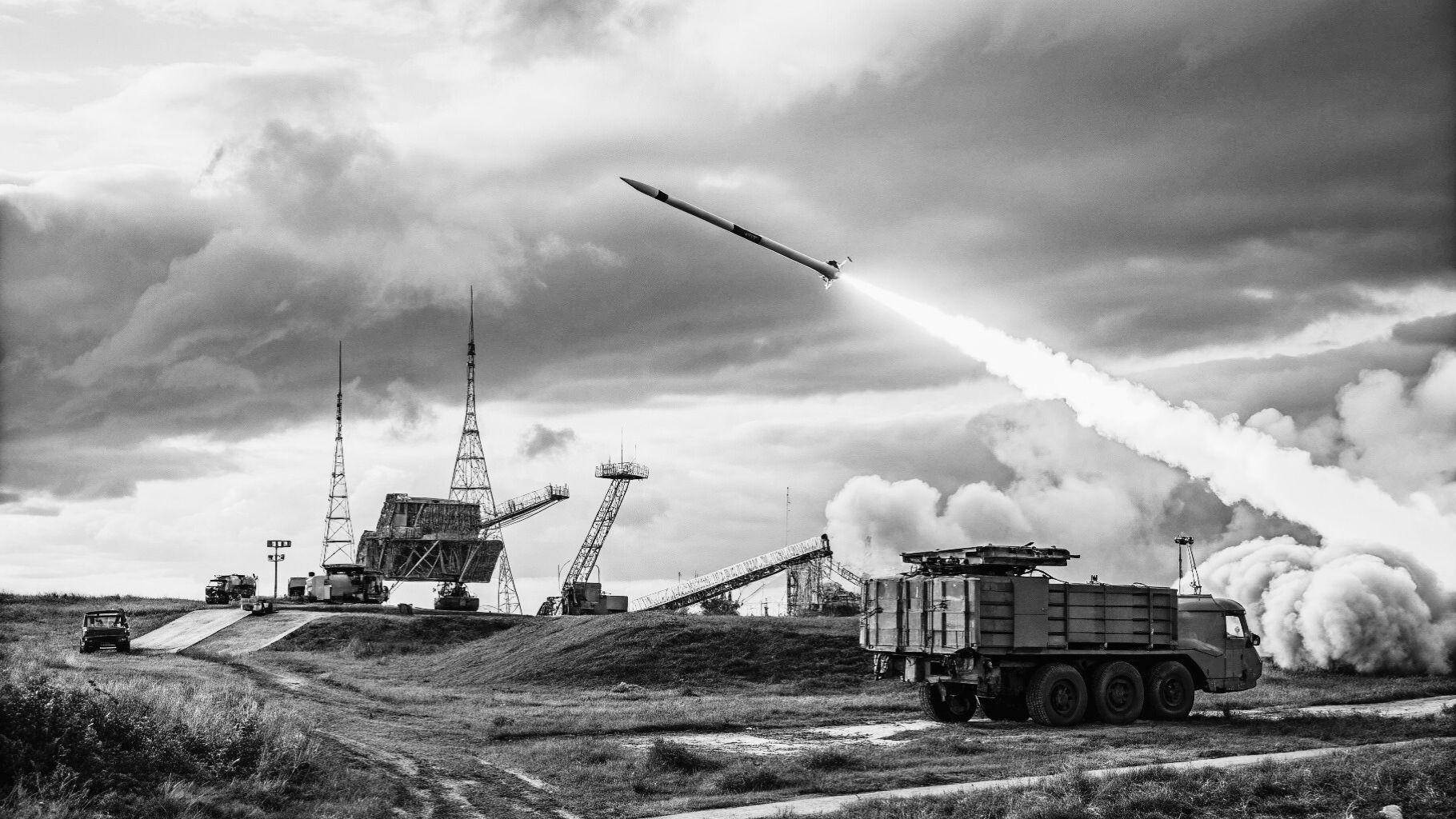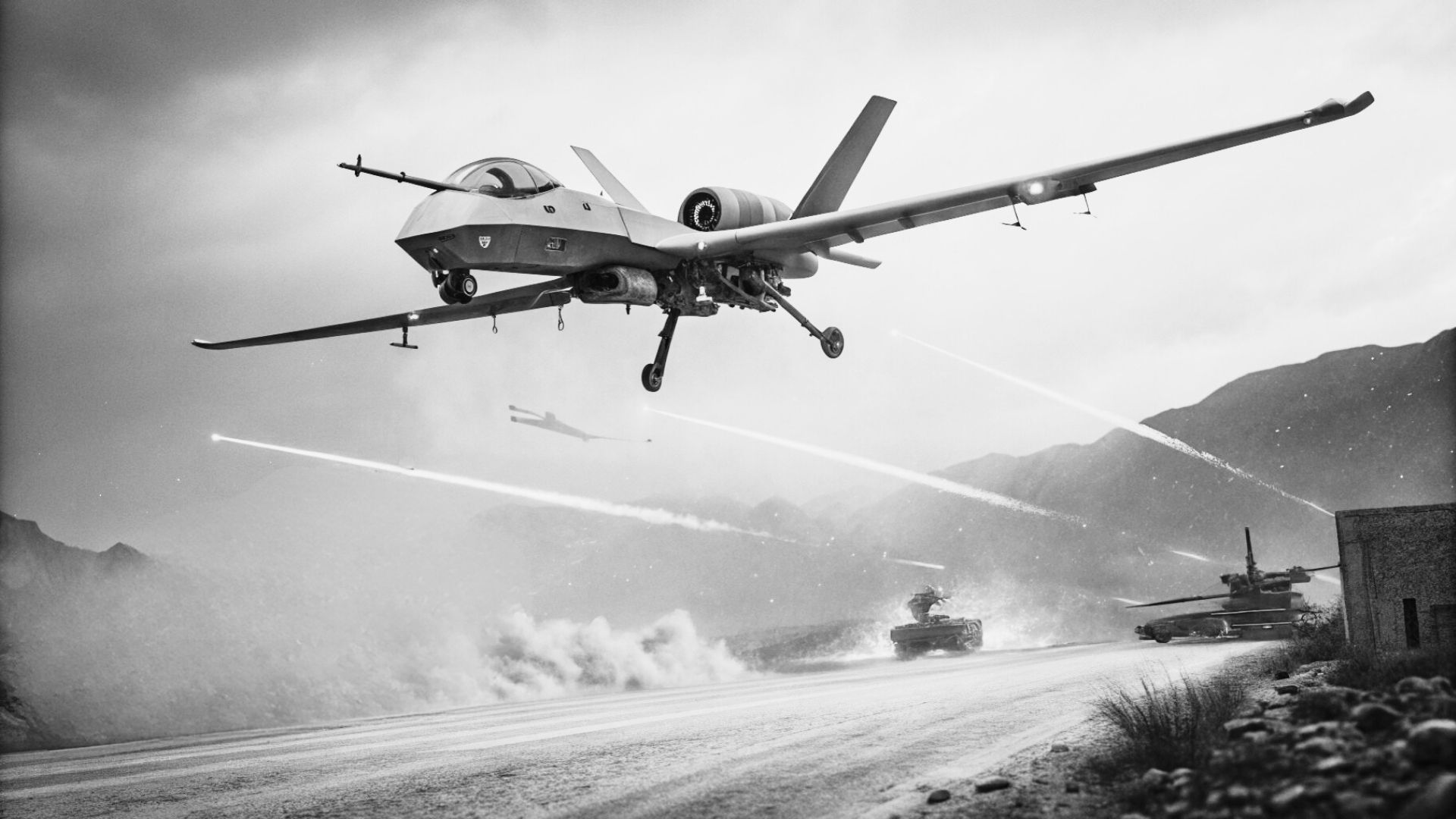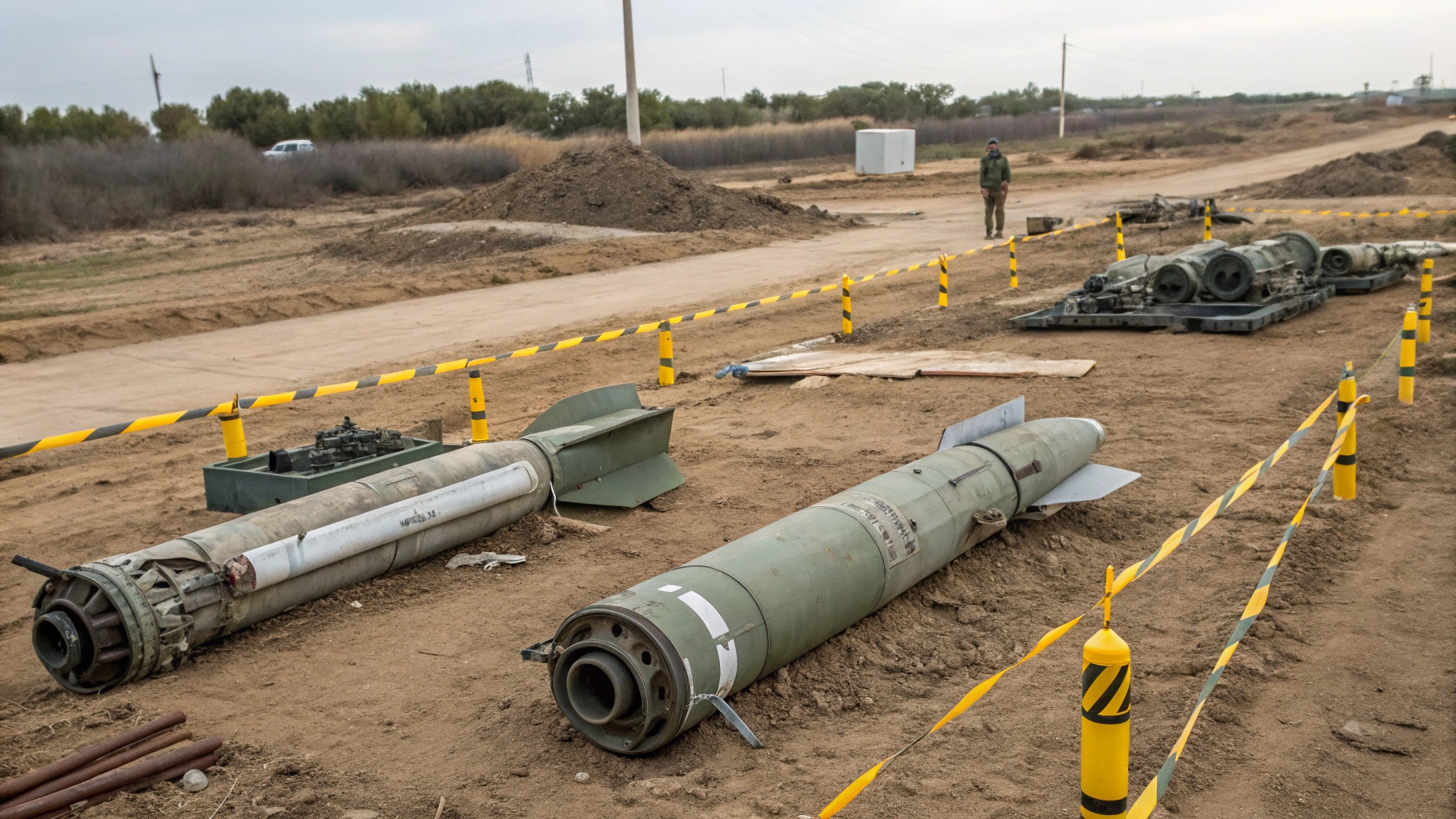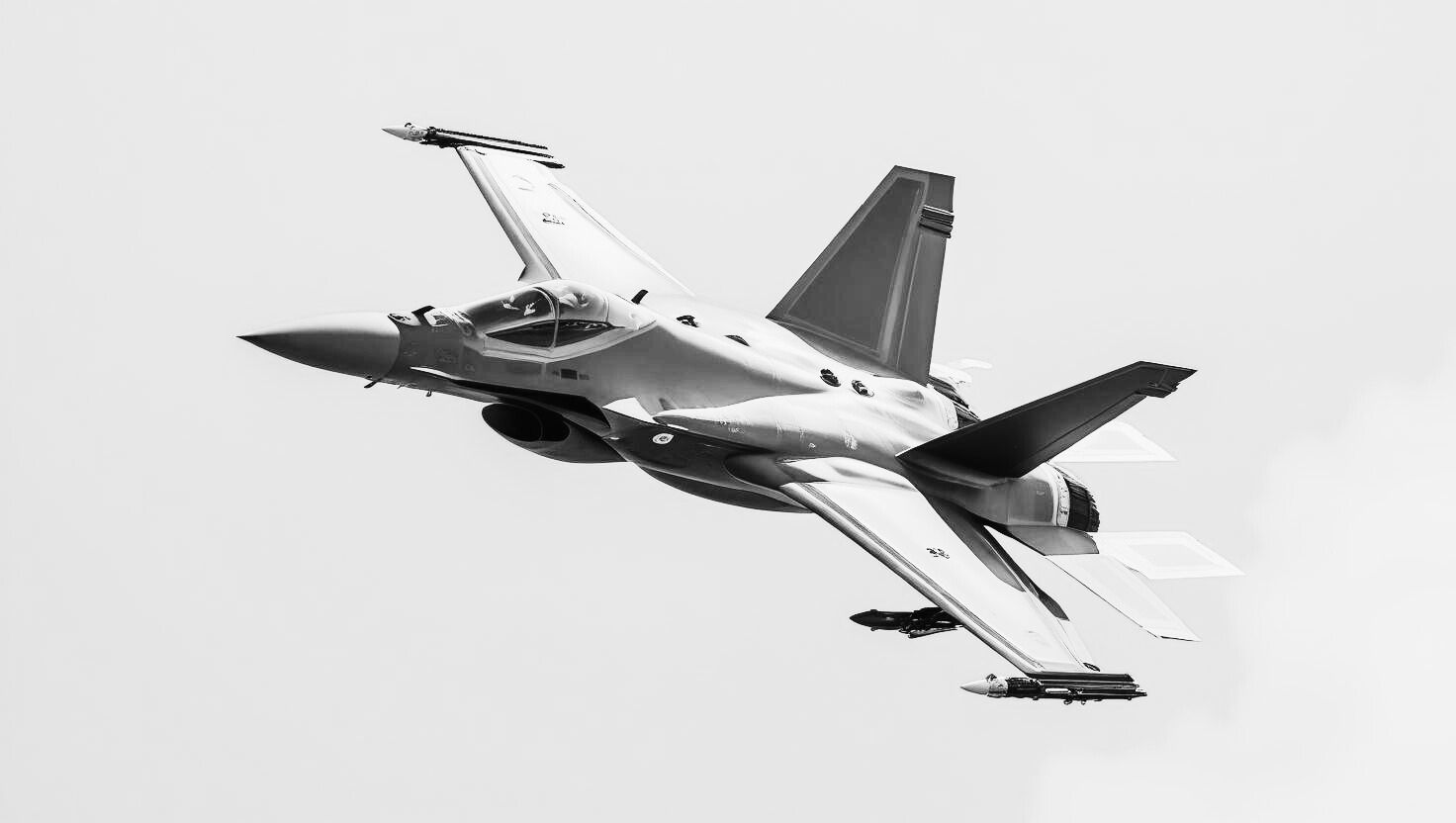
India’s Supersonic Target Resembling Missile (STAR) program is reportedly evolving from a high-speed target drone into a cost-effective tactical strike weapon capable of carrying out both land-attack and anti-ship missions. According to sources, the new STAR-Tactical (STAR-T) variant is emerging as a key element of India’s strategy to field large numbers of indigenous supersonic missiles while reducing dependence on higher-cost systems such as the BrahMos.
Originally developed by the Aeronautical Development Establishment (ADE) in partnership with the Defence Research and Development Laboratory (DRDL), STAR was designed to simulate incoming cruise missile threats for testing air defense systems. Capable of replicating sea-skimming attack profiles at speeds between Mach 2.5 and Mach 3, the platform provided a realistic target for evaluating interception capabilities against modern supersonic threats.
Military planners reportedly recognized that the target vehicle already possessed many of the aerodynamic and propulsion characteristics required for a tactical strike missile. This realization led to the development of STAR-T, a weaponized version optimized for offensive operations while retaining the original platform’s high-speed flight performance.
The missile aligns with India’s emerging “high-low mix” strike doctrine, under which premium systems such as the BrahMos would be reserved for strategic targets, including hardened facilities, command centers, and aircraft carriers. Meanwhile, STAR-T would serve as a lower-cost option for suppressing enemy air defenses, conducting battlefield strikes, and engaging medium-value targets.
One of STAR-T’s primary advantages is affordability. Estimates suggest the missile could cost approximately ₹15–20 crore per unit, significantly less than a BrahMos missile while maintaining comparable supersonic speeds. The lower cost is attributed largely to its indigenous Solid Fuel Ducted Ramjet (SFDR) propulsion system, which is simpler, cheaper, and easier to maintain than liquid-fueled ramjet technologies.
The program also benefits from complete domestic ownership, allowing India to retain full control over intellectual property, manufacturing, and production spending. The missile is expected to be lighter than BrahMos and carry a smaller tactical warhead, making it suitable for high-volume strike operations.
Indian planners are reportedly evaluating STAR-T for both surface-to-surface and anti-ship missions. Its lower cost could enable saturation attacks involving large missile salvos designed to overwhelm enemy air defense systems, providing greater strike density while preserving more expensive strategic missiles for critical targets.
As India places increasing emphasis on affordable, mass-produced precision weapons, STAR-T is expected to play a growing role in future offensive operations alongside programs such as the Long-Range Land Attack Cruise Missile (LRLACM).