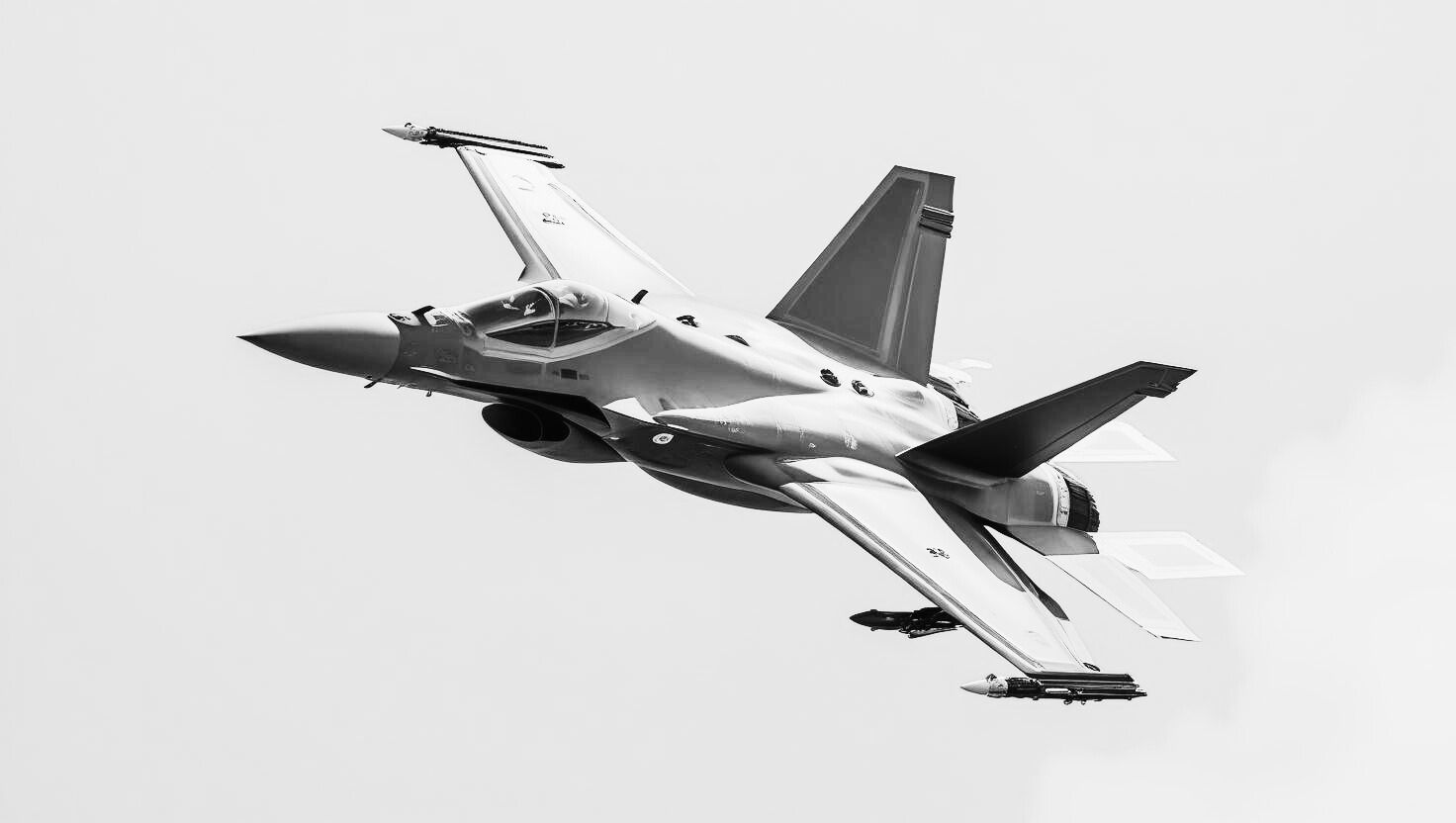
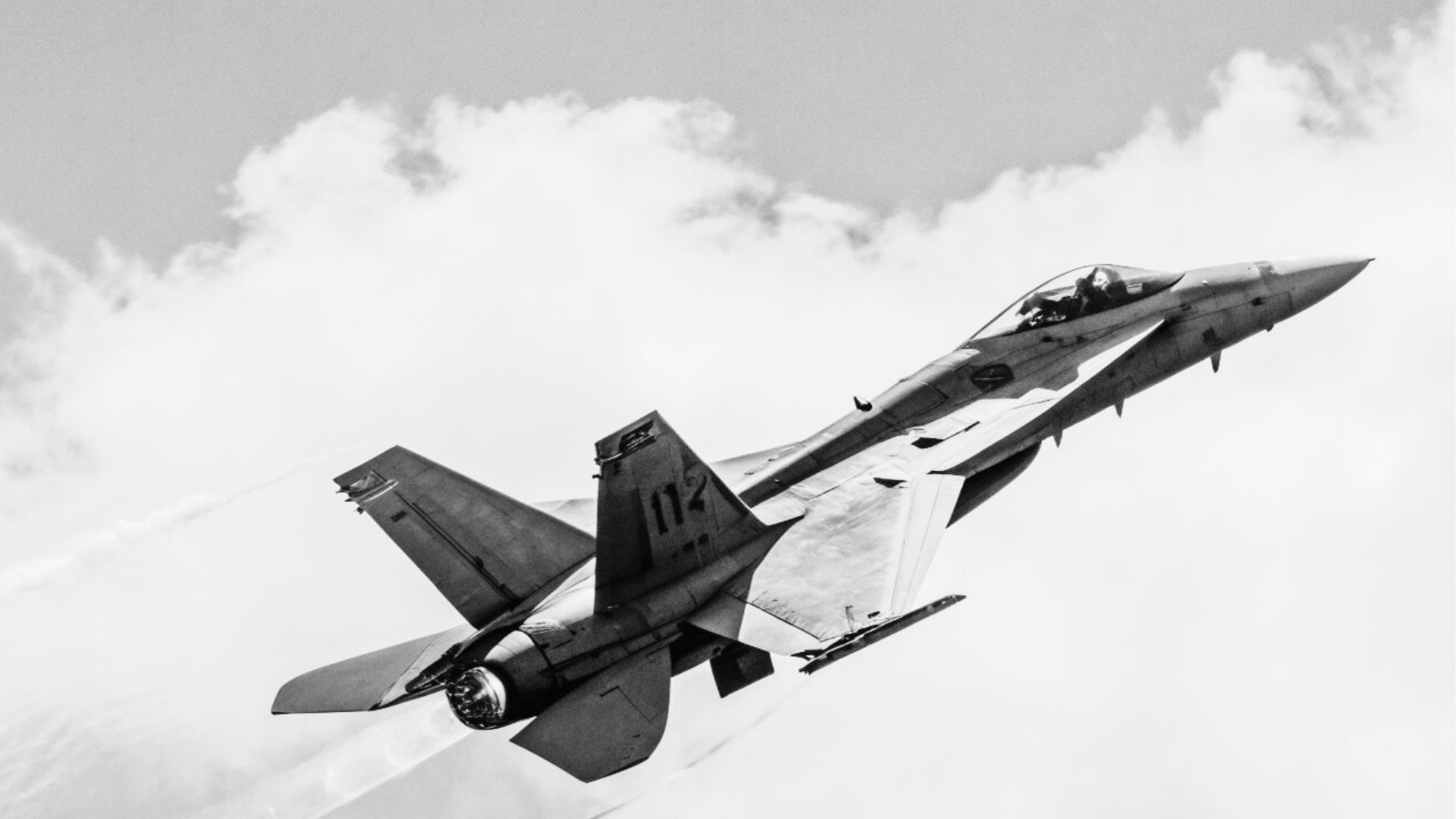
The maiden flight of Russia’s first twin-seat fifth-generation fighter, the Su-57D, has renewed discussion about India’s possible involvement in the future evolution of the stealth aircraft program. Following the successful flight on May 19, chief test pilot Sergey Bogdan stated that the new variant was designed primarily with export customers in mind, particularly air forces that do not have prior experience operating Sukhoi fighters.
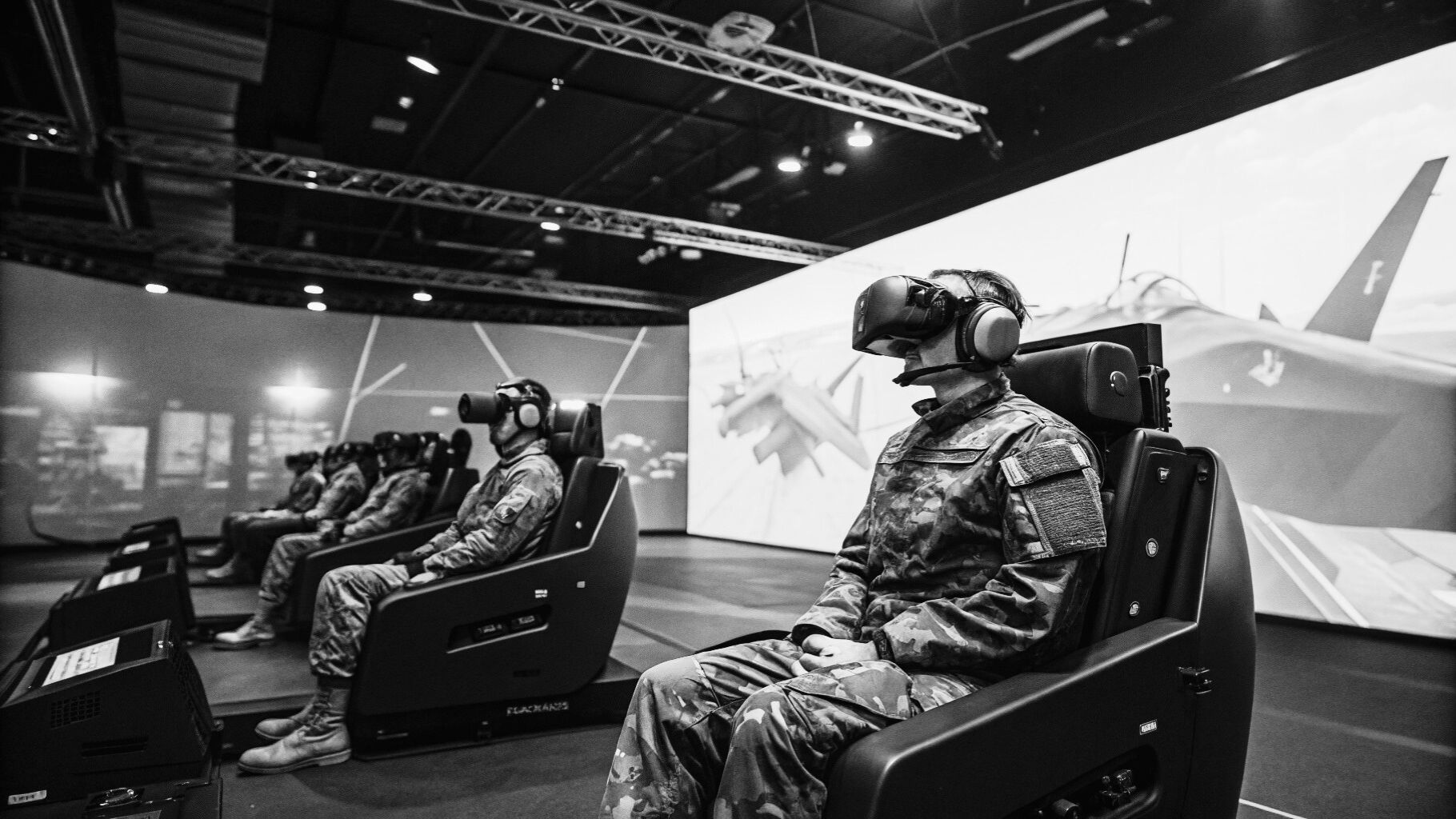
Bogdan highlighted pilot training as a key factor influencing future export opportunities. While operators of aircraft such as the Su-27, Su-30, and Su-35 can transition more easily to the Su-57, countries without a Sukhoi background may require a dedicated training platform. The twin-seat Su-57D addresses this requirement by offering enhanced training and conversion capabilities while retaining the aircraft’s advanced combat features.
Russian officials have long linked the two-seat variant to international market demand. In recent years, Moscow has repeatedly indicated that foreign customer interest was a major driver behind the project. Industry leaders have argued that a dual-seat version would significantly broaden the aircraft’s export appeal and attract additional overseas buyers.
Among the potential customers, India is often viewed as the most likely candidate. The Indian Air Force has traditionally favored twin-seat fighter aircraft for training, strike coordination, and complex operational missions. This preference is reflected in the extensive use of platforms such as the Su-30MKI, which remains the backbone of India’s combat aviation fleet.
Interest in the Su-57 has reportedly intensified since 2025, with discussions ranging from direct procurement to licensed production in India. Reports suggest that negotiations have progressed to an advanced technical stage, while Russia has reportedly offered unprecedented access to sensitive aspects of the program, including source-code integration rights as part of a potential production agreement.
Analysts believe India could pursue multiple pathways, including direct acquisition of Russian-built aircraft, local production under license, or a highly customized variant integrating indigenous avionics, mission computers, electronic warfare suites, and Indian-developed weapons. The arrival of the Su-57D adds further possibilities, as a twin-seat configuration could align closely with Indian operational doctrine and future network-centric warfare requirements.
With the indigenous AMCA program not expected to enter service until the mid-2030s, the Su-57 could potentially provide India with an interim fifth-generation capability while also offering valuable technological experience that may support future domestic fighter development efforts.