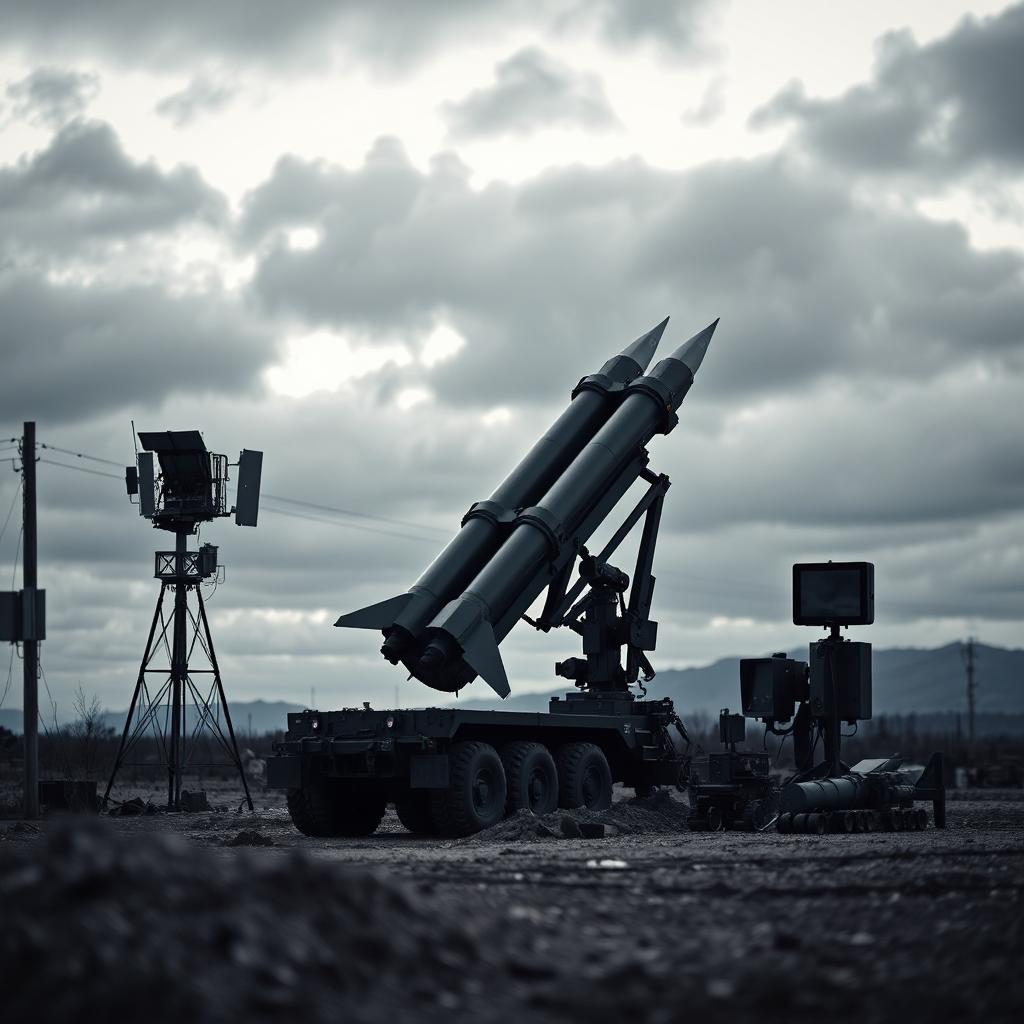
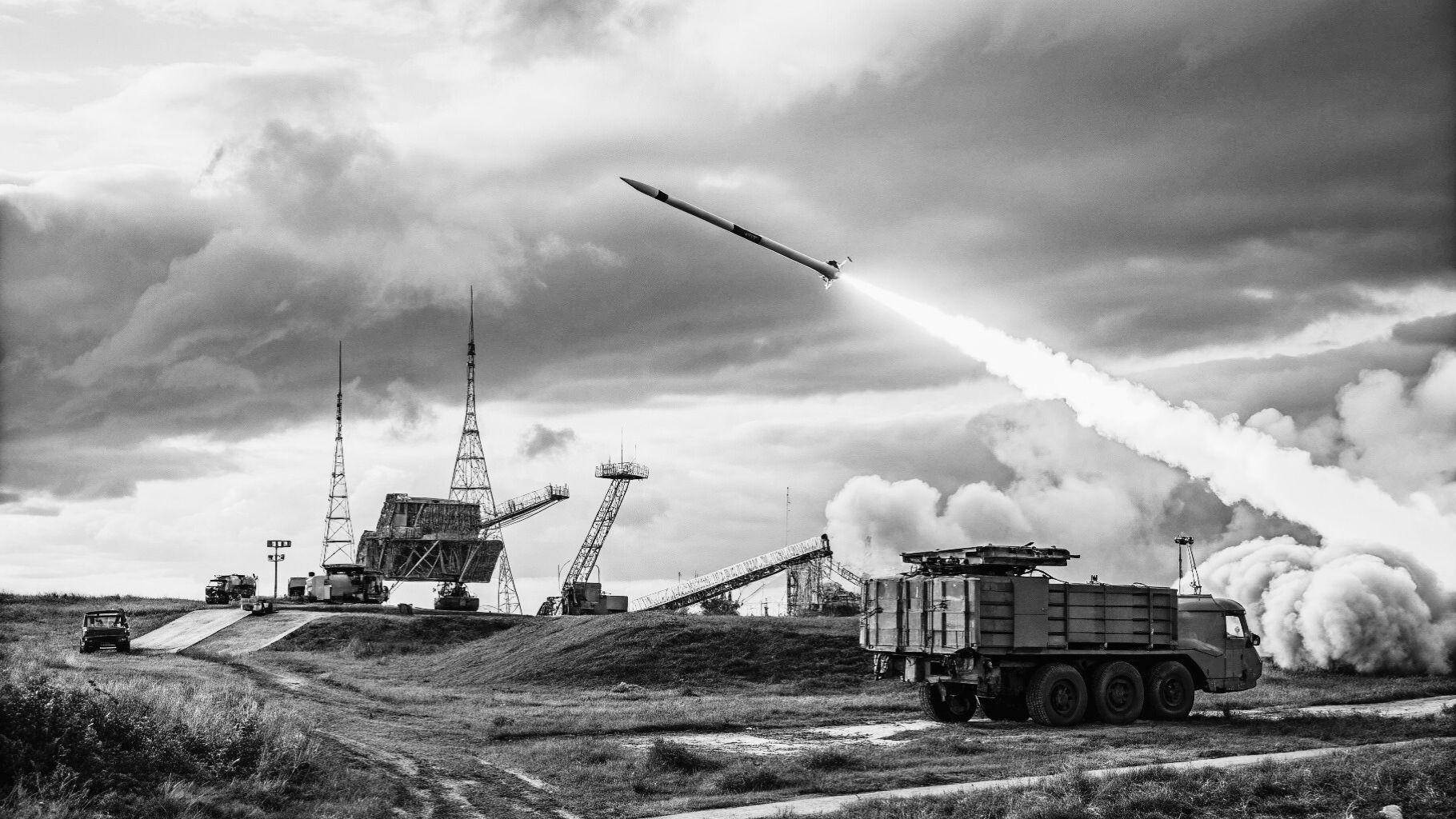
The Pralay missile is increasingly becoming one of the most important conventional strike systems in India’s military inventory. Developed indigenously by DRDO, the canisterised short-range quasi-ballistic missile has been designed to provide precision strike capabilities against high-value targets while filling the gap between tactical rocket artillery systems and strategic ballistic missiles.
Currently manufactured by Bharat Dynamics Limited (BDL), the missile is expected to see a significant rise in demand over the coming years. To meet future requirements, India may consider expanding production beyond BDL by incorporating capable private-sector defence companies into the manufacturing ecosystem.
Industry participation is already an integral part of the programme. A number of Indian MSMEs are reportedly supplying critical components, including structural assemblies, specialised mechanical parts, and customised electrical systems for missile launch platforms. Their involvement demonstrates the growing contribution of private industry to India’s indigenous missile programmes.
Demand for the Pralay missile is expected to increase further if India proceeds with plans to establish a dedicated Rocket Force. Such a formation would require a substantial inventory of ready-to-fire tactical missiles capable of rapidly engaging strategic targets such as command headquarters, logistics nodes, radar installations, airfields, and other critical military infrastructure. Scaling production to support these requirements may necessitate a broader industrial base than a single manufacturer can provide.
The Indian military has already sanctioned the procurement of 370 Pralay missiles, reflecting the system’s rising importance in the country’s conventional deterrence strategy. The first procurement package, approved in December 2022, involved 120 missiles intended primarily for the Indian Air Force to enhance its capability for precision attacks against high-value targets.
A second and significantly larger order for 250 missiles was approved in 2023 at a cost exceeding ₹7,500 crore. These missiles are intended to equip dedicated Army missile regiments, providing a major boost to India’s long-range conventional strike capabilities.
The scale of these acquisitions signals Pralay’s transition from a developmental project to a fully operational battlefield asset. If future force structure plans include a dedicated Rocket Force and expanded tactical missile inventories, demand could rise considerably beyond the currently approved orders. Involving private manufacturers alongside BDL would not only increase production capacity but also improve supply-chain robustness and reinforce India’s push toward defence self-reliance under the Aatmanirbhar Bharat framework.