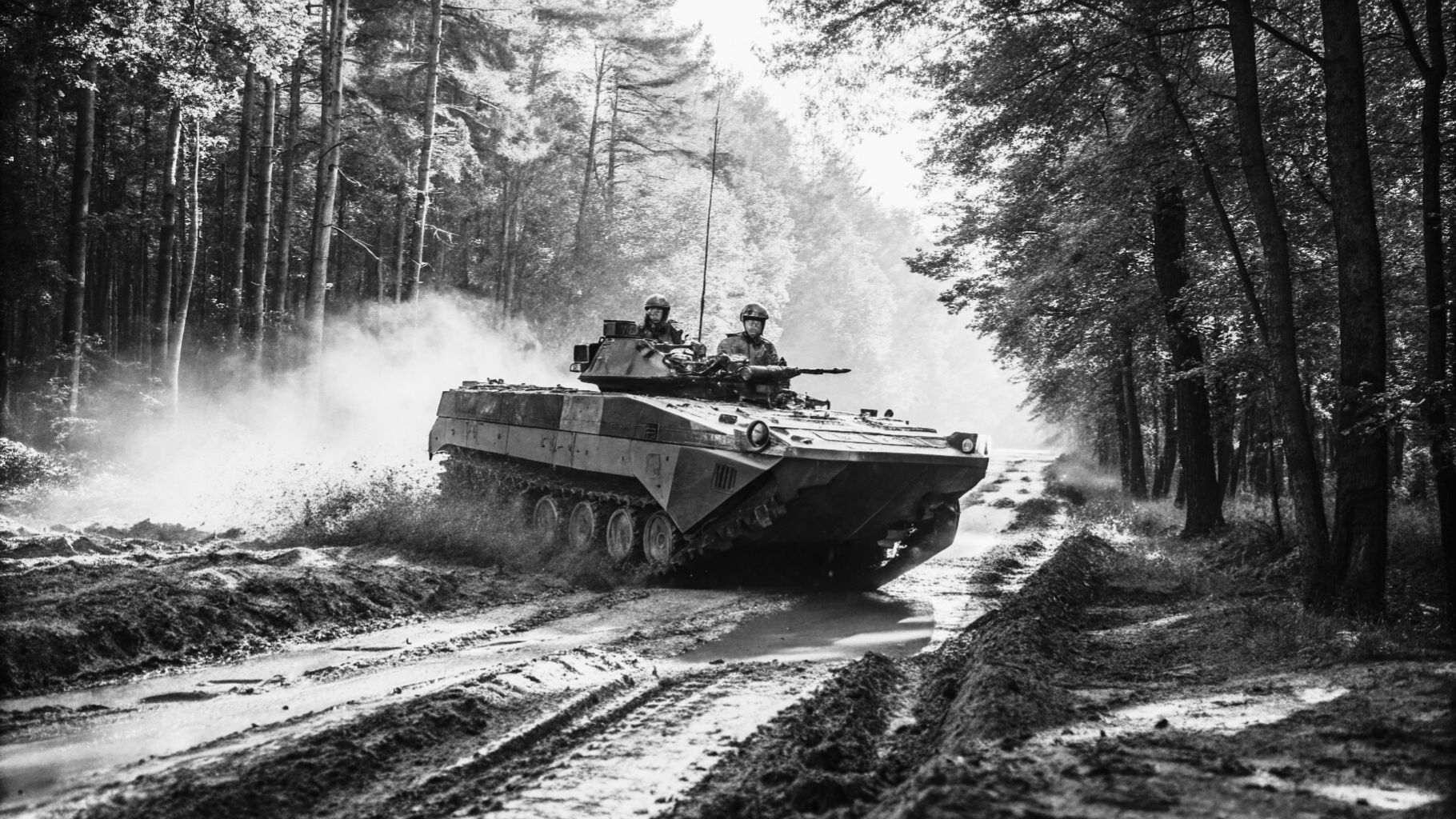
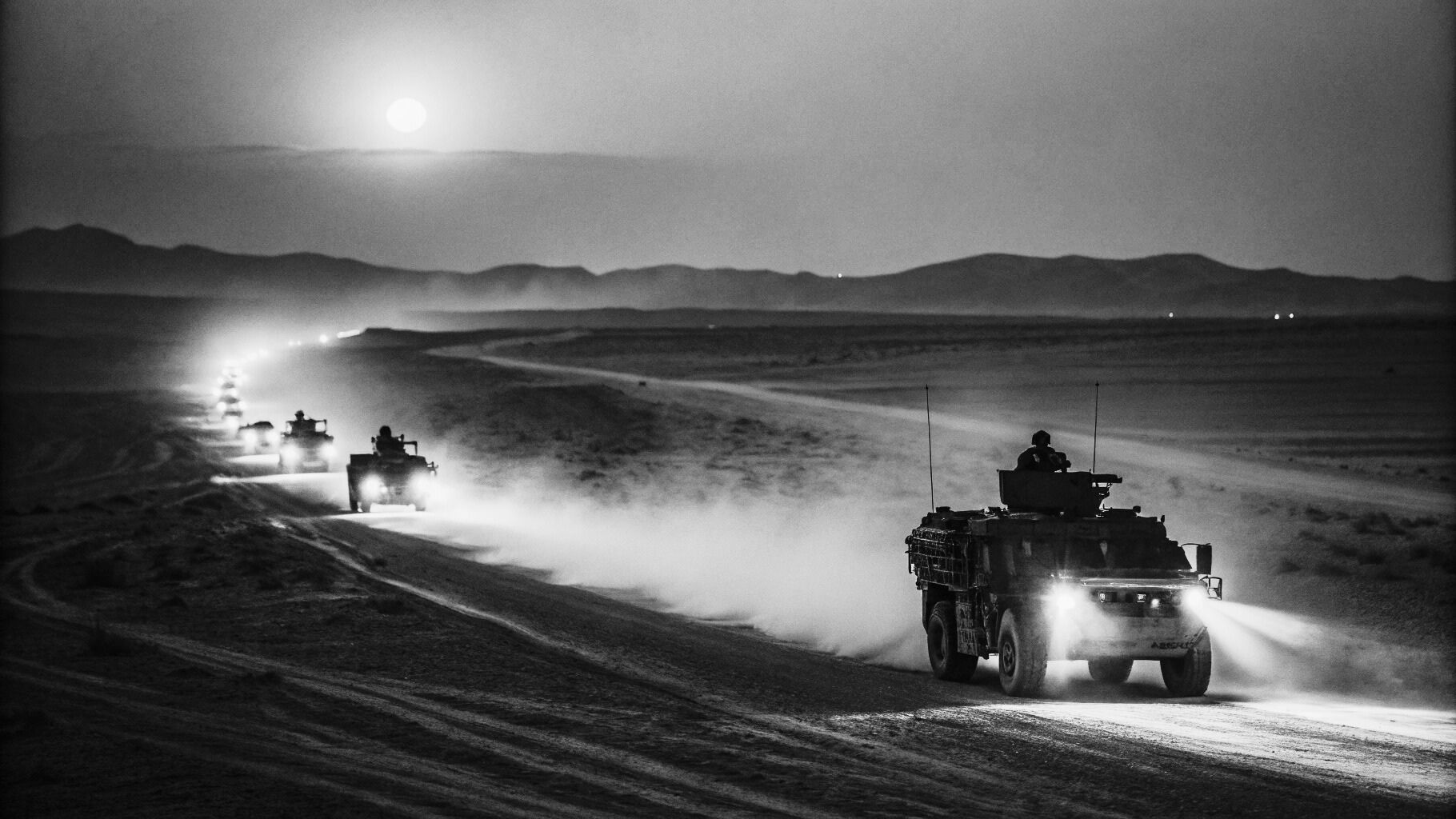
Indian Army has launched a major procurement initiative by issuing a Request for Information (RFI) for 159 Bullet Proof Troop Carriers (BPTCs) intended for deployment with Rashtriya Rifles units and associated headquarters formations.
The move represents another step toward improving troop protection capabilities in counter-insurgency and high-risk operational environments while further advancing India’s defense indigenization goals.
The RFI marks the preliminary stage of the acquisition process and is intended to help refine the Service Qualitative Requirements (SQRs) while identifying capable Indian industry partners with the technical expertise and industrial capacity required for the program.
The Army has specified that participating vendors must be capable of sustaining production rates of at least 60 vehicles annually once a contract is awarded, highlighting the importance of scalability and timely induction.
Focus on Indigenous Manufacturing
The procurement falls under the Buy (Indian-IDDM) category of the Defence Acquisition Procedure (DAP) 2020, aligning closely with the government’s Make in India and Atmanirbhar Bharat initiatives.
The Indian-IDDM category prioritizes equipment that is indigenously designed, developed, and manufactured, ensuring maximum domestic value addition while reducing dependence on foreign suppliers.
Companies responding to the RFI have been encouraged to offer fully indigenous solutions that meet the Army’s operational requirements. Where complete indigenization is not possible, vendors must provide justification for alternative procurement categories along with certified details regarding indigenous content levels.
This reflects the Ministry of Defence’s increasing emphasis on verified local manufacturing, technology ownership, and domestic supply-chain development in defense programs.
Operational Requirement for Counter-Insurgency Missions
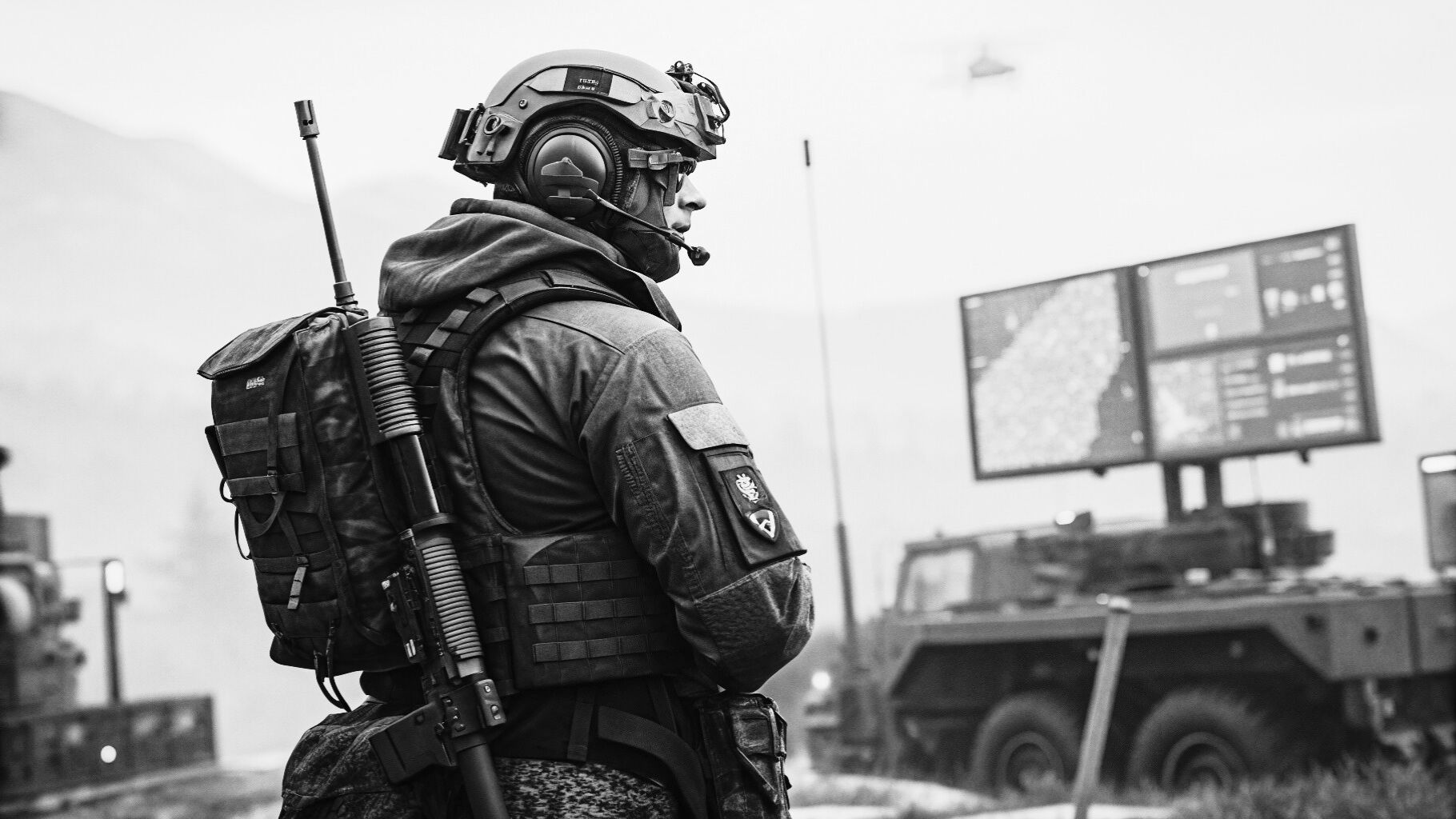
The new BPTCs are particularly important for Rashtriya Rifles formations operating in counter-insurgency environments across difficult terrain and high-threat regions.
The vehicles are expected to offer enhanced protection against small-arms fire, improvised explosive devices (IEDs), and ambush attacks while maintaining mobility, durability, and operational reliability across diverse combat conditions.
By pursuing the program through the Indian-IDDM route, the Army is not only addressing a critical operational requirement but also creating opportunities for domestic defense manufacturers to develop specialized protected-mobility platforms.
The procurement is expected to attract interest from both established state-owned defense enterprises and emerging private-sector companies, potentially increasing competition and innovation within India’s defense-industrial ecosystem.