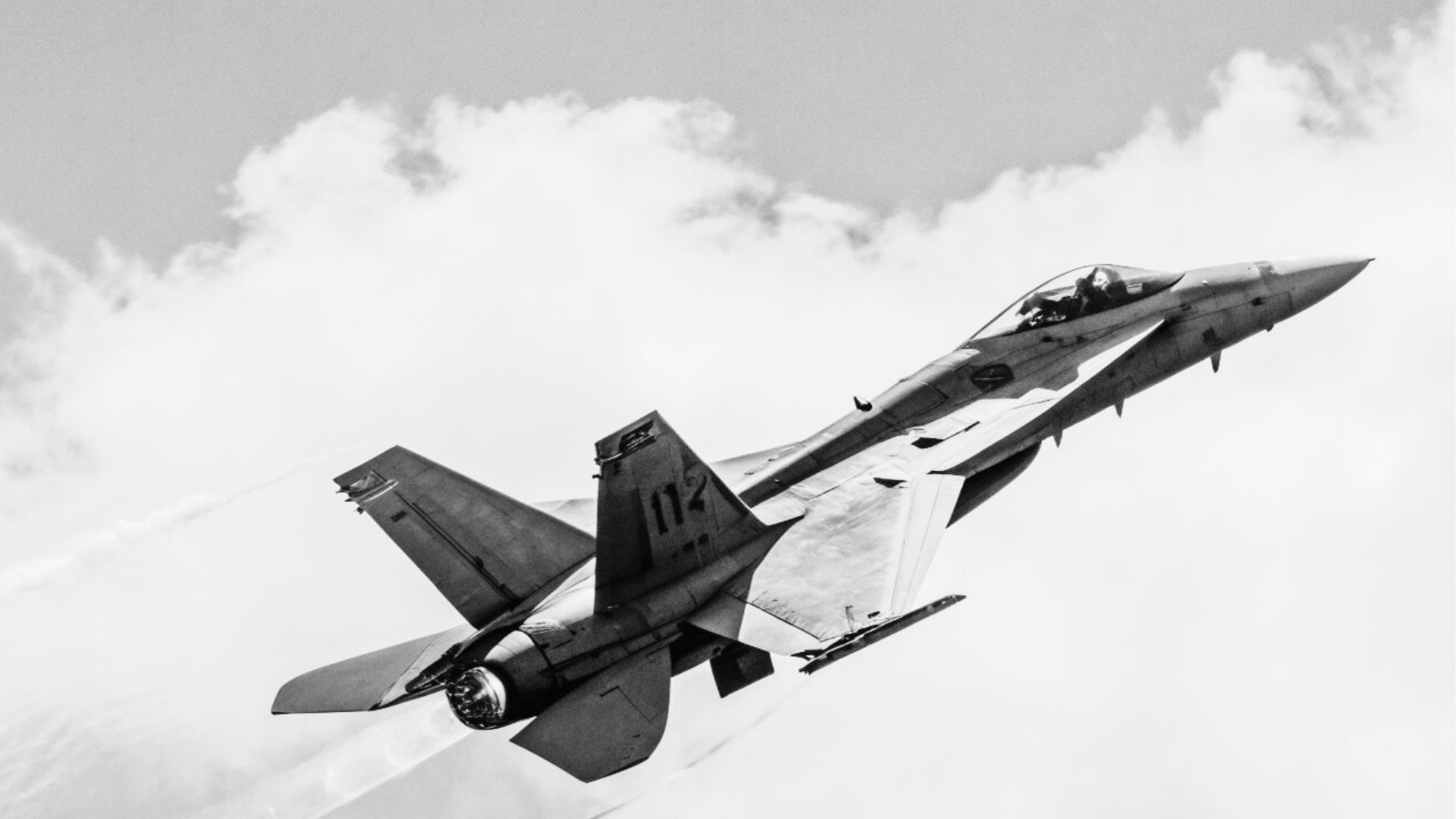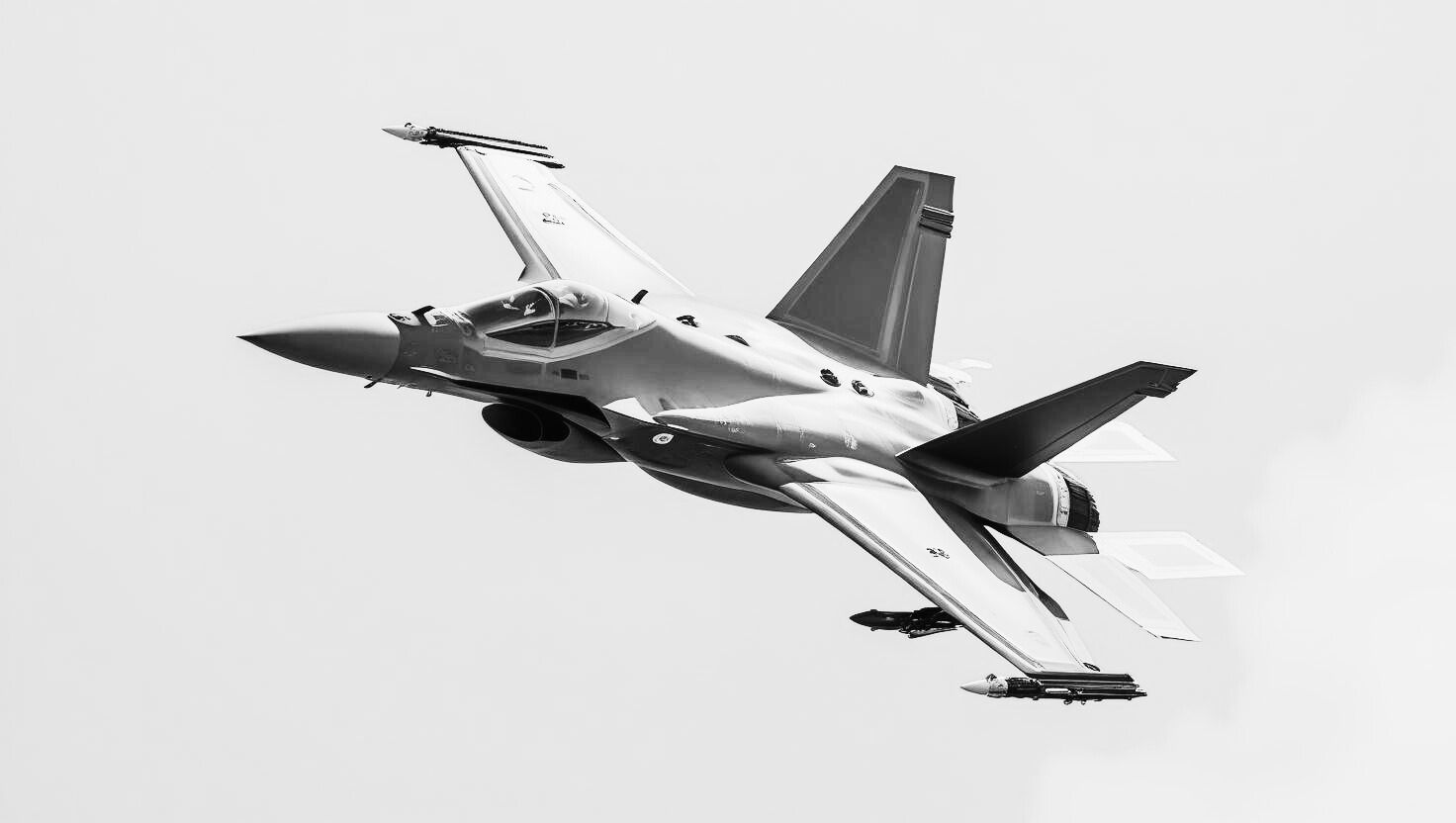
India and France are moving closer to concluding a $22 billion agreement for the procurement of 114 additional Rafale multirole fighter aircraft, but negotiations continue to face significant hurdles over radar intellectual property rights (IPR) and access to critical source code. According to sources familiar with the discussions, these unresolved issues could delay the deal at a time when the Indian Air Force (IAF) is grappling with a declining fighter squadron strength.
The proposal, submitted by the IAF to the Ministry of Defence (MoD) earlier this year, seeks to acquire the aircraft through a government-to-government (G2G) arrangement, bypassing the competitive Multi-Role Fighter Aircraft (MRFA) tender. The plan also envisions more than 60% indigenous content, with local production taking place at Dassault Aviation’s joint venture facility in Nagpur.
However, defence sources indicate that two major issues remain unresolved. The first concerns the intellectual property rights associated with the RBE2-AA Active Electronically Scanned Array (AESA) radar. Dassault Aviation has reportedly maintained that ownership of the radar’s intellectual property rests solely with its French partner, Thales, limiting India’s ability to independently modify or replace the system.
The second challenge involves access to the aircraft’s highly protected source code, which controls the mission computer, sensor fusion architecture, and weapons management system. French export restrictions surrounding the software have raised concerns that India would remain dependent on Dassault for integrating indigenous weapons such as the Astra beyond-visual-range air-to-air missile and the Rudram anti-radiation missile, as well as for future capability upgrades throughout the aircraft’s service life.
According to sources, the MoD is considering a compromise by seeking access to the Interface Control Document (ICD) rather than the complete source code. The ICD defines how the aircraft’s hardware and software communicate with external systems by specifying interfaces, electrical connections, communication protocols, and data formats. Unlike the source code, however, the ICD provides integration specifications without exposing the aircraft’s underlying software architecture.