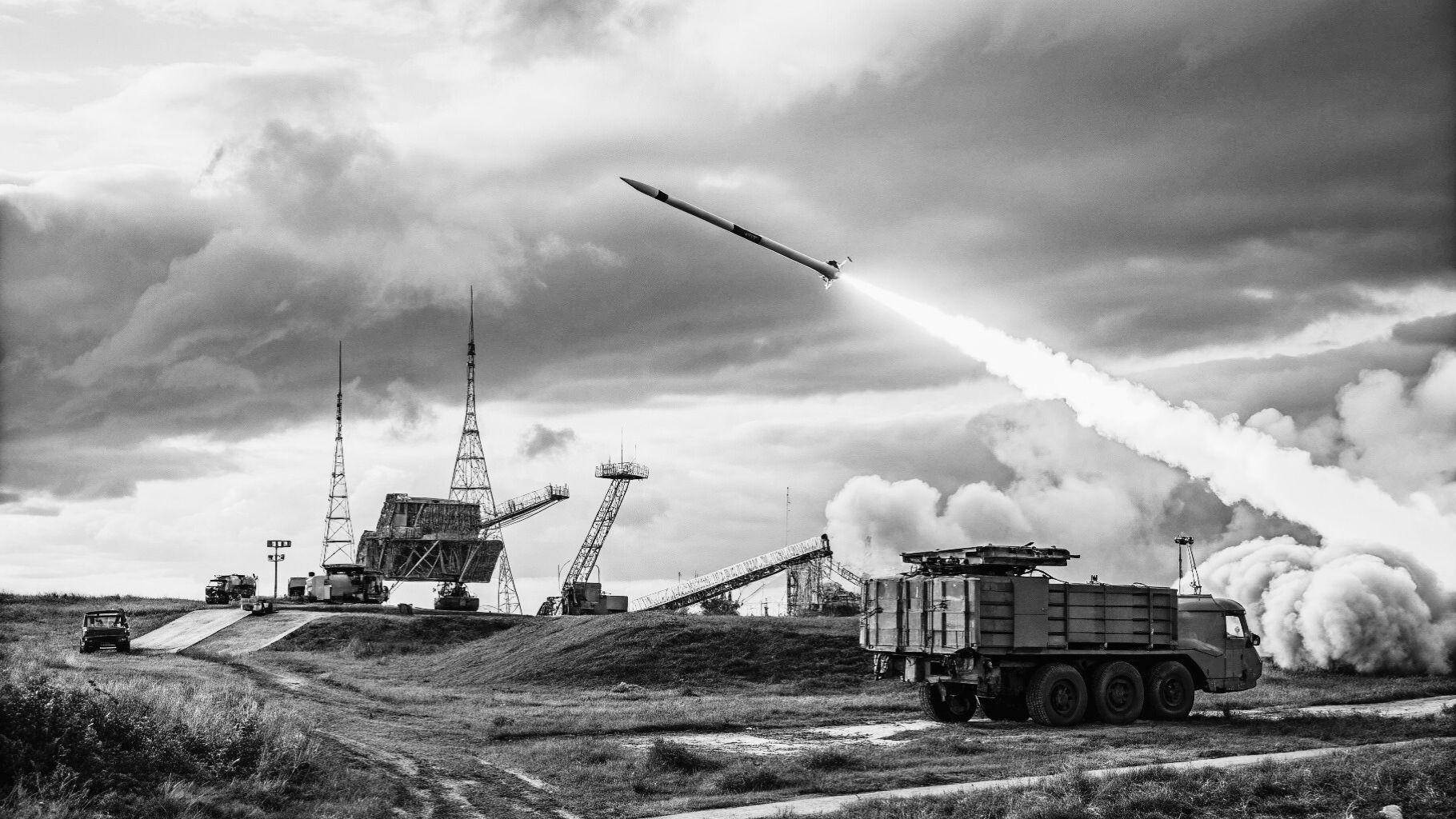
As India’s Extended Trajectory Long Duration Hypersonic Cruise Missile (ET-LDHCM) program advances, defense researchers are exploring the possibility of developing an air-launched version that could be integrated with future Indian Air Force combat aircraft. Such a capability would significantly enhance India’s long-range precision-strike options while leveraging next-generation hypersonic propulsion technologies.
According to sources familiar with ongoing studies, the proposed air-launched ET-LDHCM, often referred to as a hypersonic “Waverider,” could employ a Dual-Mode Ramjet (DMRJ) propulsion system. This advanced engine architecture combines ramjet and scramjet operating principles within a single propulsion unit, enabling efficient flight across both supersonic and hypersonic speed regimes.
Unlike conventional missile systems that carry both fuel and oxidizer, air-breathing hypersonic weapons utilize atmospheric oxygen during flight. This approach improves fuel efficiency and extends range, though it also introduces the challenge of maintaining stable combustion while transitioning between different flight speeds. The Dual-Mode Ramjet has been designed specifically to address this challenge.
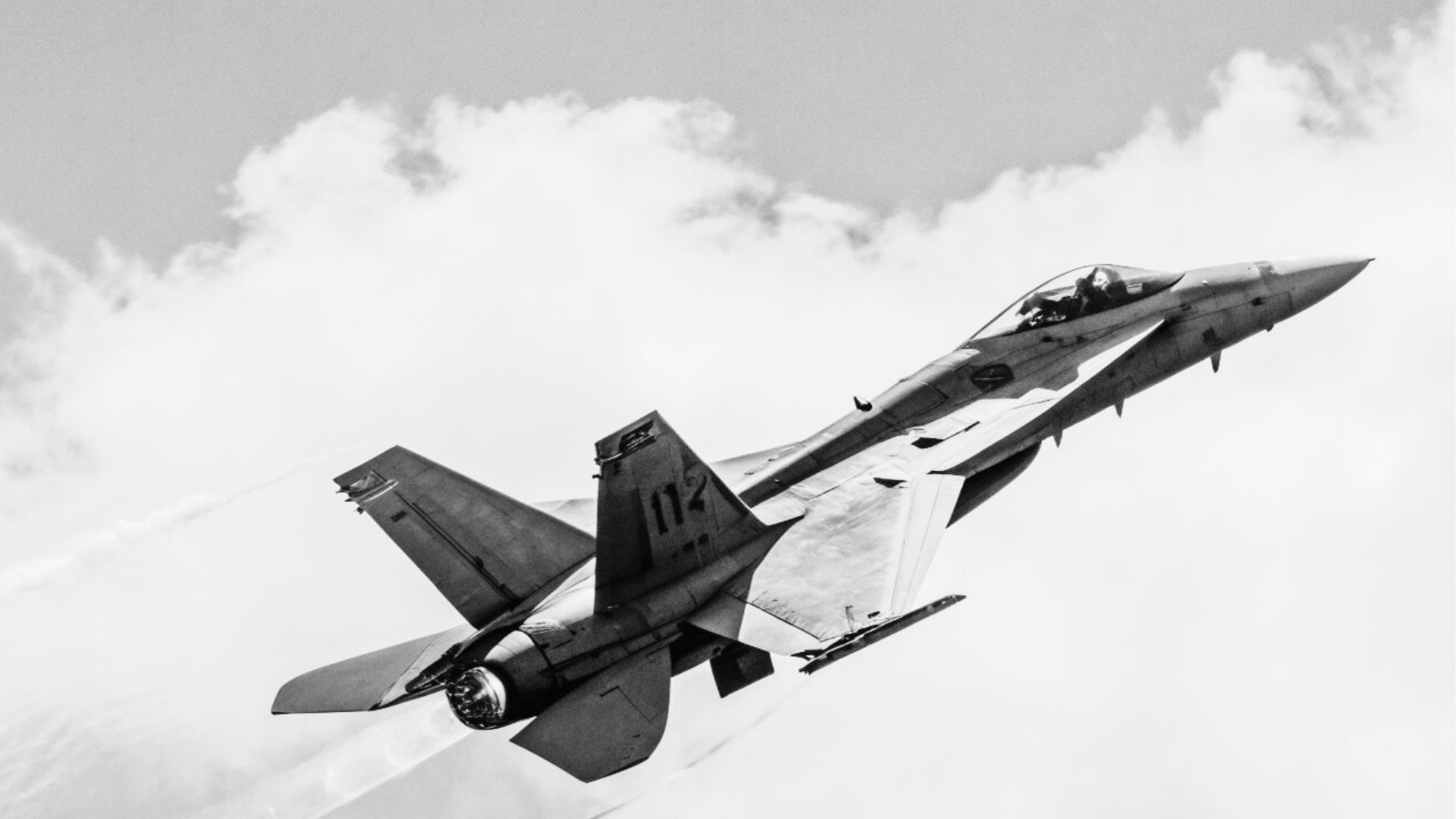
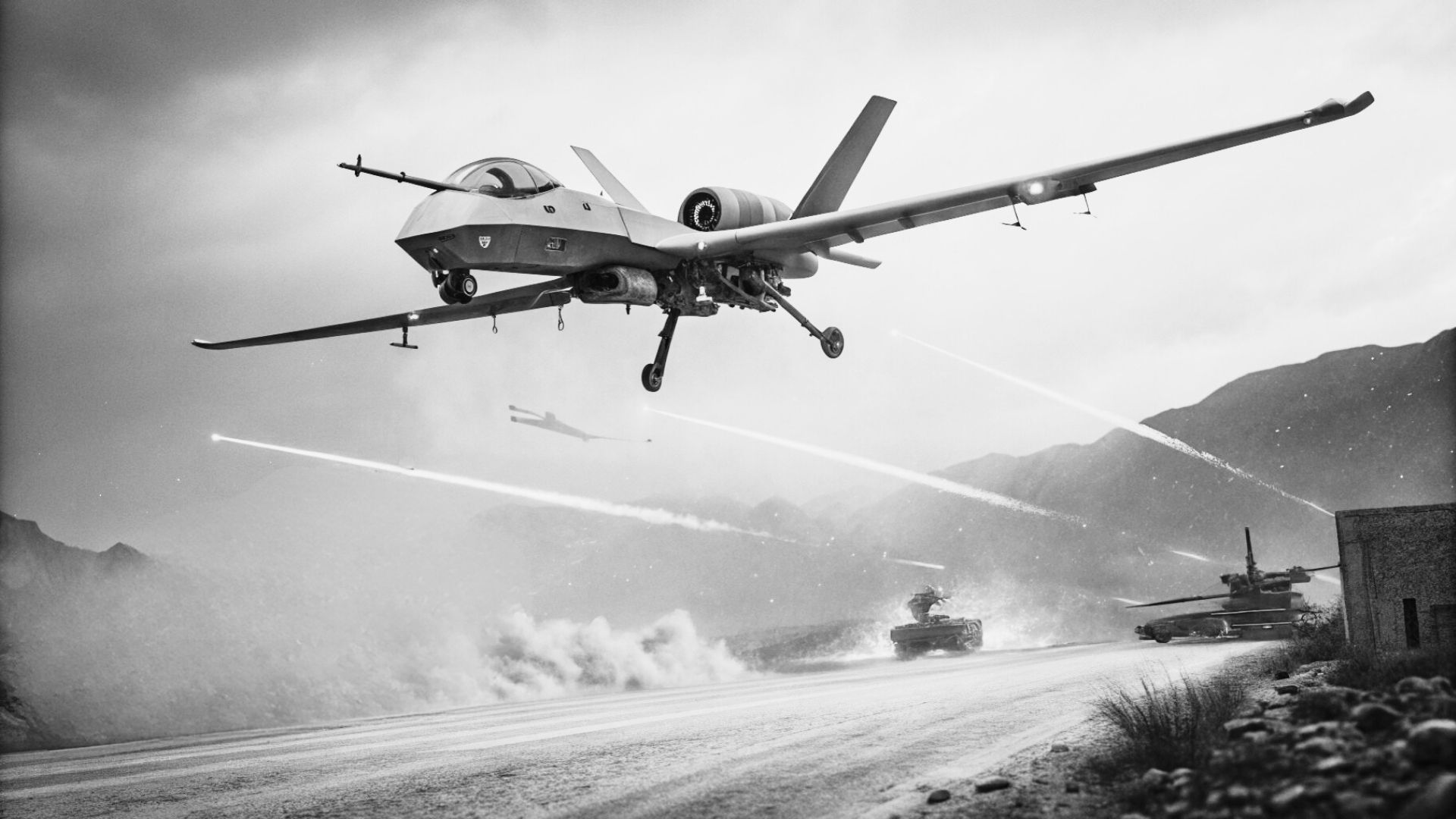
Under the proposed concept of operations, the missile would be launched from aircraft such as the Su-30MKI, Rafale, the future Twin Engine Deck Based Fighter (TEDBF), or the Advanced Medium Combat Aircraft (AMCA). After release, a solid rocket booster would accelerate the missile to roughly Mach 3, providing the velocity necessary for air-breathing propulsion to begin.
This initial boost phase is essential because ramjet engines cannot produce thrust from a stationary condition and require substantial forward speed to compress incoming air for combustion. Once the missile reaches the required velocity, the propulsion system transitions into ramjet mode.
During this phase, engine inlets slow incoming airflow from supersonic to subsonic speeds before it enters the combustion chamber. Fuel is injected into this airflow and ignited, generating thrust while simultaneously producing extremely hot gases that prepare the propulsion system for the next stage of flight. This process effectively conditions the engine and airflow environment for the transition to scramjet operation.
As the missile accelerates beyond Mach 5, conventional ramjet performance begins to decline due to the aerodynamic penalties associated with slowing airflow to subsonic speeds. At this point, the engine shifts into scramjet mode.
In a scramjet, airflow remains supersonic throughout the combustion process. Rather than reducing airflow speed, the engine sustains stable combustion within a supersonic airstream, enabling efficient propulsion at hypersonic velocities. This capability supports sustained flight well above Mach 5 and is considered one of the most demanding technological achievements in aerospace engineering.
Complementing the propulsion system would be a Waverider aerodynamic design optimized specifically for hypersonic flight. Instead of minimizing the powerful shockwaves generated at extreme speeds, the Waverider configuration harnesses them to improve aerodynamic performance.
As the vehicle moves through the atmosphere, compression shockwaves form beneath its body. The airframe is shaped to ride these shockwaves, trapping high-pressure air underneath and converting it into additional lift. This significantly improves aerodynamic efficiency by increasing the lift-to-drag ratio, resulting in greater range, enhanced maneuverability, and improved fuel economy.
The Waverider concept also reduces reliance on large external control surfaces, which become increasingly inefficient and thermally stressed at hypersonic speeds. By generating lift through shockwave interaction, the design minimizes drag while maintaining flight control effectiveness.
An air-launched ET-LDHCM would offer India several operational advantages. Launching from a fighter aircraft provides initial altitude and velocity benefits, enabling the missile to enter hypersonic cruise more efficiently than ground-launched systems. The combination of aircraft combat radius and missile range would also substantially expand strike reach.
Such a weapon could allow Indian fighter aircraft to engage heavily defended targets from stand-off distances beyond the coverage of many conventional air-defense networks. Potential targets could include command and control centers, hardened military facilities, naval combatants, and integrated air-defense systems, significantly strengthening India’s future deterrence and precision-strike capabilities.