Heavy artillery once depended on sheer firepower, often limited by slow logistics and vulnerable firing positions. The evolution of modern warfare shifted the focus toward speed, automation, and operational flexibility rather than simply increasing protection. This transformation led to the development of the CAESAR self-propelled howitzer—engineered to fire rapidly, relocate quickly, and survive in high-threat environments where timing is critical.
Today, CAESAR stands as a proven example of how mobility has redefined artillery warfare. This overview explores its design, development, operational principles, global deployment, and future trajectory.
CAESAR, short for Camion Équipé d’un Système d’Artillerie, is a 155mm/52-caliber wheeled self-propelled howitzer built to deliver long-range, precise firepower while maintaining exceptional mobility. Unlike tracked systems, it is mounted on a truck chassis, combining NATO-standard artillery capabilities with rapid deployment and lower logistical demands. Its shoot-and-scoot functionality allows crews to fire multiple rounds and reposition quickly, minimizing exposure to counter-battery fire.
The concept emerged in the 1990s when France identified a capability gap between towed artillery and heavily armored tracked systems, which were costly and logistically intensive. The solution was a mobile, truck-mounted platform capable of rapid deployment by road, rail, or air while retaining full-caliber effectiveness. Developed by GIAT Industries—now KNDS France—CAESAR entered service in the mid-2000s, with export potential and NATO compatibility as core design priorities.
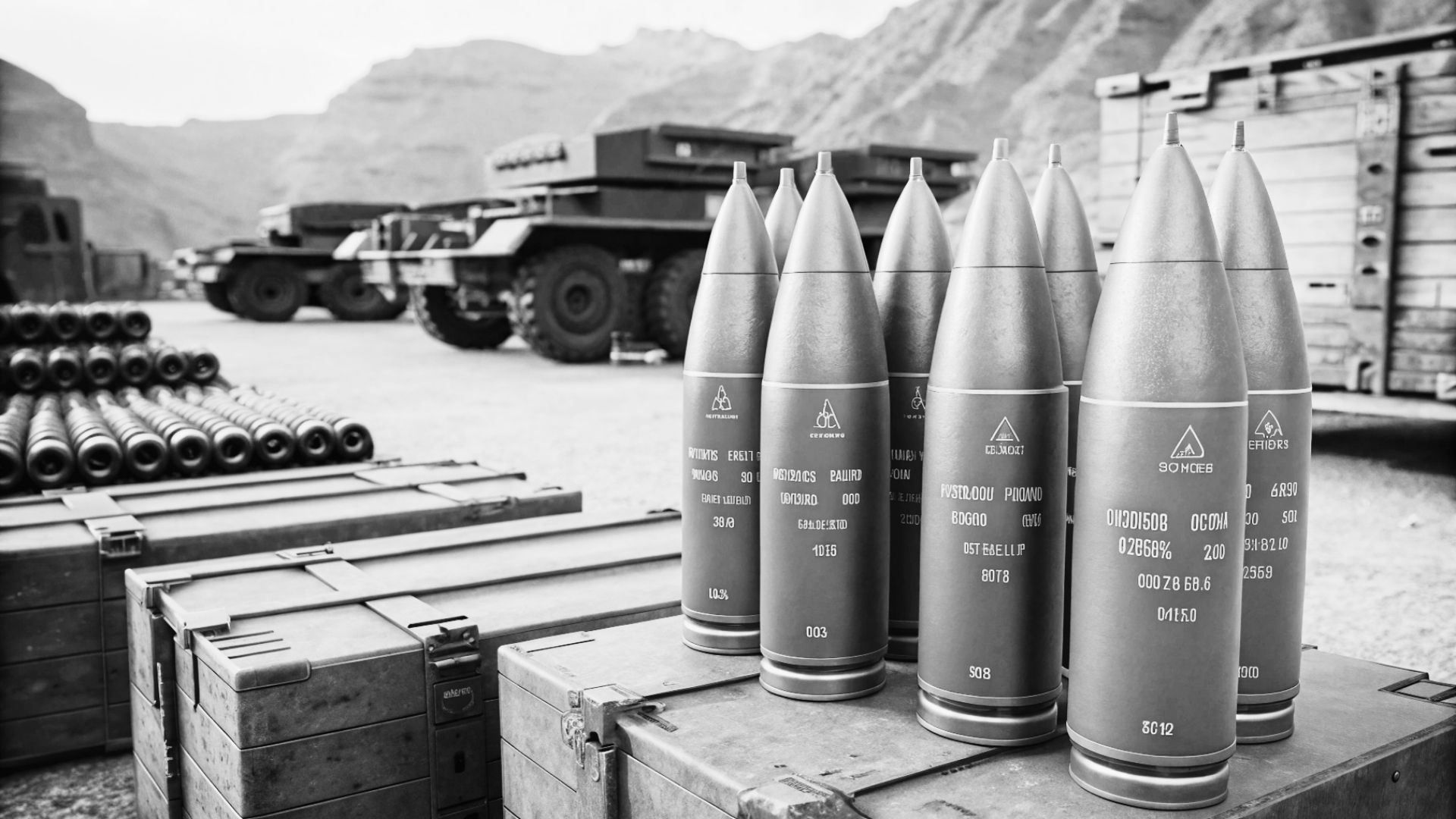
At its core is a 155mm L/52 cannon capable of firing standard and advanced NATO munitions, including extended-range and precision-guided rounds. A digital fire control system enables rapid targeting, automated gun alignment, and efficient mission execution, with effective ranges exceeding 40 kilometers depending on ammunition type.
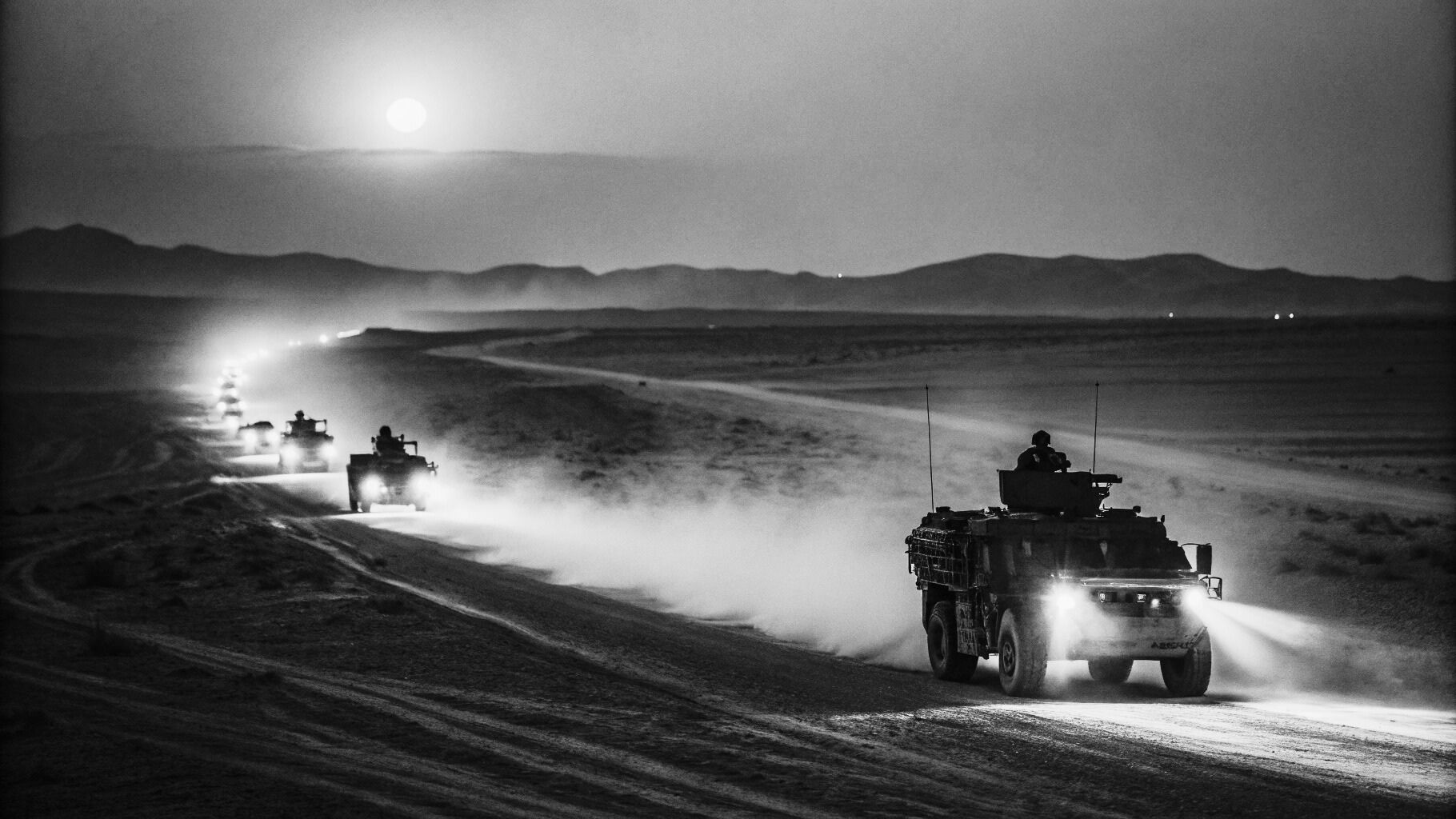
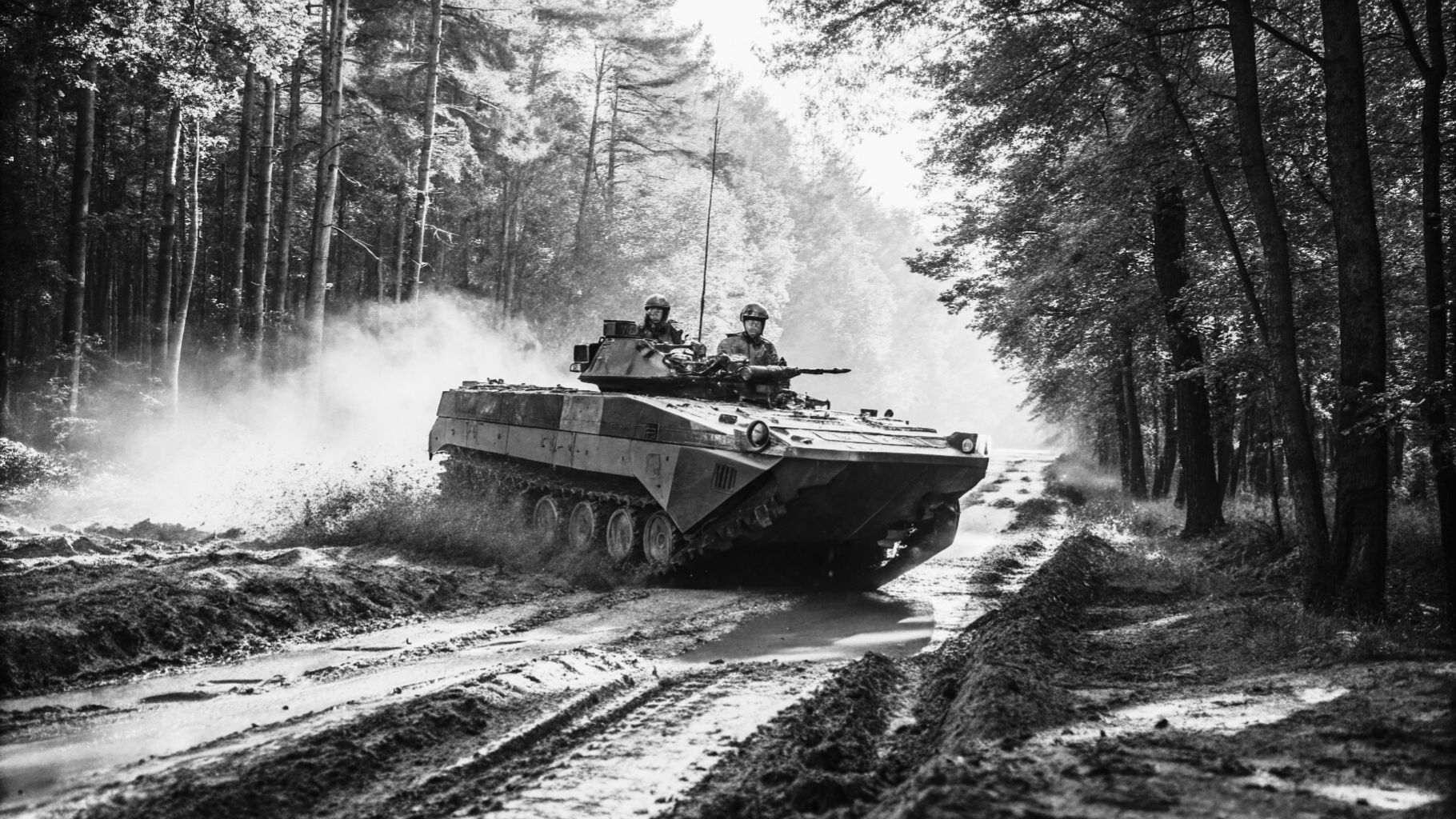
Mounted on 6×6 or 8×8 truck platforms, CAESAR offers high strategic mobility, allowing long-distance self-deployment and rapid air transport. Hydraulic stabilizers enable quick transitions from movement to firing positions, enhancing operational responsiveness.
Its strengths include excellent shoot-and-scoot capability, high mobility with reduced maintenance requirements, NATO interoperability, precision strike capability, and reduced crew size due to automation. However, it has limitations such as minimal armor protection, crew exposure during firing, reduced performance in extreme terrain compared to tracked systems, and dependence on external ammunition resupply.
CAESAR is in service with multiple countries, including France, Estonia, Denmark, Croatia, Lithuania, Colombia, and Ukraine. It has proven effective in expeditionary missions, counter-insurgency operations, and high-intensity conflicts. Its deployment in Ukraine has particularly underscored the importance of mobility and rapid repositioning in modern artillery engagements.
Looking ahead, KNDS France continues to upgrade CAESAR with enhanced crew protection, improved automation, and better integration with network-centric warfare systems. New variants feature upgraded cabins, faster deployment times, and improved connectivity with drones, radar systems, and joint fire networks. Rather than replacing tracked artillery, CAESAR complements it, offering a fast and flexible solution suited to both modern and future battlefields.