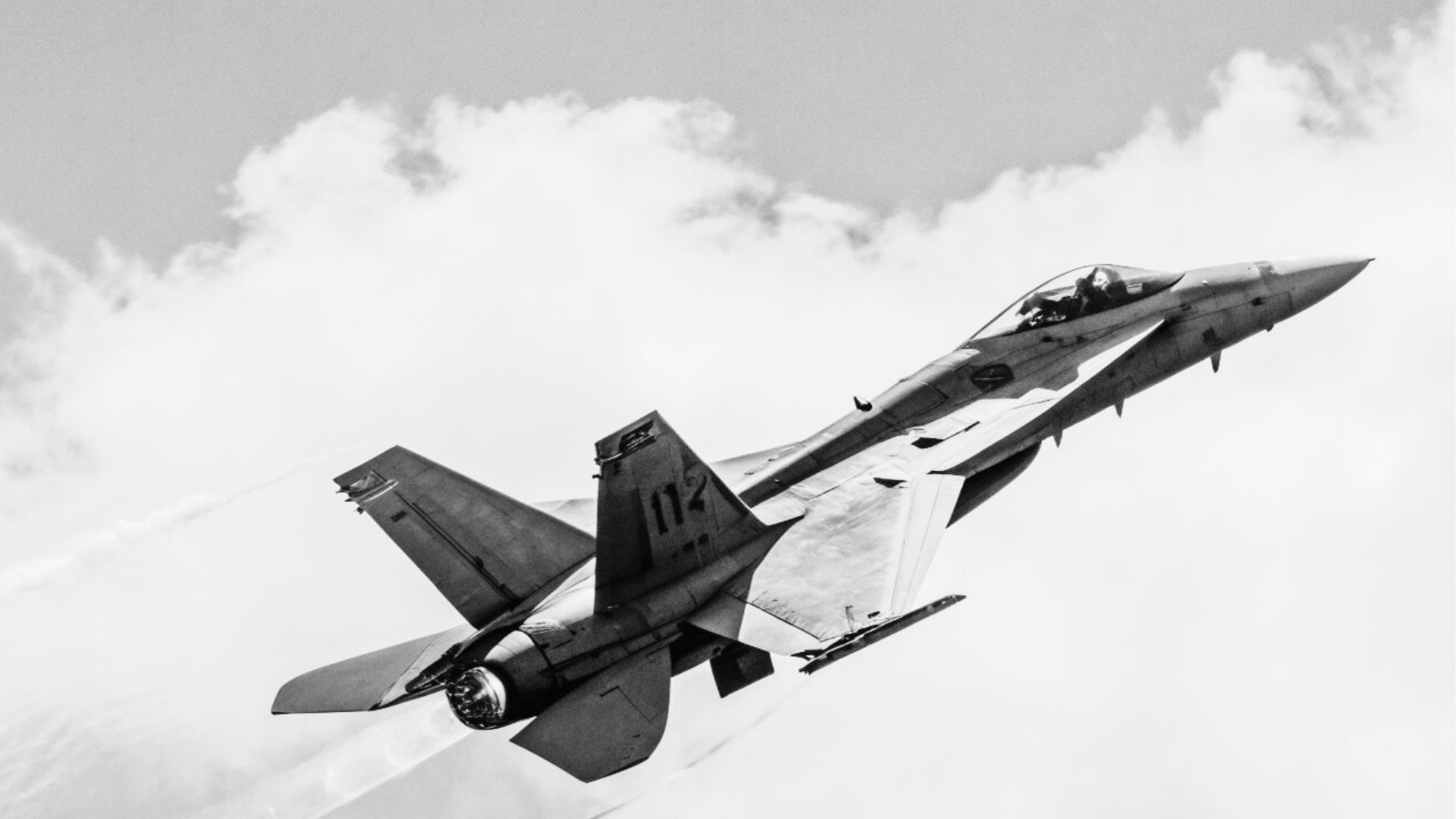
Much of the discussion surrounding the Tejas Mk1A fighter aircraft tends to focus on its active electronically scanned array (AESA) radar, enhanced electronic warfare systems, beyond-visual-range missile capability, and improved maintenance features. Yet one of its most significant future capabilities may receive comparatively little attention: the potential to become India’s first operational fighter aircraft capable of controlling drones and loyal wingman unmanned aerial vehicles (UAVs) during combat operations.
Such a capability would transform the Tejas Mk1A from a conventional lightweight fighter into a network-centric airborne command platform capable of managing autonomous combat assets in real time.
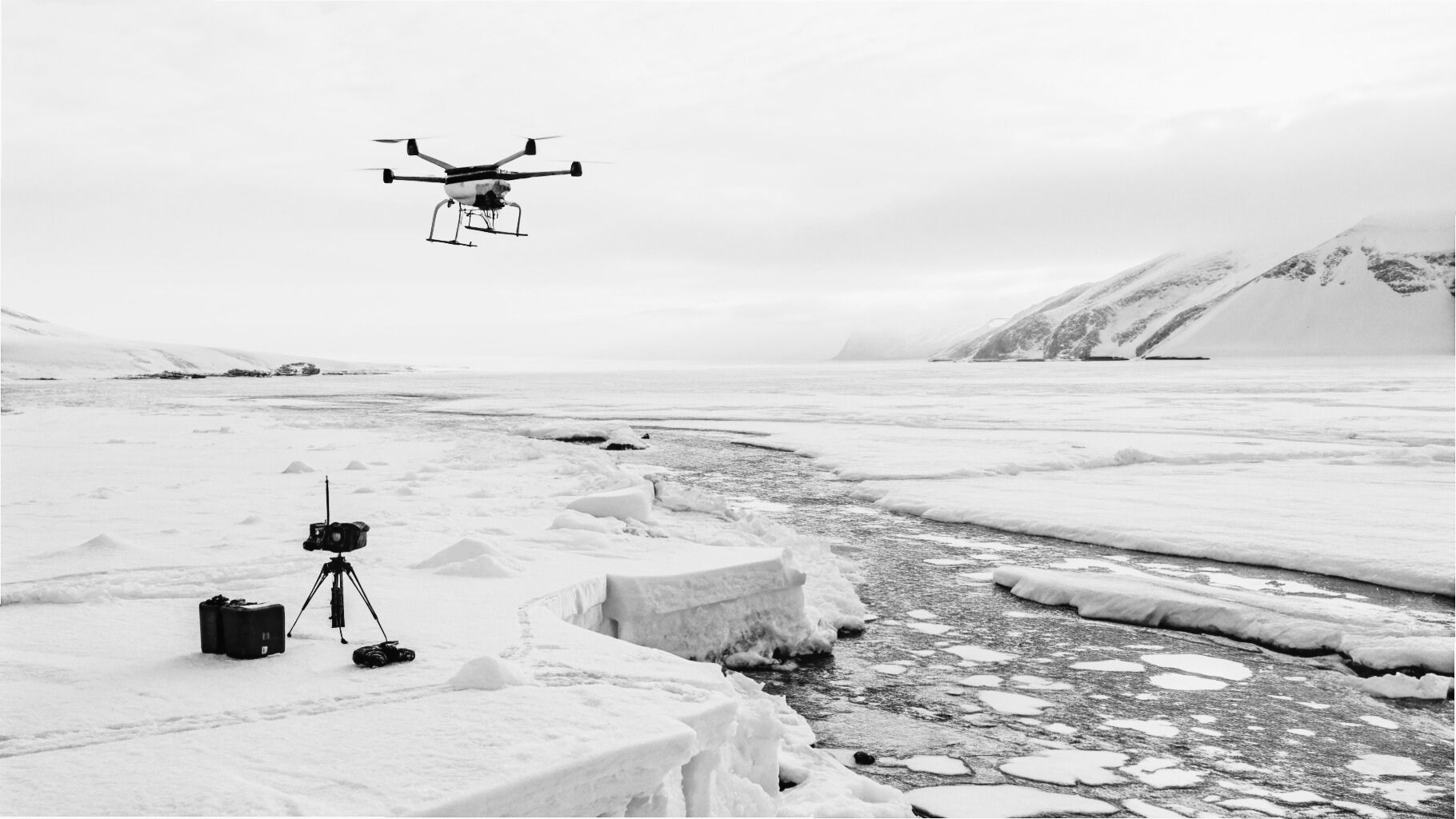
The evolution of modern air warfare is increasingly centered on manned-unmanned teaming (MUM-T), where fighter aircraft operate alongside autonomous drones, loyal wingman systems, and AI-enabled combat platforms. Rather than functioning as isolated aircraft, future fighters are expected to serve as airborne command nodes that coordinate drone swarms, distribute targeting information, and oversee electronic warfare missions.
Several major military powers, including the United States, China, Australia, Russia, and Turkey, are heavily investing in these concepts. India appears to be progressing along a similar path.
While many assume that the future Advanced Medium Combat Aircraft (AMCA) will become India’s first drone-control fighter, the Tejas Mk1A could achieve that role much sooner. The aircraft is entering service earlier, features a modern software architecture, and provides India with extensive control over its mission systems, source code, and datalink infrastructure—advantages that are often unavailable with imported fighter platforms.
This sovereign control over software and systems integration represents one of the key strengths of the indigenous Tejas program. Unlike foreign aircraft that often restrict modifications, Tejas allows India to independently develop AI applications, networking capabilities, mission computer upgrades, and autonomous teaming functions.
The shift reflects a broader transformation in warfare, where success increasingly depends on sensor fusion, information sharing, distributed targeting, and networked operations rather than individual aircraft performance alone. In such an environment, Tejas Mk1A could potentially coordinate reconnaissance drones, receive intelligence feeds from unmanned platforms, assign targets, relay battlefield information, and manage swarm attacks while remaining outside heavily defended enemy airspace.
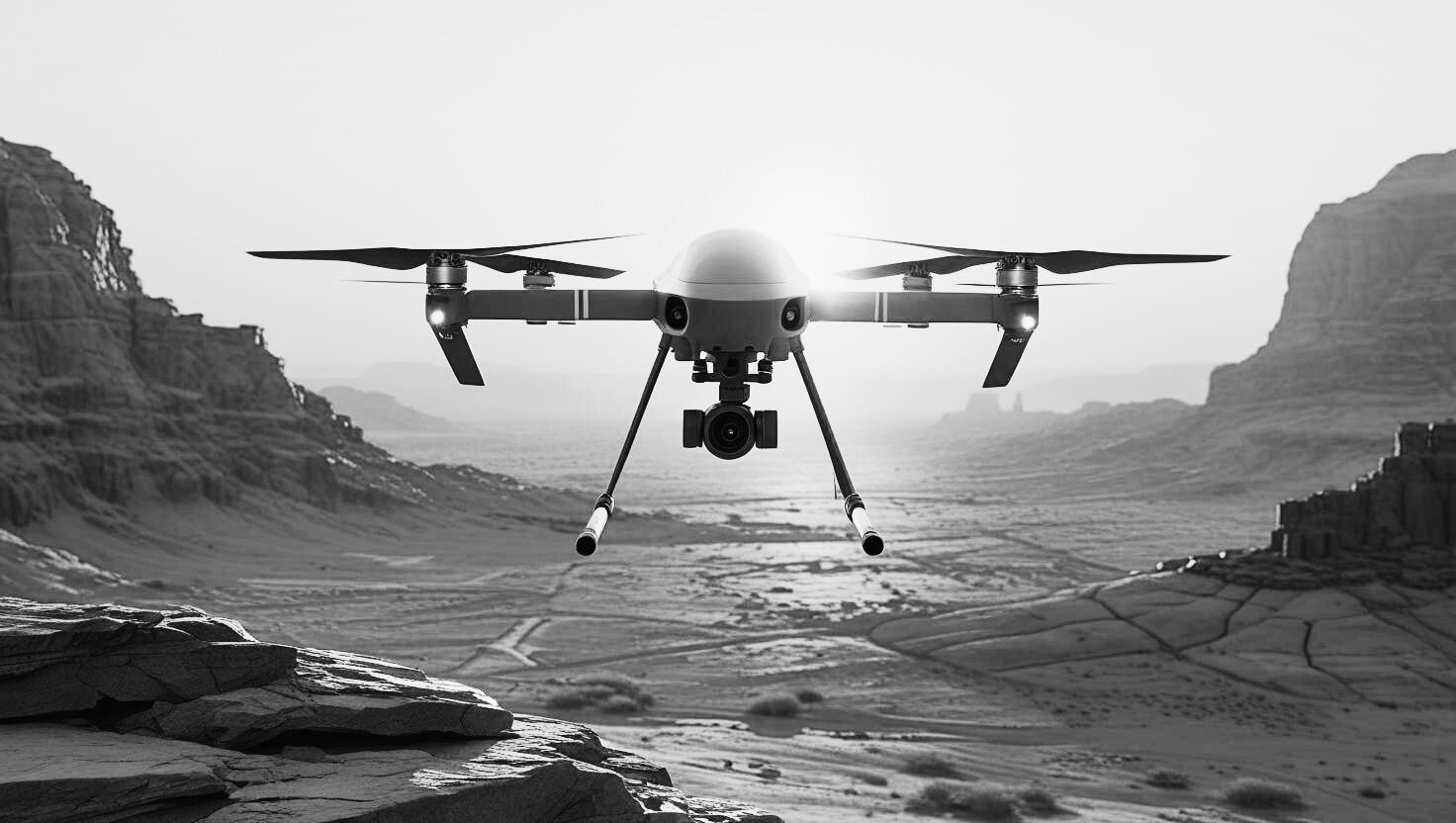
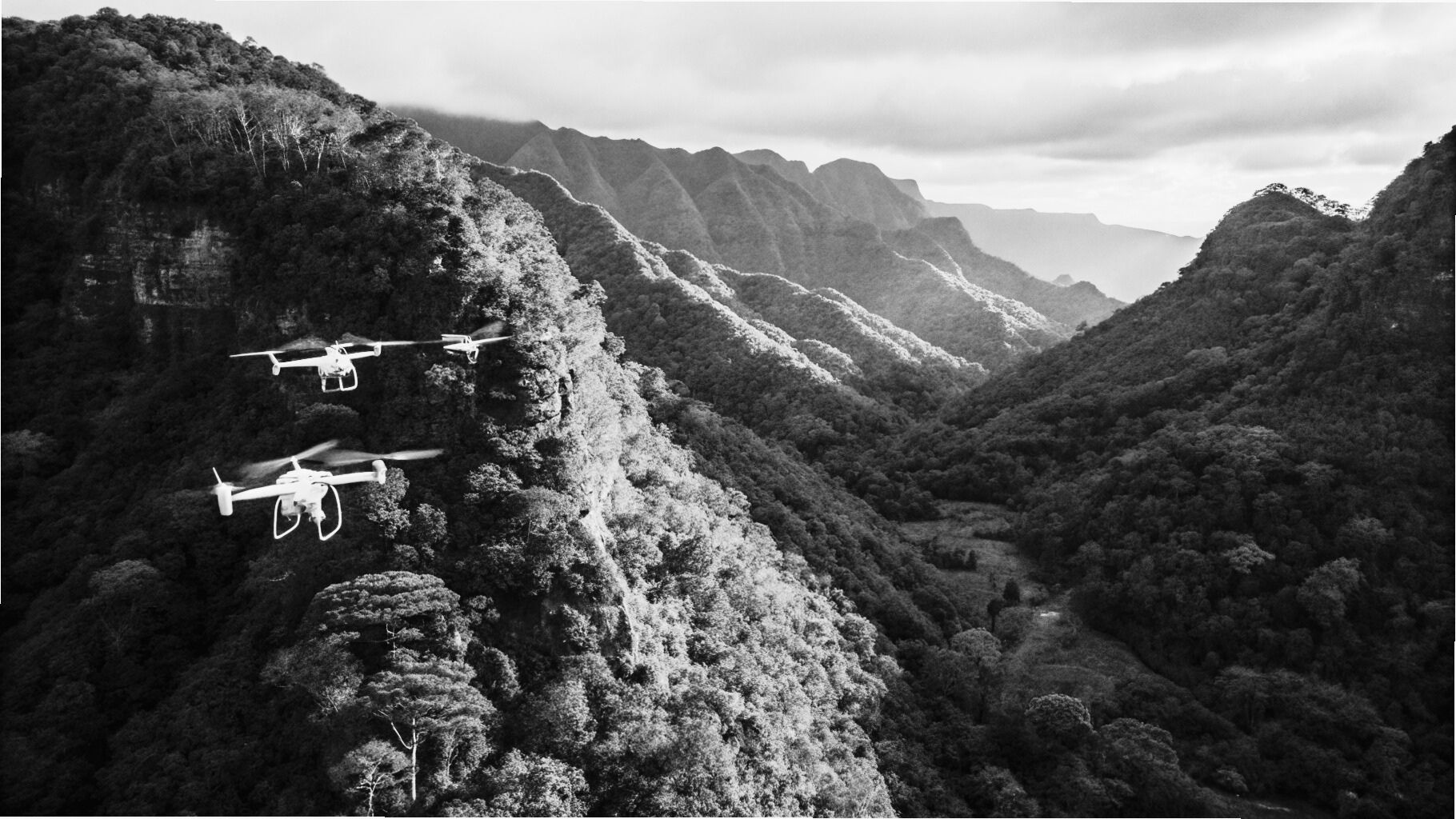
India’s future loyal wingman ecosystem may eventually include stealth drones, electronic warfare UAVs, ISR platforms, decoy systems, and loitering munitions operating in conjunction with Tejas formations. Depending on datalink maturity and mission requirements, a single aircraft could theoretically manage multiple collaborative drones simultaneously.
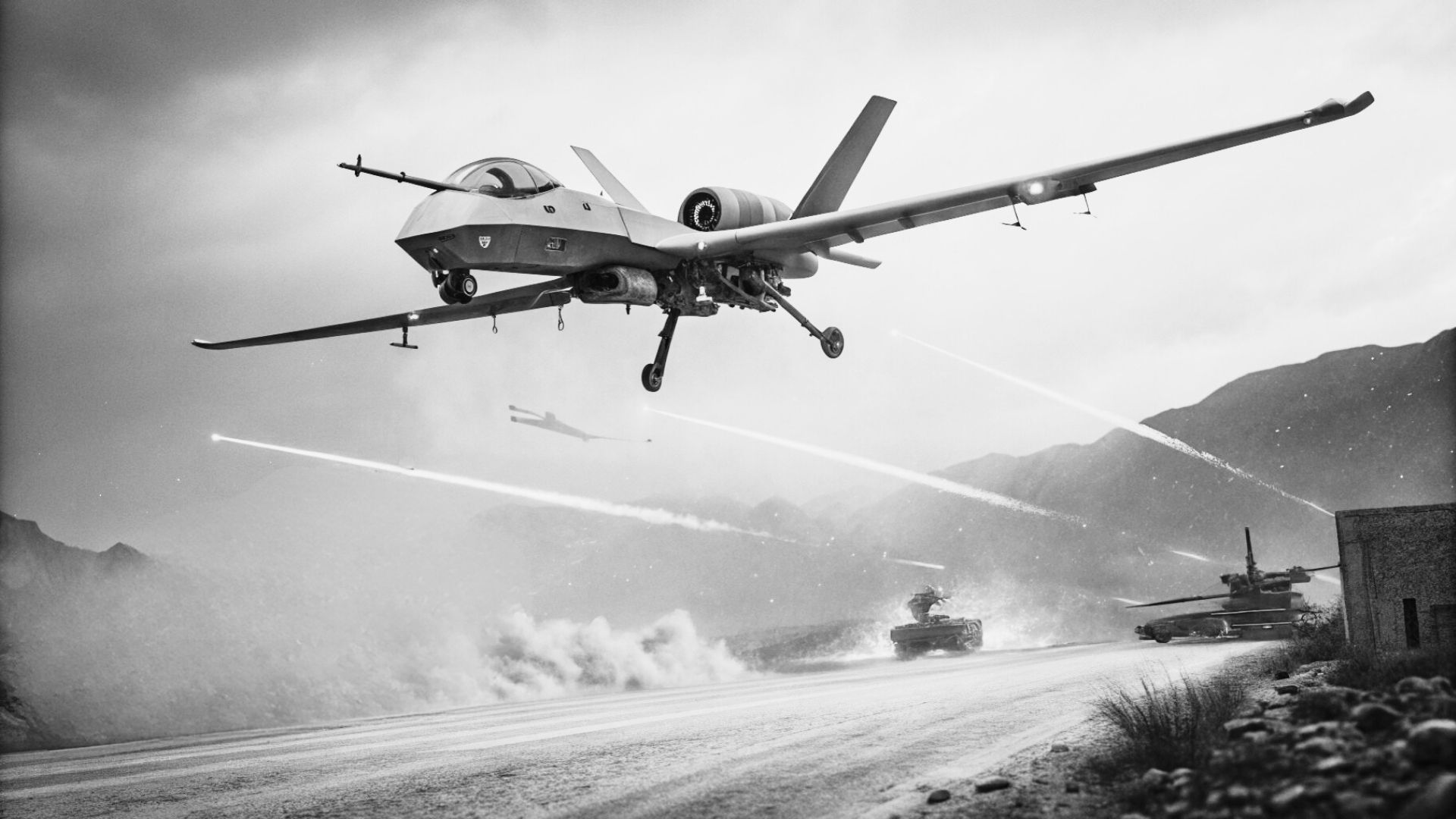
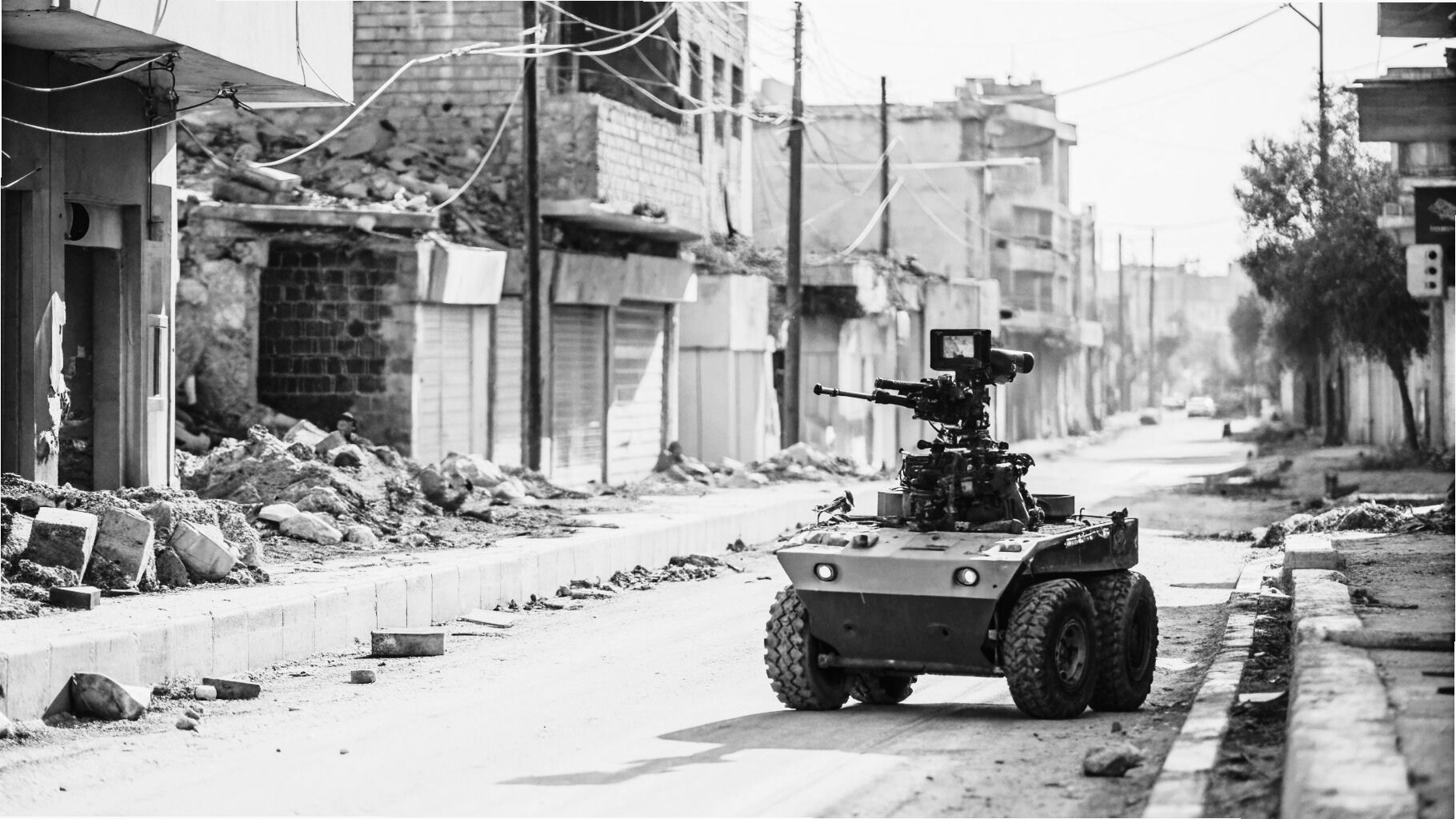
These unmanned systems could undertake specialized missions, with ISR drones conducting deep reconnaissance, electronic warfare UAVs disrupting enemy radar networks, decoy platforms saturating air defenses, and strike drones engaging high-risk targets without exposing manned aircraft to danger.
Such capabilities are particularly relevant when considering China’s growing investments in network-centric warfare, autonomous combat systems, AI-driven aviation, and coordinated drone swarms. Future conflicts may be defined less by traditional fighter-versus-fighter engagements and more by distributed combat networks and autonomous strike operations.
Several Indian defense initiatives already support this vision. Hindustan Aeronautics Limited has introduced the CATS Warrior loyal wingman concept, while indigenous secure datalink programs and battlefield networking projects continue to mature. Meanwhile, DRDO is advancing technologies related to AI-based target recognition, autonomous navigation, and swarm coordination, all of which are critical building blocks for future drone-control fighters.
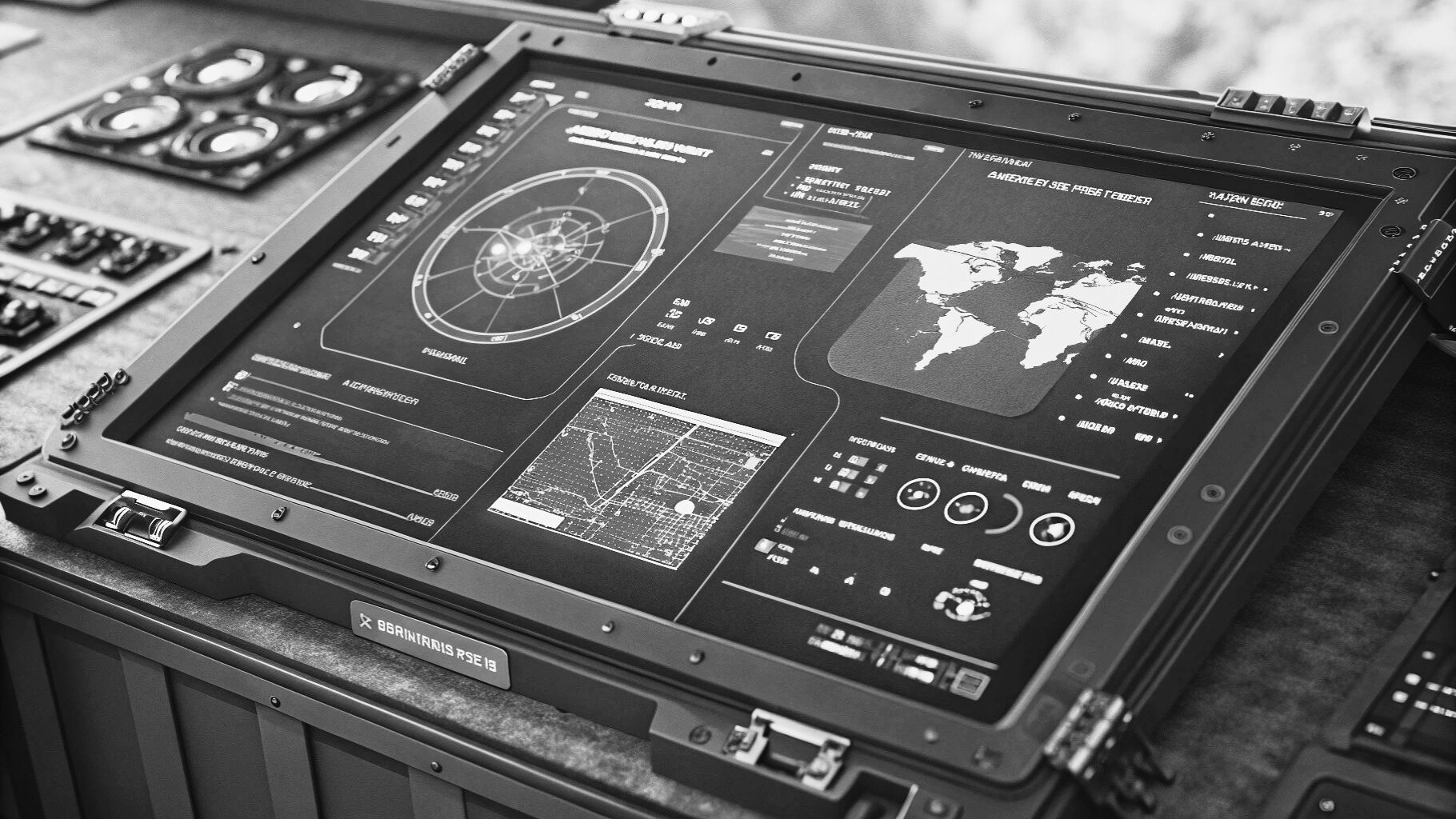
The Tejas Mk1A’s open-architecture design provides a strong foundation for integrating future capabilities such as drone-control interfaces, AI-assisted mission management systems, swarm-control displays, and autonomous target-assignment tools.
In a future Himalayan conflict scenario, Tejas Mk1A formations could potentially operate alongside ISR drones, electronic warfare UAVs, and loitering munitions while remaining at safer stand-off distances. These drones could identify enemy positions, suppress radar systems, conduct strikes, and continuously relay targeting information back to the fighter pilot, significantly expanding the aircraft’s operational effectiveness.