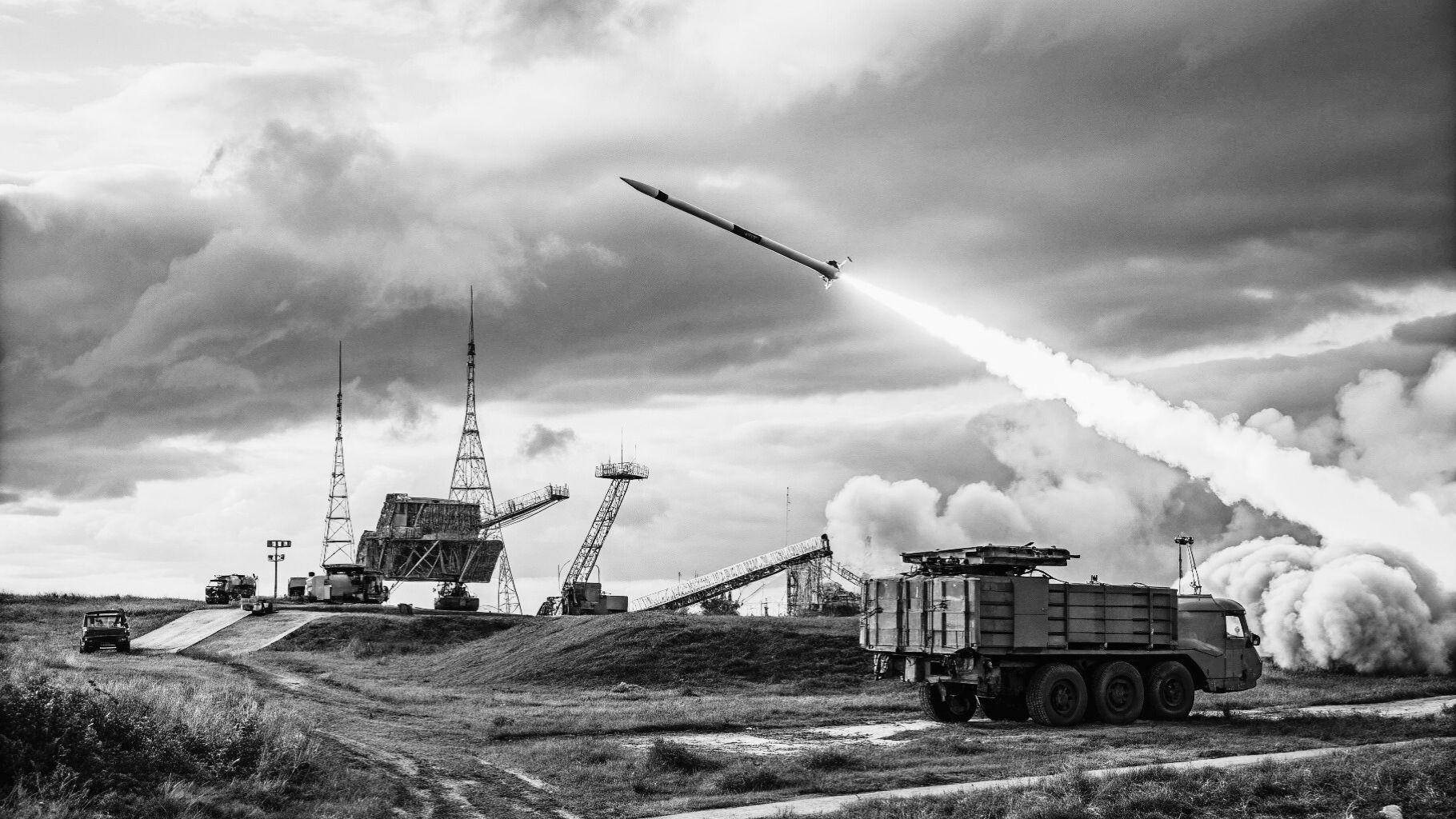
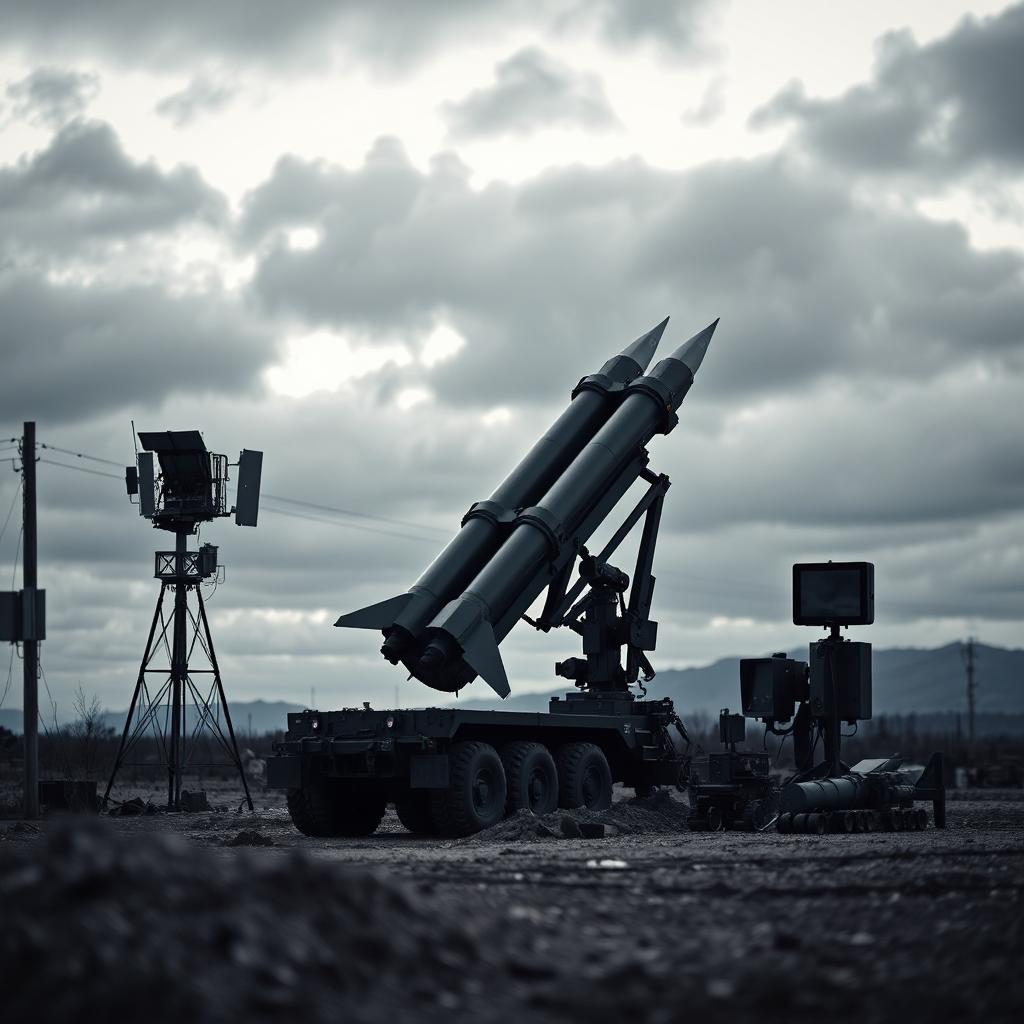
Following the successful completion of Phase-I and Phase-II of India’s Ballistic Missile Defence (BMD) program, the Defence Research and Development Organisation (DRDO) has initiated Phase-III, focusing on countering emerging threats such as hypersonic weapons and Multiple Independently Targetable Re-entry Vehicles (MIRVs). The latest phase marks a significant advancement in India’s missile defense capabilities as it adapts to increasingly sophisticated strategic weapons.
Unlike the earlier phases, which primarily targeted ballistic missiles following predictable flight paths, Phase-III is designed to intercept highly maneuverable, high-speed threats capable of altering their trajectories during flight. To achieve this objective, DRDO is developing two advanced interceptor systems: AD-AH (Anti-Hypersonic) and AD-AM (Anti-Missile/Anti-MIRV).
India’s previous BMD phases established the ability to intercept ballistic missiles ranging from short-range systems to those approaching intercontinental ballistic missile (ICBM) class. Phase-III shifts the focus toward defending against next-generation strategic threats that combine extreme speed, maneuverability, and multiple warheads.
The AD-AH interceptor is specifically intended to counter Hypersonic Glide Vehicles (HGVs), which travel at speeds exceeding Mach 5 while maneuvering unpredictably within the atmosphere. Unlike conventional ballistic missiles, HGVs can perform lateral movements and atmospheric skipping, making them significantly harder to track and intercept. To address these challenges, the AD-AH is expected to feature advanced propulsion, high-speed guidance algorithms, and agile terminal homing systems capable of engaging maneuvering hypersonic targets.
The AD-AM interceptor is being developed to neutralize MIRV-equipped ballistic missiles and advanced cruise missile threats. MIRVs release multiple independently guided warheads after the boost phase, requiring defense systems to simultaneously detect, distinguish, track, and intercept several incoming targets. The AD-AM is designed to enhance India’s ability to defeat saturation attacks by engaging multiple re-entry vehicles at the same time while also improving defenses against low-flying, maneuverable cruise missiles.
India’s BMD program has progressed through successive modernization phases. Phase-I established the country’s initial missile defense shield using interceptors such as Prithvi Air Defence (PAD) and Advanced Air Defence (AAD) against short- and medium-range ballistic missiles. Phase-II expanded the defensive envelope with advanced interceptors including AD-1 and AD-2, enabling exo-atmospheric interception of long-range and near-ICBM-class ballistic missiles. Phase-III now represents the next evolutionary step, equipping India to counter hypersonic weapons and MIRV-equipped missiles that are expected to dominate future strategic warfare.