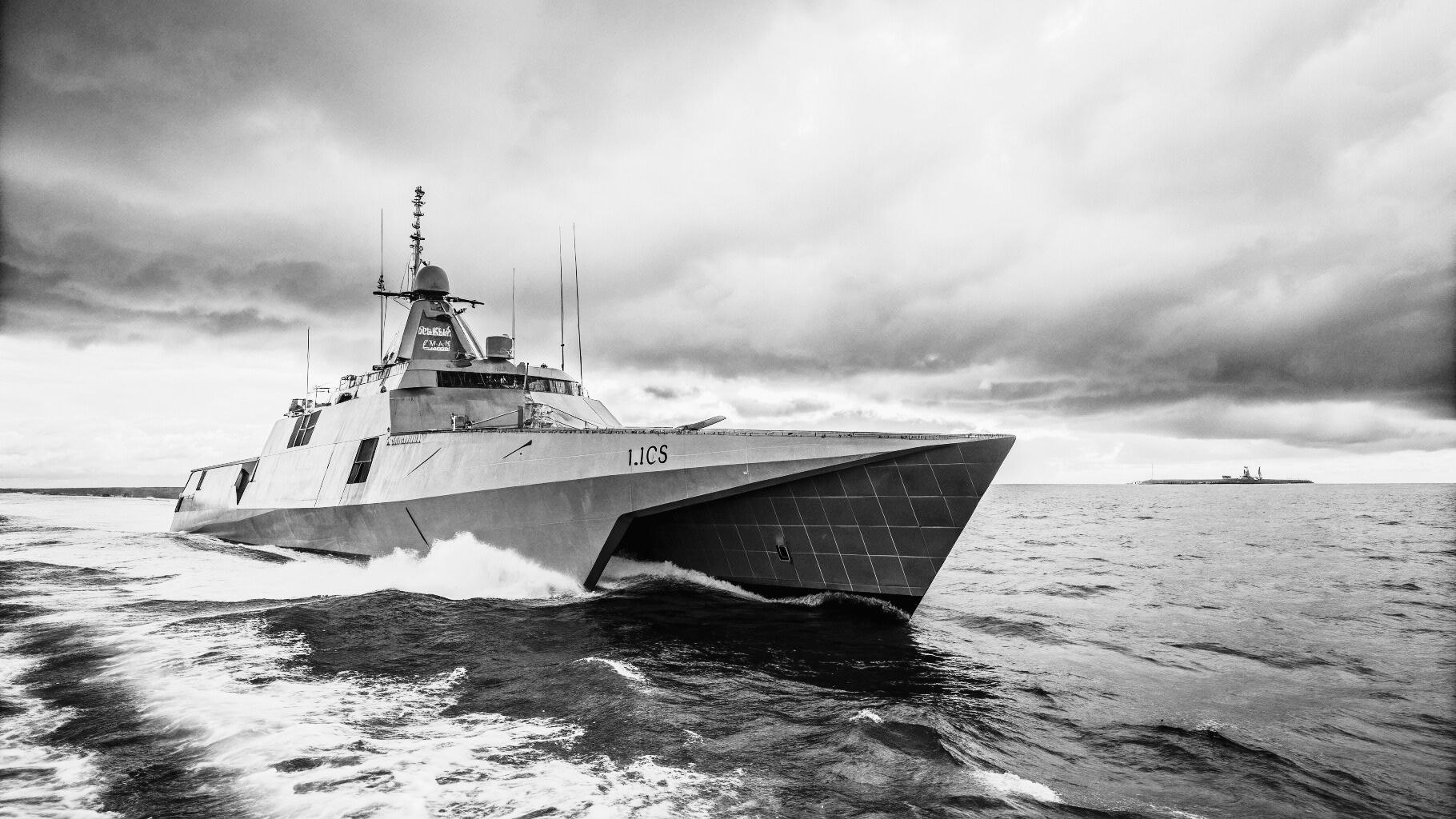

Canada has selected Germany’s Thyssenkrupp Marine Systems (TKMS) to build its next-generation submarine fleet, marking a major milestone in the country’s multi-billion-dollar naval modernization program. Prime Minister Mark Carney announced the decision on Monday as his government seeks to strengthen defense cooperation with European NATO allies.
The announcement came ahead of Carney’s departure for a NATO summit in Turkey, where alliance members are expected to demonstrate progress toward increased defense spending commitments. Canada plans to retire its aging British-built Victoria-class submarines over the next decade and launched a procurement process in 2024 to acquire 12 replacement submarines. Last August, Germany’s TKMS and South Korea’s Hanwha Ocean Co. were shortlisted as the final contenders.
Speaking in Halifax before attending the NATO summit, Carney confirmed that TKMS had been selected over Hanwha Ocean. Canada will now begin exclusive negotiations with the German shipbuilder for the acquisition of up to 12 submarines, with discussions expected to continue for approximately 18 months. Although Carney described the likelihood as low, he noted that Canada retains the option to reopen negotiations with Hanwha if an agreement with TKMS cannot be reached.
While declining to disclose the contract value because of ongoing negotiations, Carney stated that the project would generate tens of billions of dollars in economic benefits for Canada.
Industry observers noted that Hanwha Ocean presented a highly competitive proposal, including partnership opportunities with Canadian companies across industries such as steel manufacturing and automotive production. However, defense analyst Wesley Wark of the Center for International Governance Innovation said TKMS likely held an advantage due to Carney’s strategic objective of strengthening defense partnerships with European NATO members.
The decision comes as NATO countries work toward increasing defense spending to five percent of GDP by 2035, a commitment made under pressure from US President Donald Trump. Since taking office, Carney has significantly increased Canada’s defense budget while emphasizing the need to reduce reliance on the United States for national security. Expanding cooperation with European allies has become a central element of that strategy, with Canada recently becoming the first non-European Union country to join the EU’s defense procurement framework.