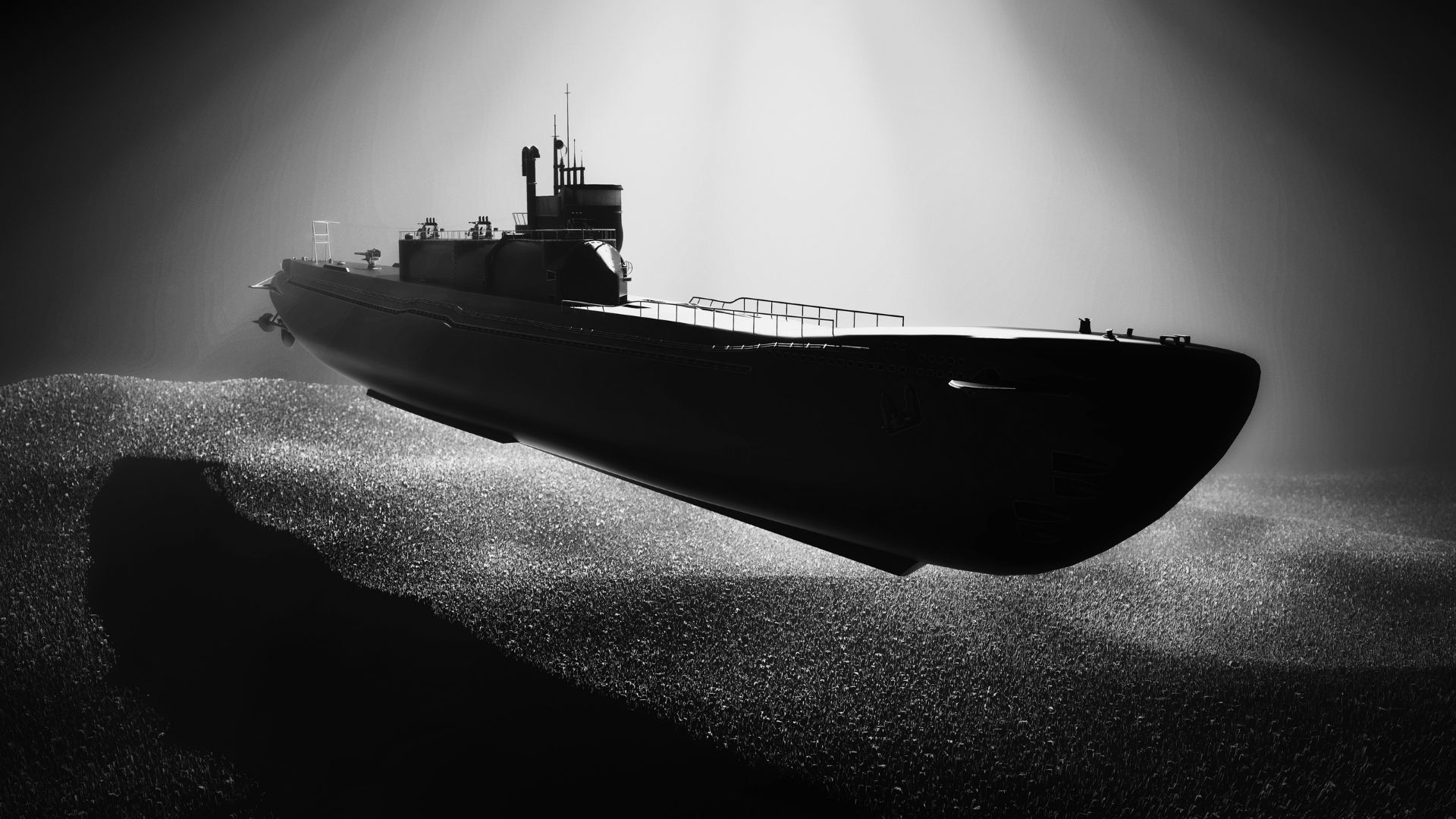
The Indian Navy is strengthening the survivability of its submarine fleet through a comprehensive modernization programme focused on advanced fire detection, warning, and suppression technologies. Recent activities in 2026 indicate a growing emphasis on automated, cyber-resilient, and indigenously developed safety systems designed to support increasingly complex underwater operations.
The initiative is closely aligned with India’s broader submarine modernization roadmap, particularly as the Navy expands long-endurance patrols and prepares to incorporate Air Independent Propulsion systems into future underwater platforms. Enhancing onboard safety has become a priority as submarine deployments grow in duration and operational complexity.
The programme is expected to benefit both the Kalvari-class Scorpene submarines and the ageing Sindhughosh-class Kilo fleet, which are undergoing progressive upgrades aimed at improving survivability, automation, and mission reliability.
Among the notable developments is a maintenance programme for multiple Automatic Fire Detection Systems deployed across the submarine fleet. These systems continuously monitor high-risk compartments including battery bays, propulsion sections, machinery spaces, and operational zones where fires can rapidly become catastrophic due to the enclosed nature of submarine environments.
Fire safety on submarines is considerably more critical than on surface vessels because crews operate in sealed, pressurized conditions with limited escape options. Even a small fire or thermal incident can quickly threaten the safety of personnel and compromise mission effectiveness.
Recent contracts have also focused on upgrading SCADA-based fire control networks that connect detection systems with automated emergency response mechanisms. These digital systems enable immediate action following hazard detection, including compartment isolation, activation of CO₂ suppression systems, deployment of water-mist firefighting equipment, and management of emergency ventilation protocols.
The Navy is also investing in modern portable firefighting equipment tailored for submarine use. Recent tenders have covered specialised fire pumps and heavy-duty CO₂ extinguishers engineered to perform effectively in confined spaces, high-pressure environments, and vibration-prone operating conditions.
A major technological advancement within the programme is the transition toward intelligent fire detection solutions that employ multiple sensing methods. Conventional systems often relied primarily on smoke sensors, which could result in false alarms or slower identification of genuine threats.
To improve reliability, the Navy is increasingly specifying systems that combine smoke detection with thermal monitoring. By integrating ionisation-based sensors and heat-detection technologies, these multi-criteria systems provide more accurate threat assessment while reducing the likelihood of false activations.
Another key feature of the modernization effort is the integration of fire safety systems into the submarine’s Integrated Monitoring and Control System. Under this architecture, fire detection data is fed directly into a centralized control interface, enabling crews to monitor conditions across the vessel in real time, isolate affected compartments, manage ventilation systems, and coordinate emergency responses more effectively.
Together, these upgrades represent a significant step toward creating a more automated, resilient, and survivable submarine fleet capable of supporting India’s evolving underwater warfare requirements.