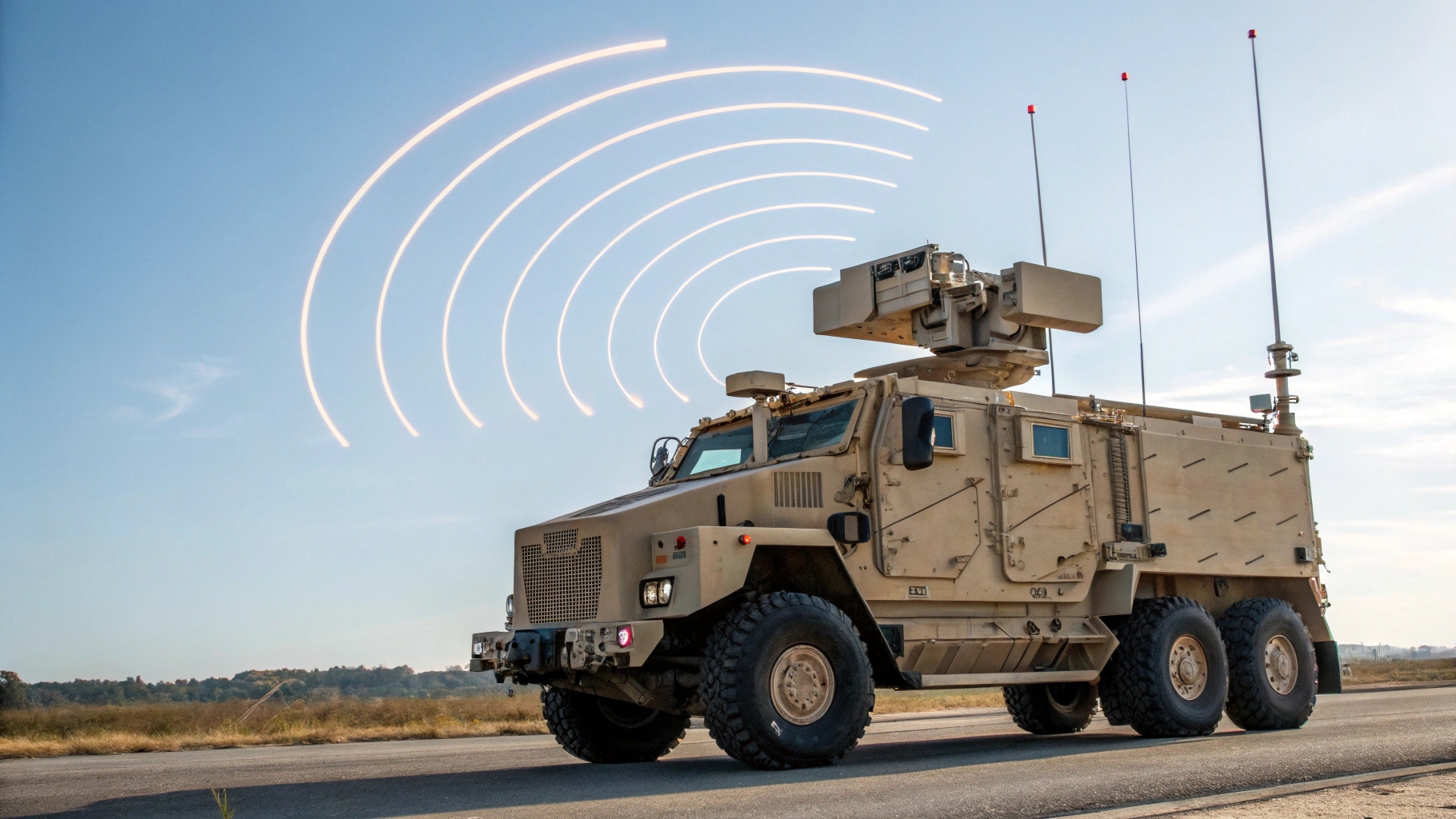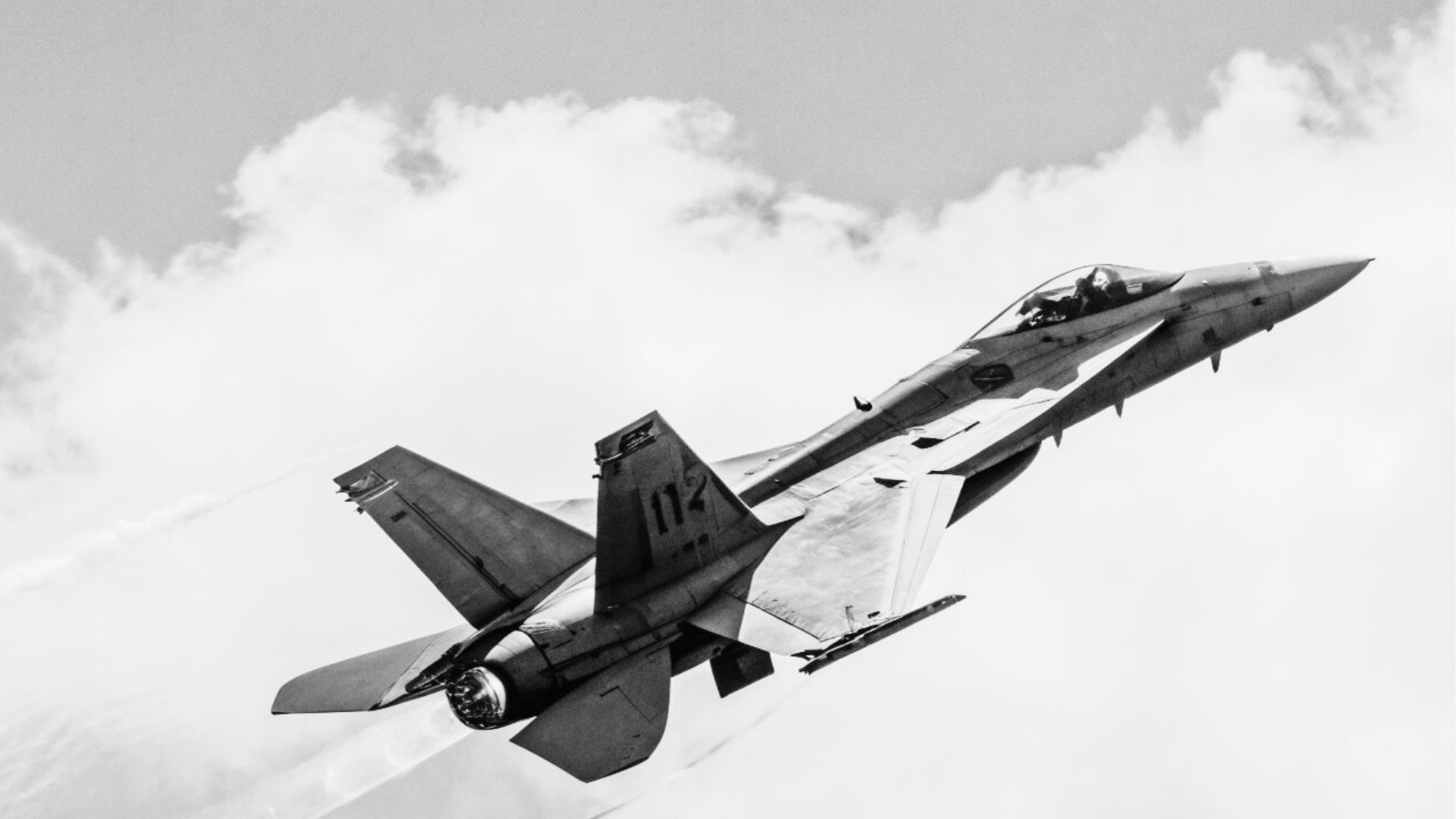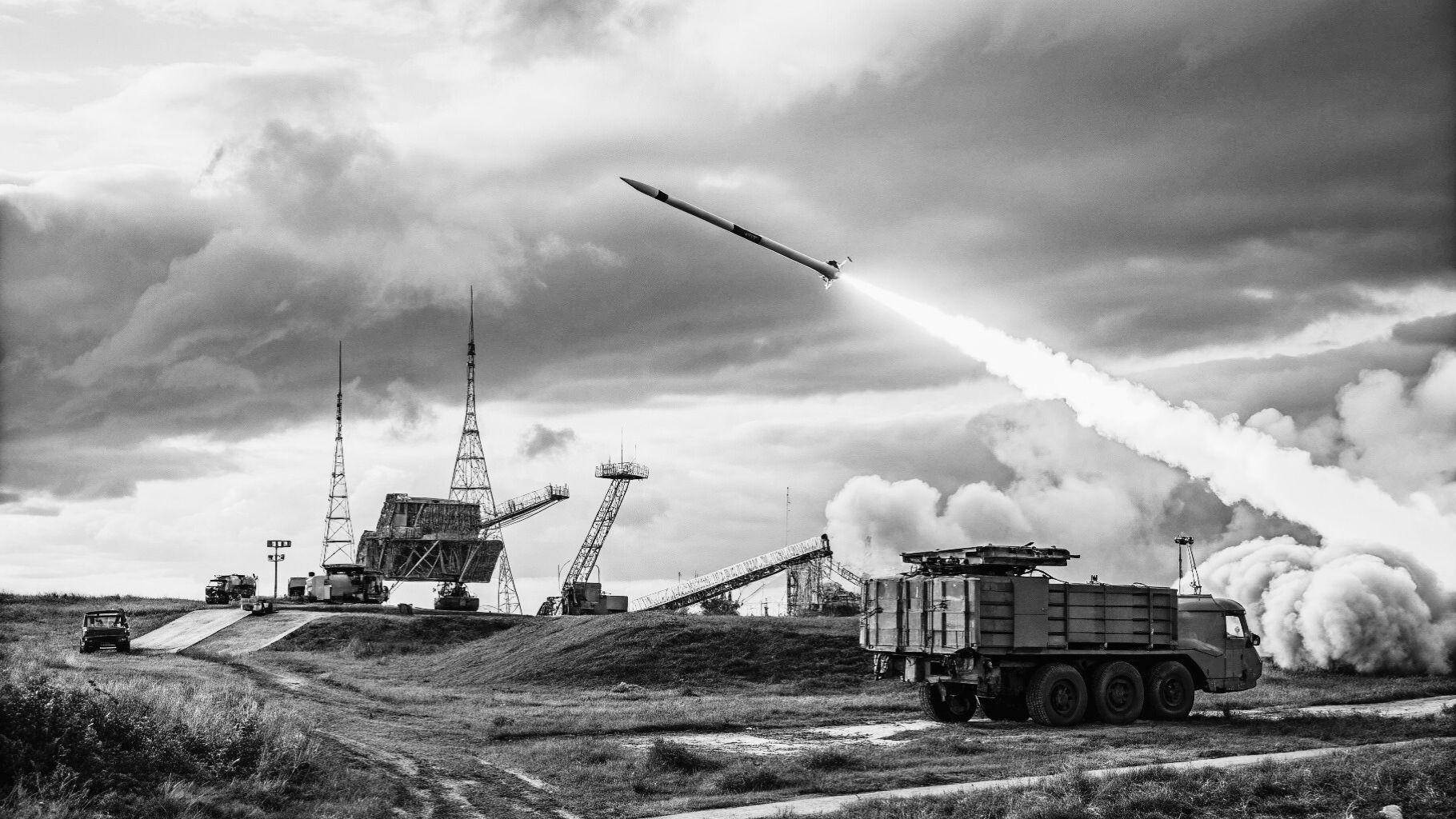

The Indian Air Force (IAF) has integrated the 55Zh6ME Nebo-UM Very High Frequency (VHF) radar into its air defense network, significantly enhancing its capability to detect stealth aircraft, cruise missiles, and ballistic missile threats over long distances. As one of the most advanced long-range surveillance systems in the IAF’s inventory, the mobile three-dimensional radar is expected to strengthen India’s integrated air defense architecture.
Operating within the 133–144 MHz and 216–225 MHz VHF frequency bands, the Nebo-UM uses longer radio wavelengths that are more effective at identifying low-observable aircraft. Unlike conventional X-band or Ku-band fire-control radars, VHF systems interact differently with stealth aircraft structures, making it more challenging for such platforms to remain undetected.
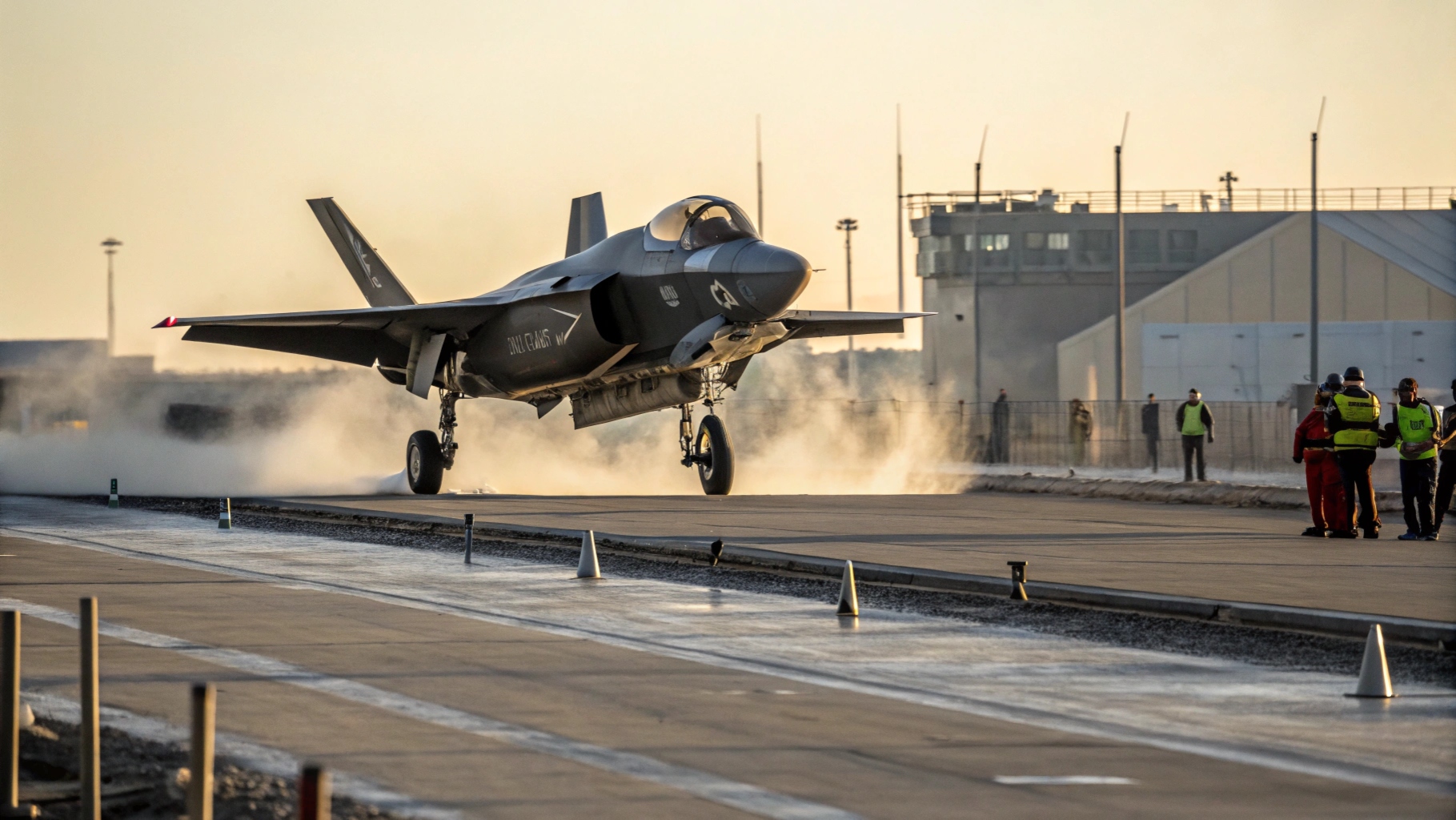
According to available data, the radar can detect stealth fighters such as China’s J-20 and the emerging J-35 at distances exceeding 250 kilometers under favorable conditions. It is also capable of tracking conventional aircraft, cruise missiles, and ballistic missiles at ranges of up to 600 kilometers, providing critical early-warning capabilities for India’s layered air defense network.
The Nebo-UM represents the latest evolution of Russia’s Nebo family of anti-stealth radars and introduces enhanced digital signal processing to filter ground clutter, resist electronic interference, and improve performance in contested electromagnetic environments. Unlike earlier VHF radars that only provided two-dimensional target data, the Nebo-UM delivers full 3D tracking, enabling accurate measurement of a target’s range, azimuth, and altitude while supplying precise cueing information to integrated air defense systems.
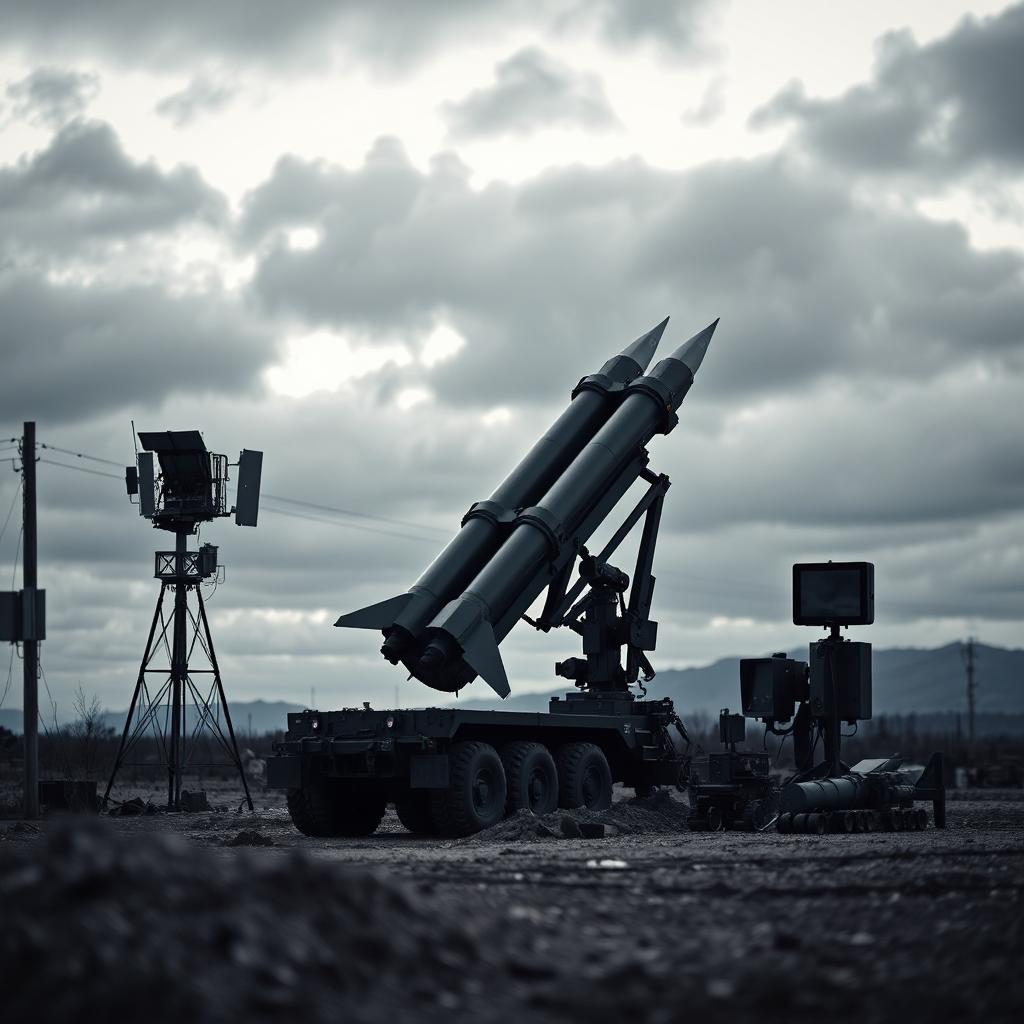
Designed for network-centric operations, the radar can operate independently or share targeting information with long-range surface-to-air missile systems such as the S-300 and S-400, allowing engagement radars to rapidly acquire targets detected by the VHF sensor. Mounted on high-mobility military vehicles, the system can be quickly deployed and repositioned, improving survivability against enemy suppression efforts.
The induction of the Nebo-UM comes as stealth aircraft become increasingly prevalent across the Indo-Pacific region. Its meter-wave VHF signals interact more effectively with the structural features of stealth platforms, enabling early detection before higher-frequency radars assume precision tracking duties. The radar also belongs to a broader Russian anti-stealth radar family that includes the Nebo-SVU, Nebo-U, and the advanced Nebo-M, a multi-band system that integrates VHF, L-band, and X/S-band radars to combine long-range stealth detection with high-precision target tracking.