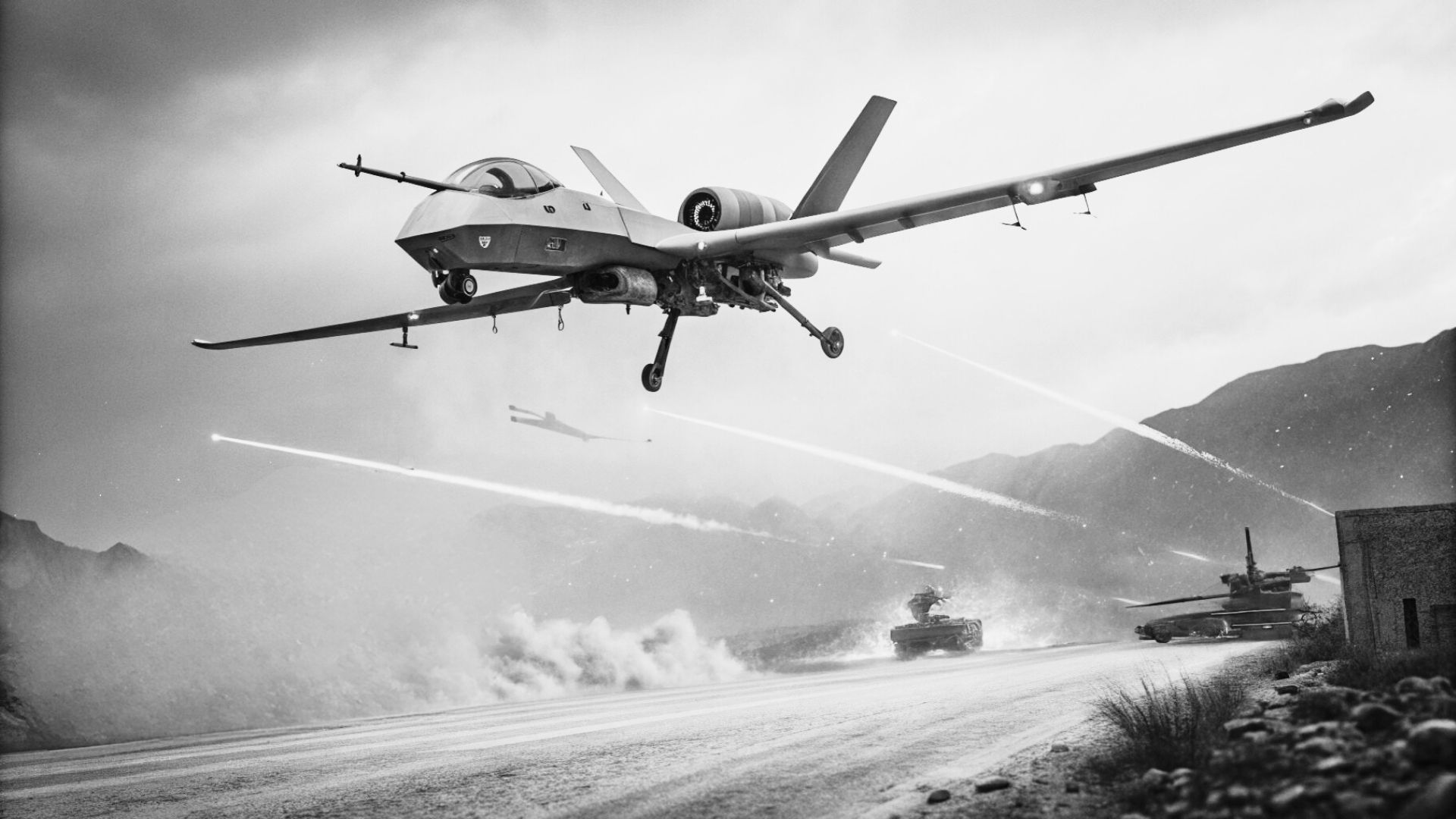

Modern warfare is reshaping the traditional economics of air defence. Recent conflicts have shown that advanced and costly defensive systems can be challenged not by cutting-edge combat aircraft, but by swarms of inexpensive drones and loitering munitions capable of overwhelming defenders through sheer numbers. This changing threat landscape is forcing militaries worldwide to rethink how they protect critical assets without exhausting valuable missile inventories.
India faces this challenge as it continues to strengthen its layered air defence network with systems such as the S-400 Triumf, Barak-8, Akash, and Spyder. While these platforms remain essential for countering high-end threats, the growing proliferation of low-cost drones has highlighted the need for more economical and sustainable methods of defence.
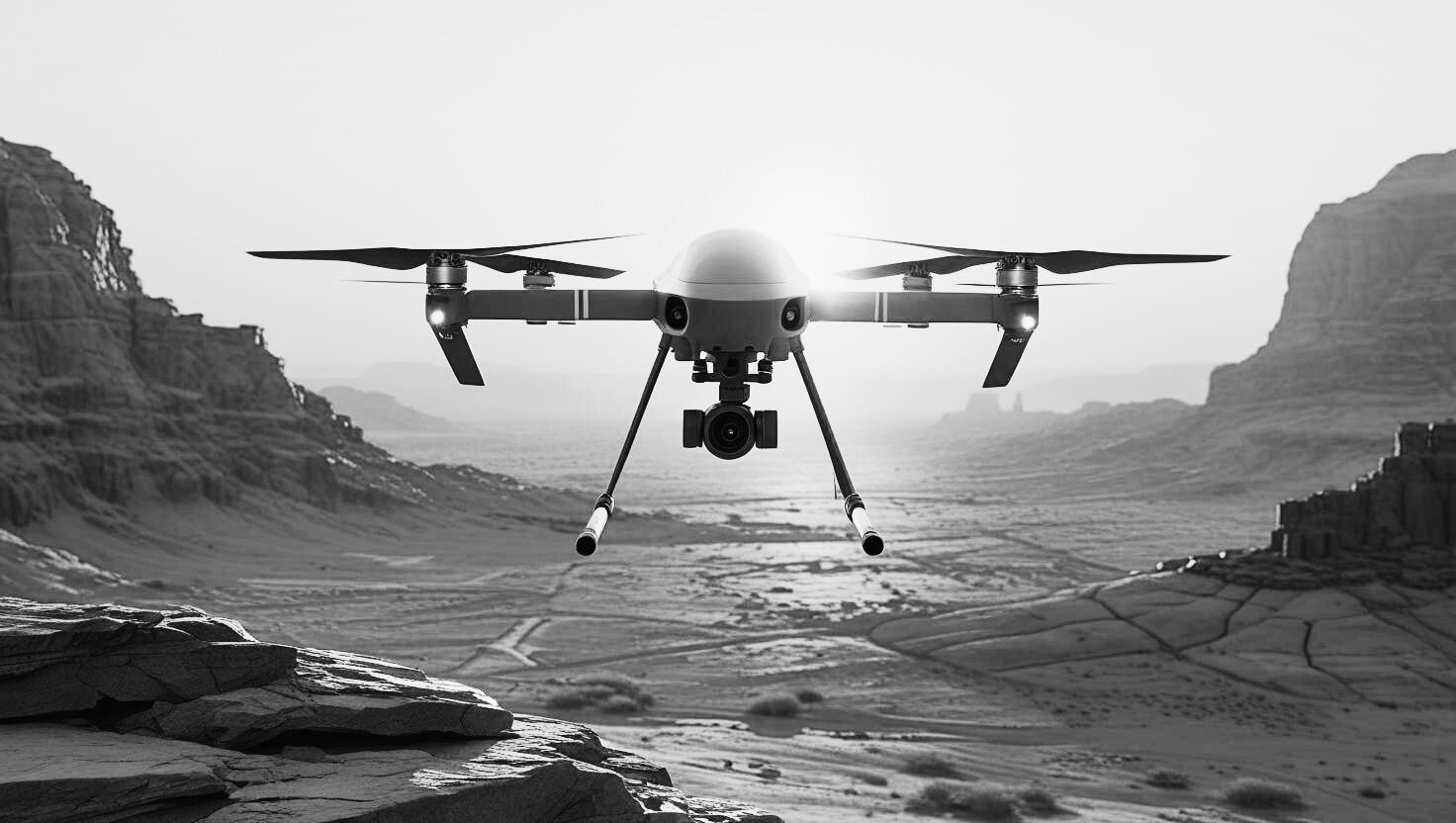
The widespread deployment of one-way attack drones in conflicts across Ukraine and the Middle East has demonstrated the effectiveness of low-cost aerial systems in forcing defenders into unfavourable cost exchanges. A relatively inexpensive drone can compel the use of interceptor missiles worth many times its value, creating a significant financial burden during prolonged operations.
For India, the issue is particularly complex due to the need to simultaneously defend extensive border regions, military infrastructure, airbases, logistics facilities, and naval assets across multiple theatres. In a future conflict, large-scale drone swarm attacks could place considerable pressure on conventional missile-based air defence networks.
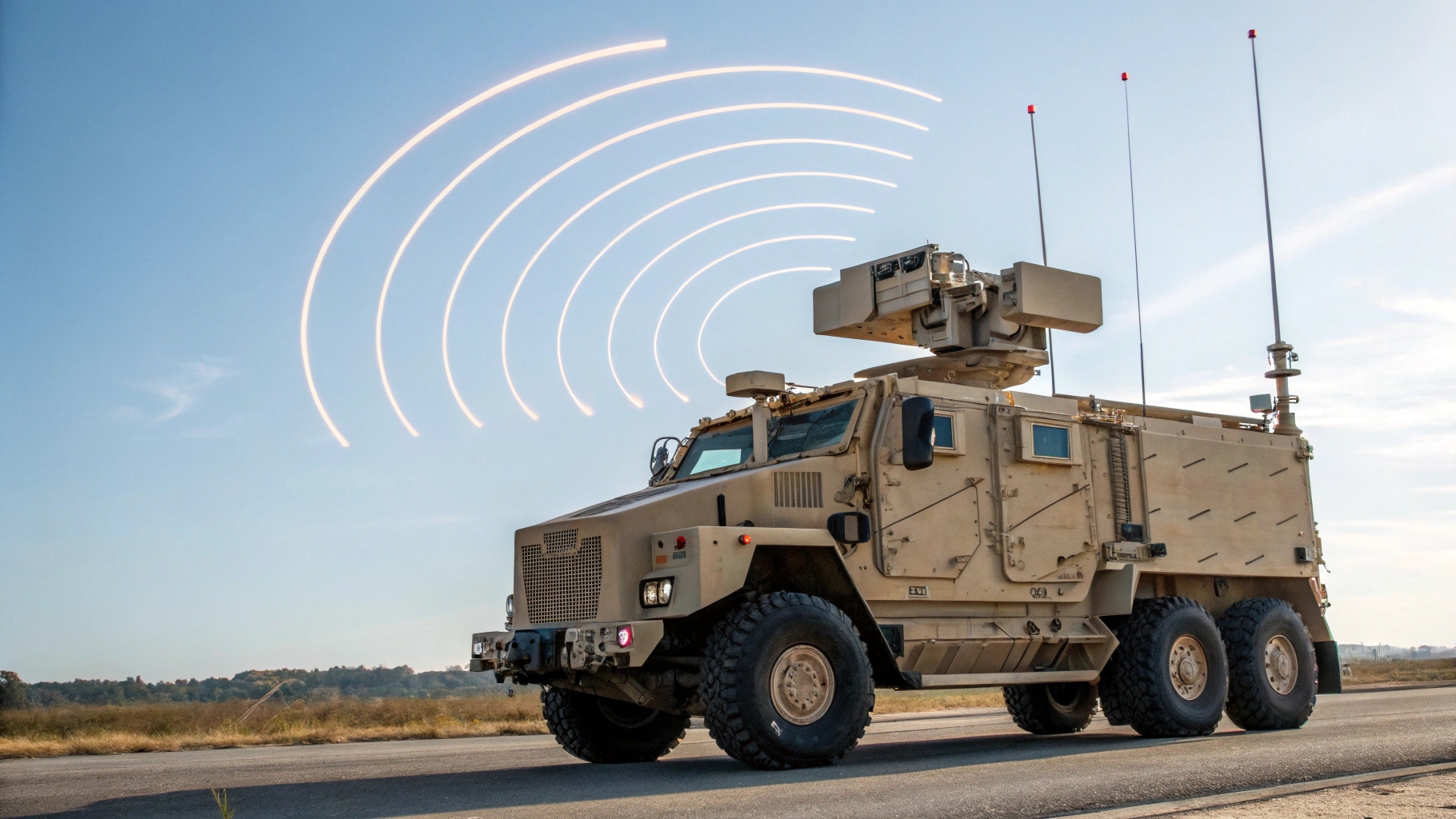
As a result, Counter-Rocket, Artillery, and Mortar systems together with Directed Energy Weapons are increasingly being viewed as essential components of India’s next-generation defensive strategy. These technologies offer the potential to counter large numbers of low-cost threats while preserving expensive interceptor missiles for higher-priority targets.
DRDO’s directed energy weapons programme is at the forefront of this effort. Laser-based systems fundamentally alter the economics of air defence by using concentrated energy rather than costly kinetic interceptors. Their operating costs are largely determined by electricity consumption, making them highly attractive for repeated engagements against drones and similar threats.
A notable example is the MK-II(A) mobile laser weapon system, a 10-kilowatt-class platform reportedly approved for initial induction by the Indian Air Force. Designed for counter-unmanned aerial system missions, the weapon provides a two-kilometre engagement envelope against drones and loitering munitions while offering rapid response and extremely low operating costs.
The concept provides several operational advantages. Laser weapons can engage targets almost instantly, require no traditional ammunition, and can continue operating as long as sufficient power is available. This makes them particularly suitable for defending airbases and fixed installations against persistent drone attacks.
India is simultaneously pursuing more powerful directed energy capabilities through the DURGA-II programme. This ambitious initiative aims to develop a 100-kilowatt-class laser capable of defeating larger aerial threats, including advanced loitering munitions, artillery rounds, and potentially certain cruise missile-class targets. By concentrating thermal energy on critical components, such systems can physically disable or destroy incoming threats without relying on explosive interceptors.
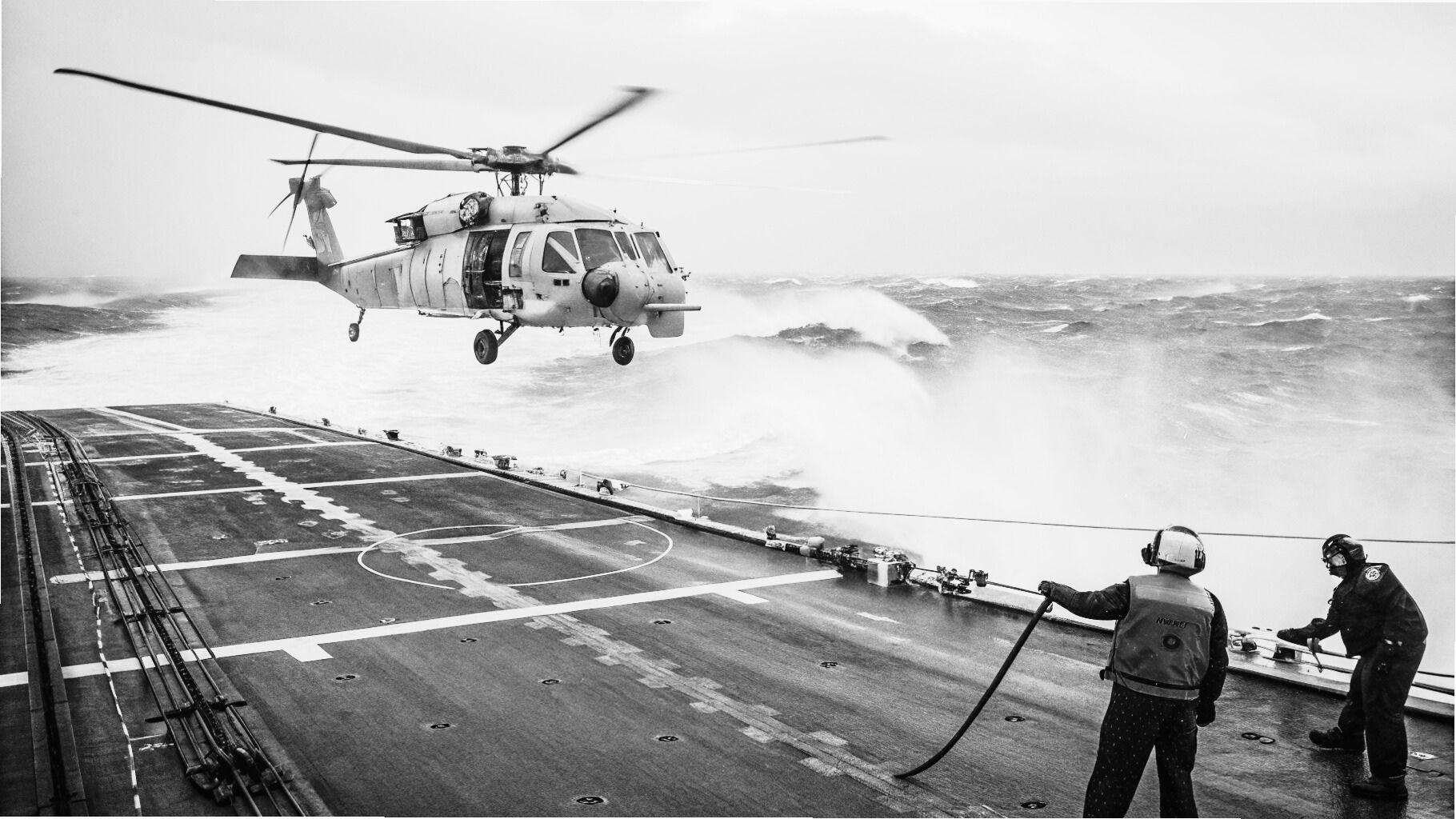
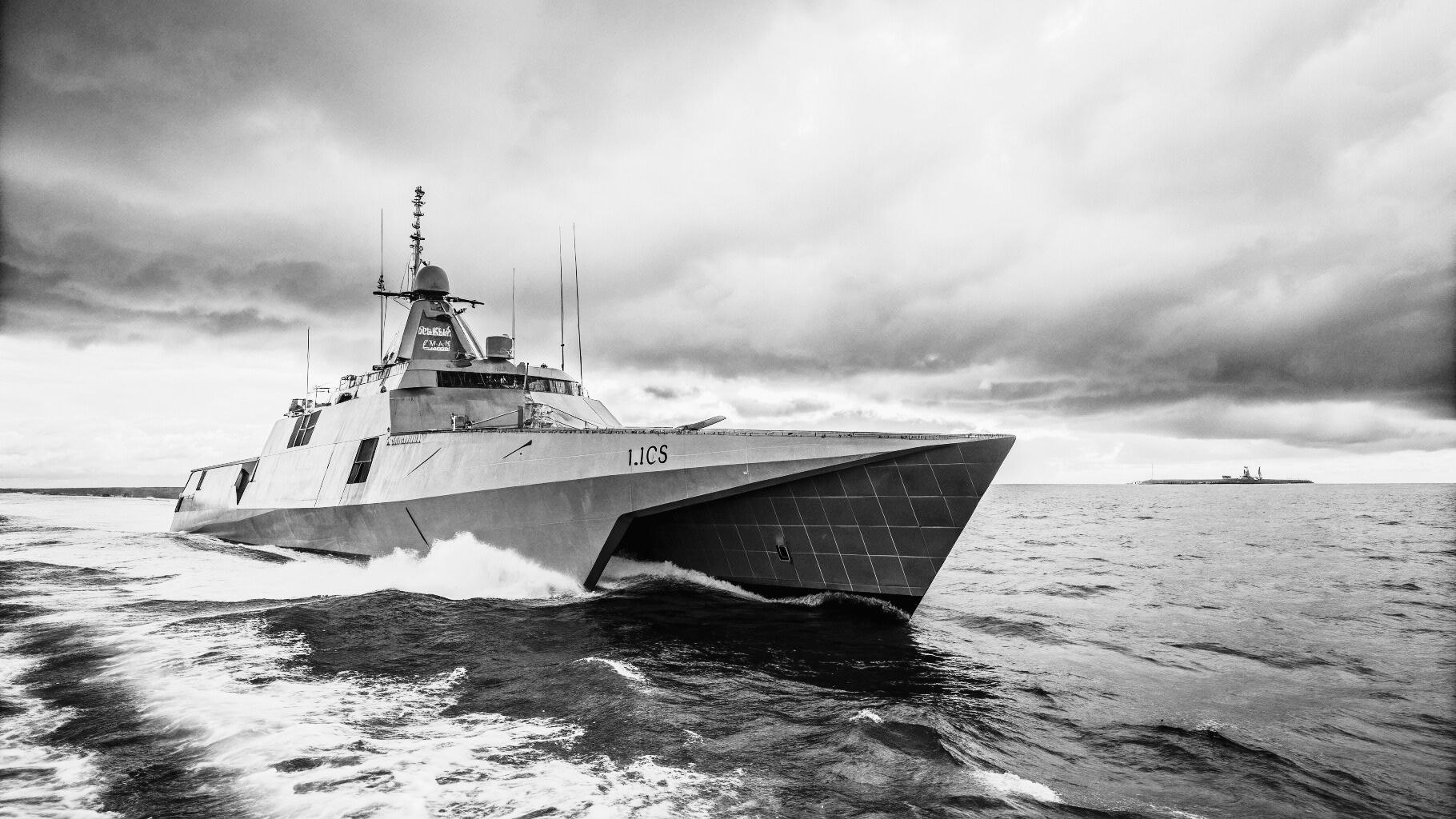
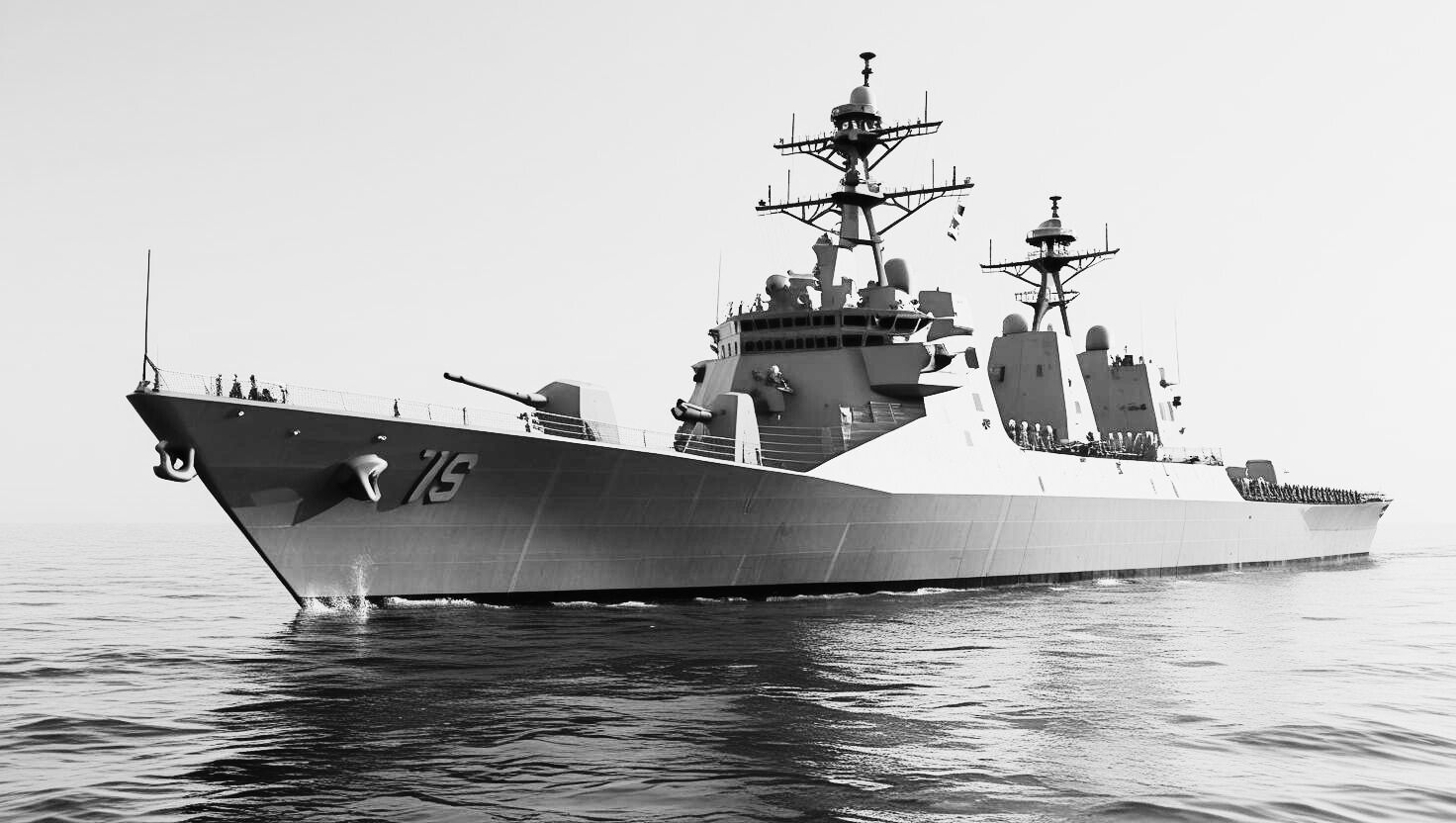
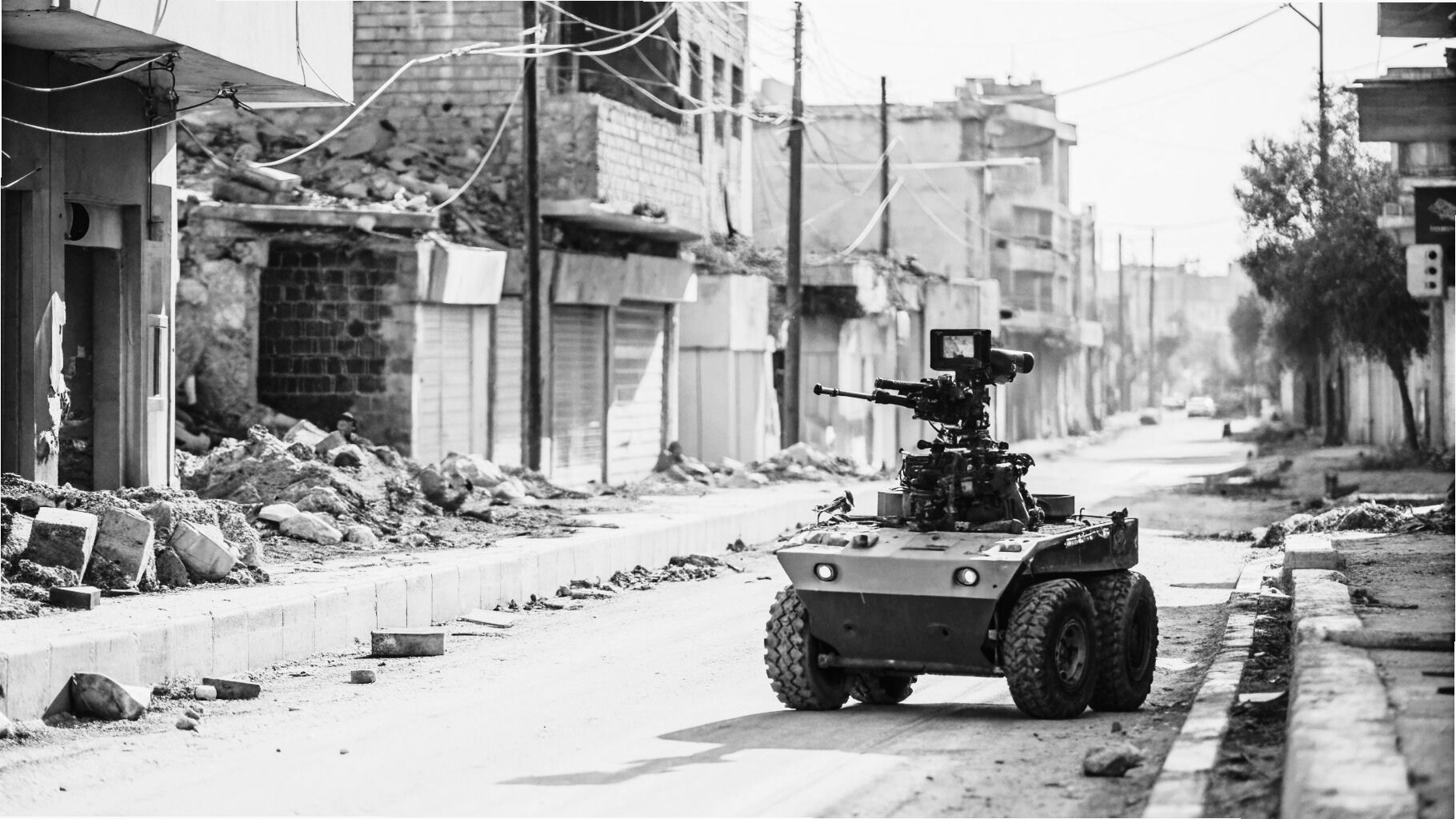
Potential applications include deployment aboard frontline naval vessels to provide close-in protection against drone swarms and anti-ship missiles, as well as integration onto mobile land platforms supporting mechanised forces during combat operations.
However, laser weapons are subject to environmental constraints. Weather conditions such as fog, rain, dust, and smoke can reduce effectiveness, making it impractical to rely exclusively on directed energy systems. Consequently, modern air defence doctrine increasingly emphasises layered protection combining lasers with kinetic interception systems.
The Bhargavastra micro-missile system represents a significant step in this direction. Developed by India’s private defence sector, the system is specifically tailored for counter-drone operations and employs lightweight guided interceptors capable of engaging swarm threats at distances exceeding six kilometres. By using smaller and less expensive missiles, it offers a cost-effective middle layer between strategic air defence systems and close-in protection assets.
Micro-missiles are particularly valuable against autonomous drones that may be resistant to jamming and electronic warfare. As unmanned systems become increasingly sophisticated, physical interception remains an essential component of any comprehensive defensive strategy.
India is also upgrading existing gun-based air defence systems such as the L-70 and ZU-23-2 with modern sensors, digital fire-control technologies, thermal imaging systems, and programmable ammunition. These enhancements transform legacy weapons into effective last-line defences capable of engaging low-flying drones and loitering munitions through proximity-detonated fragmentation effects.
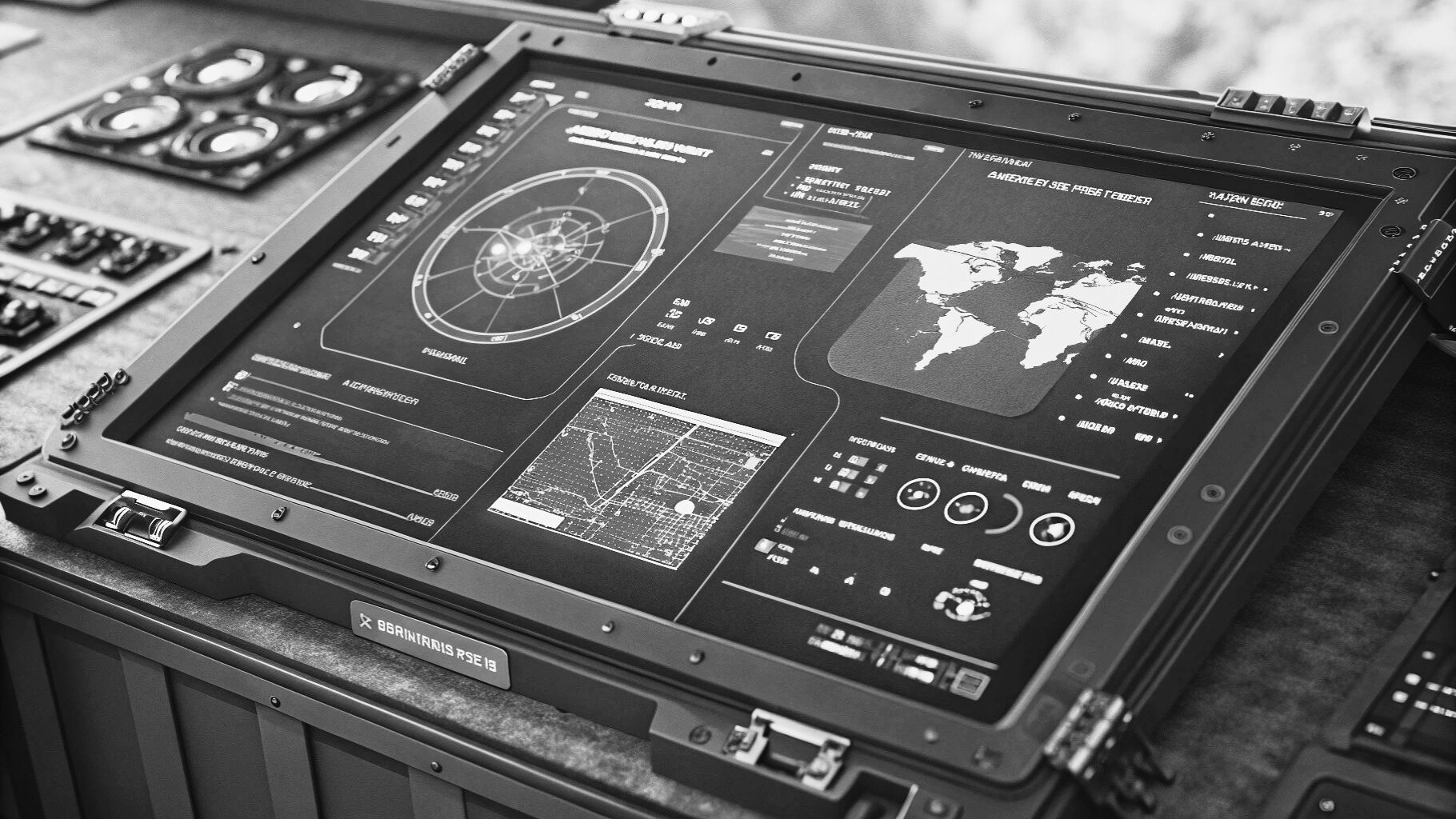
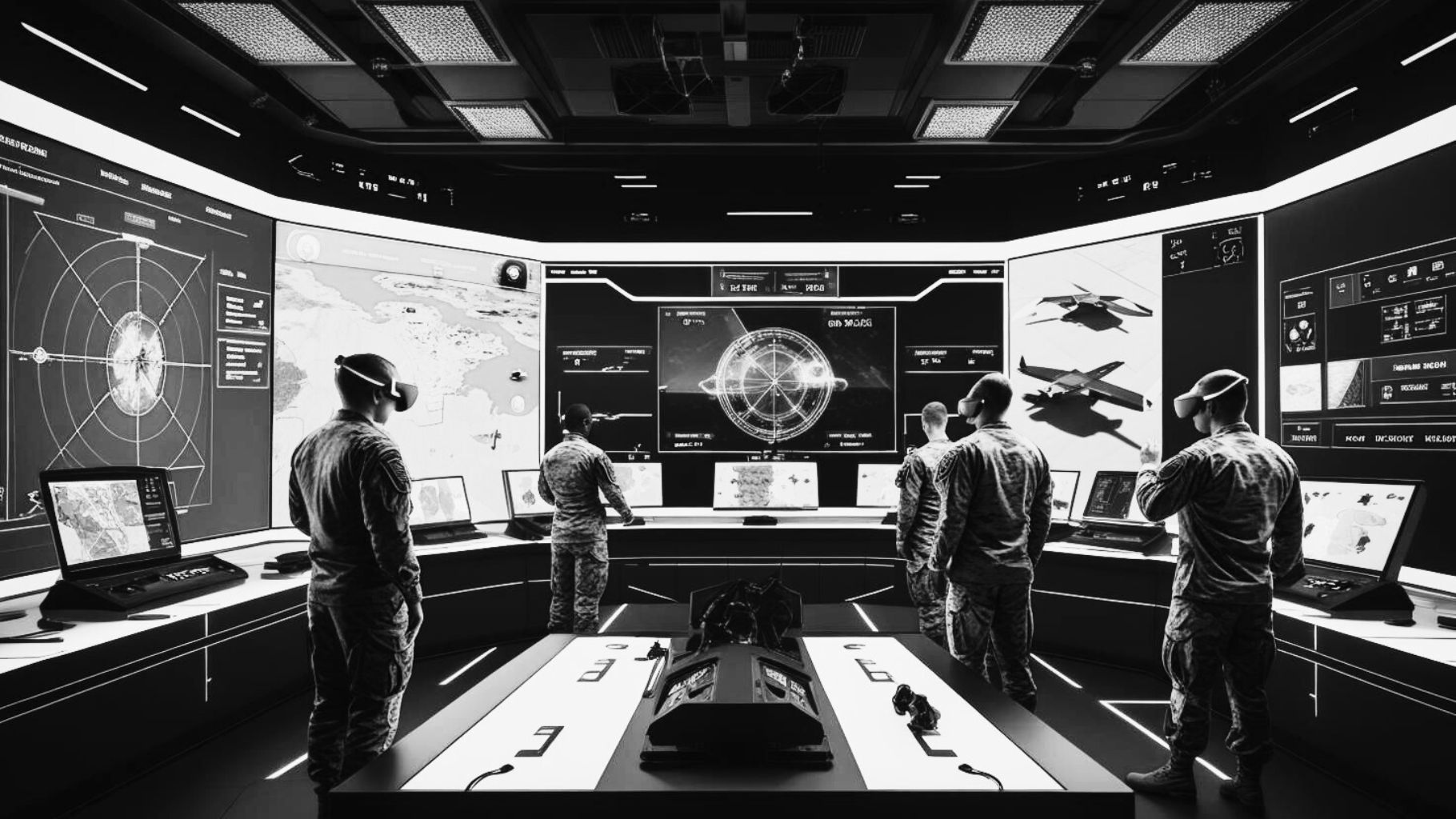
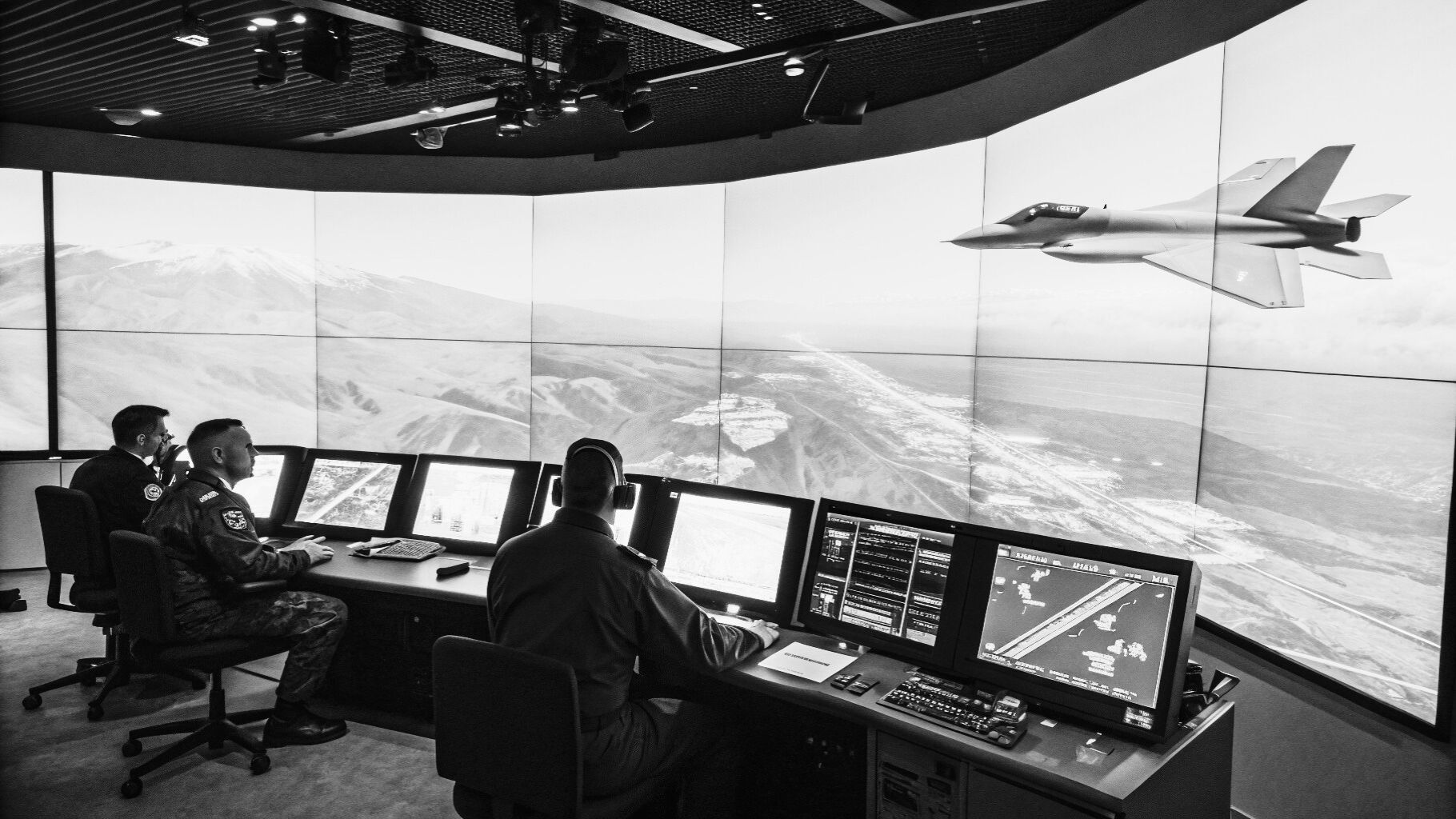
The success of this layered defence model ultimately depends on advanced command-and-control infrastructure capable of rapidly processing large volumes of data and coordinating responses across multiple weapon systems. Detecting, identifying, prioritising, and engaging threats within seconds is critical in a battlefield environment characterised by mass drone attacks.
The Integrated Air Command and Control System (IACCS) is expected to play a central role in this architecture by connecting sensors, electronic warfare assets, anti-drone technologies, missile systems, and directed energy weapons into a single operational network. Such integration enables faster decision-making and more efficient allocation of defensive resources.
Looking ahead, artificial intelligence-enabled systems such as the Indrajal anti-drone dome concept could further enhance battlefield responsiveness by automating threat assessment and engagement management. As drone swarms become larger and more complex, AI-assisted command systems are likely to become indispensable in ensuring that air defence networks can operate effectively under intense operational pressure.