Russia and China have taken another step forward in their long-running collaboration to develop a next-generation heavy-lift helicopter designed for operations in demanding high-altitude environments, including the Tibetan Plateau. Originally proposed in 2019, the programme has now entered a state audit phase in China and is progressing toward eventual joint production, according to statements reported by Russian state media citing Rostec official Viktor Kladov.
The Advanced Heavy Lift (AHL) helicopter is being led by China’s Aviation Industry Corporation of China (AVIC) and is primarily intended to meet Chinese military and civilian requirements. Under the partnership, Russia is contributing expertise and technologies in areas where China still lacks full domestic capability, including transmission systems, gearboxes, and other critical helicopter components and subsystems.
The AHL is expected to offer a payload capacity of between 14 and 16 tonnes, positioning it between the Russian Mi-171, which can carry around 10 to 12 tonnes, and the larger Mi-26 heavy-lift helicopter with a payload capacity of approximately 20 tonnes. Once completed, it would become one of the most capable rotorcraft in China’s aviation inventory, surpassing current indigenous platforms such as the Changhe Z-18, which presently holds the country’s highest military helicopter maximum take-off weight at 13,800 kilograms.
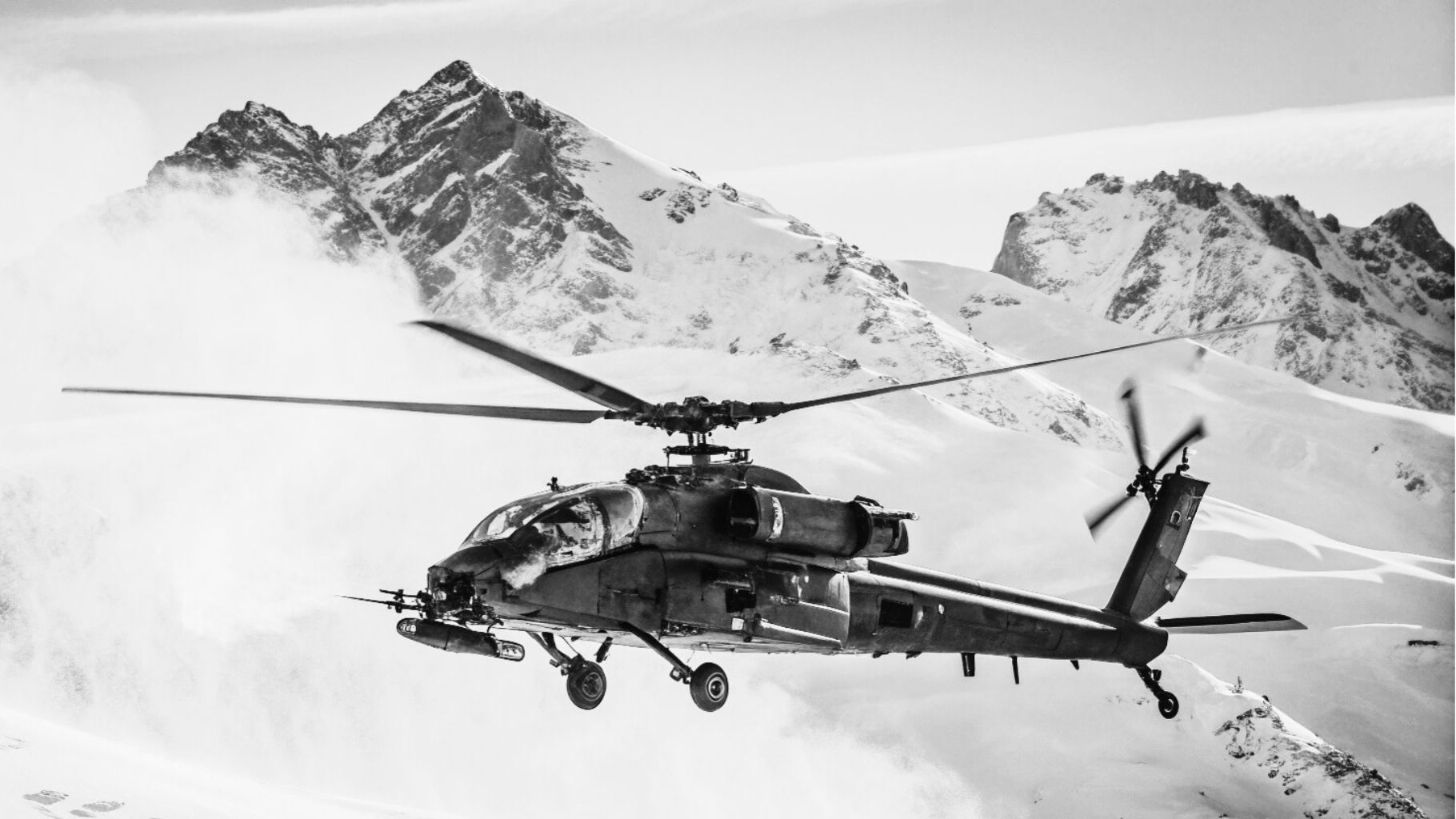
A key objective of the programme is to improve China’s operational capabilities in high-altitude regions where conventional helicopters suffer performance limitations due to thin air and challenging weather conditions. The new aircraft is expected to enhance the transport of troops, heavy equipment, and supplies across Tibet and other remote western regions, while also supporting infrastructure development and logistical operations in difficult terrain.
Beyond high-altitude missions, the AHL could significantly strengthen China’s strategic mobility by enabling the rapid movement of personnel, vehicles, and military equipment during potential regional contingencies, including operations related to Taiwan. Reports indicate that China has invested approximately $2 billion in the project and may eventually procure around 200 helicopters, with total acquisition costs estimated at nearly $20 billion.