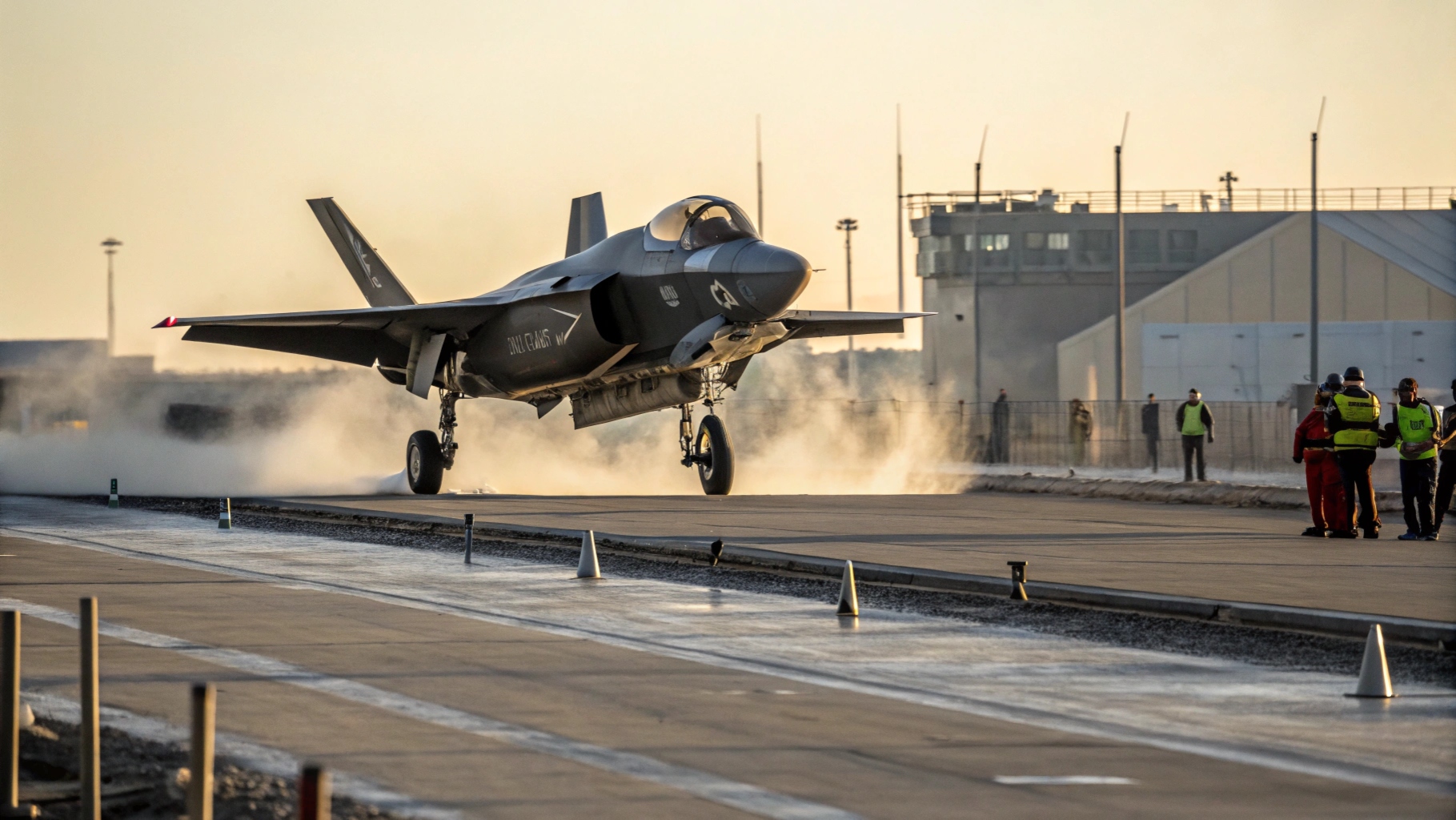
India’s Ministry of Defence is exploring a strategic partnership with Europe’s leading sixth-generation fighter aircraft programmes, signaling its intent to remain at the forefront of future air combat technologies. The proposal, highlighted during recent briefings to the Parliamentary Standing Committee on Defence, reflects the Indian Air Force’s objective of avoiding future capability gaps as regional competitors, particularly China and Pakistan, continue to modernize their air forces. Through such collaboration, India aims to gain access to technologies that extend beyond current fifth-generation platforms, including its indigenous AMCA, the F-35, and the Su-57.
The two principal European programmes under consideration are the Global Combat Air Programme (GCAP), involving the United Kingdom, Italy, and Japan, and the Future Combat Air System (FCAS), led by France, Germany, and Spain. GCAP, which evolved from the Tempest programme, is widely viewed as the more stable initiative, benefiting from established partnerships and relatively fewer internal disagreements. Although countries such as Saudi Arabia have been linked to potential participation and Poland has shown interest in acquiring the aircraft, development responsibilities among the founding members have already been allocated. As a result, India would likely have limited opportunities for significant industrial participation and could instead be restricted to a future procurement role if the programme meets its development goals.
FCAS presents a more uncertain picture due to persistent disagreements between France and Germany over industrial workshare, particularly involving Dassault Aviation and Airbus Defence and Space. These disputes have slowed programme progress despite repeated negotiations. Reports suggest further efforts to resolve these differences are ongoing, while Germany has at times explored the possibility of pursuing an independent path, an approach opposed by France. Although India’s strong defence relationship with France, strengthened through Rafale acquisitions, could make FCAS an attractive option, the programme still faces risks related to delays, evolving requirements, or even potential restructuring.
India’s participation in either programme could provide substantial financial and industrial benefits by expanding production volumes and reducing development costs for the partner nations. However, both GCAP and FCAS are targeting operational service in the mid-2030s, and the complexity of sixth-generation fighter development raises the possibility of schedule delays. Given the Indian Air Force’s immediate need to strengthen its combat fleet, relying solely on these long-term programmes may not adequately address near-term operational requirements.
Despite exploring international collaboration, India’s indigenous Advanced Medium Combat Aircraft (AMCA) programme remains the country’s primary fighter development priority. Designed to meet national operational requirements while ensuring complete control over future upgrades and technologies, the AMCA is central to India’s self-reliance strategy. Excessive dependence on a foreign sixth-generation programme could potentially divert financial resources and engineering expertise away from accelerating AMCA development.
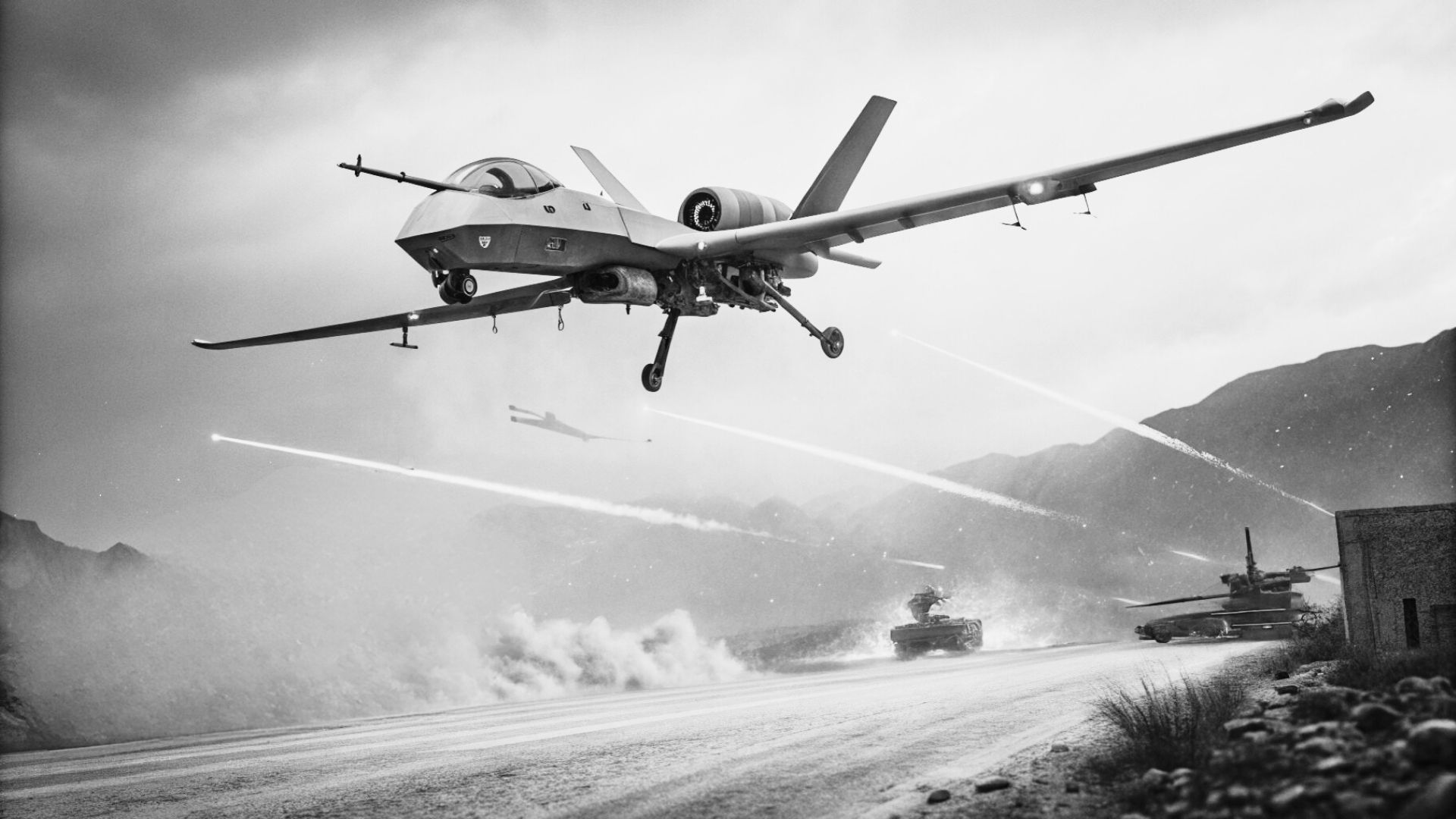
India is also making significant progress in next-generation unmanned combat technologies, including Collaborative Combat Aircraft and unmanned combat aerial vehicle programmes. These platforms, capable of operating as loyal wingmen, autonomous swarms, and networked combat assets, could provide many of the operational advantages associated with sixth-generation warfare while complementing the AMCA.
At present, the proposal to engage with GCAP or FCAS remains an exploratory initiative driven by the Indian Air Force and the Ministry of Defence. While the Parliamentary Standing Committee has discussed the concept, its recommendations are not binding, and any formal participation will require approval from the Government of India before negotiations can move forward.