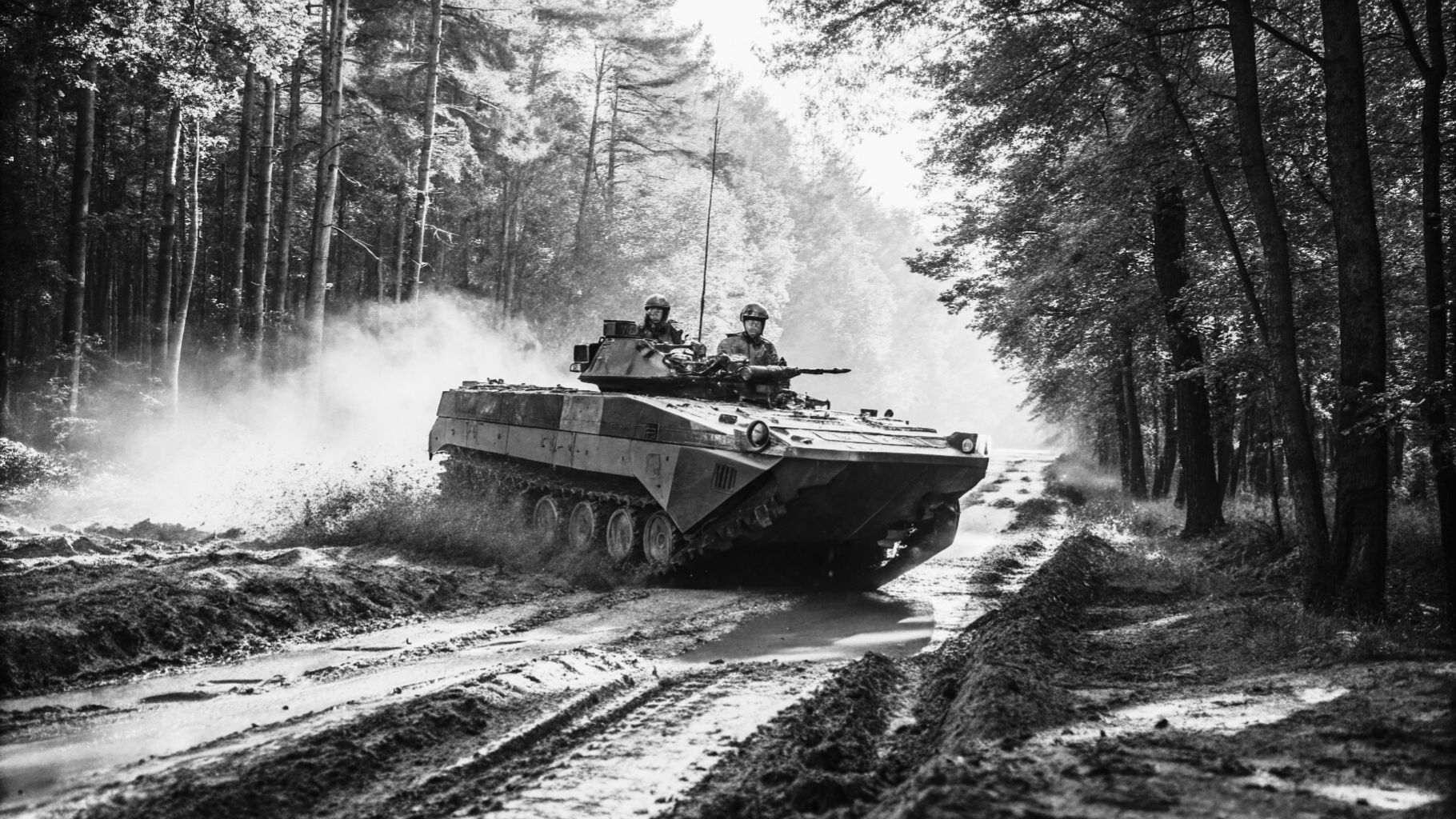
India’s Future Infantry Combat Vehicle (FICV) programme has moved into a crucial phase as Armoured Vehicles Nigam Limited (AVNL) expands industry participation through fresh Expressions of Interest aimed at blast protection systems and related vehicle technologies. The latest initiatives under RFP File No. 75961/GS/CD/RFP-A/FICV indicate that the Indian Army is accelerating efforts to convert its long-standing mechanised infantry modernisation project into a fully realised production programme.
The FICV is expected to become the cornerstone of India’s future mechanised forces, replacing the ageing fleet of over 2,600 BMP-2 Sarath infantry fighting vehicles currently in service. The programme is designed to deliver a new generation of combat vehicles capable of meeting the demands of modern, high-intensity warfare.
Initial acquisition plans call for approximately 1,750 vehicles, while overall fleet requirements are projected to surpass 2,600 units. Valued at an estimated ₹60,000–65,000 crore, the programme is widely regarded as one of India’s most significant indigenous defence projects.
Recent battlefield experiences worldwide have reinforced the need for advanced infantry fighting vehicles capable of surviving increasingly complex threat environments. Modern combat operations now involve persistent drone surveillance, loitering munitions, precision-guided strikes, anti-tank missiles, and top-attack threats, placing greater emphasis on protection and survivability.
To accelerate development, the programme is being implemented under the Make-I procurement category, where the government funds a substantial portion of prototype development expenses. This framework is intended to encourage domestic innovation while reducing financial risk for participating companies.
The latest AVNL initiatives demonstrate a growing emphasis on survivability. The FICV is being designed with a modular protection architecture capable of defending against a wide range of battlefield threats. Target protection levels broadly align with STANAG Level 4 and Level 5 standards, providing resistance against heavy-calibre projectiles, artillery fragments, mine explosions, and certain anti-armour weapons.
A major design challenge lies in achieving this level of protection without compromising mobility. The Army requires a vehicle in the 20–22 tonne class that can be rapidly transported by aircraft such as the C-17 Globemaster III and Il-76, enabling swift deployment to operational hotspots including high-altitude border regions.
Amphibious capability remains another key requirement, ensuring the vehicle can traverse rivers and water obstacles independently. This feature continues to be important for mechanised formations operating in terrain characterised by extensive waterways and canal networks.
The platform is expected to deliver exceptional mobility across a broad spectrum of environments, from the deserts of western India to mountainous regions at elevations of up to 18,000 feet. Meeting these demands will require a powerful 600–700 horsepower engine capable of maintaining performance in extreme climates and altitudes.
In terms of combat capability, the FICV will represent a major advancement over existing BMP-2 vehicles. The primary variant is expected to be armed with a 30mm automatic cannon, a coaxial machine gun, and advanced fifth-generation anti-tank guided missiles, providing the ability to engage a diverse range of battlefield targets.
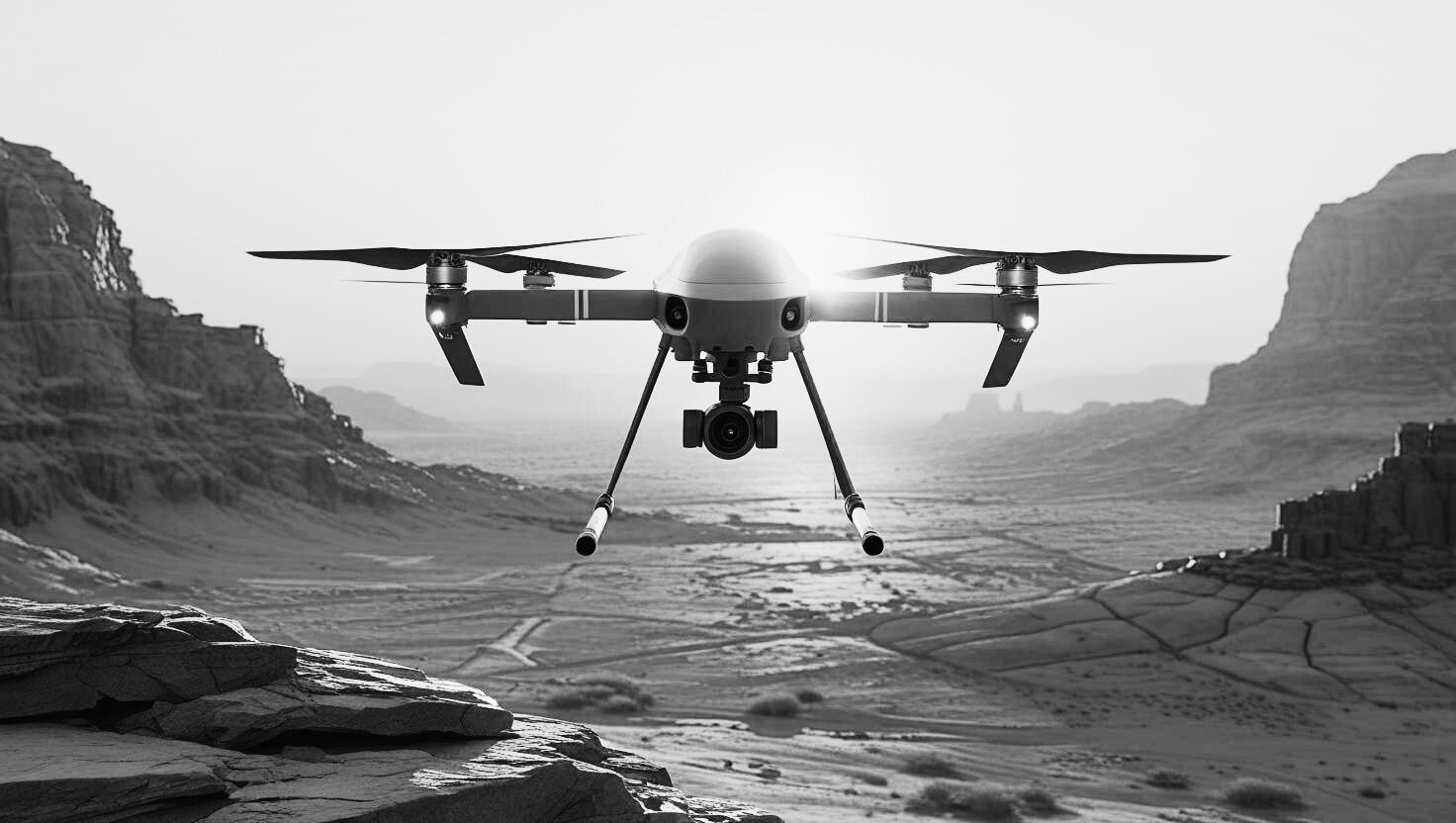
The programme is also being structured around multiple specialised variants. Standard combat vehicles are expected to account for roughly 55 percent of the fleet, while command variants equipped with sophisticated battlefield management and communication systems will comprise around 20 percent. The remaining 25 percent will consist of command-and-surveillance vehicles featuring advanced reconnaissance sensors and integrated unmanned aerial systems.
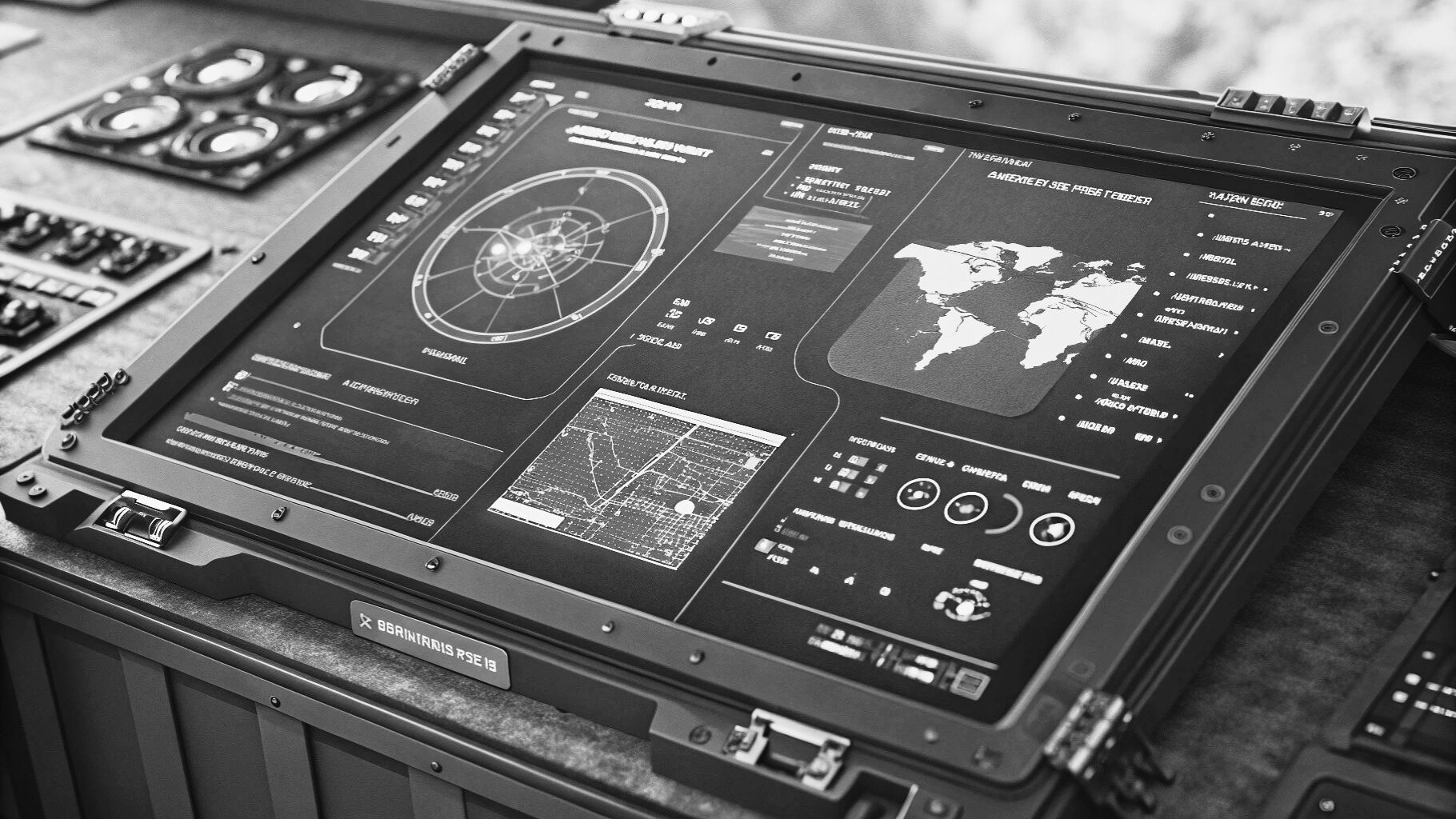
This diversified fleet structure reflects the Army’s evolving doctrine, which increasingly views infantry combat vehicles as integral elements of a connected battlefield network. Beyond transporting troops, future vehicles will function as intelligence, surveillance, command, and fire-support platforms capable of operating within a digitally integrated combat environment.
The emphasis on indigenous blast protection and armour technologies further aligns with India’s broader defence self-reliance objectives. Through programmes such as the FICV, the country aims to develop domestic expertise in advanced armour materials, ceramic composites, protected mobility systems, and next-generation survivability technologies, reducing dependence on foreign suppliers while strengthening the national defence-industrial base.