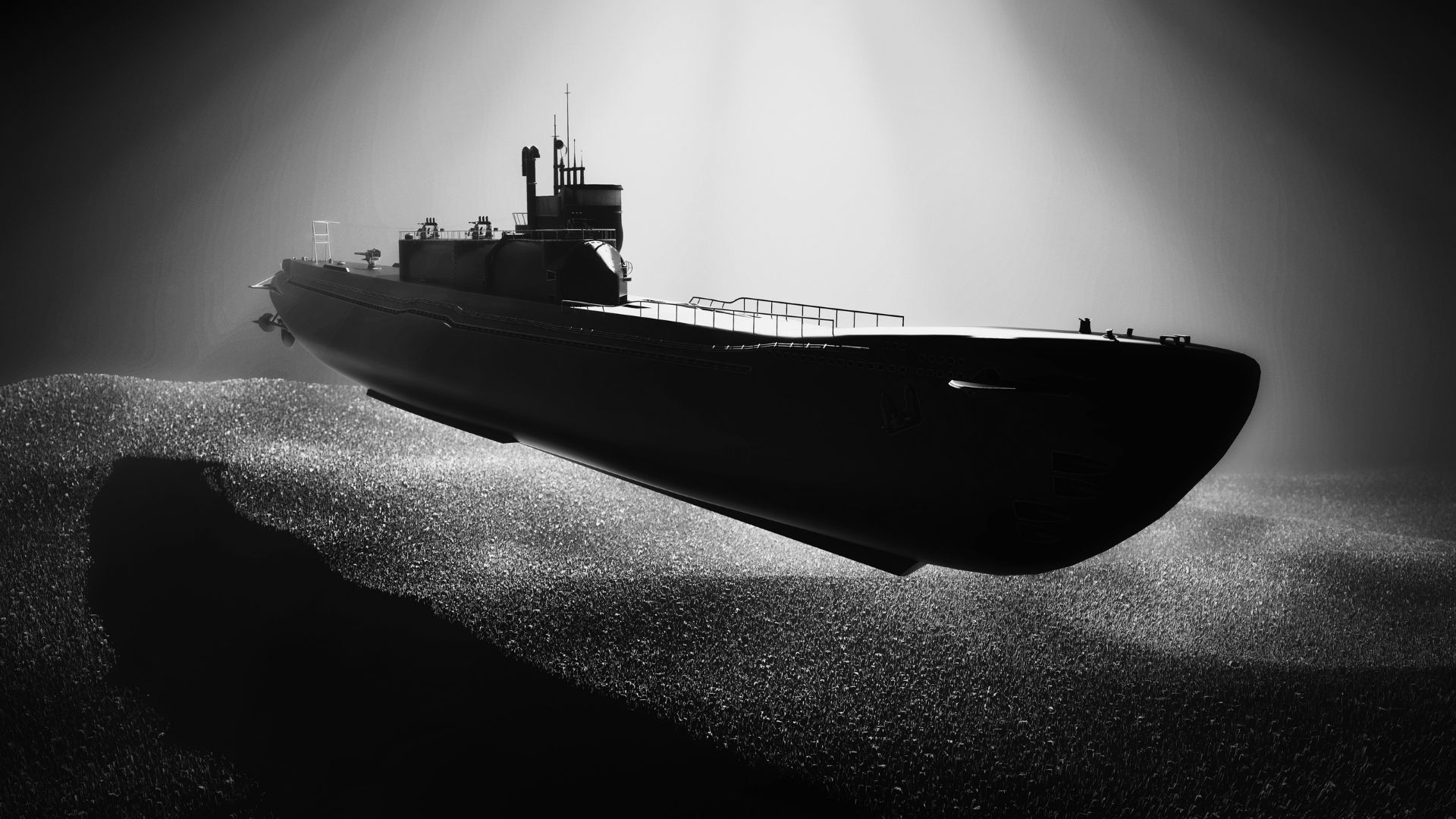
The Royal Navy is enhancing submarine readiness by reducing maintenance timelines through QinetiQ’s additive manufacturing technology. The company has installed its Additive Manufacturing All In One solution and Market Access Cell at HM Naval Base Clyde, allowing engineers to produce submarine components on demand using on-site 3D printing.
The deployment builds on QinetiQ’s successful support of the nuclear-powered submarine HMS Anson, where replacement parts were designed, manufactured, and delivered within four weeks—substantially cutting the lead times associated with conventional supply chains.
“Our proven expertise in additive manufacturing combined with the latest technology being installed at HM Naval Base Clyde will see us print, scan and reverse engineer submarine parts on demand, at pace and at dockside, helping to get submarines back on operations more quickly,” said Will Blamey, Chief Executive of UK Defence at QinetiQ.
The UK continues to expand the use of additive manufacturing across defense programs, particularly in aerospace. In April, Rolls-Royce launched a new additive manufacturing production line in Bristol with funding from the UK Ministry of Defence to manufacture critical components for next-generation aircraft engines. Earlier in February, QinetiQ partnered with Additive Manufacturing Solutions to produce aircraft parts from recycled titanium using 3D printing, improving material efficiency while lowering carbon emissions. This followed a similar initiative in early 2025, where components recovered from retired Royal Air Force Tornado aircraft were recycled and transformed into 3D-printed parts for future military aircraft.