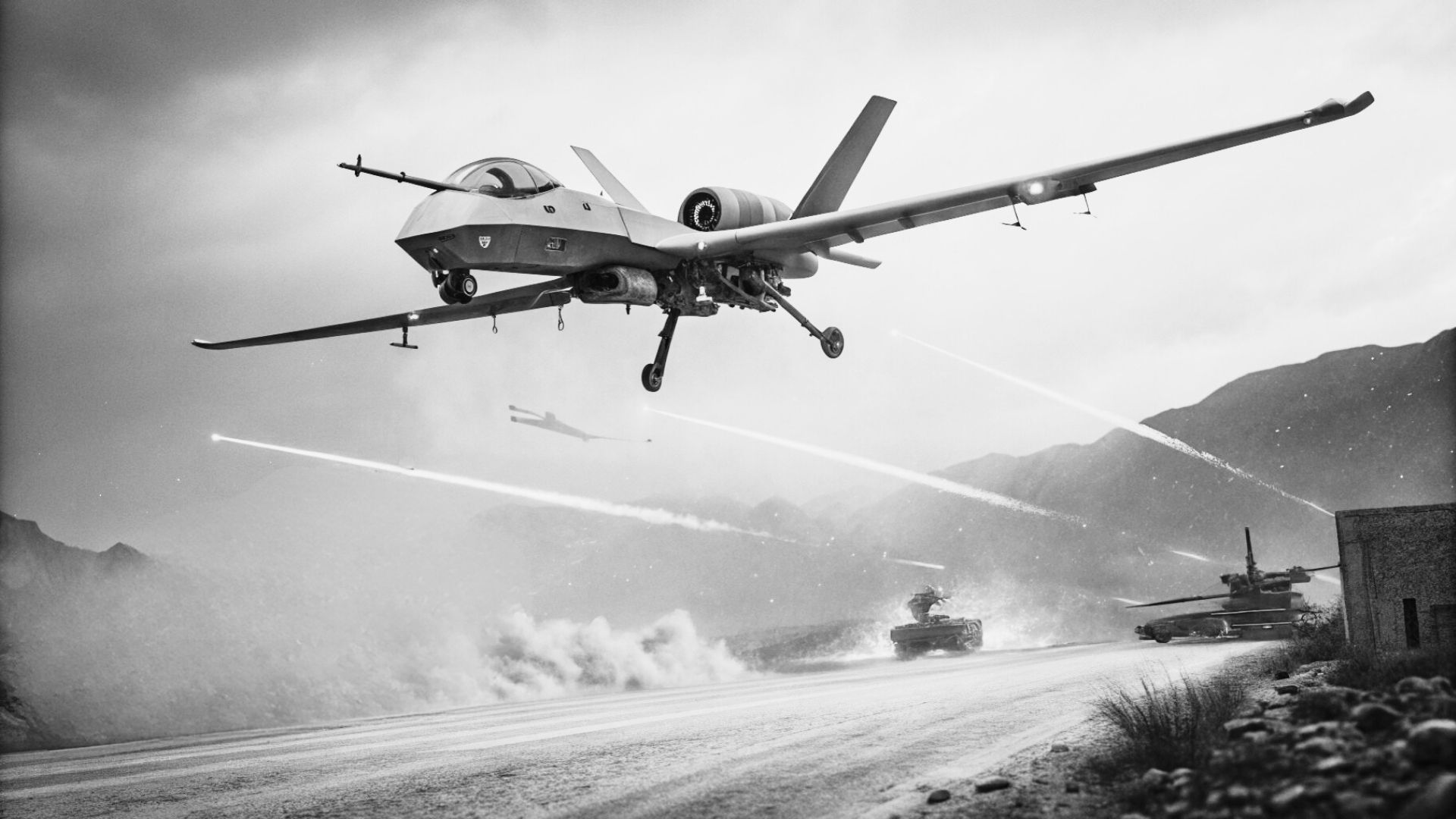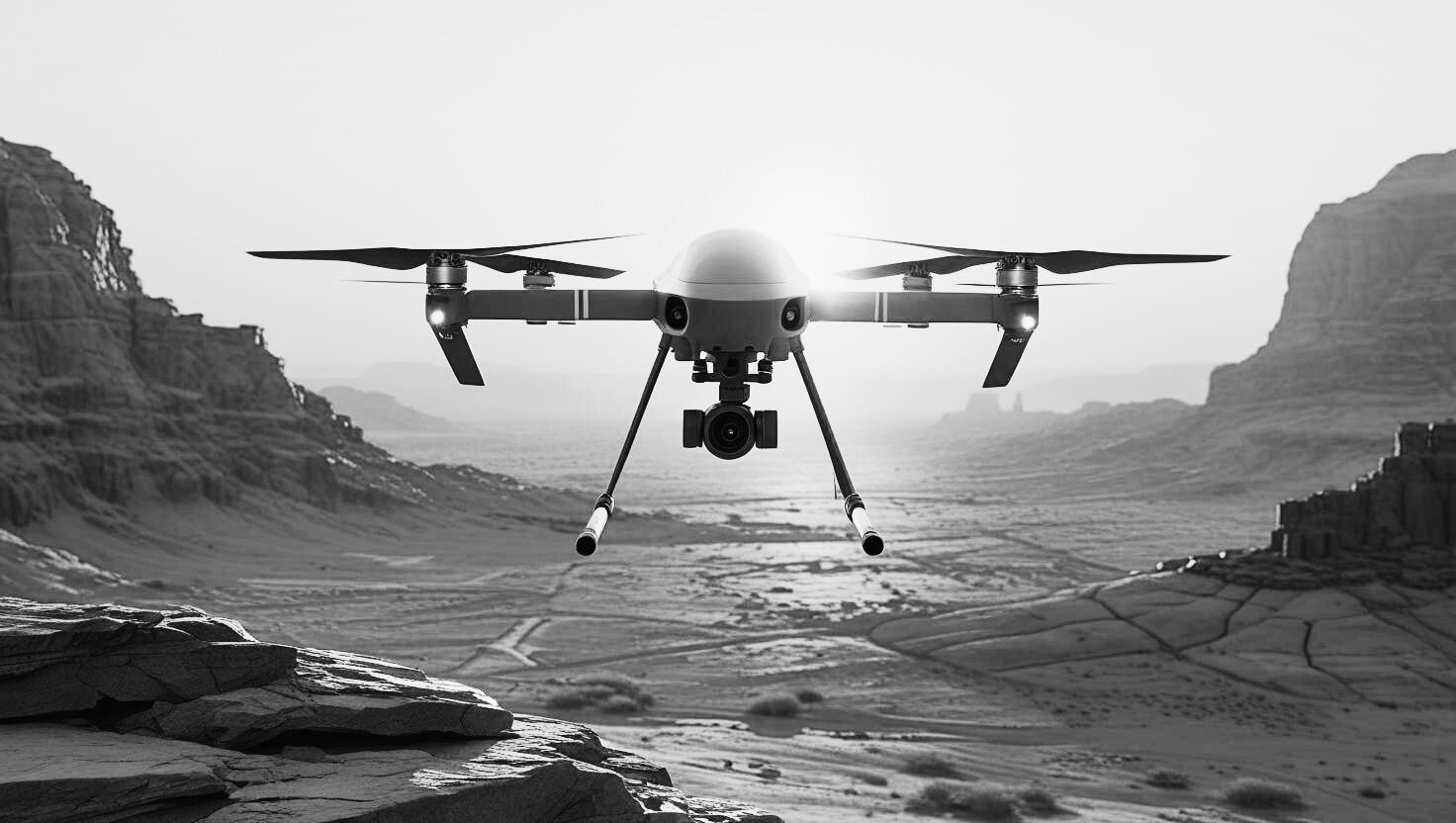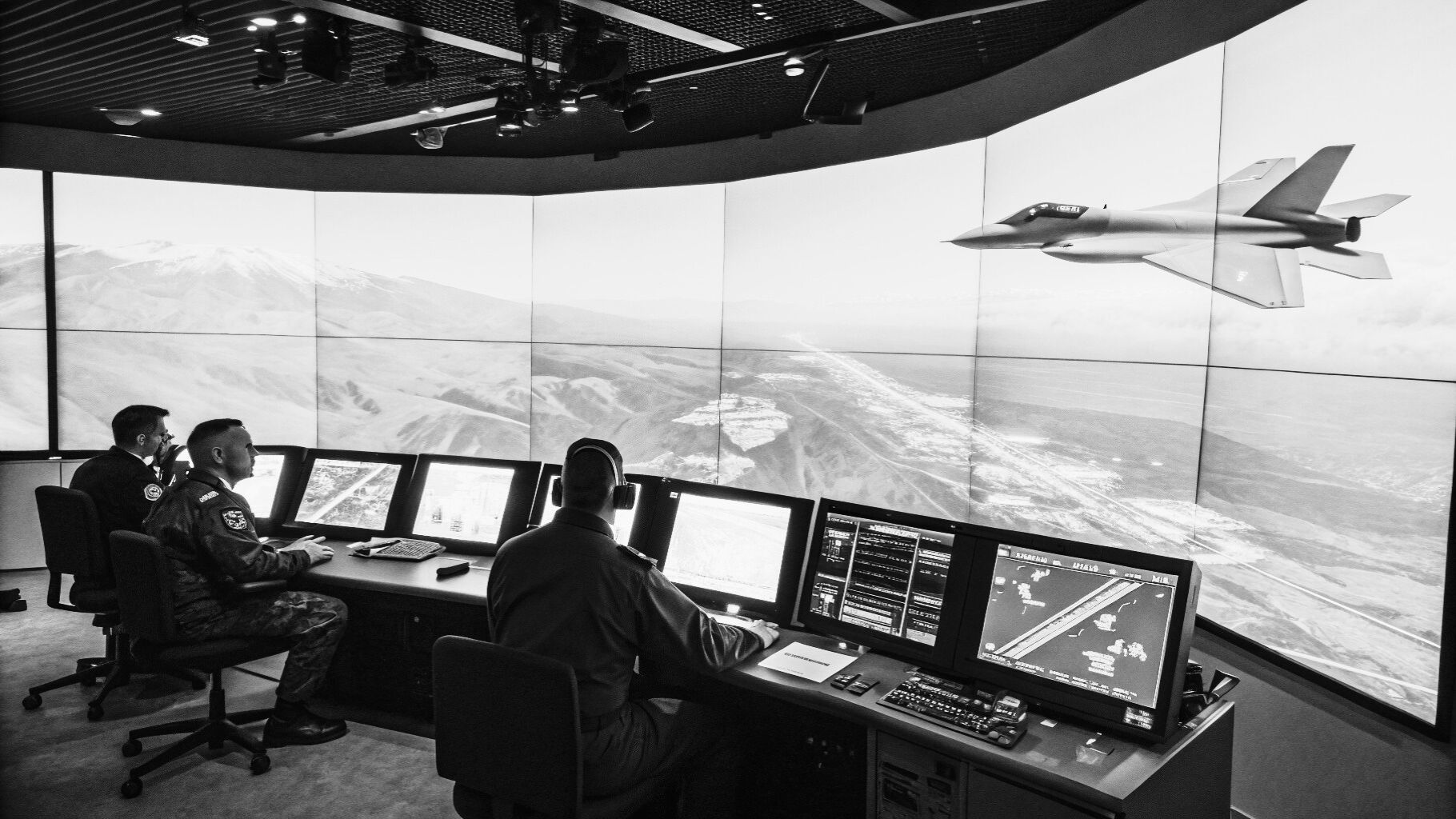

The Indian Navy and Hindustan Aeronautics Limited (HAL) are advancing the Navy Combat Air Teaming System (N-CATS), a carrier-based Loyal Wingman unmanned combat aerial vehicle (UCAV) intended to operate in coordination with manned naval fighter aircraft. Although the project originates from HAL’s broader Combat Air Teaming System (CATS) programme, recently released concept images indicate that the naval version may be a substantially redesigned platform rather than a direct adaptation of the existing CATS Warrior.
Concept artwork suggests that the N-CATS Warrior Navy is being developed as a stealthy, multi-role UCAV optimized for aircraft carrier operations. The design incorporates folding wings for efficient storage and handling aboard carriers, while also emphasizing low-observable features, combat teaming functionality, and a payload capacity of roughly one tonne.
The projected payload is notably greater than that of the land-based CATS Warrior, which can carry around 650 kilograms. This increase points to a larger and more capable airframe with expanded operational potential. Additional indications of a larger design include a twin air-intake arrangement, which is typically associated with more powerful propulsion systems and greater internal fuel capacity.
These characteristics suggest the naval UCAV could belong to a heavier weight category, potentially exceeding three tonnes at maximum take-off weight. Such growth would be necessary to accommodate carrier-specific requirements, including reinforced structures, increased fuel reserves, robust landing gear for arrested recoveries, folding-wing mechanisms, and advanced avionics for autonomous deck operations.
The N-CATS initiative supports the Indian Navy’s broader objective of integrating unmanned platforms into future carrier air wings. Loyal Wingman drones are designed to complement manned aircraft by extending sensor coverage, carrying additional weapons, conducting electronic warfare, gathering intelligence, and multiplying combat effectiveness in contested environments.
In service, the platform could operate alongside the Navy’s MiG-29K fleet and future Rafale M fighters. During operations, the UCAV could fly ahead of manned aircraft to identify targets, relay battlefield information, deliver stand-off weapons, conduct reconnaissance, or act as a decoy to complicate enemy air-defense networks.
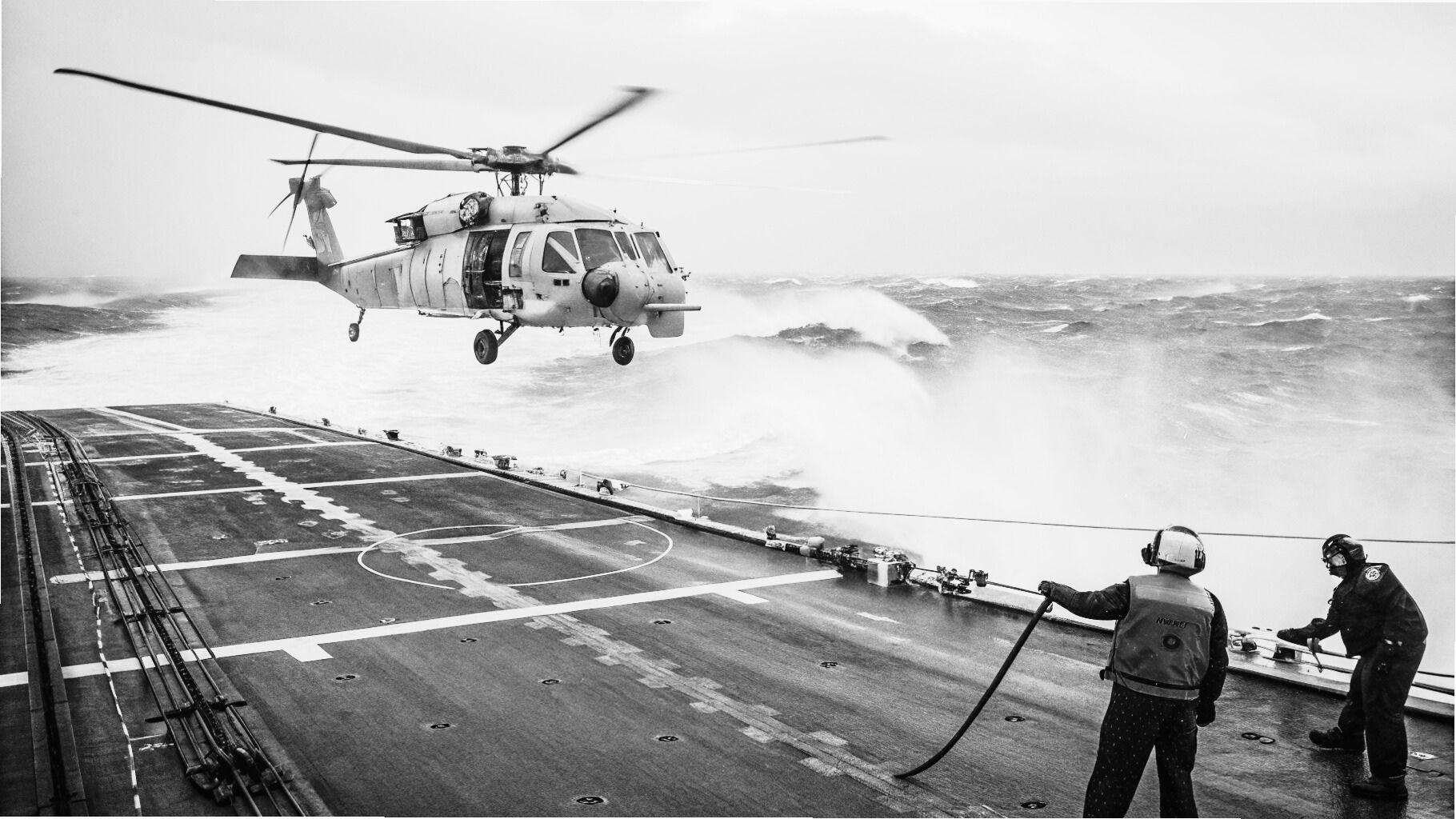
Unlike land-based loyal wingman programmes, N-CATS must meet the demanding requirements of carrier aviation, including ski-jump or catapult launches, arrested landings, maritime environmental conditions, and complex flight-deck procedures. These challenges make it increasingly likely that the programme will evolve into a purpose-built naval UCAV rather than a modified version of the Warrior demonstrator.
The project also complements the Indian Navy’s parallel unmanned aviation efforts, including the Ghatak-derived Naval Unmanned Combat Aerial Vehicle (NUCAV). While NUCAV is expected to focus on long-range strike, endurance, and aerial refuelling missions, N-CATS appears tailored for tactical combat teaming and carrier-based operations.