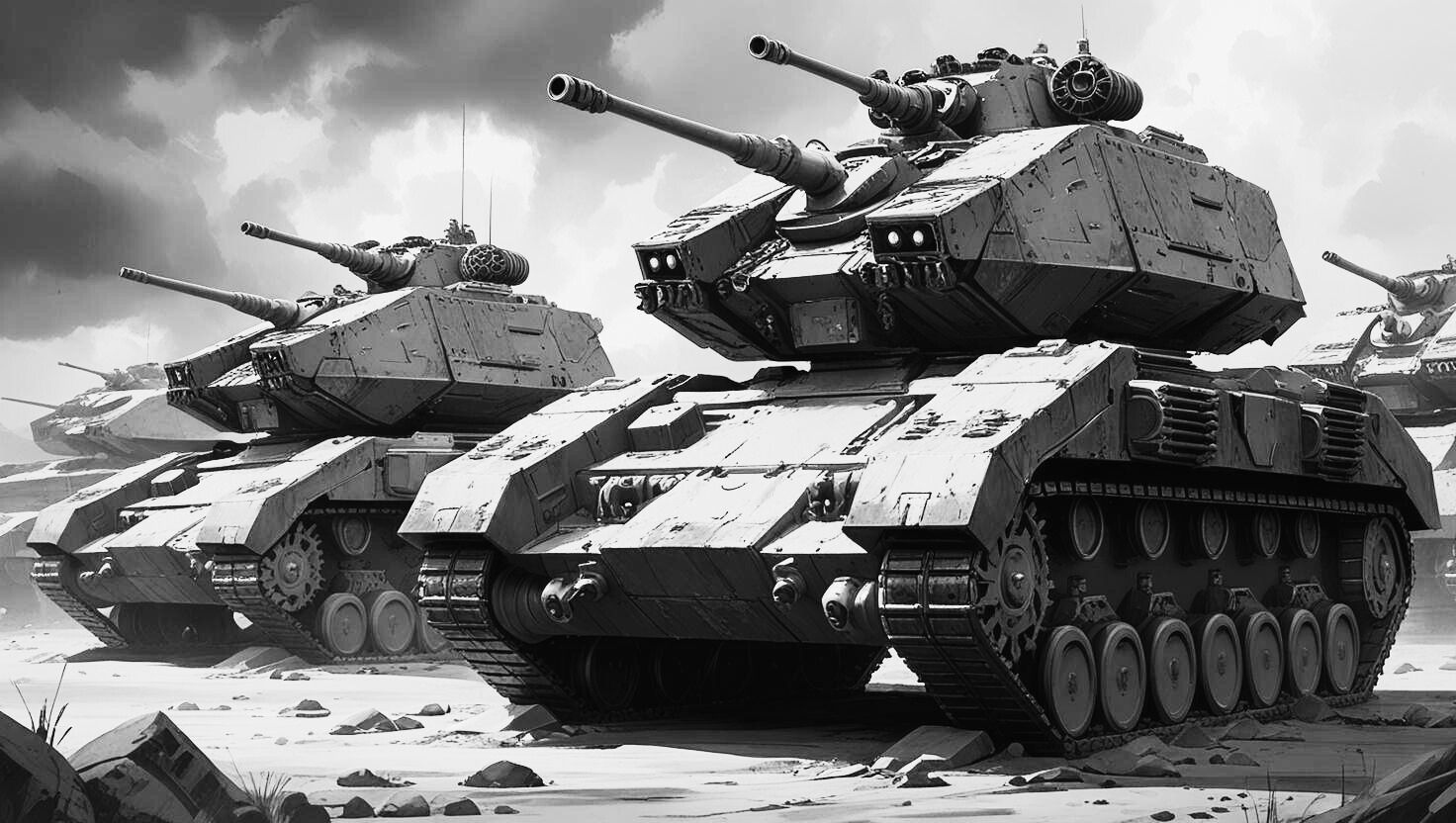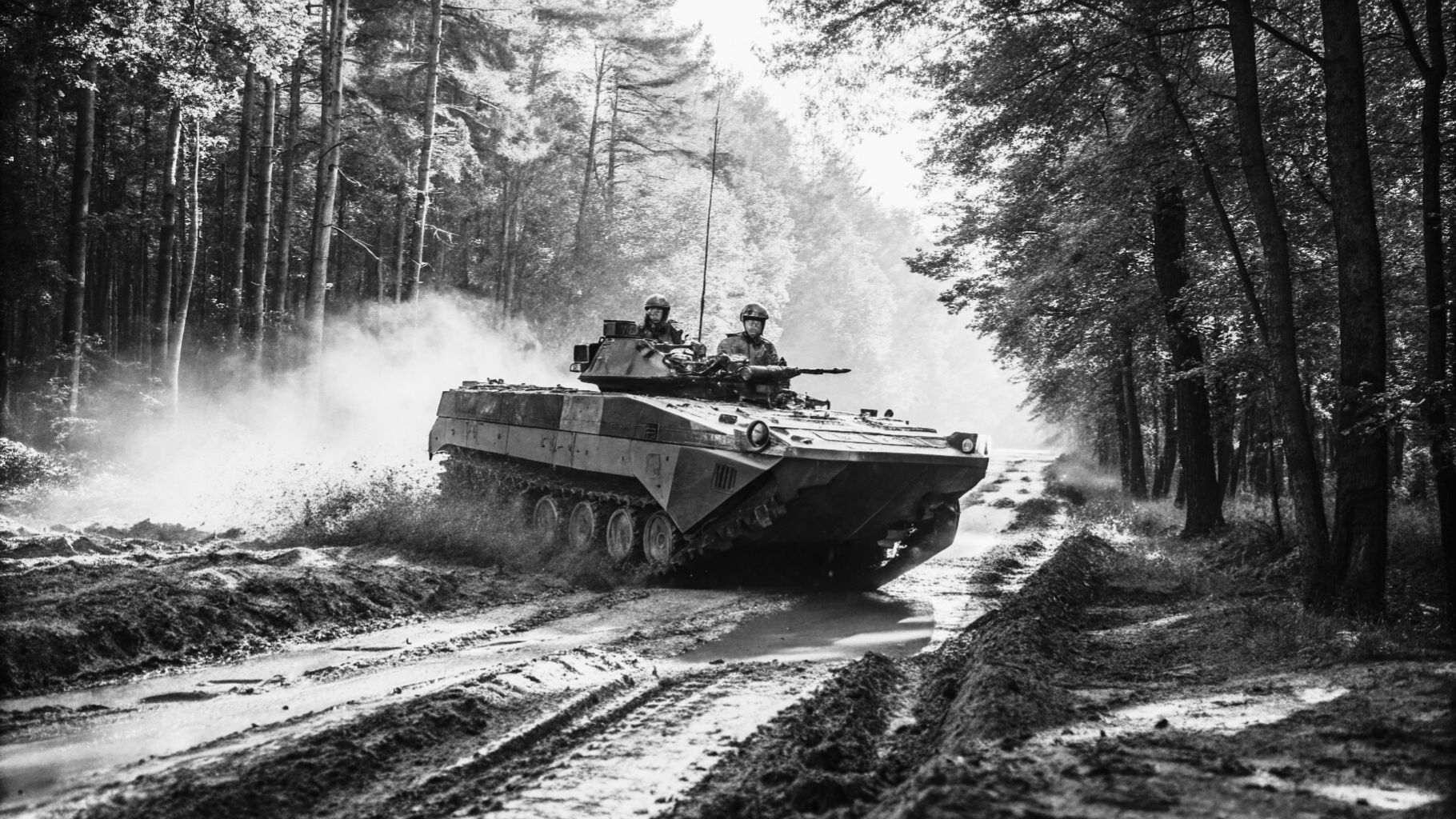
India has reportedly begun work on an indigenous 105mm gun for the Zorawar Light Battle Tank programme, marking another important milestone in the country’s effort to reduce dependence on imported weapon systems for future armoured platforms.
Sources familiar with the development told idrw.org that work on the locally developed gun has already started, with an internal objective of making the system operational within the next five years. The indigenous weapon is expected to eventually replace the Belgian-origin 105mm rifled gun currently fitted on the Zorawar prototype.
At present, the Zorawar Light Battle Tank uses the Cockerill 3105 turret supplied by Belgium’s John Cockerill Defense. The turret is armed with a high-pressure 105mm rifled cannon specifically designed for lightweight armored vehicles operating in mountainous and high-altitude environments.
Jointly developed by DRDO and Larsen & Toubro (L&T), the Zorawar programme is intended to meet the Indian Army’s urgent requirement for a light tank capable of operating effectively in regions such as Eastern Ladakh and other sectors along the Line of Actual Control (LAC).
According to sources, the first production batch of around 59 Zorawar tanks is likely to continue using the imported Cockerill 3105 turret and gun system in order to speed up induction and address immediate operational needs.
However, later production versions are expected to gradually incorporate higher levels of indigenous content, including the locally developed 105mm gun. The effort aligns closely with India’s broader “Atmanirbhar Bharat” initiative aimed at strengthening domestic defence manufacturing and reducing reliance on foreign suppliers.
Developing the indigenous gun is expected to require significant redesign and engineering work, as lightweight tank guns intended for high-altitude use demand different optimizations compared to conventional main battle tank cannons. Key focus areas are likely to include recoil management, weight reduction, thermal stability, and maintaining firing accuracy under harsh climatic conditions.
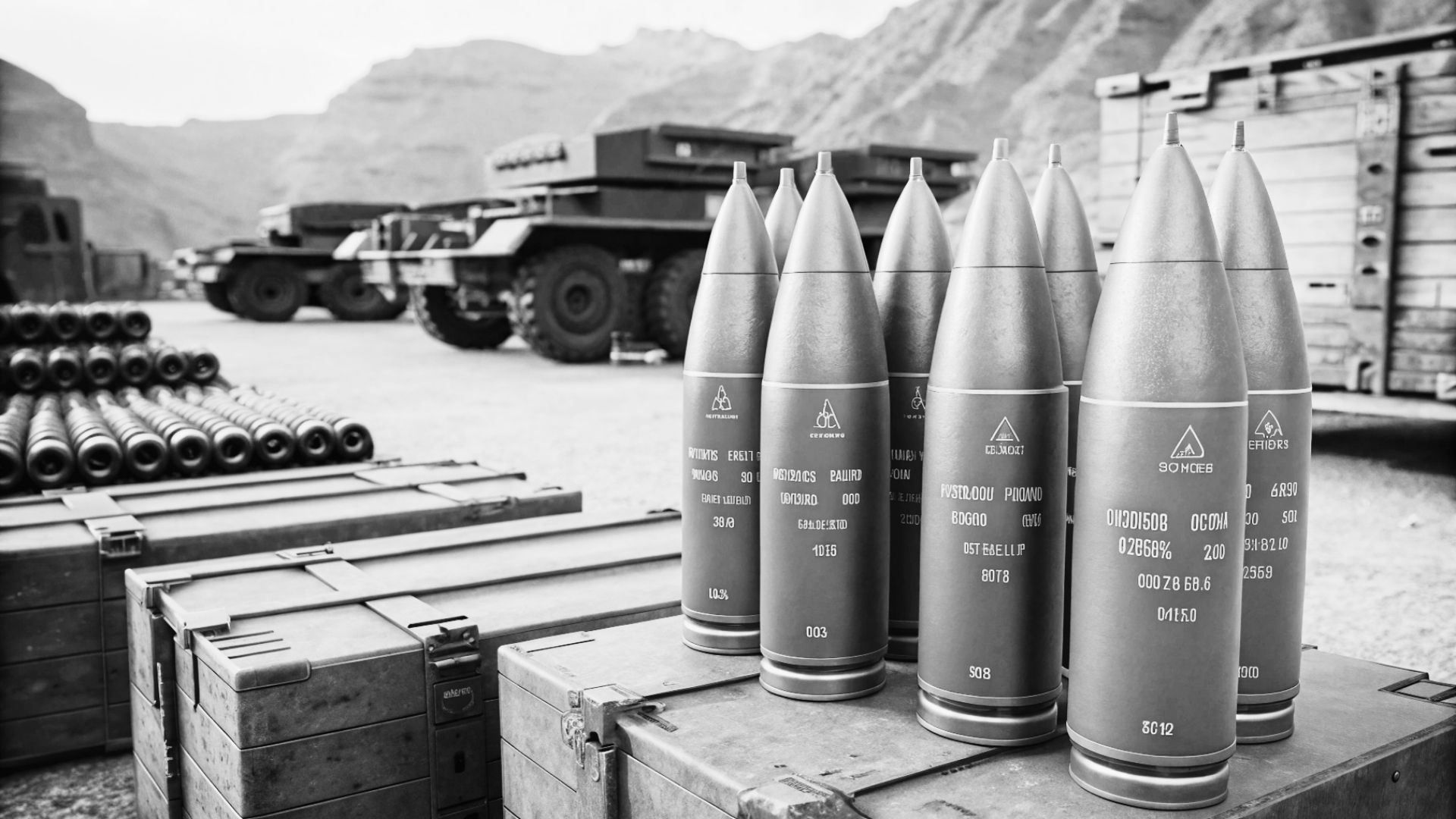
The new weapon system is also expected to support modern NATO-standard 105mm ammunition types, including APFSDS, HEAT, and programmable multi-purpose rounds. Integration of anti-tank guided missile firing capability could also be considered in the future depending on Army requirements.
The indigenous gun development timeline also complements the Army’s phased procurement strategy for the Zorawar platform. While the initial order is expected to remain relatively small, defence sources suggest a second phase involving nearly 300 additional tanks could follow if the platform performs successfully during operational evaluations.
Such a large follow-on order would make localization of major subsystems economically practical and strategically beneficial, especially for critical components such as the main gun, fire-control systems, and ammunition ecosystem.
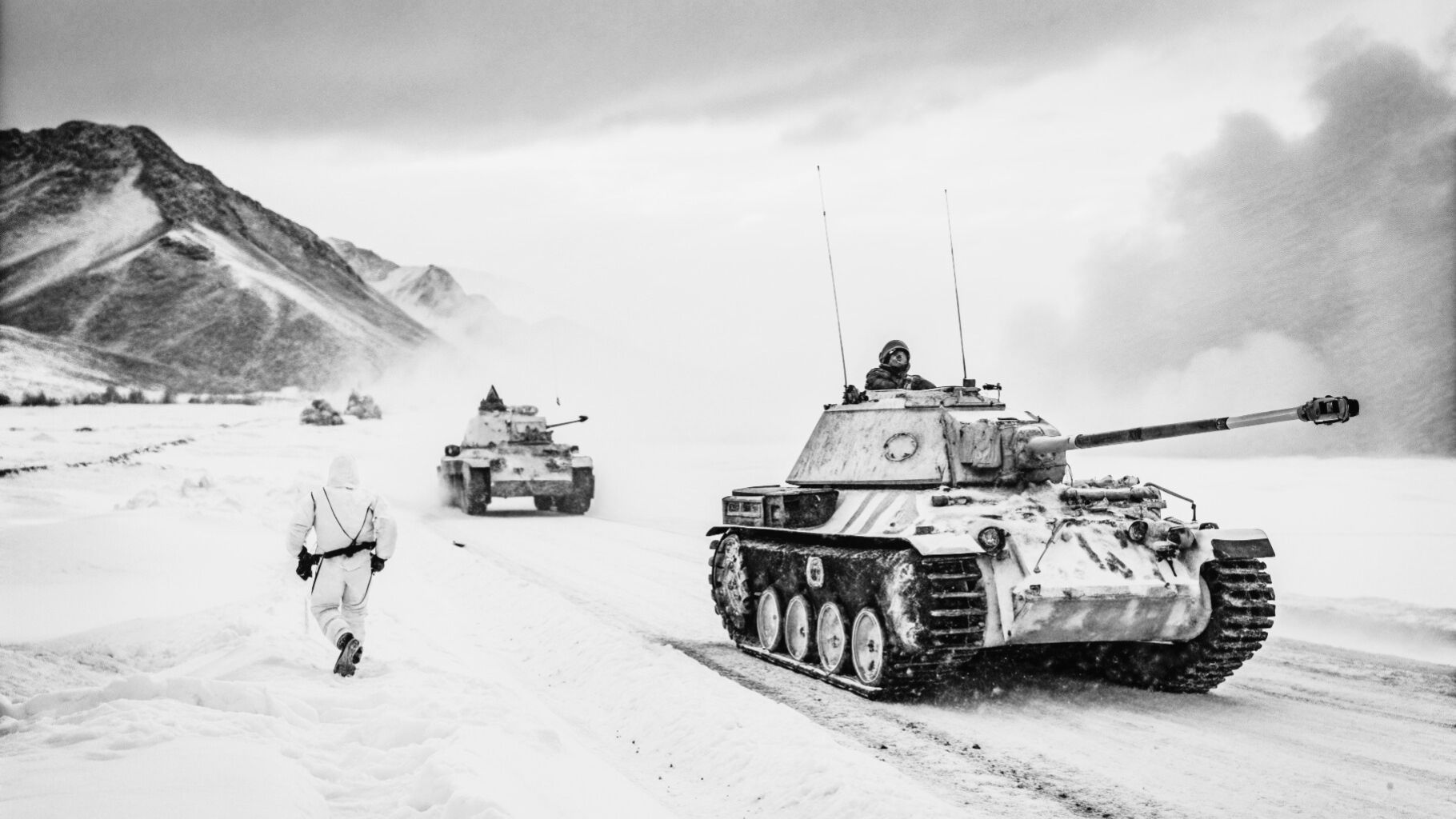
The Zorawar programme itself reflects a major doctrinal shift within the Indian Army. Traditionally focused on heavier tanks optimized for plains and desert warfare, the Army accelerated its light tank requirement after tensions escalated along the India-China border in Eastern Ladakh, where mobility and high-altitude capability became increasingly important.
Unlike heavier platforms such as the T-90 and Arjun Mk-1A, the Zorawar has been designed for enhanced mobility in mountainous terrain while remaining air-transportable by aircraft such as the C-17 Globemaster III. Its lower combat weight also improves logistical flexibility in remote forward areas with limited infrastructure.