As global helicopter development increasingly shifts toward high-speed tilt-rotor and hybrid rotorcraft, India is pursuing a different approach with its Indian Multi-Role Helicopter (IMRH) program. Rather than prioritizing maximum speed, Hindustan Aeronautics Limited (HAL) has focused on high-altitude performance, heavy-lift capability, and operational reliability, addressing the unique requirements of the Indian Armed Forces in the Himalayan region.
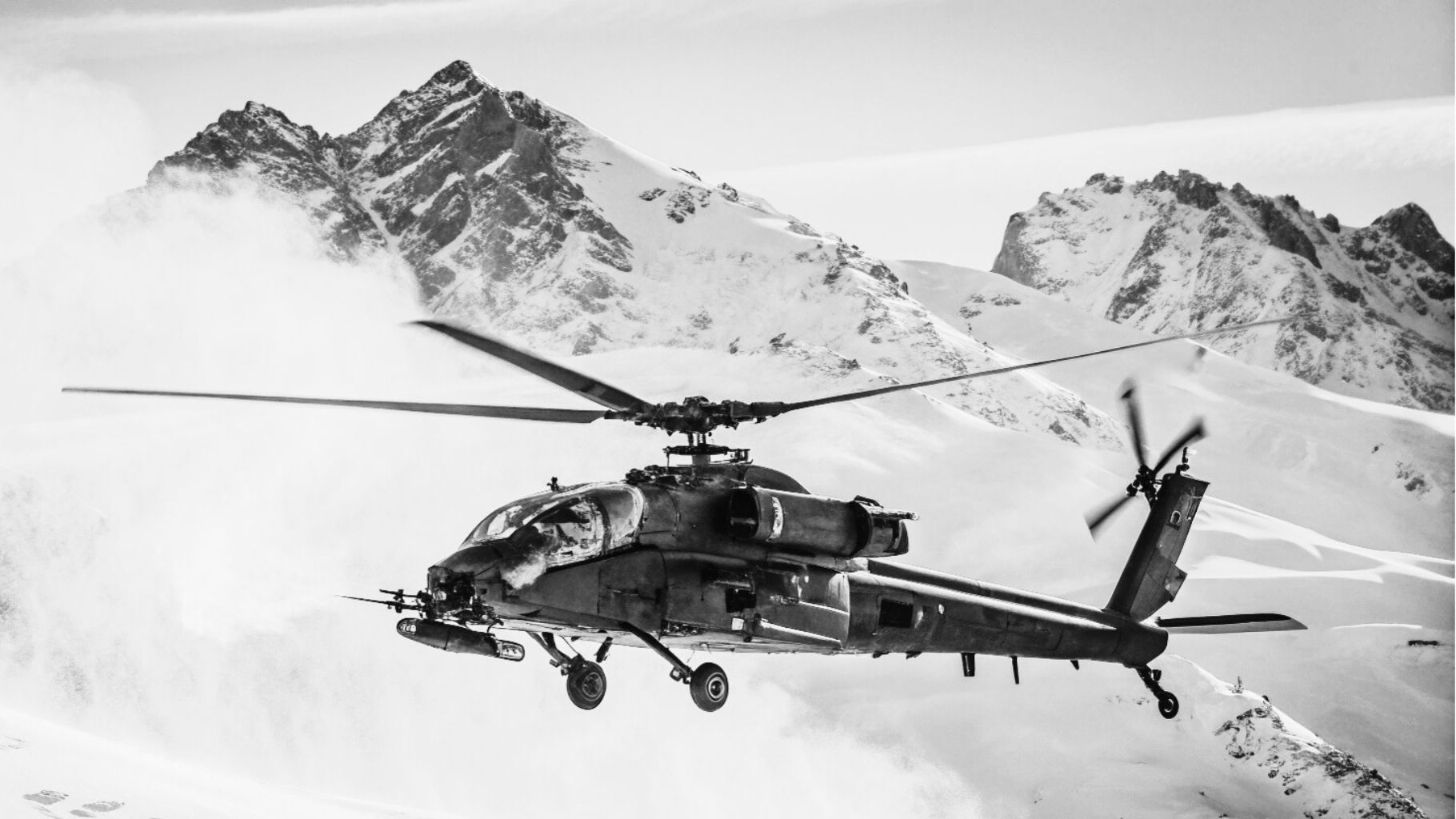
While platforms such as the Bell V-280 Valor and Airbus Racer achieve speeds of 400–550 km/h through tilt-rotor or hybrid propulsion technologies, the IMRH employs a conventional large main rotor configuration. Although this limits its top speed to approximately 260–280 km/h, it enables the helicopter to operate effectively at altitudes approaching 6,000 meters, including demanding environments such as Siachen Glacier and Ladakh.
The IMRH’s design philosophy reflects a deliberate operational trade-off. High-speed hybrid propulsion systems add weight, mechanical complexity, and maintenance demands that can reduce performance in thin-air conditions. For India, the ability to transport heavy payloads, sustain stable hovering, and conduct missions at extreme altitude is considered far more valuable than higher cruising speeds.
These characteristics make the IMRH particularly suitable for mountain warfare, where limited landing zones require helicopters to hover while conducting troop insertion, casualty evacuation, and logistical resupply missions.
Although externally conventional, the IMRH incorporates several advanced technologies expected in next-generation military helicopters.
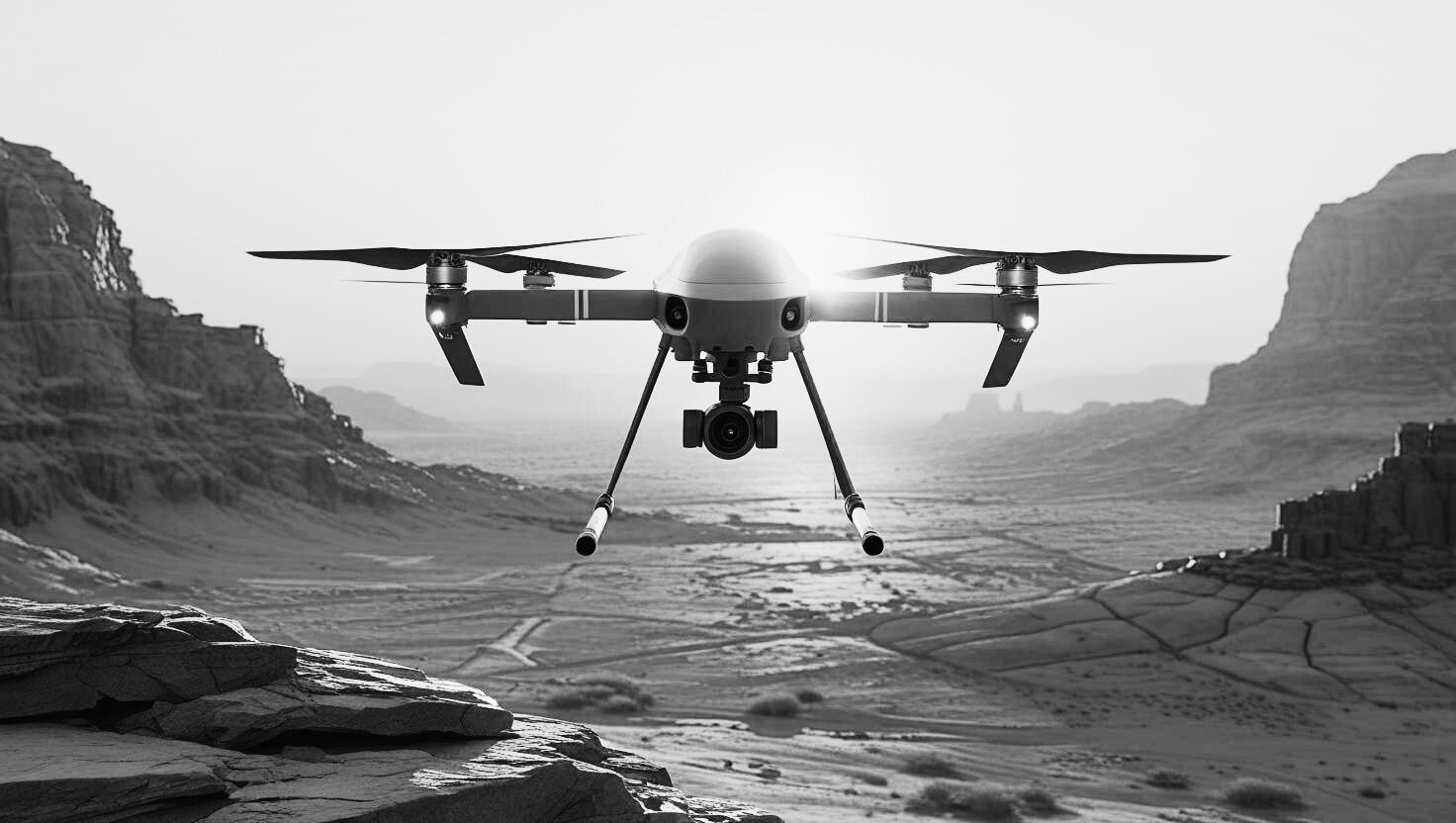
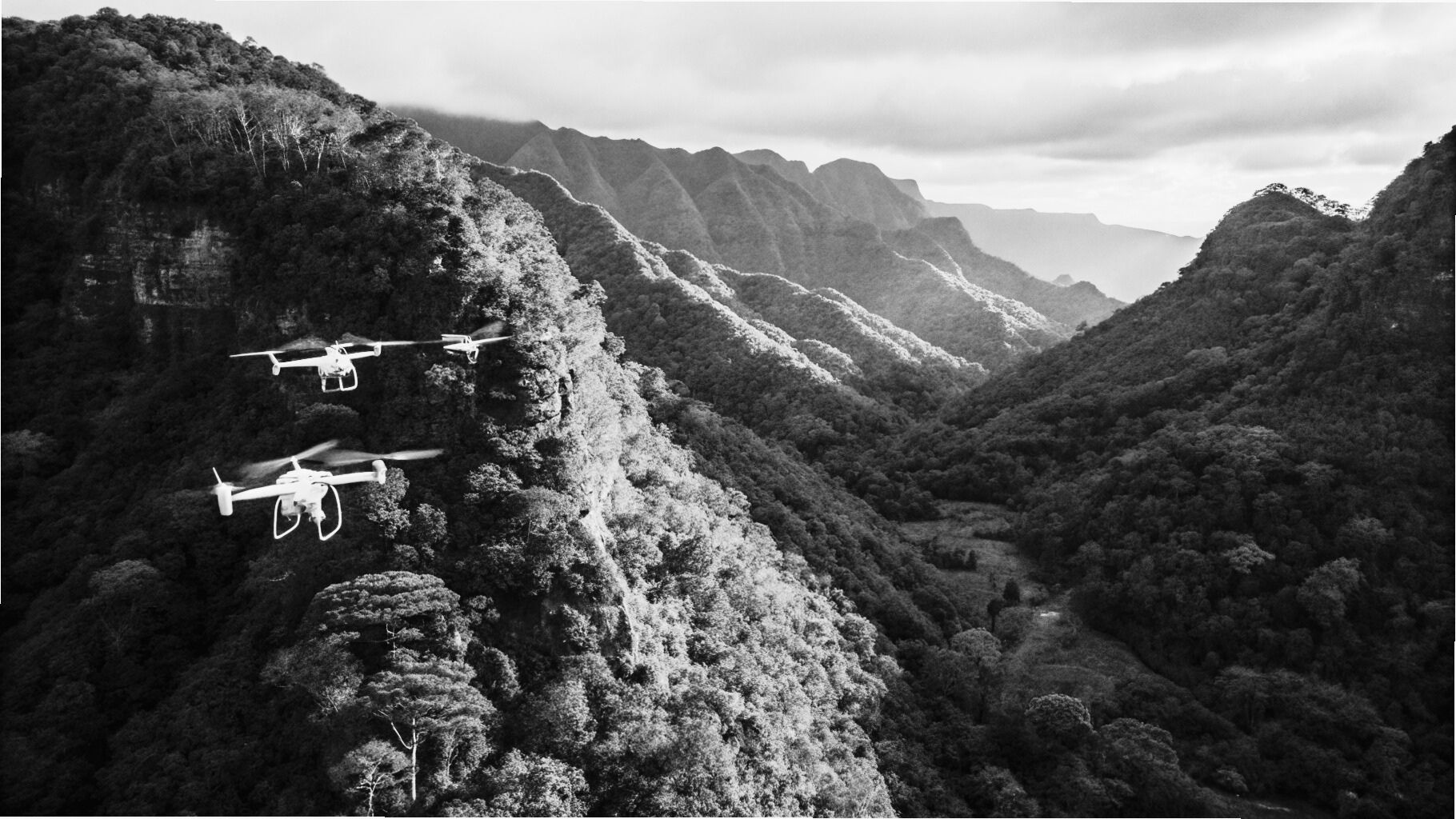
One of its key capabilities is Manned-Unmanned Teaming (MUM-T). The helicopter is being designed to function as a command platform capable of controlling indigenous unmanned systems, including swarm drones such as the Sheshnaag-150. This capability would enable the IMRH to deploy drones for reconnaissance, surveillance, or strike missions while remaining outside high-threat areas.
The aircraft will also feature a fully digital “smart glass” cockpit equipped with AI-assisted decision-support systems, similar to technologies being developed for the Tejas Mk2 fighter. These systems are intended to improve situational awareness, reduce pilot workload, and enhance mission effectiveness in demanding operational environments.
To improve performance and survivability, more than 60 percent of the airframe will be constructed from composite materials. These lightweight structures reduce overall weight while improving structural strength and crashworthiness, an important advantage during operations in rugged mountainous terrain.
HAL is also integrating advanced autonomous flight functions that can assist pilots during complex missions, enhance flight safety, and reduce cognitive workload. These features demonstrate that modern helicopter capability is increasingly defined by intelligent automation rather than rotor configuration alone.
Compared with international rotorcraft, the IMRH occupies a unique operational niche. While aircraft such as the V-280 Valor emphasize high-speed, long-range operations and the Airbus Racer focuses on rapid response and efficiency, the IMRH has been specifically optimized for high-altitude, heavy-lift, and extreme-terrain missions, making it well suited to India’s strategic requirements.