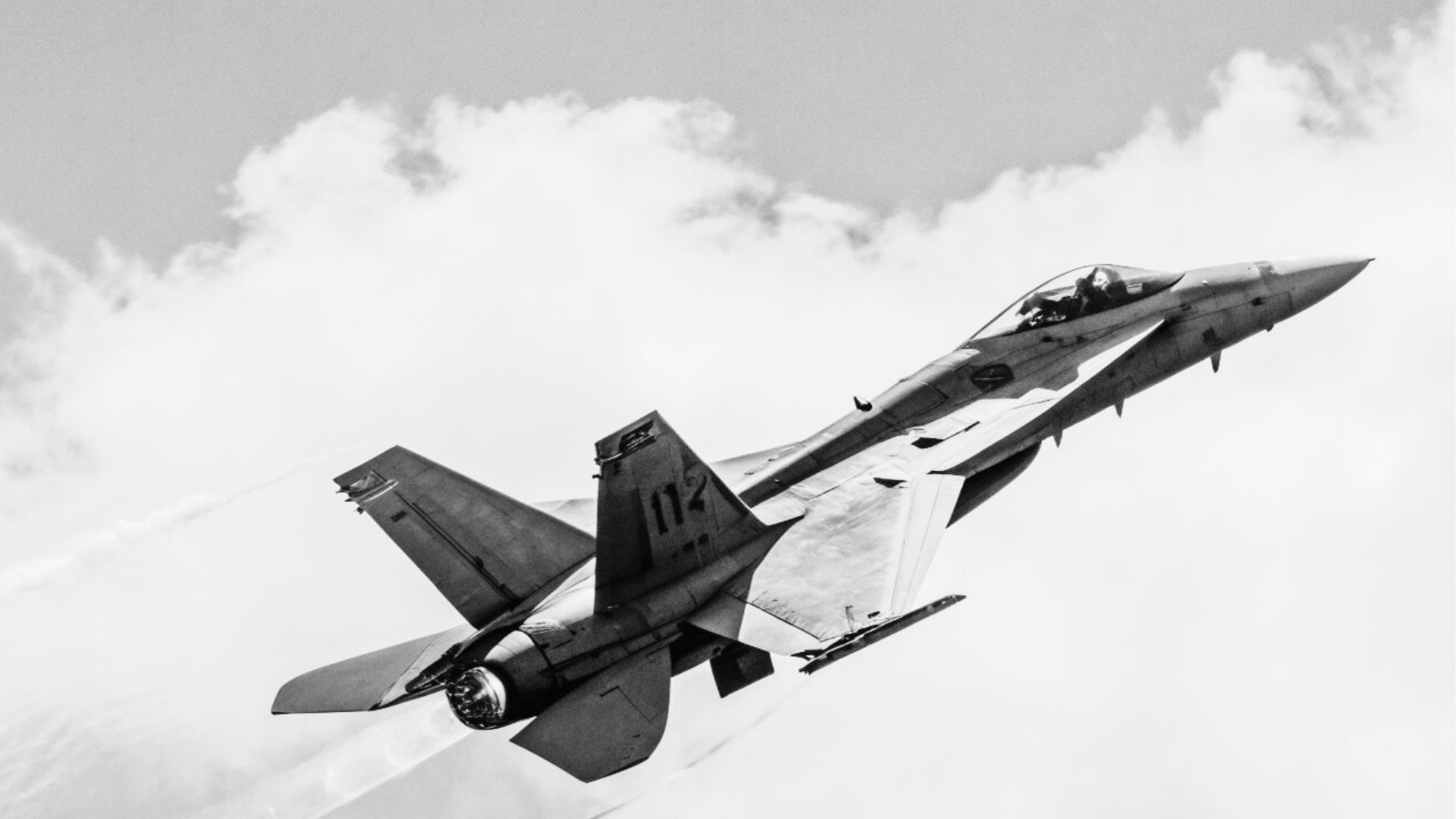
The Defence Research and Development Organisation (DRDO) is developing the Astra Mk3 as India’s first indigenous Very Long-Range Beyond Visual Range Air-to-Air Missile (VLR-BVRAAM), a next-generation weapon expected to significantly enhance the Indian Air Force’s (IAF) long-range air combat capability. Once operational, the missile will offer a cost-effective indigenous alternative to imported systems while reducing dependence on foreign suppliers. However, large-scale production is not expected before the early 2030s, meaning the IAF will continue to rely on existing long-range missiles in the near term.
Unlike the Astra MkI and Astra MkII, which use conventional solid rocket motors, the Astra Mk3 is being developed around Solid Fuel Ducted Ramjet (SFDR) propulsion. This advanced technology enables the missile to maintain sustained thrust throughout much of its flight, preserving higher energy levels during the terminal phase and improving its ability to engage highly maneuverable aerial targets.
The ramjet propulsion system places the Astra Mk3 in the same technological category as Europe’s Meteor missile, widely regarded as one of the world’s most advanced beyond-visual-range air-to-air weapons.
Under favorable launch conditions, the Astra Mk3 is expected to achieve engagement ranges exceeding 300 kilometers, while offering a significantly larger no-escape zone against modern fighter aircraft. Such capabilities would strengthen the IAF’s ability to counter advanced regional threats, including Chinese fighters equipped with the PL-15 missile and Pakistan’s JF-17 Block III fleet.
A major advantage of the Astra Mk3 is its indigenous design. Domestic production would reduce procurement costs, eliminate dependence on overseas suppliers, and provide India with complete control over software updates, seeker improvements, and future upgrades. It would also enable the IAF to field larger inventories of very-long-range missiles more economically.
Developing a ramjet-powered missile, however, is considerably more challenging than producing conventional rocket-powered systems. The SFDR engine must undergo extensive validation, followed by captive carriage trials, guided flight testing, seeker verification, datalink integration, electronic warfare assessments, and user evaluation before the missile can enter serial production.
Following successful development, manufacturing infrastructure must also be established and qualified to support large-scale production. As a result, analysts expect operational induction in significant numbers only during the early 2030s.
Until then, the IAF is expected to continue operating the Meteor for its longest-range engagements while expanding deployment of the Astra MkII across platforms such as the Su-30MKI, Tejas Mk2, and future combat aircraft.
The Astra MkII, with an engagement range of approximately 220–240 kilometers, is expected to form the backbone of India’s indigenous long-range air combat capability until the Astra Mk3 becomes operational.
Once inducted, the IAF is expected to field a layered missile inventory, with Astra MkI serving medium-range missions, Astra MkII covering long-range engagements, and Astra Mk3 providing very-long-range capability against high-value airborne targets and advanced enemy fighters. This multi-tiered approach mirrors the strategy adopted by leading air forces worldwide.
Beyond the missile itself, the Astra Mk3 programme represents a major technological milestone for India by advancing expertise in solid-fuel ramjet propulsion, advanced seekers, high-speed datalinks, and long-range guidance technologies, strengthening the foundation for future indigenous air-to-air missile development.