Before the advent of Active Electronically Scanned Array (AESA) radar, conventional radar systems relied on mechanically rotating antennas that slowly scanned the horizon, resulting in delays in target detection and tracking. AESA technology transformed radar operations by electronically steering radar beams within fractions of a second instead of physically moving the antenna, delivering faster target acquisition, improved resistance to electronic warfare, and greater operational flexibility. Today, AESA radar forms the backbone of modern fighter aircraft, missile defense systems, naval combatants, airborne early warning platforms, and ground-based surveillance networks.
What is AESA Radar?
An Active Electronically Scanned Array (AESA) radar employs hundreds or even thousands of individual transmit/receive modules (TRMs), each capable of independently transmitting and receiving radar signals. By electronically controlling these modules, the radar rapidly redirects its beam without any mechanical movement, enabling simultaneous tracking of multiple targets, rapid mission switching, and superior performance in electronically contested environments.
Evolution of AESA Technology
AESA technology evolved from Passive Electronically Scanned Array (PESA) radars introduced during the 1960s. The breakthrough came with the development of compact solid-state transmit/receive modules, allowing each radar element to generate and process its own signals independently.
Major defense companies—including Raytheon, Northrop Grumman, Lockheed Martin, Thales, Leonardo, and Mitsubishi Electric—played key roles in advancing operational AESA systems.
Significant milestones include:
During the 1980s and 1990s, Gallium Arsenide Monolithic Microwave Integrated Circuit (GaAs MMIC) technology enabled practical active phased-array radars.
In 1988, Japan introduced the OPS-24 aboard the Asagiri-class destroyer, becoming the first serially produced naval AESA radar.
In 1995, Japan’s J/FPS-3 became the world’s first operational ground-based military AESA radar.
In 2000, the Mitsubishi F-2 entered service equipped with the J/APG-1, the first operational fighter-mounted AESA radar.
During the 2000s, the U.S. Air Force fielded the F-15 equipped with Raytheon’s APG-63(V)2, marking the first operational American fighter with AESA capability.
How AESA Radar Works
Traditional mechanically scanned radars rotated a single antenna to scan the sky, creating unavoidable delays between sweeps that could allow fast-moving threats to evade continuous observation.
AESA radars eliminate mechanical movement entirely by using hundreds or thousands of independently controlled transmit/receive modules. Through precise control of signal timing and phase across these modules, the radar electronically steers its beam almost instantly in any direction.
This enables an AESA radar to simultaneously perform multiple missions, including air-to-air tracking, terrain mapping, missile guidance, maritime surveillance, and electronic warfare support, without switching operating modes.
AESA radars also feature Low Probability of Intercept (LPI) capability by rapidly changing frequencies and transmission patterns, making them significantly more difficult for adversaries to detect, jam, or spoof.
The modular architecture further enhances survivability. Even if individual TRMs are damaged or fail, the radar continues operating with only minor performance degradation rather than complete system failure.
Key Advantages
Rapid detection and simultaneous tracking of multiple airborne and surface threats.
High resistance to jamming, spoofing, and electronic attack.
Improved reliability through distributed transmit/receive architecture.
Multi-role operation without sacrificing situational awareness.
Lower probability of detection by hostile electronic support systems.
Limitations
Despite its advantages, AESA technology presents several engineering challenges:
High heat generation requiring advanced thermal management systems.
Complex software integration and sensor fusion requirements.
Higher manufacturing and lifecycle costs compared to mechanically scanned radars.
Types of AESA Radar
Airborne AESA
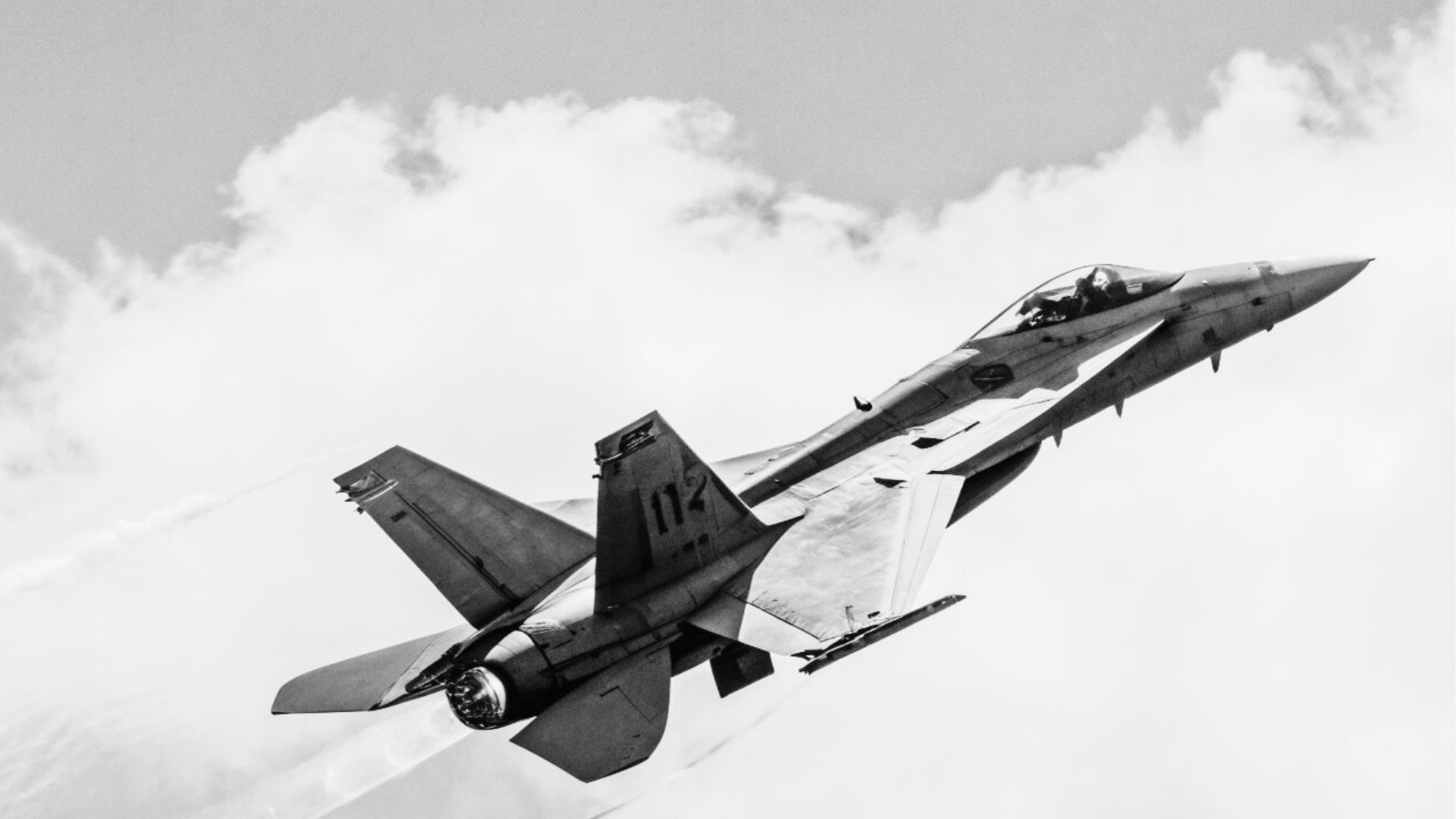
Designed for fighter aircraft, these systems prioritize compact size, rapid target acquisition, and multi-role functionality. Examples include the AN/APG-81 on the F-35 Lightning II, AN/APG-77 aboard the F-22 Raptor, and Captor-E for the Eurofighter Typhoon.
Naval AESA
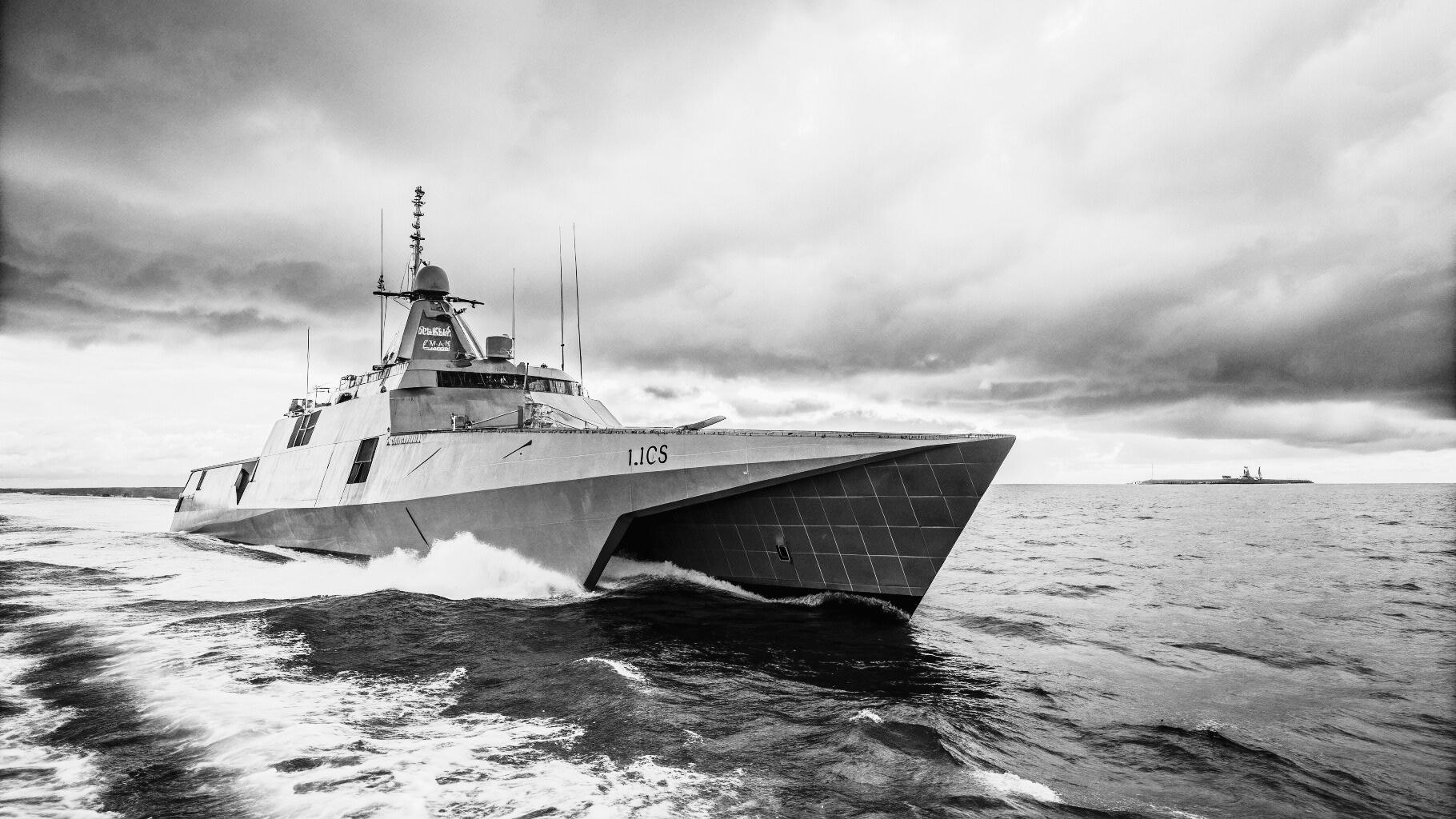
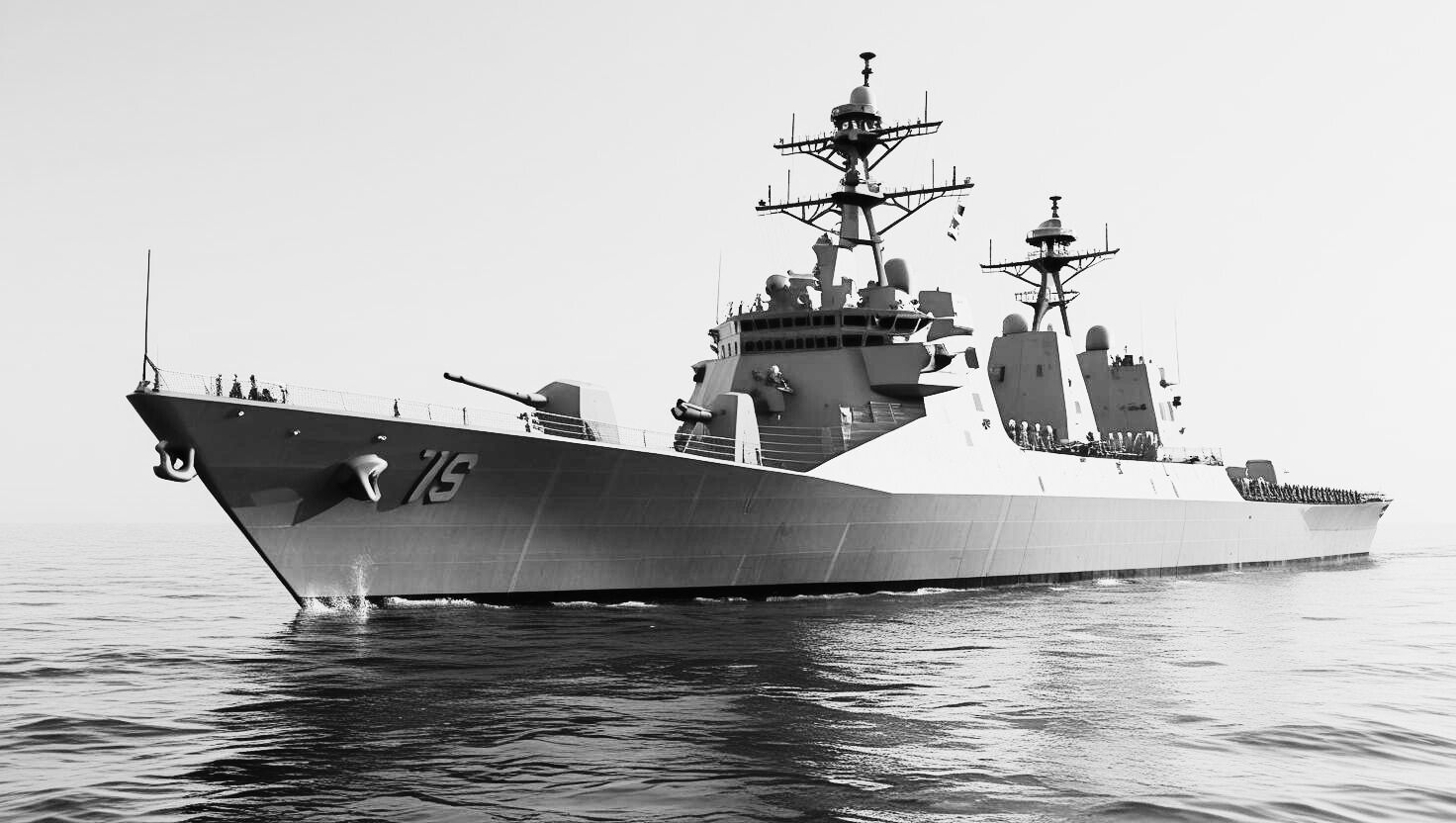
Warship-mounted AESA radars provide long-range surveillance, missile defense, and simultaneous air and surface tracking. The SPY-series radars deployed aboard U.S. Navy destroyers are among the most well-known examples.
Ground-Based AESA
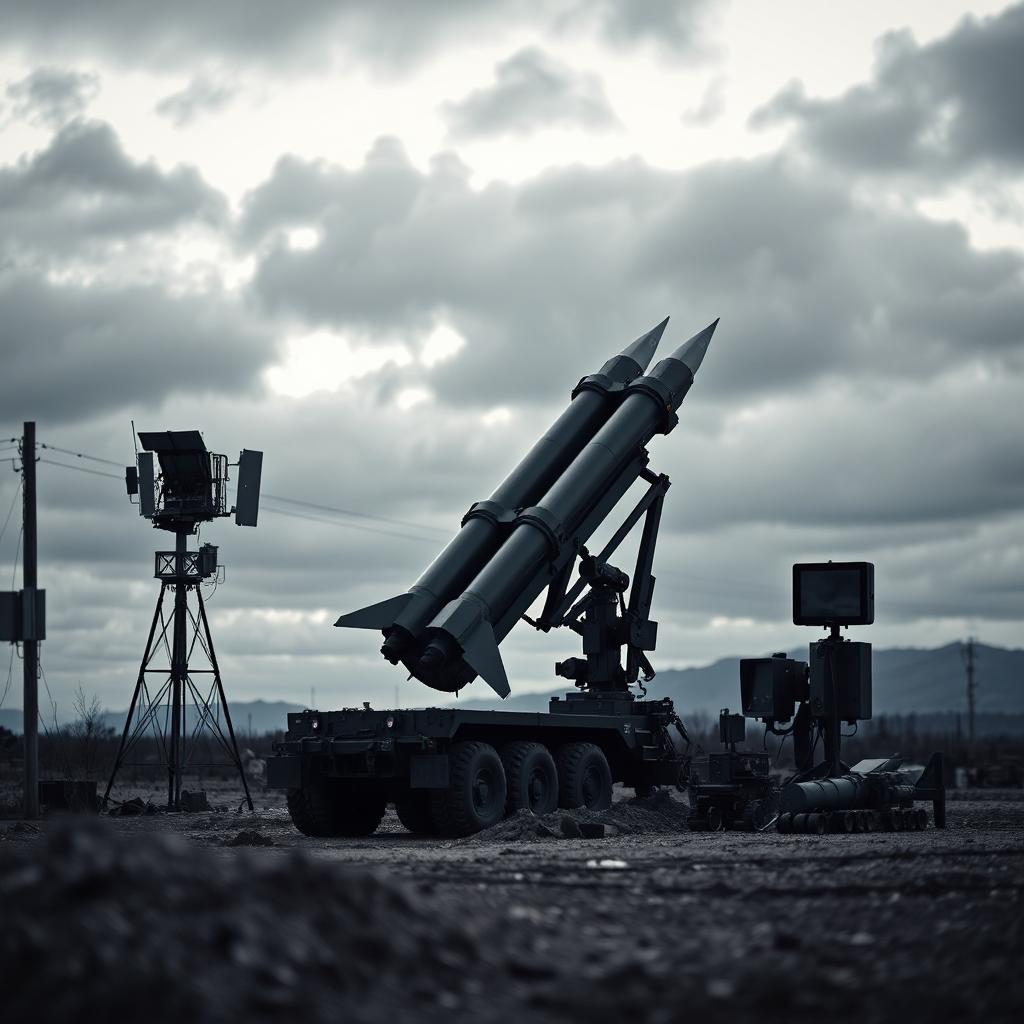
Land-based systems support integrated air and missile defense, counter-battery operations, and long-range surveillance. Prominent examples include the Patriot AN/MPQ-65, SAMP/T Arabel radar, and Germany’s TRML-4D.
Global Adoption
Initially pioneered by the United States, AESA radar provided a significant technological advantage for many years. However, the technology has since spread globally.
China has developed indigenous AESA radars for advanced combat aircraft such as the J-20 and J-16, while Russia has pursued AESA integration despite facing semiconductor-related challenges following sanctions imposed after 2022.
Meanwhile, Europe, Israel, Japan, and South Korea have all fielded competitive AESA systems, making electronically scanned radar a standard capability for modern combat aircraft and integrated air defense networks.
As more nations deploy AESA technology, battlefield superiority increasingly depends on software, sensor fusion, artificial intelligence, and network integration rather than radar hardware alone.
Future Outlook
Future AESA development will be driven by Gallium Nitride (GaN) semiconductor technology, artificial intelligence, and network-centric warfare concepts.
GaN-based radars promise higher power efficiency, longer detection ranges, and improved reliability. AI-enabled processing will enhance automatic target recognition, threat prioritization, and decision support.
Beyond serving as advanced sensors, next-generation AESA systems are expected to function as communication hubs and electronic warfare assets within highly integrated multi-domain combat networks, making them one of the defining technologies of future military operations.