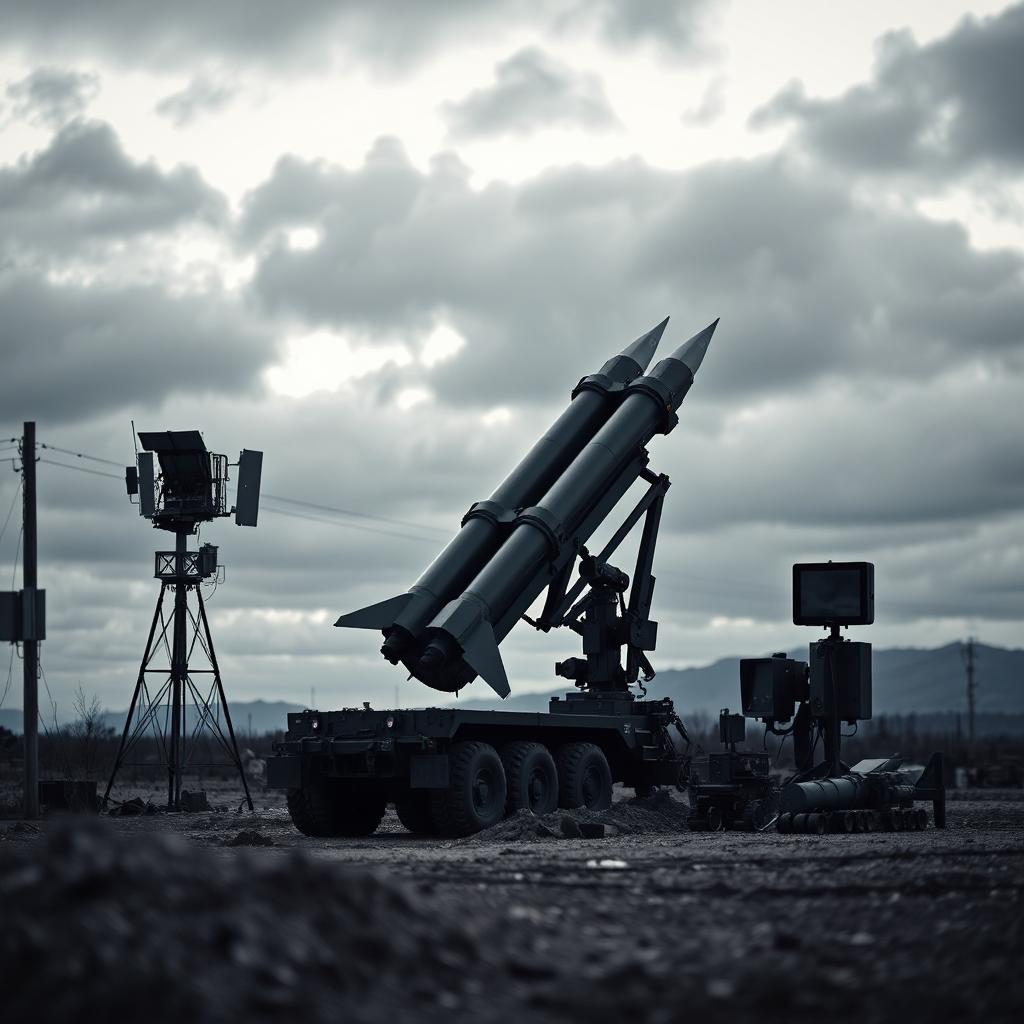

Bharat Electronics Limited (BEL) has entered the fast-growing loitering munition segment, an area that has until now been largely dominated by Indian private defence firms. The move marks a major expansion of BEL’s capabilities into autonomous strike systems, in line with rising military demand for precision-guided, expendable, and network-enabled battlefield platforms.
BEL’s loitering munition concept is described as a hybrid between a cruise missile and an unmanned combat aerial vehicle (UCAV). Designed for both autonomous and semi-autonomous operations, the system differs from conventional UAVs by being capable of independently searching for, identifying, tracking, and engaging targets with minimal operator intervention. The platform is intended for a broad range of missions, including strikes against soft-skinned targets and lightly armored vehicles, highlighting the increasing role of flexible precision-strike systems in modern combat.
The munition focuses on high-precision engagement through the use of an onboard lethal payload capable of delivering pinpoint strikes. Integrated target recognition and identification capabilities indicate the use of advanced onboard sensors and processing algorithms, allowing the system to classify and prioritize threats in real time. Such capabilities are particularly important in dense and complex combat environments where accurate target discrimination is essential.
Another notable feature is its mission abort functionality, enabling either operators or onboard software to cancel an attack sequence if necessary. This adds an important layer of operational control and helps minimize the risk of unintended collateral damage, a growing concern in both conventional and hybrid warfare scenarios.
The platform is launched using a catapult-based system, suggesting an emphasis on mobility, rapid deployment, and operations without reliance on runways or large launch infrastructure. This makes it especially suitable for forward-deployed forces operating in remote or austere environments where quick-response strike capability is critical.
BEL’s entry into the loitering munition sector comes at a time when such systems are becoming increasingly central to battlefield tactics, particularly for surveillance-driven precision strikes and suppression of enemy positions. While private sector firms have dominated the field through rapid innovation and cost-effective development cycles, BEL brings the scale, systems integration expertise, and engineering depth of a major public-sector defence electronics company.
The development also reflects a broader transformation within India’s defence industry, where traditional state-owned enterprises are increasingly moving into technology areas once led primarily by startups and niche private firms. With extensive experience in sensors, communications, and electronic warfare systems, BEL is well positioned to integrate loitering munitions into future network-centric warfare architectures.