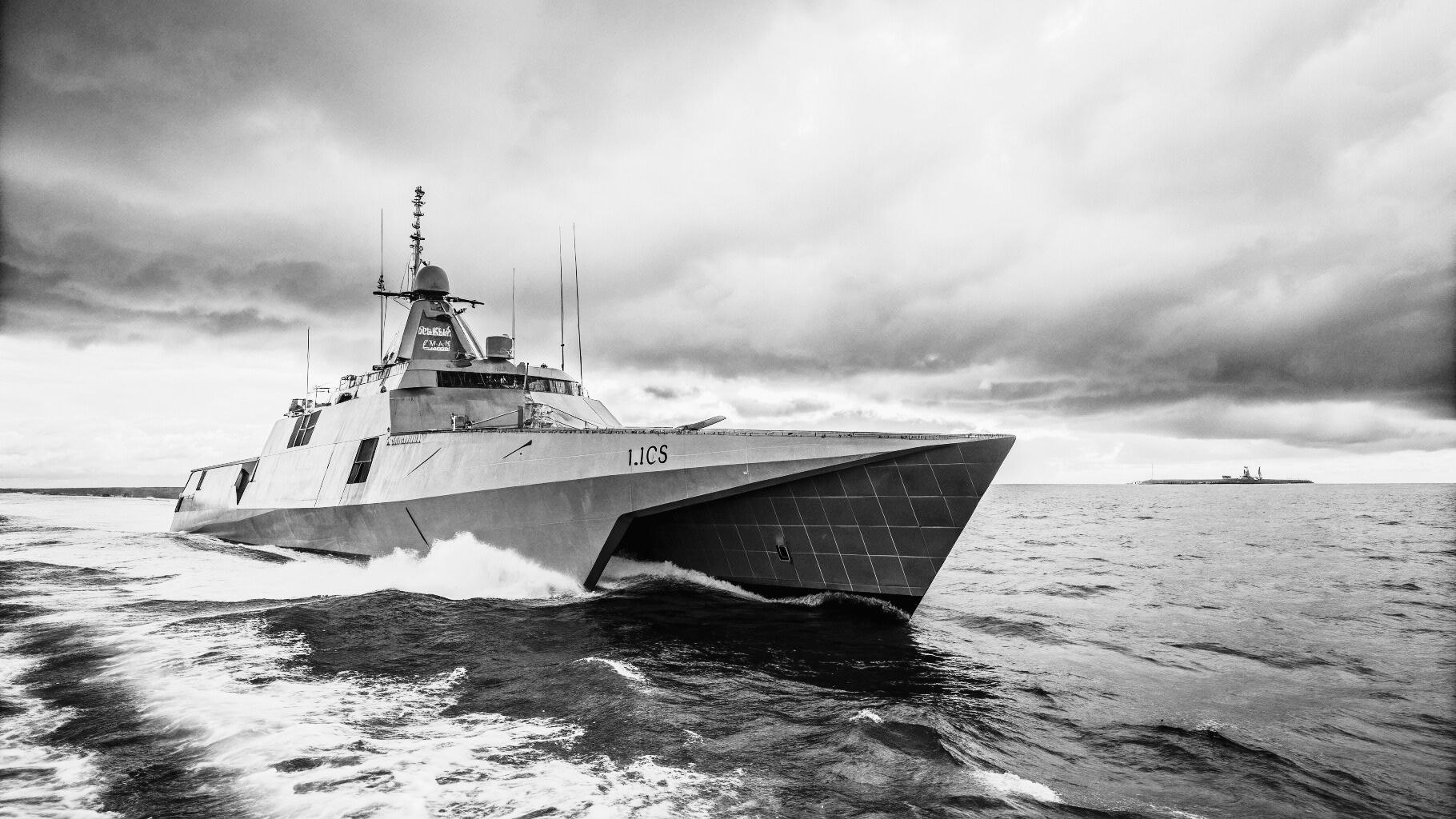
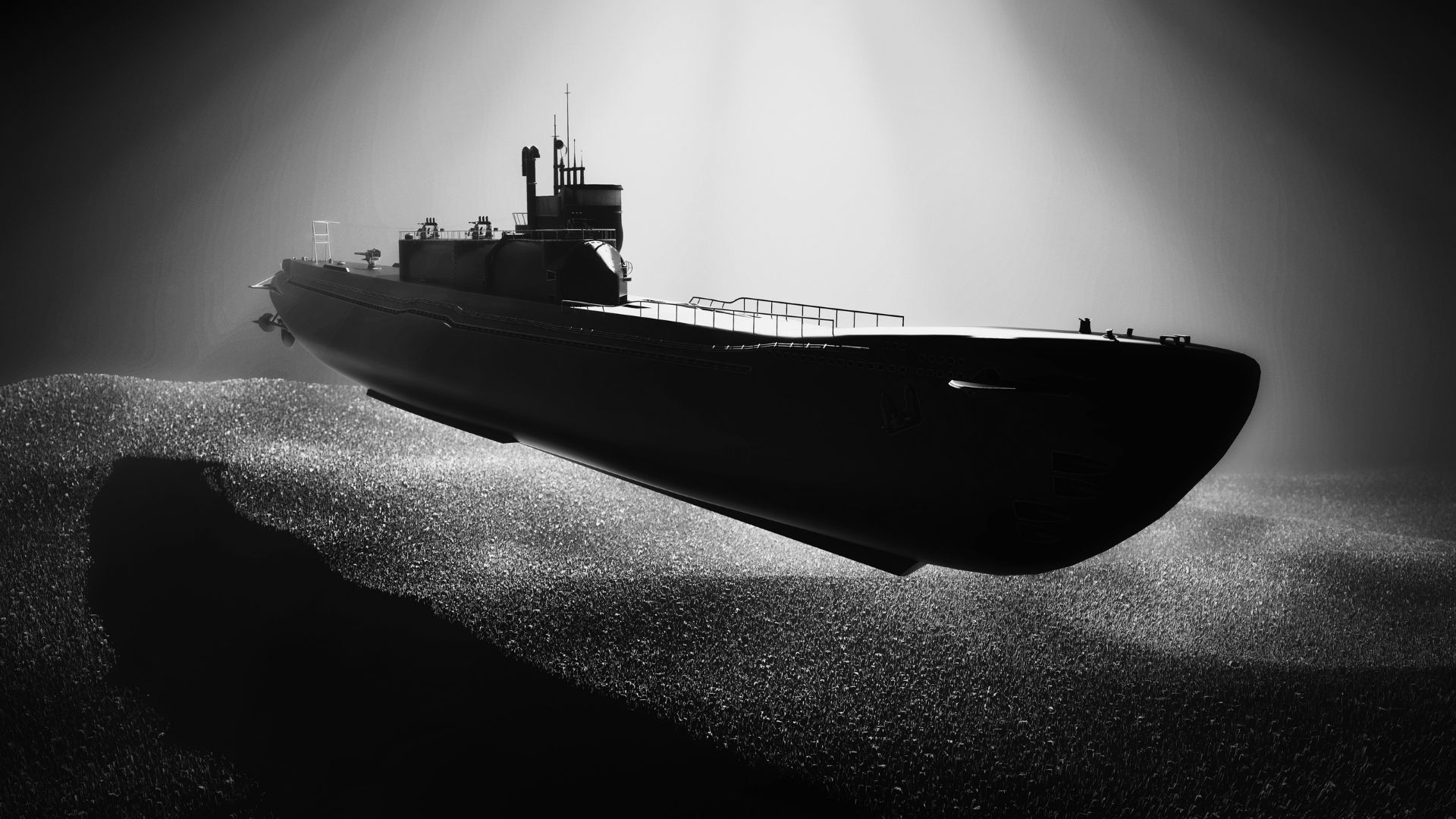
Two German companies, submarine specialist GABLER and maritime technology firm FLANQ, have successfully completed sea trials of the Ranger unmanned surface vessel (USV), a platform designed to be launched directly from standard submarine torpedo tubes. The demonstration validated the concept in operational maritime conditions, highlighting a new approach for deploying autonomous naval systems.
Developed as a torpedo-tube-launched uncrewed surface vessel (TTL USV), Ranger is designed to support covert intelligence, surveillance, and reconnaissance (ISR) missions. Compatible with standard 21-inch torpedo tubes, the platform can be deployed from submarines and operate autonomously once at the surface. The vessel measures over 4.5 meters in length and incorporates a folding keel, retractable sensor mast, configurable payload bay, and an electric propulsion system optimized for challenging maritime environments.
According to the companies, the Sea Acceptance Test (SAT) successfully validated critical technologies and marked a significant milestone toward future operational deployment of the TTL USV concept.
FLANQ developed Ranger’s AI-enabled autonomy functions, mission management software, and open architecture design, allowing the vessel to conduct missions with minimal operator intervention. GABLER will lead commercialization efforts and pursue integration opportunities with naval customers and industry partners.
Although initially focused on ISR operations, the companies are also developing a one-way attack version known as Strike. GABLER and FLANQ believe systems such as Ranger and Strike will play an increasingly important role in hybrid naval warfare by extending operational reach and reducing risks to submarine crews through the deployment of autonomous platforms from protected underwater assets.