
Modern tanks are no longer judged solely by the thickness of their armor or the power of their main gun. Their effectiveness now depends on how seamlessly they operate within a connected battlefield shaped by advanced sensors, precision-guided weapons, drones, and networked combat systems.
Europe’s answer to this transformation is the Main Ground Combat System (MGCS), a joint French-German initiative designed to redefine armored warfare for the coming decades. The program seeks to create a highly integrated combat ecosystem that combines manned and unmanned platforms, advanced sensors, and digital command networks into a single operational framework.
What Is MGCS?
The Main Ground Combat System (MGCS) is a multinational European defense program intended to replace the French Leclerc and German Leopard 2 main battle tanks. Rather than developing a single next-generation tank, MGCS is being conceived as a system-of-systems that integrates crewed combat vehicles, unmanned ground systems, sensor networks, and digital command-and-control capabilities.
Its objective is to ensure armored forces remain effective against evolving threats such as loitering munitions, anti-tank guided missiles, drones, and precision-guided weapons.
Origins and Strategic Vision
The MGCS concept emerged from concerns that traditional main battle tanks were becoming increasingly vulnerable in modern conflicts. Lessons from wars in Ukraine and the Middle East demonstrated how advanced reconnaissance systems, drone swarms, and precision-guided munitions can threaten even heavily armored platforms.
Recognizing these challenges, France and Germany opted for a long-term transformation program rather than relying solely on upgrades to existing tank fleets.
A Networked Combat Ecosystem
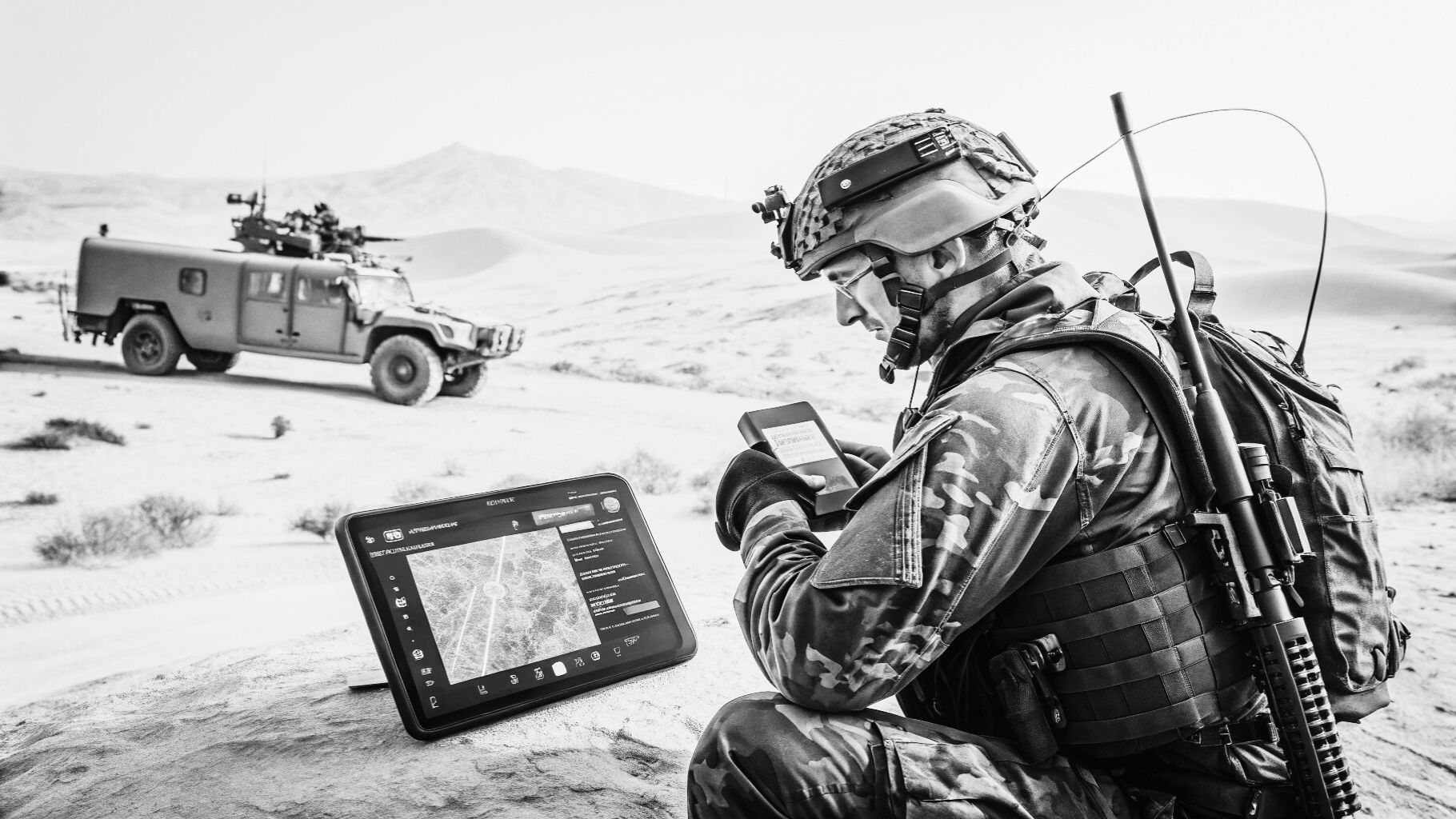
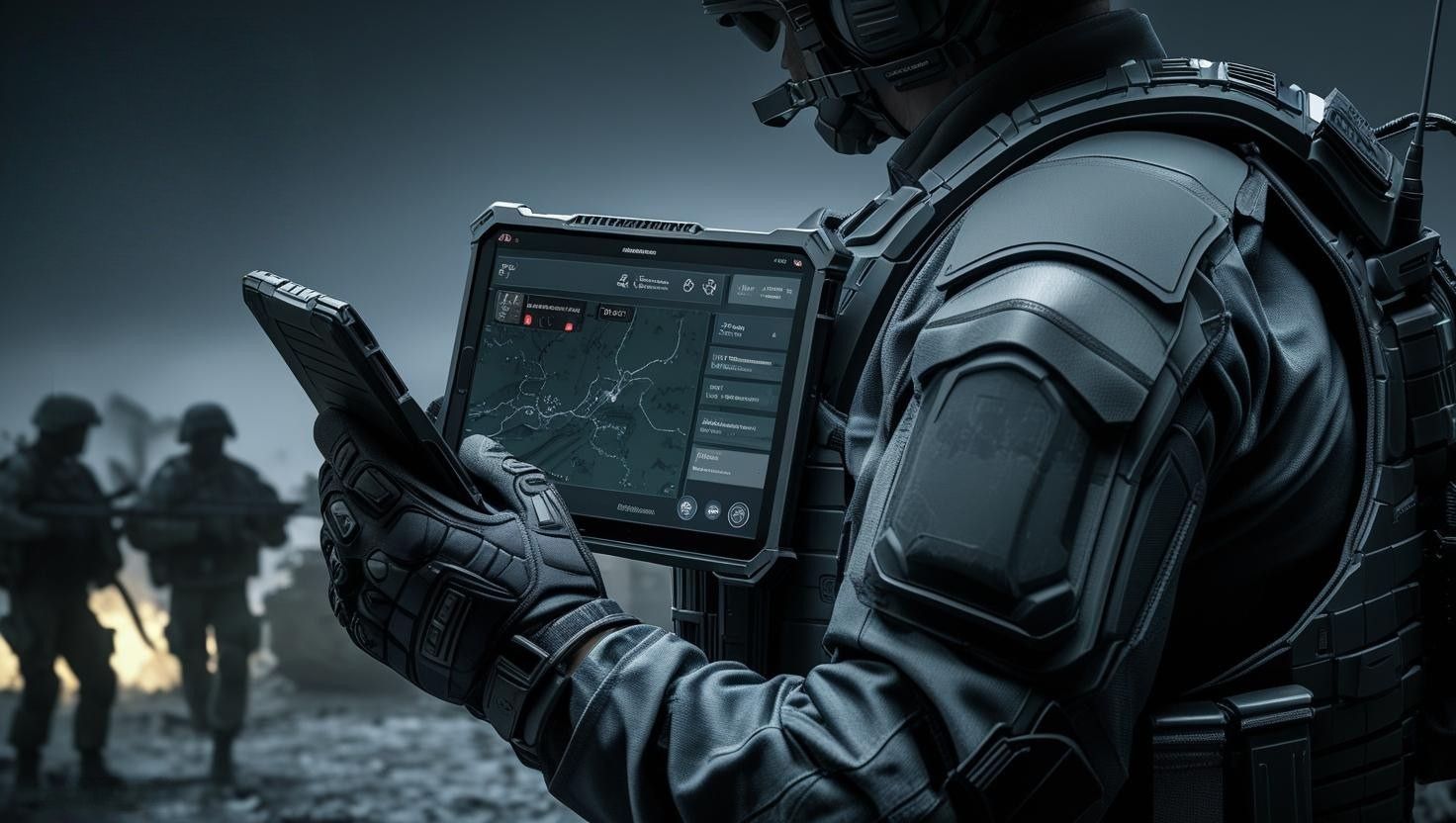
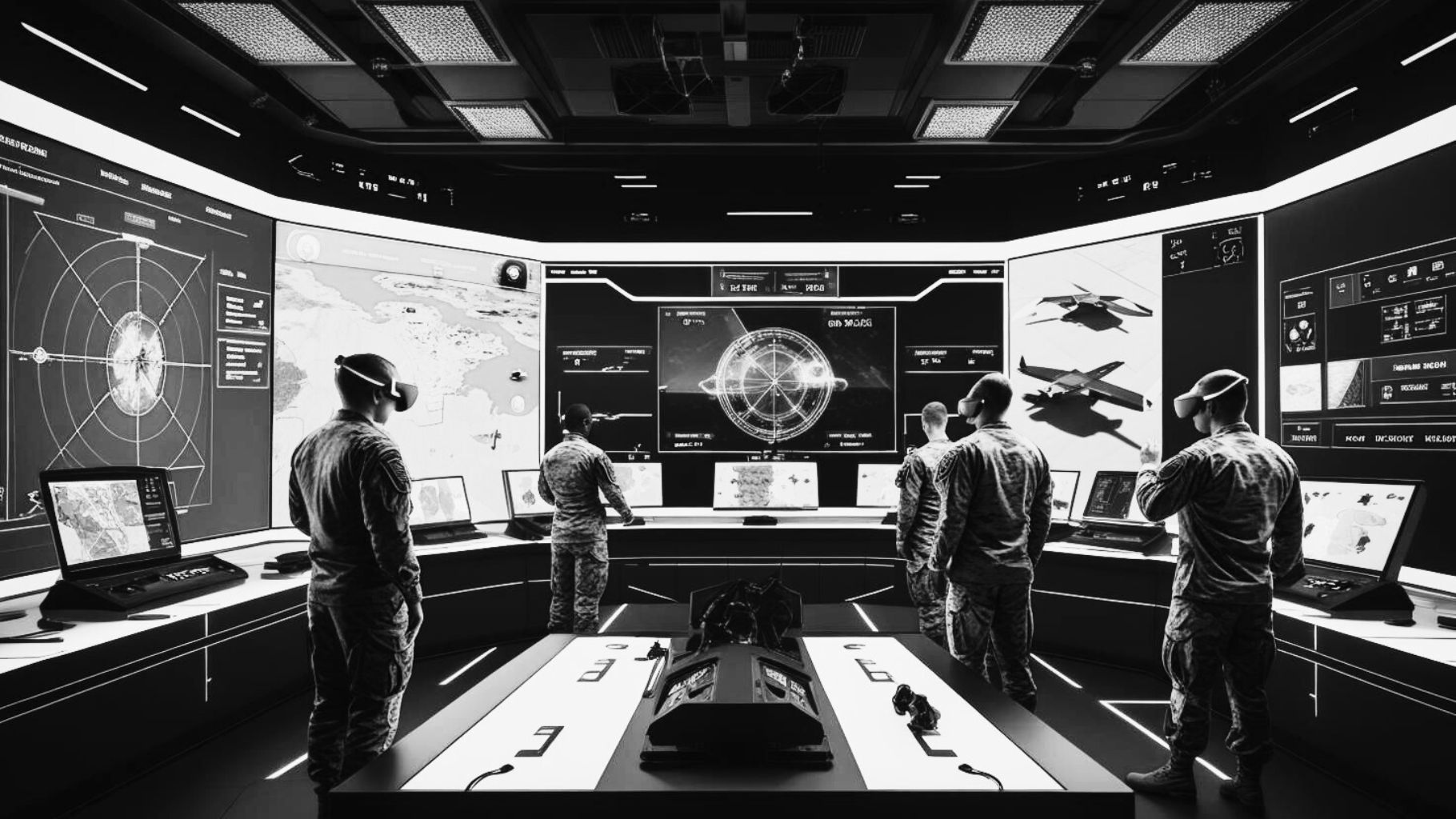
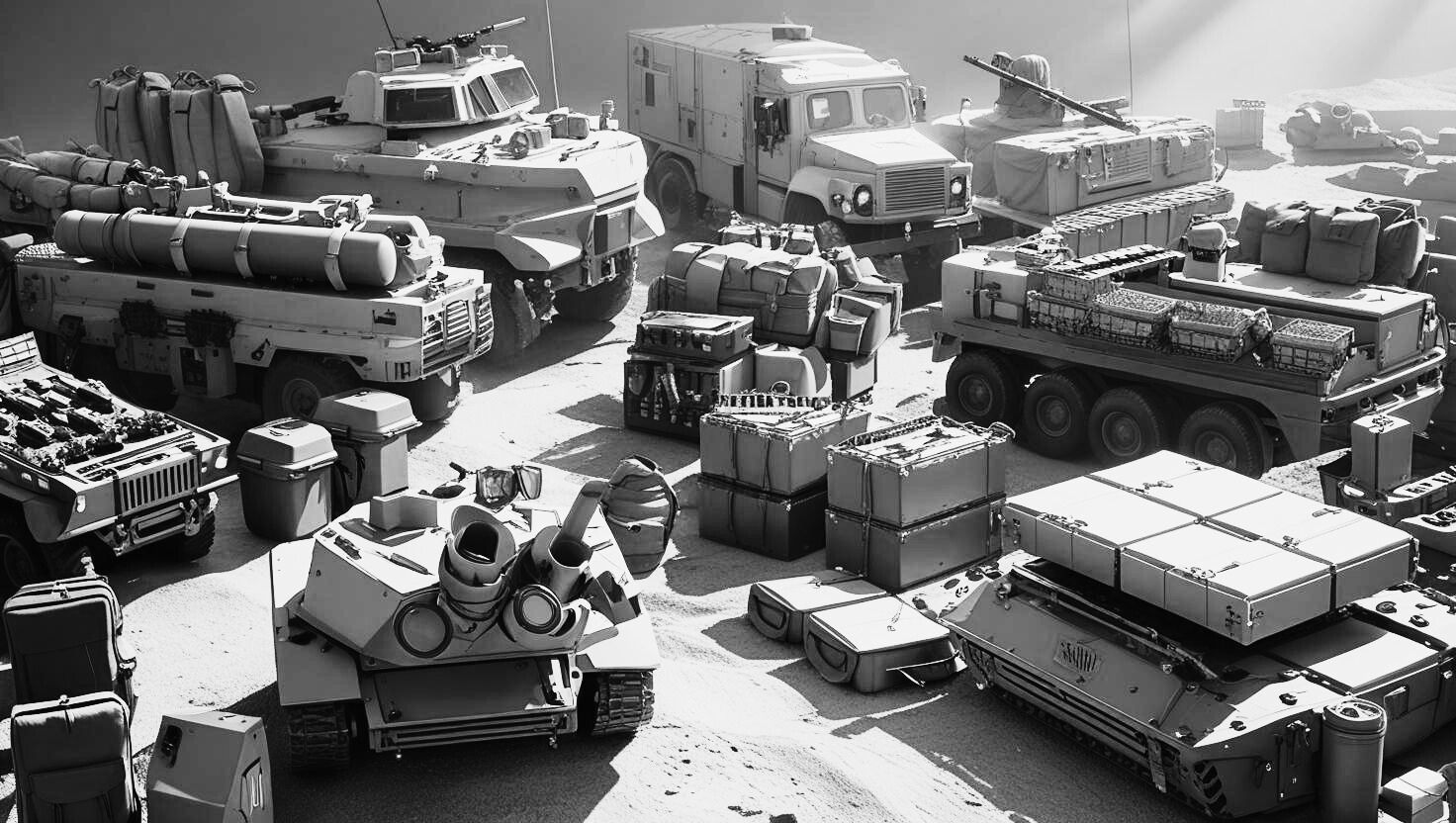
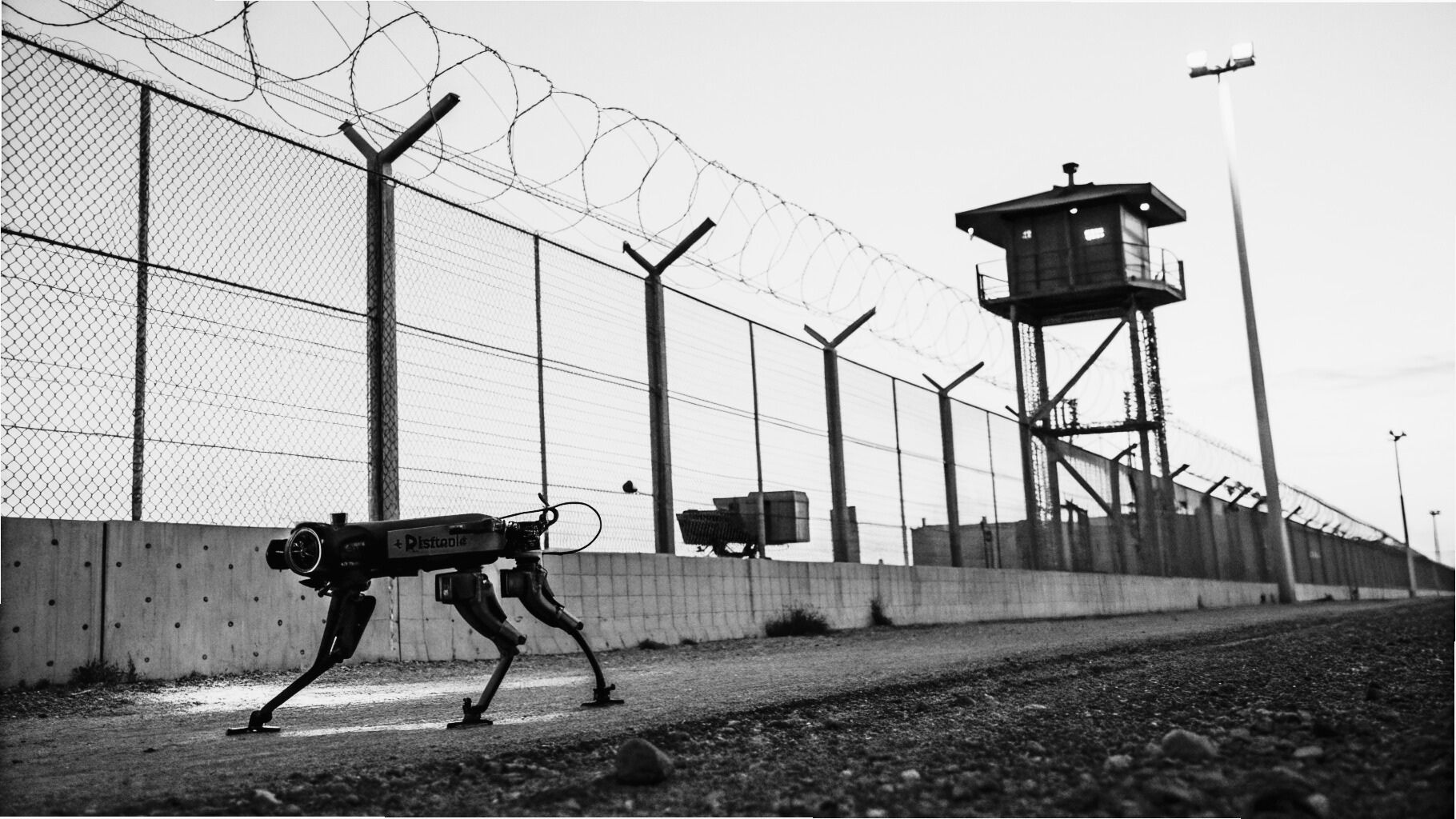
At the heart of MGCS is a system-of-systems architecture. A manned armored platform will act as the command and firepower centerpiece, supported by unmanned ground vehicles tasked with reconnaissance, fire support, and other high-risk operations.
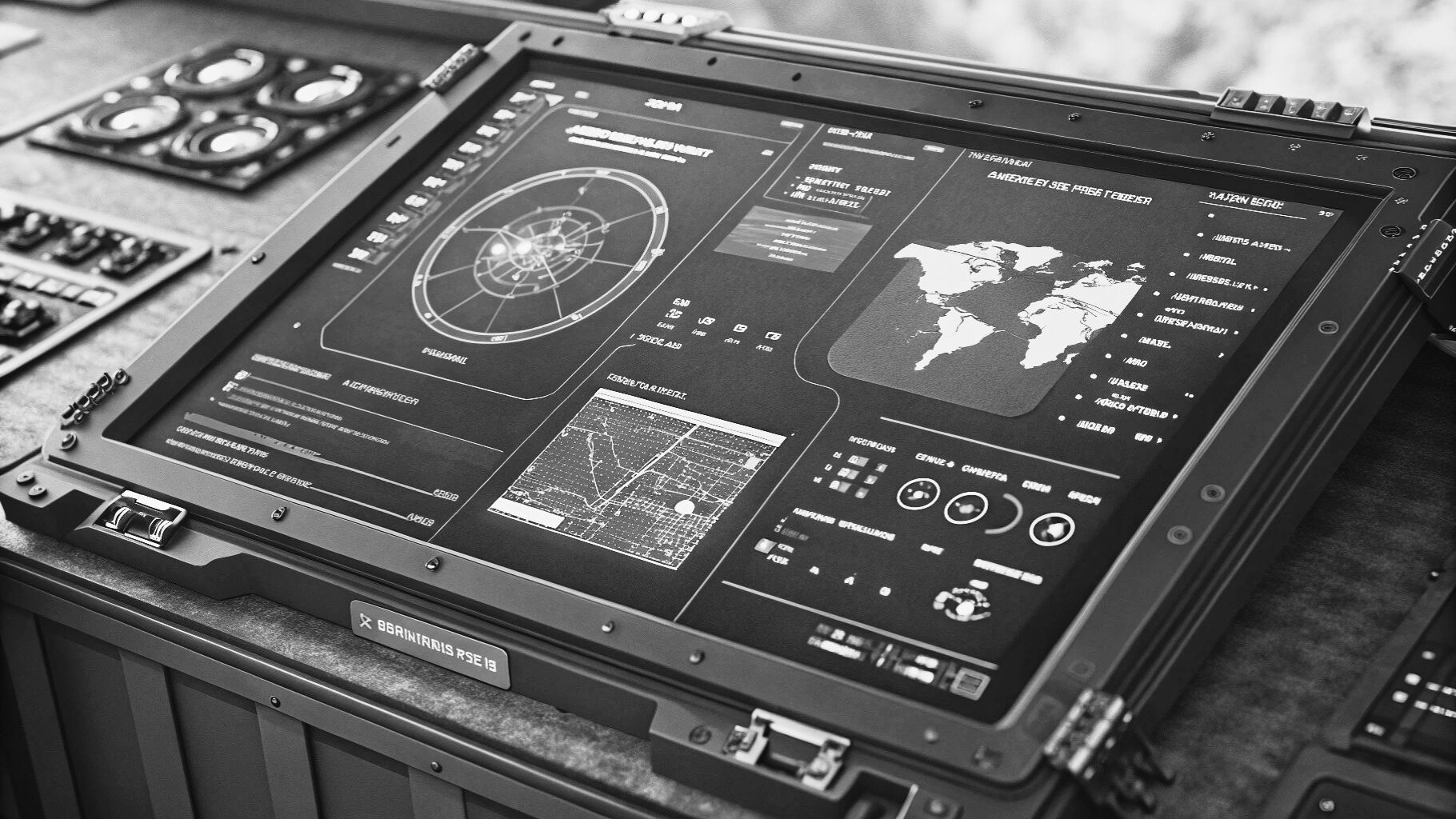
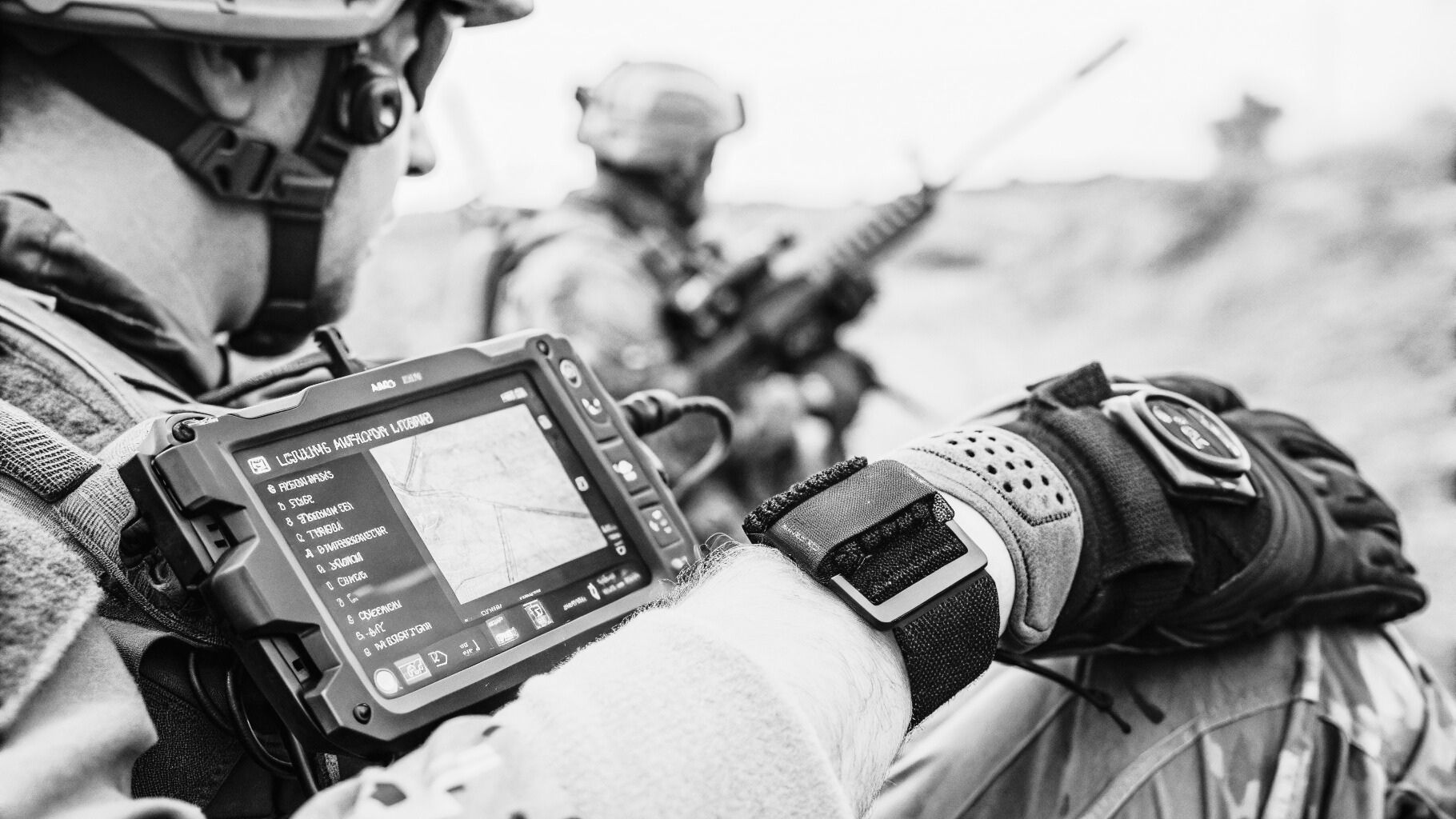
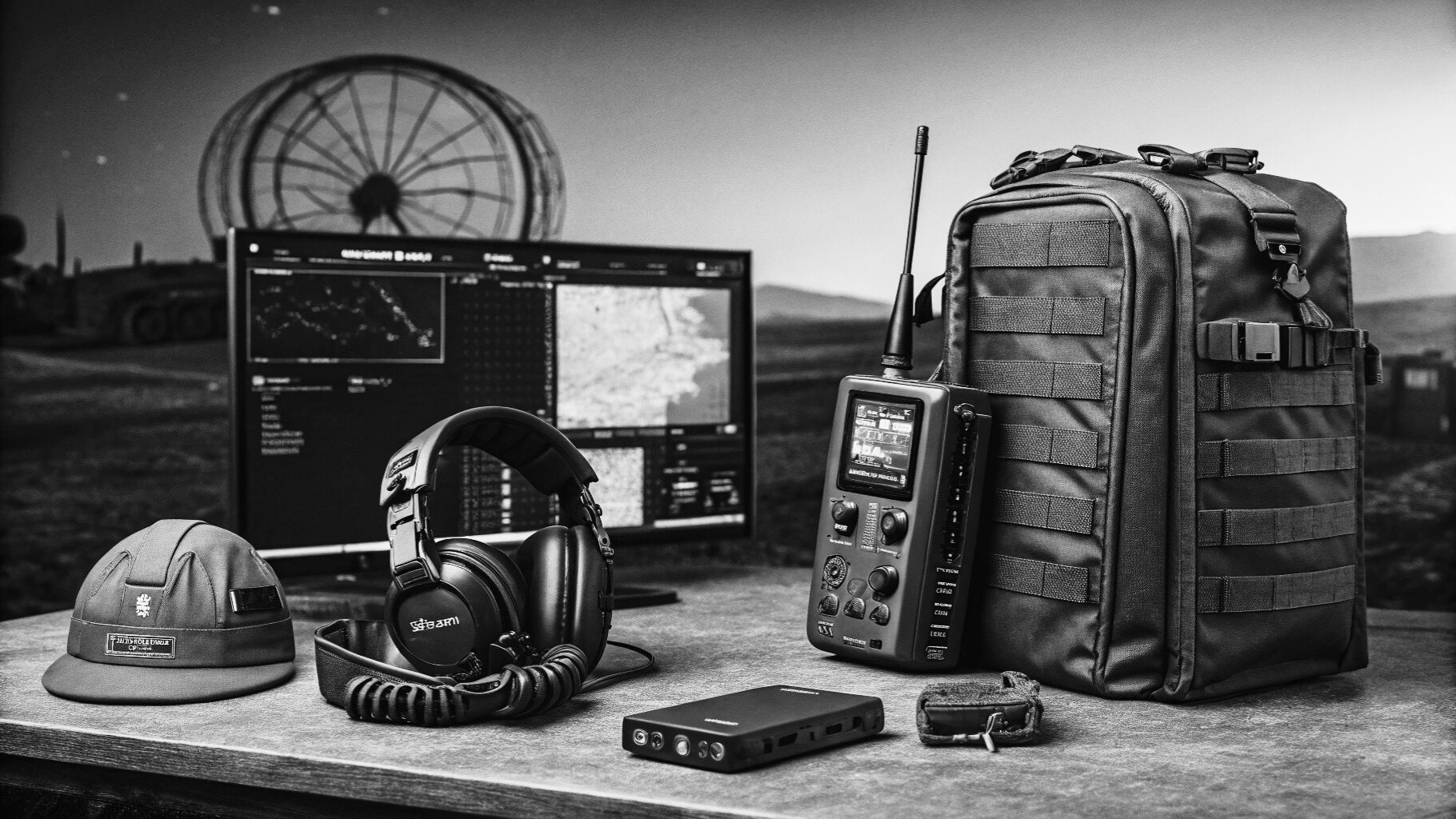
The system will be further enhanced by a network of sensors combining radar, electro-optical technologies, and AI-assisted target detection to provide a real-time battlefield picture. These capabilities will be linked through a digital command network that enables seamless coordination between manned and unmanned assets.
Key Program Objectives
MGCS is focused on several core goals:
Improving survivability through distributed and networked operations
Integrating armored units with air, artillery, and unmanned systems
Increasing lethality through advanced weapon systems and precision munitions
Reducing crew risk through automation and remote-operation capabilities
Ensuring adaptability through a modular and upgradeable architecture
Challenges Ahead
Despite its ambitious vision, MGCS faces multiple challenges, including industrial coordination between France and Germany, integration of advanced autonomous technologies, rising development costs, and uncertainties surrounding timelines and program management.
Future Outlook
If successfully delivered, MGCS could fundamentally reshape armored warfare by replacing the traditional standalone tank concept with an interconnected combat network. Manned vehicles would serve as battlefield command nodes while autonomous systems handle reconnaissance and high-risk missions, creating a more flexible and resilient force structure for future conflicts.