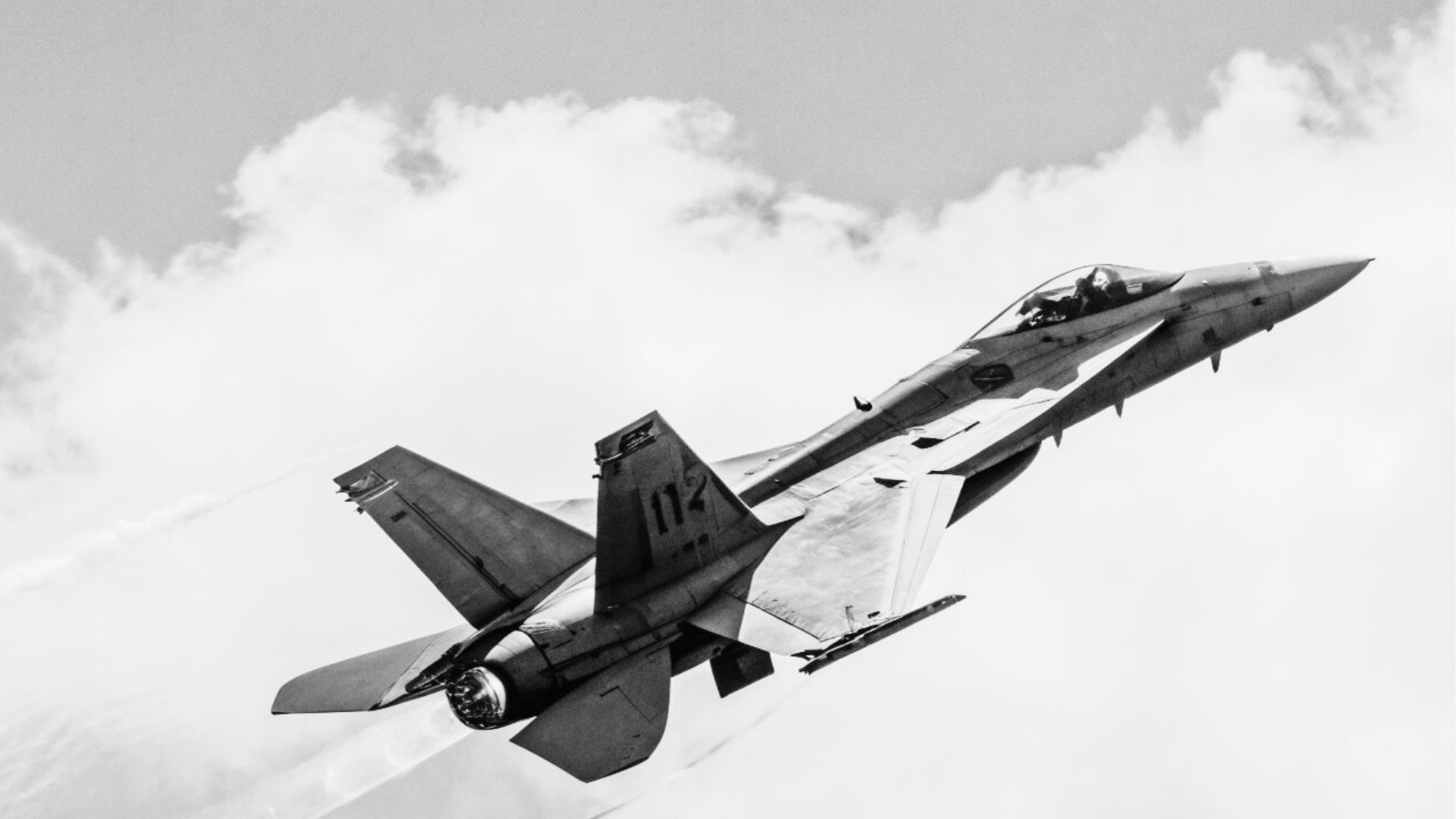
The Indian Air Force’s MiG-29UPG “Fulcrum” fleet is entering a crucial modernization phase aimed at maintaining combat effectiveness through the 2030s while steadily reducing dependence on foreign supply chains. With plans to keep the aircraft operational until the gradual induction of the Tejas Mk2 in the mid-to-late 2030s, the focus has shifted toward enhancing combat capability and strengthening indigenous sustainment infrastructure.
A major pillar of this effort is the localization of maintenance, repair, and overhaul (MRO) activities. Air Headquarters has recently issued multiple tenders dedicated to MiG-29UPG sustainment, including contracts for spare parts and support systems. These initiatives reflect a broader strategy to reduce reliance on Russian OEM-linked supply networks and establish a domestic ecosystem involving Indian MSMEs, private aerospace firms, and MRO hubs such as Nagpur’s MIHAN aerospace complex.
The localization drive covers a wide range of components, including consumables, seals, structural fittings, landing-gear elements, and Line Replaceable Units (LRUs). By expanding indigenous support capabilities, the IAF aims to improve fleet availability, reduce logistical vulnerabilities, and extend the operational life of the aircraft.
On the combat side, the most significant upgrade involves integrating the European ASRAAM (Advanced Short Range Air-to-Air Missile) across the MiG-29UPG fleet. Replacing the legacy R-73 missile, ASRAAM brings a modern imaging infrared seeker capable of engaging low-signature aerial threats such as drones and loitering munitions. Its enhanced range, high-speed performance, and Lock-On After Launch (LOAL) capability provide pilots with greater flexibility in complex air combat environments.
The fleet’s sensor architecture is also under review. While the MiG-29UPG currently relies on the Russian Zhuk-ME radar, India is exploring indigenous AESA radar solutions to reduce foreign dependence and improve future upgrade potential. Private-sector and DRDO-led initiatives are reportedly evaluating compact AESA systems that could eventually replace or supplement existing radar capabilities.
A key advantage of indigenous radar integration would be seamless compatibility with India’s Astra family of beyond-visual-range missiles. By reducing dependence on Russian software and mission-system architectures, the IAF could create a more flexible and fully indigenous combat ecosystem for the MiG-29UPG.
With approximately 55 aircraft still serving in frontline roles, the MiG-29UPG is increasingly being positioned as a bridge platform until the Tejas Mk2 enters service. Through a combination of weapon upgrades, localized sustainment, and indigenous technology integration, the IAF aims to keep the fleet operationally relevant while supporting its broader transition toward self-reliance in military aviation.