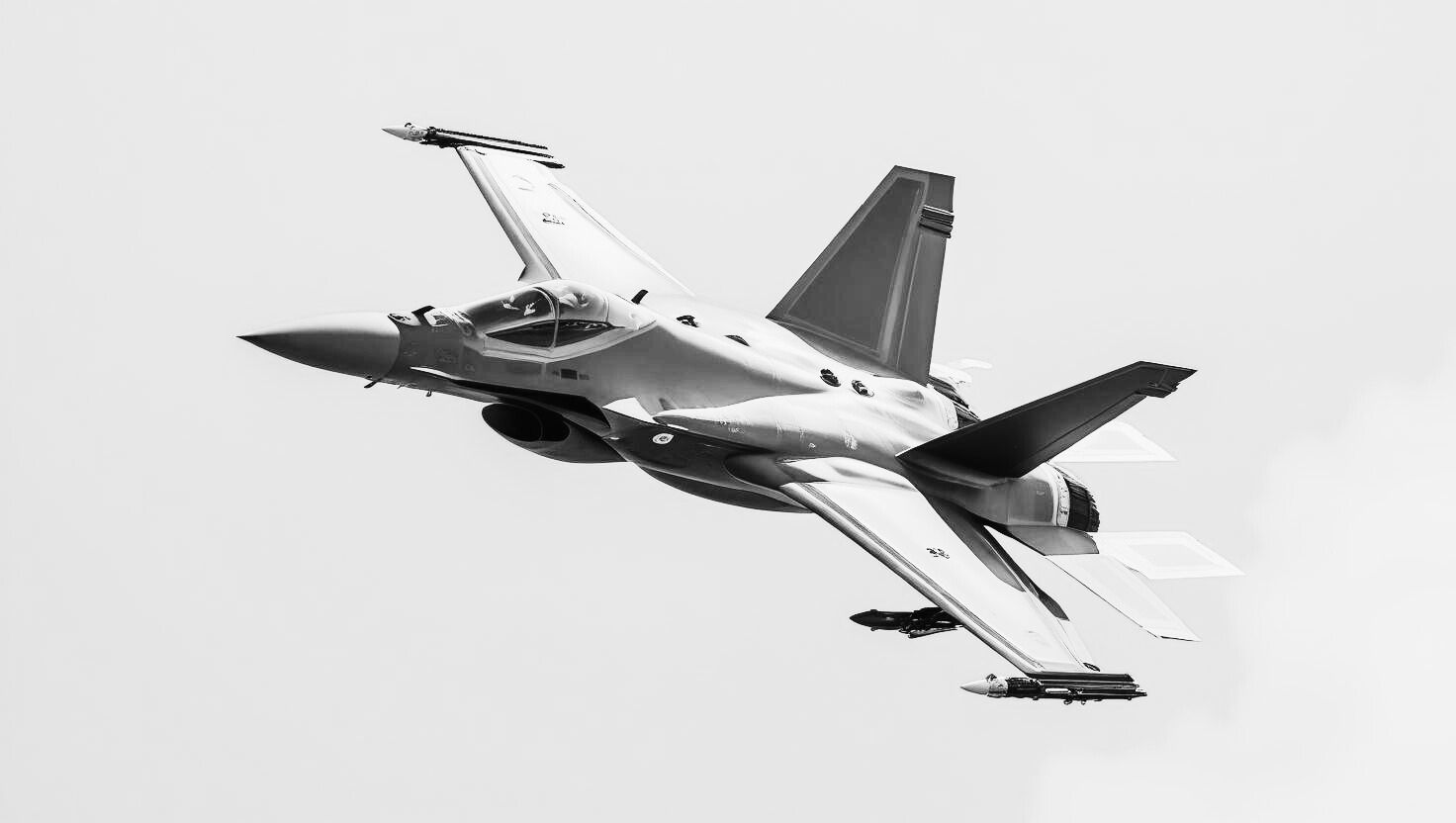
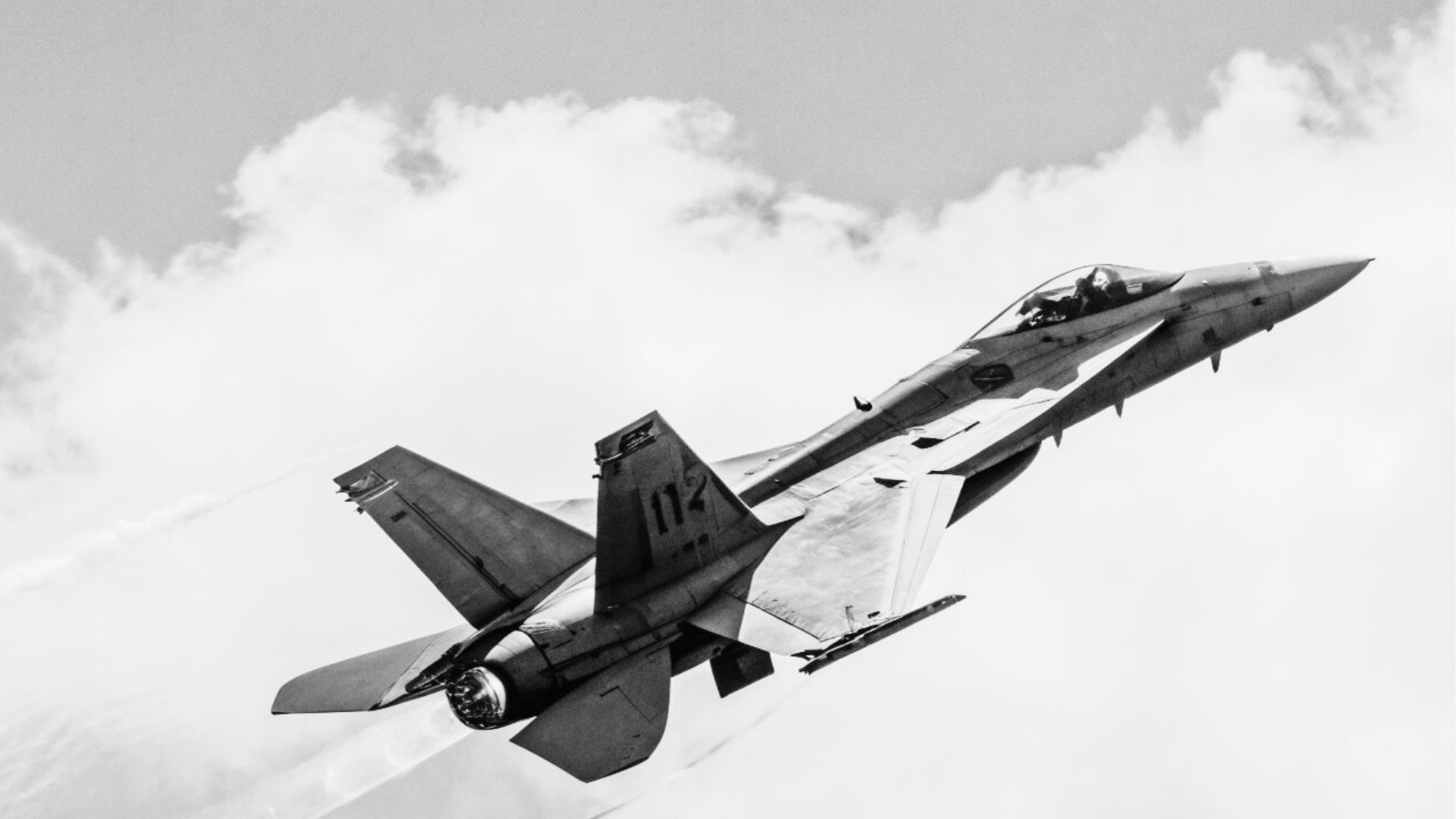
Japan is reportedly set to send Mitsubishi F-2 fighter aircraft to India for a bilateral air exercise later this month, potentially marking the first time the Japanese multirole fighters operate from an Indian air base. The development would add a new dimension to the growing defence relationship between India and Japan.
The reported deployment coincides with Japanese Defence Minister Shinjiro Koizumi’s planned visit to India and Australia beginning August 17. Defence cooperation is expected to feature prominently during his discussions in New Delhi.
Chinese state media outlet Global Times has presented the proposed deployment as part of Japan’s broader effort to strengthen military coordination with India amid strategic competition with China. However, the exercise should also be understood in the context of several years of expanding India-Japan defence engagement, including increasingly advanced air, naval and ground exercises.
A New Direction for Fighter Cooperation
Although an F-2 deployment to India would reportedly be the aircraft’s first operation from Indian territory during a bilateral fighter exercise, it would not be the first time Japanese F-2s have participated in training with Indian fighters.
During Veer Guardian 2023, Japan sent four F-2s and four F-15s to Hyakuri Air Base, where they conducted training with four Indian Air Force Su-30MKIs. The Indian Ministry of Defence identified the event as the first bilateral fighter aircraft exercise between India and Japan.
The reported 2026 deployment would effectively reverse the direction of the earlier exchange. Instead of Indian fighters travelling to Japan, Japanese F-2s would operate from India. This could give Japanese aircrews valuable experience with Indian airspace procedures, base operations, logistics, weather conditions and mission-support infrastructure.
F-2 Offers a Distinct Training Opportunity
The F-2 is based on the F-16 architecture but incorporates extensive Japanese modifications. Its larger wing, Japanese avionics and indigenous AESA radar distinguish it from standard F-16 configurations and provide a different combination of sensor, electronic warfare and weapons capabilities.
This makes the aircraft particularly useful for dissimilar air-combat training with the Indian Air Force. India operates a highly diverse fighter inventory that includes Su-30MKIs, Rafales, Mirage 2000s, Tejas fighters and other aircraft. Exposure to different radar characteristics, electronic warfare systems, aircraft handling qualities and tactical approaches can help pilots prepare for increasingly complex aerial missions.
Another Step in India-Japan Defence Relations
The potential F-2 deployment comes as defence cooperation between India and Japan continues to broaden. The two nations have expanded military exercises and defence-industrial engagement while increasing cooperation across multiple operational domains. Their membership in the Quad with the United States and Australia also provides a wider strategic framework for security cooperation in the Indo-Pacific.
Beijing’s concern over the development reflects the region’s changing security dynamics. Chinese analysts have interpreted Japan’s expanding overseas defence activities and closer military ties with India as signs of a broader evolution in Tokyo’s security posture.
India, however, is likely to view the exercise through a broader strategic-autonomy framework. New Delhi has consistently expanded military partnerships without entering formal alliances. Training with Japan can strengthen operational interoperability, improve familiarity with another advanced fighter force and expand bilateral defence cooperation while maintaining India’s independent strategic decision-making.