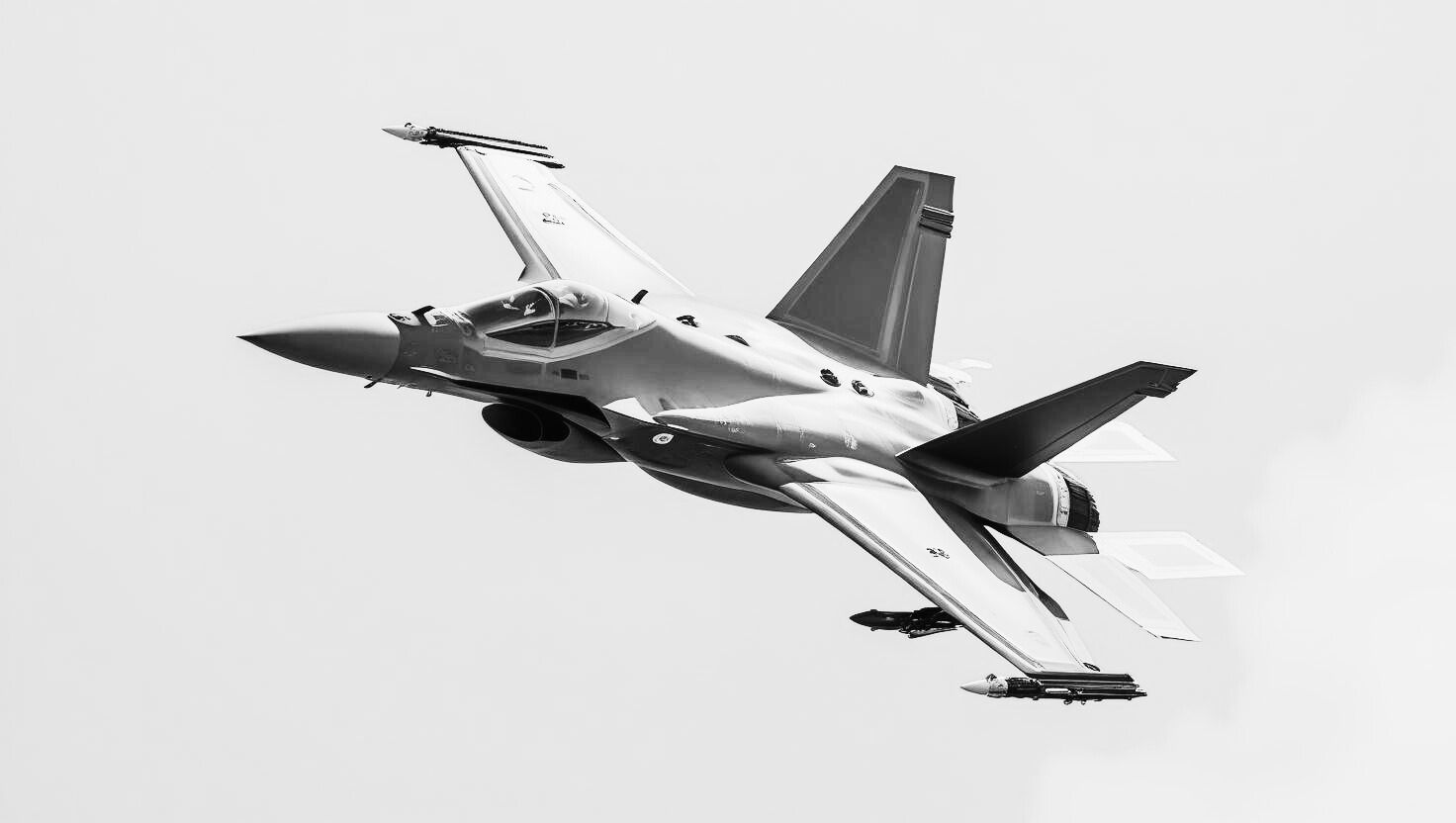
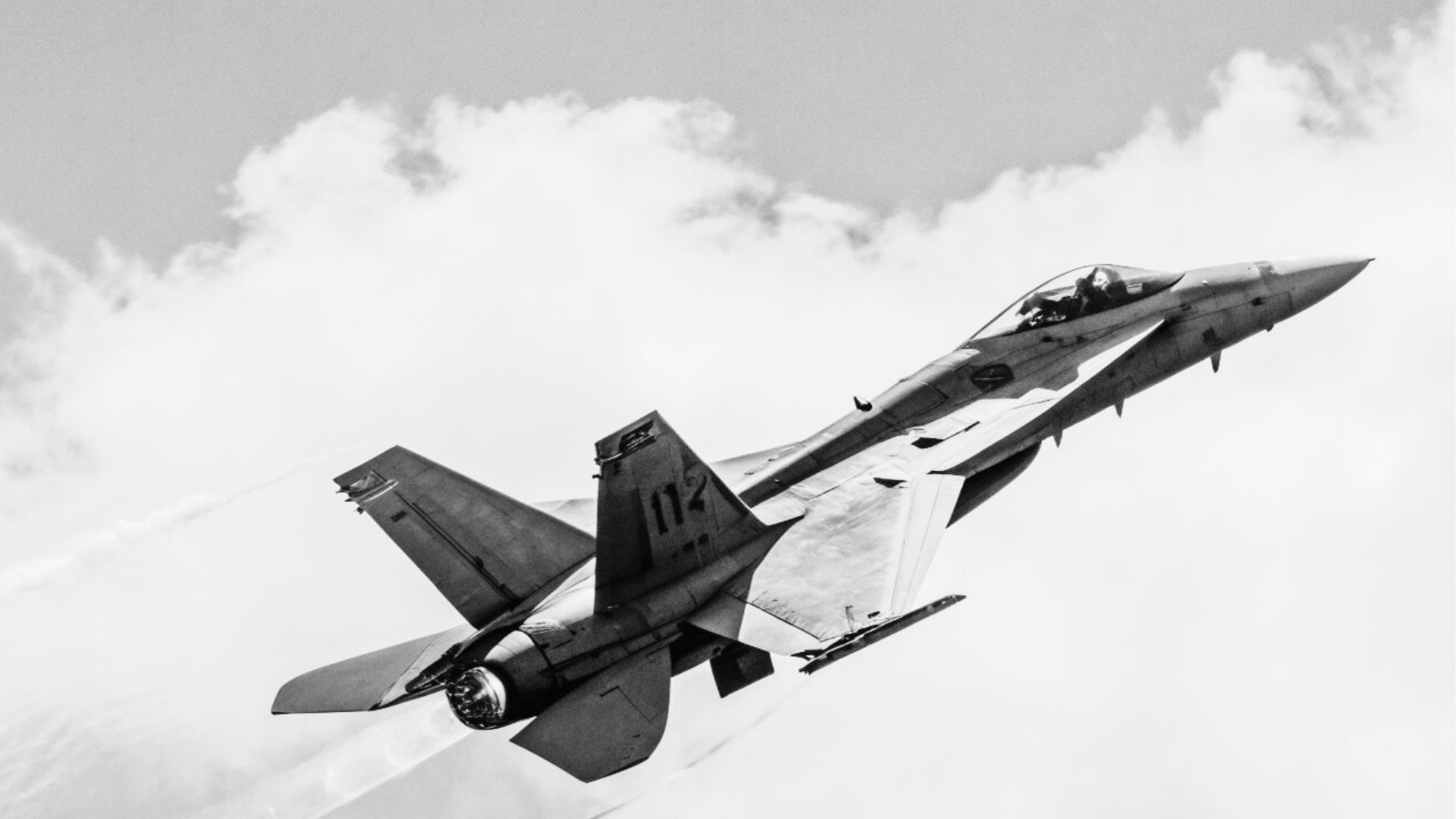
Russia is reportedly positioning the Su-57 for India not simply as a fifth-generation fighter but as the centrepiece of a broader ecosystem comprising advanced air-launched weapons and unmanned combat systems. Information cited by IDRW.org suggests that any potential Indian acquisition could be accompanied by a range of weapons designed around the fighter’s stealth characteristics, internal weapon bays and network-centric combat architecture.
The Su-57 differs from platforms such as India’s Su-30MKI in the way it carries weapons. While fourth-generation fighters typically rely heavily on external hardpoints, the Su-57 incorporates internal weapon compartments designed to preserve its low-observable characteristics. Two large internal bays are positioned beneath the fuselage, while smaller side compartments accommodate short-range air-to-air missiles. This architecture has driven the development of compact weapons specifically optimised for internal carriage.
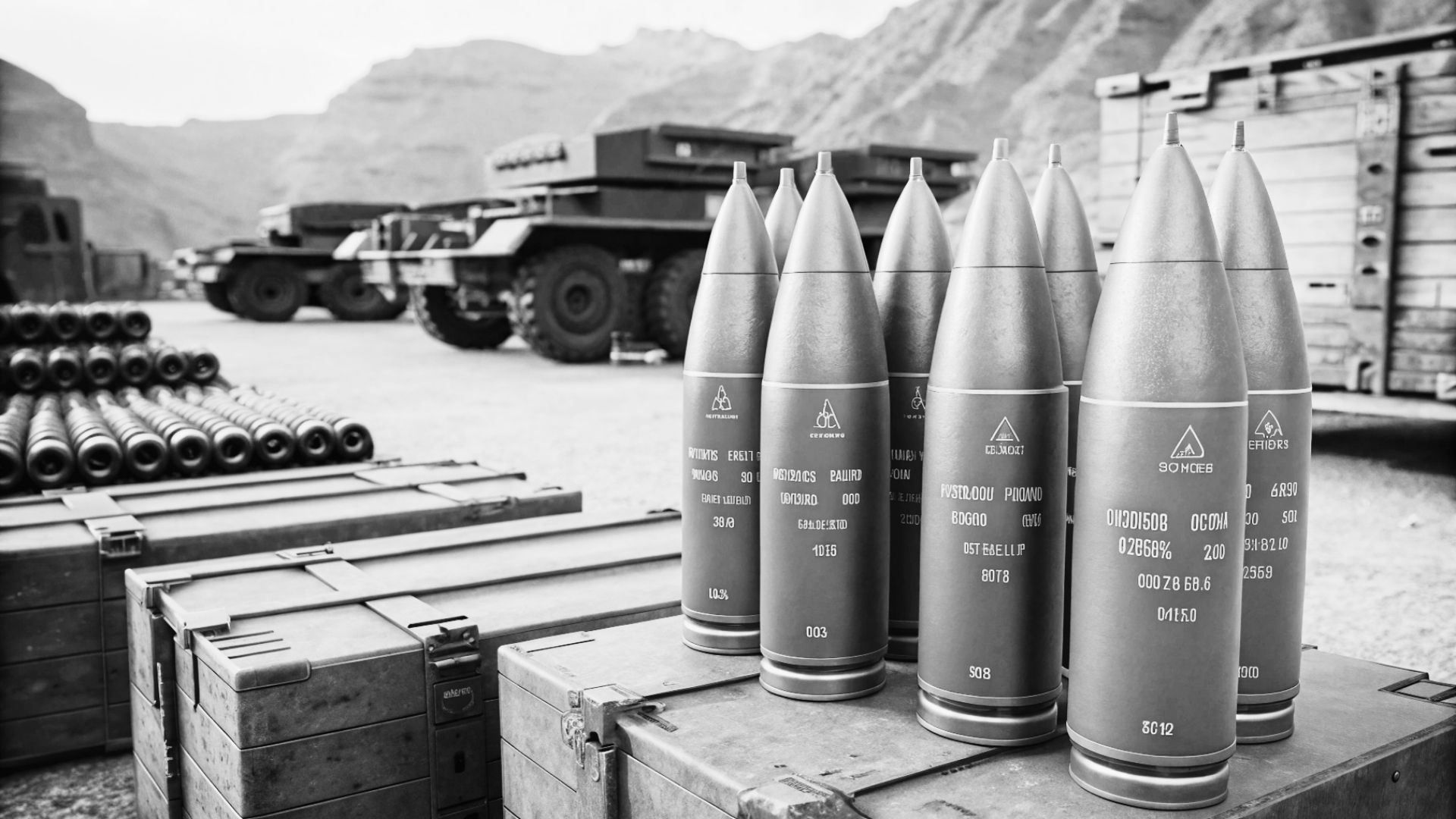
Among the most prominent systems reportedly included in the Russian offering is the Kh-69 stealth cruise missile. Designed for land attack and suppression of enemy air-defence missions, the missile uses a compact configuration featuring a square-profile body and folding wings. These characteristics allow it to be carried internally while supporting a reduced radar signature. The Kh-69 is designed for low-altitude, terrain-following flight and reportedly provides an export range of about 290 km. Its navigation and targeting system combines inertial guidance with electro-optical and imaging-infrared capabilities, supporting operations in environments where satellite navigation may be degraded or jammed.
The R-77M, also known as Izdelie 180, represents another important element of the reported weapons package. The missile is an advanced beyond-visual-range air-to-air weapon developed as an evolution of the R-77 family. Its aerodynamic configuration is designed for internal carriage aboard the Su-57, while its reported AESA seeker and dual-pulse propulsion system are intended to improve long-range engagement performance. Open-source estimates place its engagement range in the 160–200 km class, potentially providing the Su-57 with enhanced capability against modern fighter threats.
The R-37M adds a different dimension to the fighter’s air-combat role. Known for its very long range, the missile is intended to engage high-value airborne targets rather than primarily opposing fighter aircraft. It is already associated with platforms including the MiG-31BM and Su-35S and is reportedly being integrated into the Su-57’s broader sensor and electronic architecture. With reported speeds approaching Mach 6 and a claimed range of up to 400 km, the weapon could threaten airborne early-warning and control aircraft, tankers and intelligence-gathering platforms.
A reported compact version of the Kh-47M2 Kinzhal could provide an even more ambitious capability. The existing Kinzhal is too large for the Su-57’s internal weapon bays and is deployed from specialised aircraft. Russian development efforts are reportedly exploring a smaller configuration that could fit inside the fighter. Details remain unconfirmed, but reports have suggested a potential hypersonic weapon with speeds approaching Mach 10 and a strike range potentially reaching 2,000 km. Such a system would substantially expand the Su-57’s potential role in deep-strike missions.
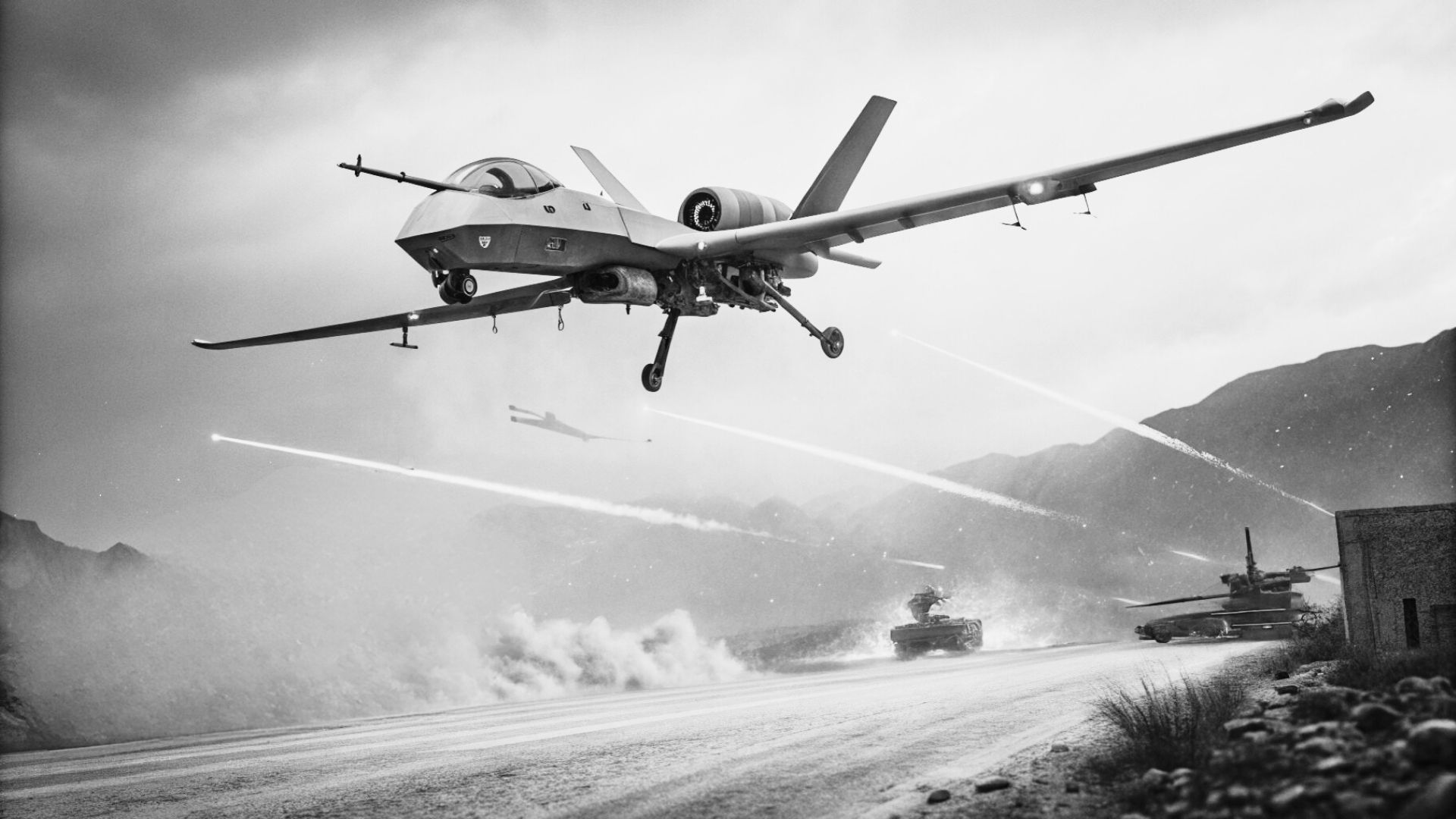
Another reported weapon is the S-71K Kover, a low-observable strike platform combining features associated with cruise missiles and unmanned aircraft. The system reportedly incorporates radar-absorbent composite construction, a 250-kg warhead and an approximate range of 300 km. Its communications architecture is intended to enable autonomous operation as well as control by the parent aircraft, offering flexibility for missions where target conditions can change rapidly.
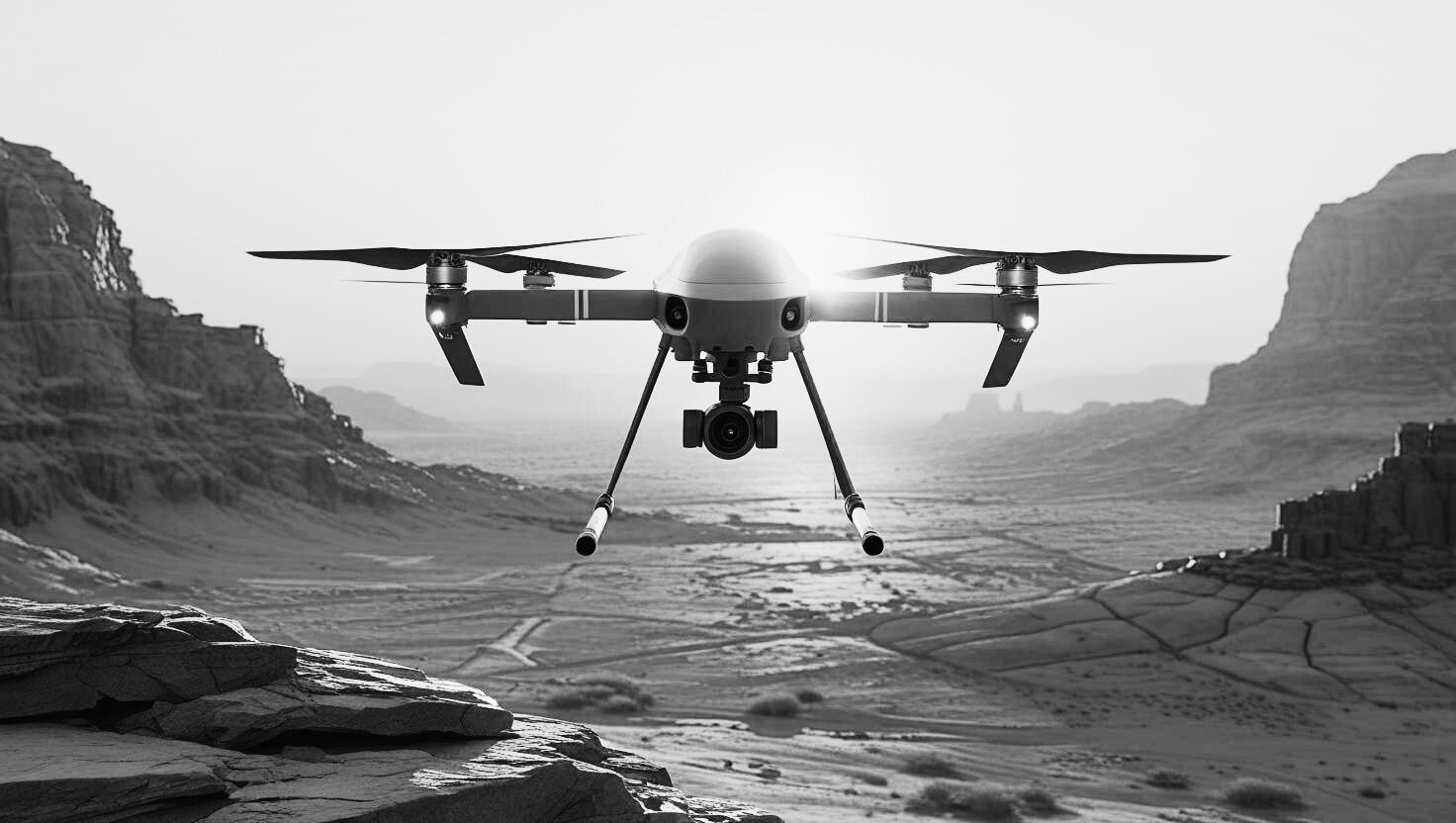
Russia’s proposed Su-57 ecosystem also extends into unmanned combat aviation through the S-70 Okhotnik-B. The large stealth UCAV is designed to operate alongside manned fighters in a loyal-wingman role, potentially carrying out reconnaissance, electronic warfare and strike missions while extending the reach of the manned aircraft.
The concept becomes more significant with reported plans for a twin-seat Su-57D configuration capable of coordinating multiple Okhotnik drones. Such a system could allow a crew to manage a distributed network of unmanned platforms, enabling reconnaissance, electronic warfare and strike operations deeper into contested airspace.
Overall, the reported package illustrates Russia’s broader vision for the Su-57 as the hub of an integrated fifth-generation combat system. Rather than relying solely on the fighter’s onboard capabilities, the concept combines low-observable stand-off weapons, long-range air-to-air missiles, potential hypersonic systems and autonomous combat drones.
For a potential Indian acquisition, this approach would represent a broader capability proposition in which the Su-57 functions not merely as a fighter aircraft but as a networked command and strike platform connecting manned aircraft, precision weapons and unmanned systems.