India is exploring a landmark defence barter arrangement with Brazil that could involve the acquisition of Embraer’s C-390M Millennium transport aircraft in exchange for the export of Tejas Mk1A fighter jets and Akash air defence missile systems, according to sources. The proposal, which remains in the preliminary stage, is aimed at linking defence procurement with export opportunities while reducing direct financial expenditure.
The initiative coincides with India’s Medium Transport Aircraft (MTA) programme, which recently received approval from the Defence Acquisition Council (DAC) for the procurement of 60 transport aircraft to replace the ageing An-32 and Il-76 fleets. A Request for Proposal (RFP) is expected to be issued shortly, inviting international manufacturers to compete for the programme.
Embraer’s C-390M Millennium has emerged as a strong candidate for the MTA requirement, provided it satisfies India’s technical and industrial requirements, including a minimum of 60% indigenous content through technology transfer (ToT). If these conditions are met, the proposed barter model could become a practical framework for the transaction.
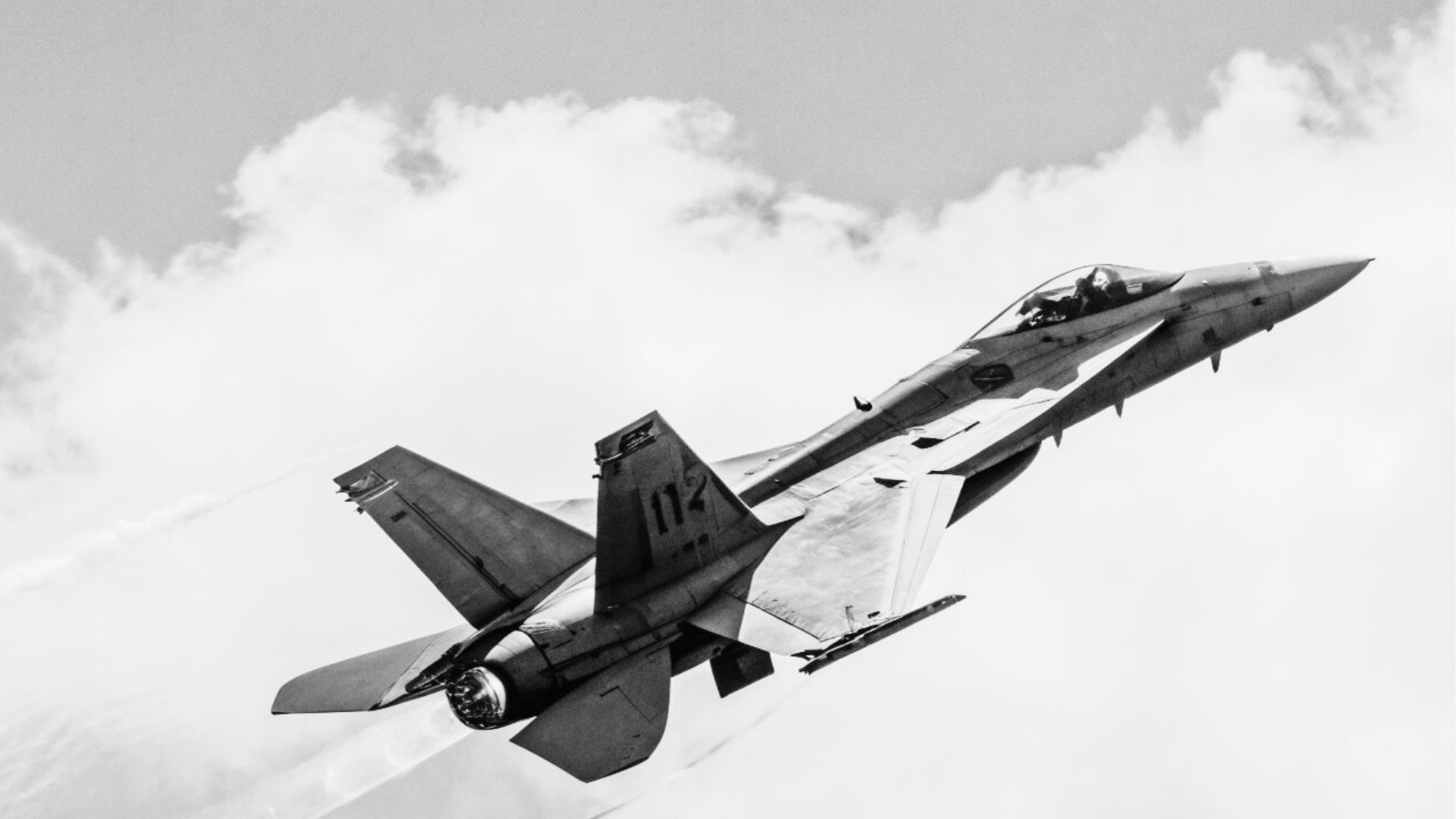
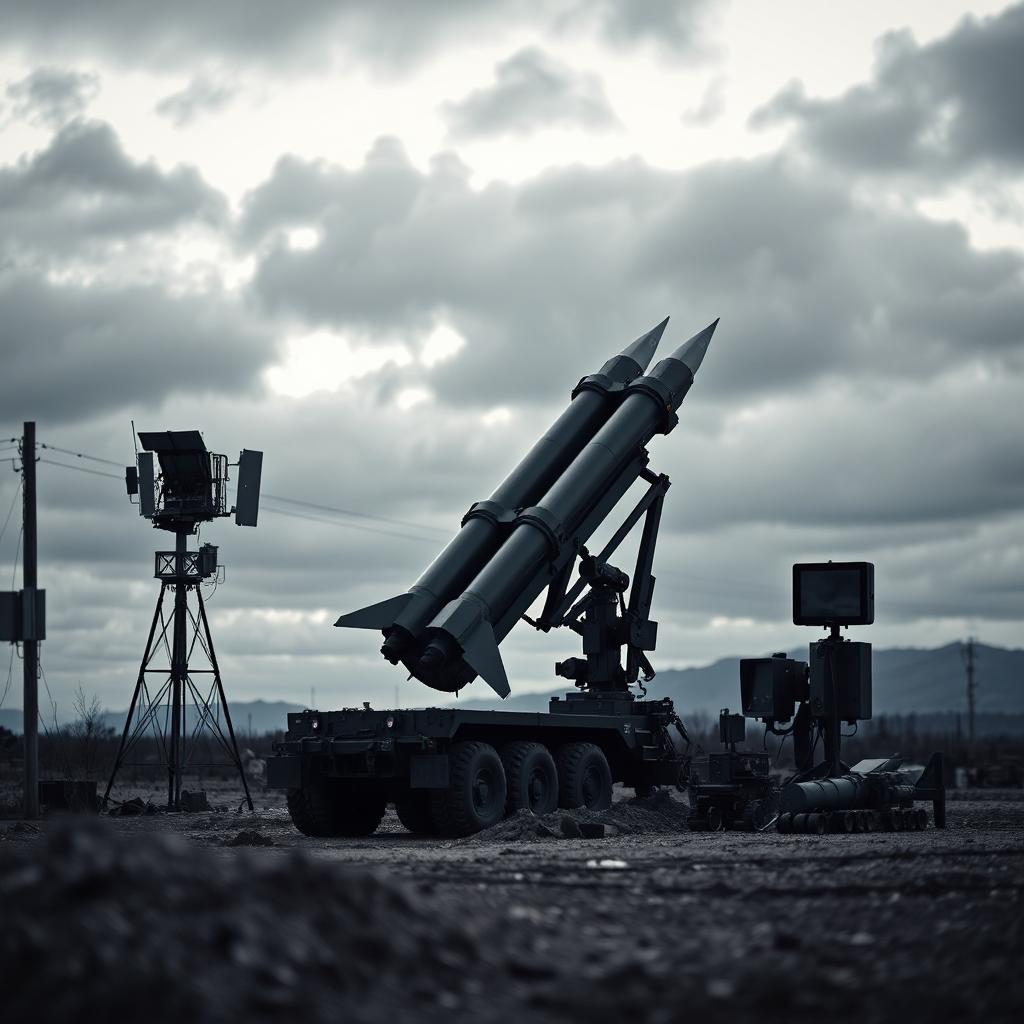
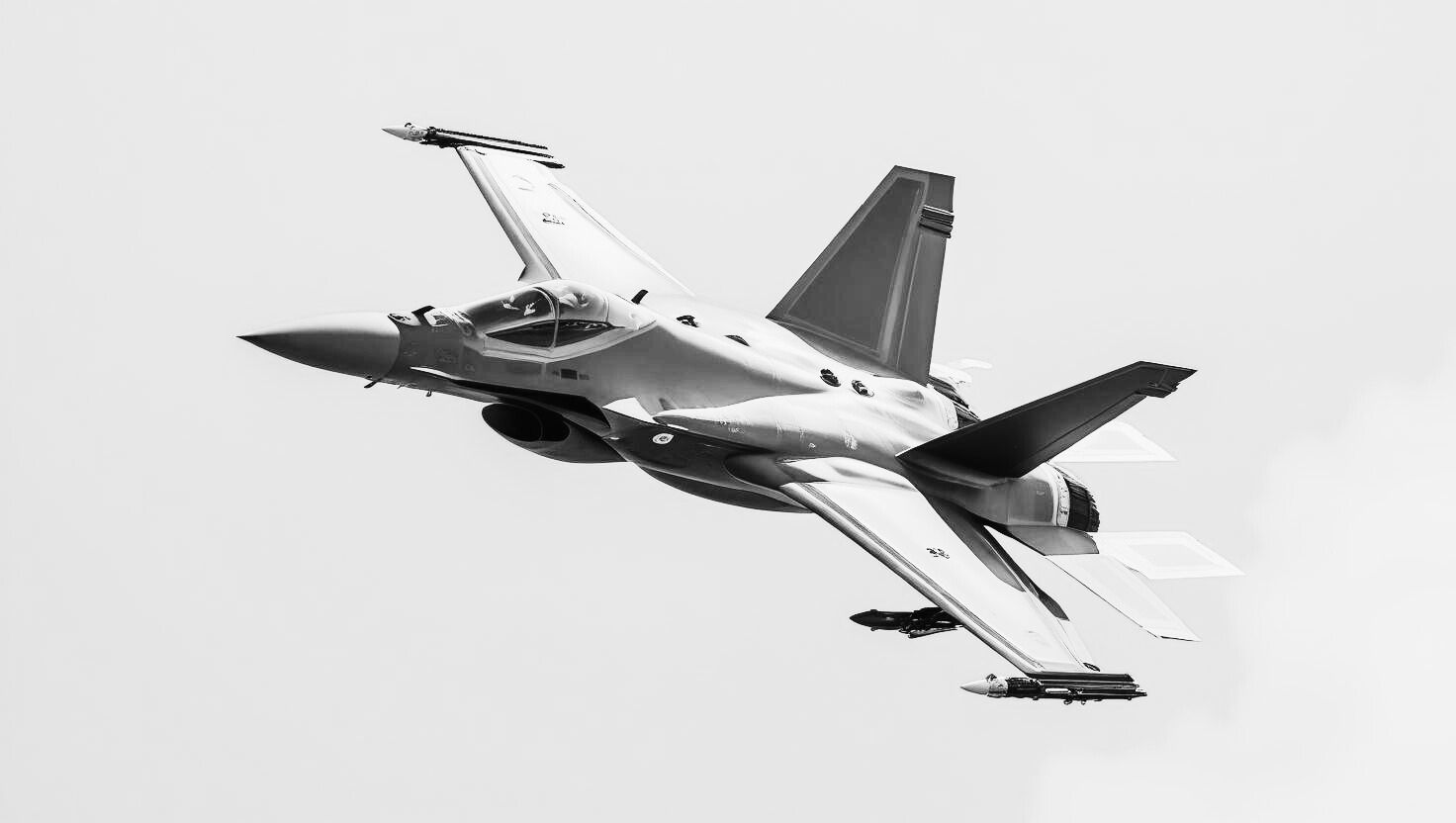
Brazil has reportedly expressed interest in acquiring between 36 and 40 Tejas Mk1A fighter aircraft to replace its ageing F-5 fleet. In addition, the country is evaluating India’s Akash family of air defence systems, including the advanced Akash NG and Akash IS variants, to strengthen its ground-based air defence capabilities.
Under the proposed arrangement, India and Brazil would compensate their respective domestic defence manufacturers—Hindustan Aeronautics Limited (HAL), Bharat Dynamics Limited (BDL), and Embraer—while balancing the overall financial commitments through reciprocal procurement. If implemented, the agreement would represent a significant evolution in India’s defence export strategy and could establish a model for future international defence partnerships.
The success of the proposal, however, depends on several key factors. A major concern is the timely availability of GE F404 engines for the Tejas Mk1A, as delays in engine deliveries have already affected production schedules. Any export agreement would require reliable long-term engine supplies to support both domestic and overseas commitments.
India will also need to assess the C-390M’s operational suitability, including its payload, range, and compatibility with existing logistics infrastructure. At the same time, Brazil’s procurement decision will depend on lifecycle support, maintenance capabilities, and long-term sustainment assurances for the Tejas fighter and Akash missile systems.