Reports claiming that Indian sonar technology or related naval components may have been incorporated into Taiwan’s indigenous submarine programme have drawn significant attention across the Indo-Pacific. However, neither India nor Taiwan has officially confirmed the transfer of military sonar systems or defence equipment, leaving the claims unverified and unsupported by publicly available evidence.
The speculation nevertheless underscores the growing perception that India and Taiwan could emerge as partners in select high-technology sectors, particularly those related to maritime security, while carefully balancing their respective diplomatic sensitivities involving China.
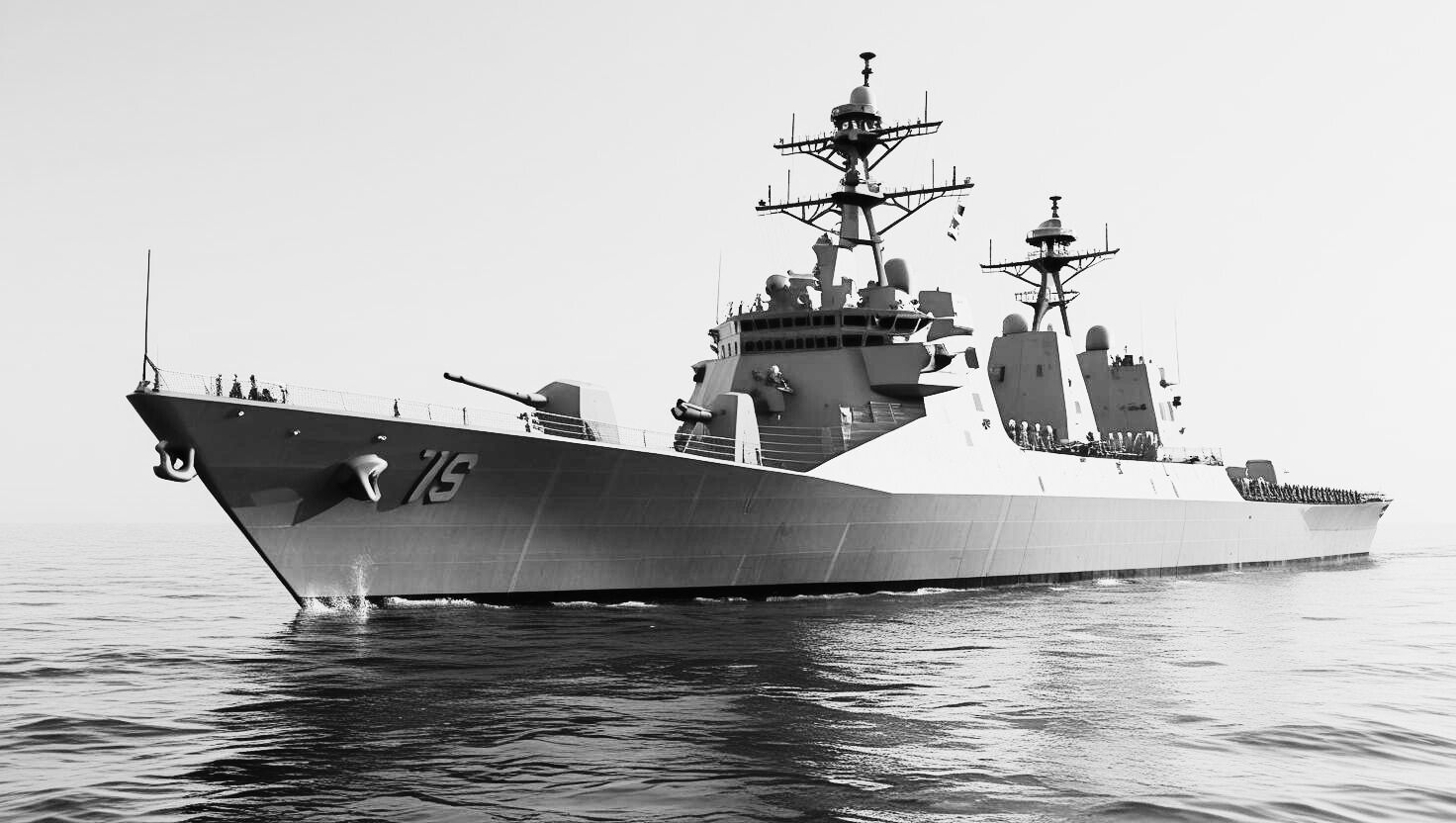
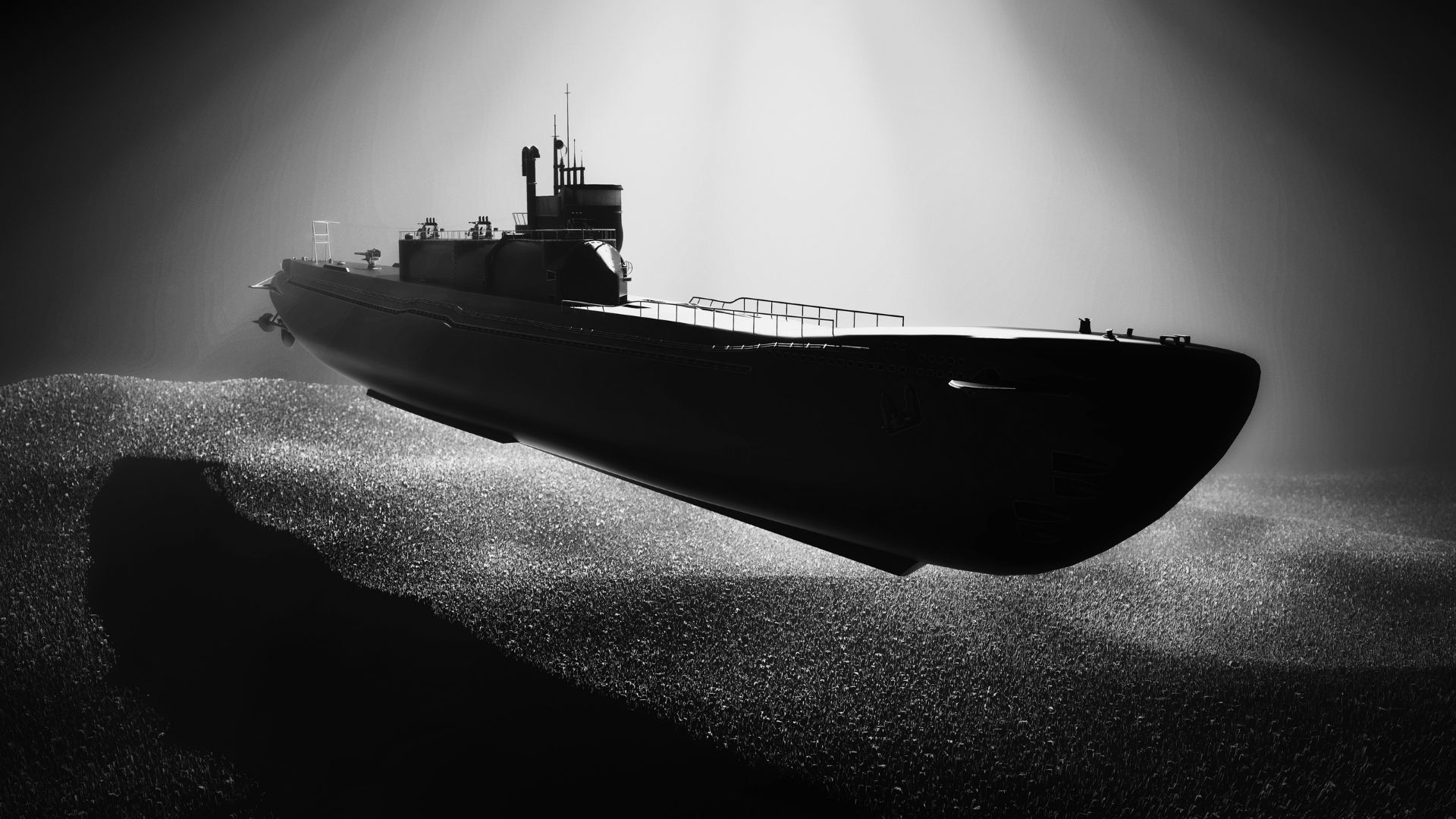
Taiwan has been developing its first indigenous diesel-electric submarines to strengthen its undersea deterrence amid increasing pressure from Beijing. Due to diplomatic limitations and restricted access to conventional defence suppliers, Taipei has sourced engineering expertise, specialised technologies, and components from a diverse network of international companies. Although several Western reports have indicated multinational involvement in the programme, the identities and specific contributions of many suppliers remain undisclosed.
India, meanwhile, has developed indigenous sonar systems through DRDO’s Naval Physical and Oceanographic Laboratory (NPOL), including the USHUS sonar for submarines and the HUMSA sonar for surface warships. These systems have significantly reduced India’s reliance on imported underwater sensors and strengthened the Indian Navy’s indigenous capabilities.
Some defence analysts believe that, if Indian-origin technology were involved in Taiwan’s programme, it would more likely consist of commercial components, engineering services, or dual-use technologies supplied through private industry rather than direct exports of military sonar systems. To date, there is no official evidence that Indian military sonars such as USHUS or HUMSA have been exported to Taiwan.
India regulates exports of sensitive equipment through its SCOMET (Special Chemicals, Organisms, Materials, Equipment and Technologies) framework, under which military and dual-use technologies require government approval depending on their technical specifications and end users. Many marine technologies—including acoustic sensors, electronic systems, and underwater research equipment—have both civilian and military applications, making them widely used across commercial shipping, offshore energy, environmental monitoring, and naval operations.
As Taiwan seeks to diversify its critical technology supply chains and India expands indigenous defence production under the Atmanirbhar Bharat initiative, future collaboration in civilian and dual-use maritime technologies remains a possibility. Taiwan’s leadership in semiconductors and precision electronics complements India’s growing strengths in defence manufacturing, naval systems, and aerospace. However, until official announcements, procurement records, or verified industry disclosures emerge, reports linking Indian sonar technology to Taiwan’s submarine programme should be regarded as unconfirmed speculation.