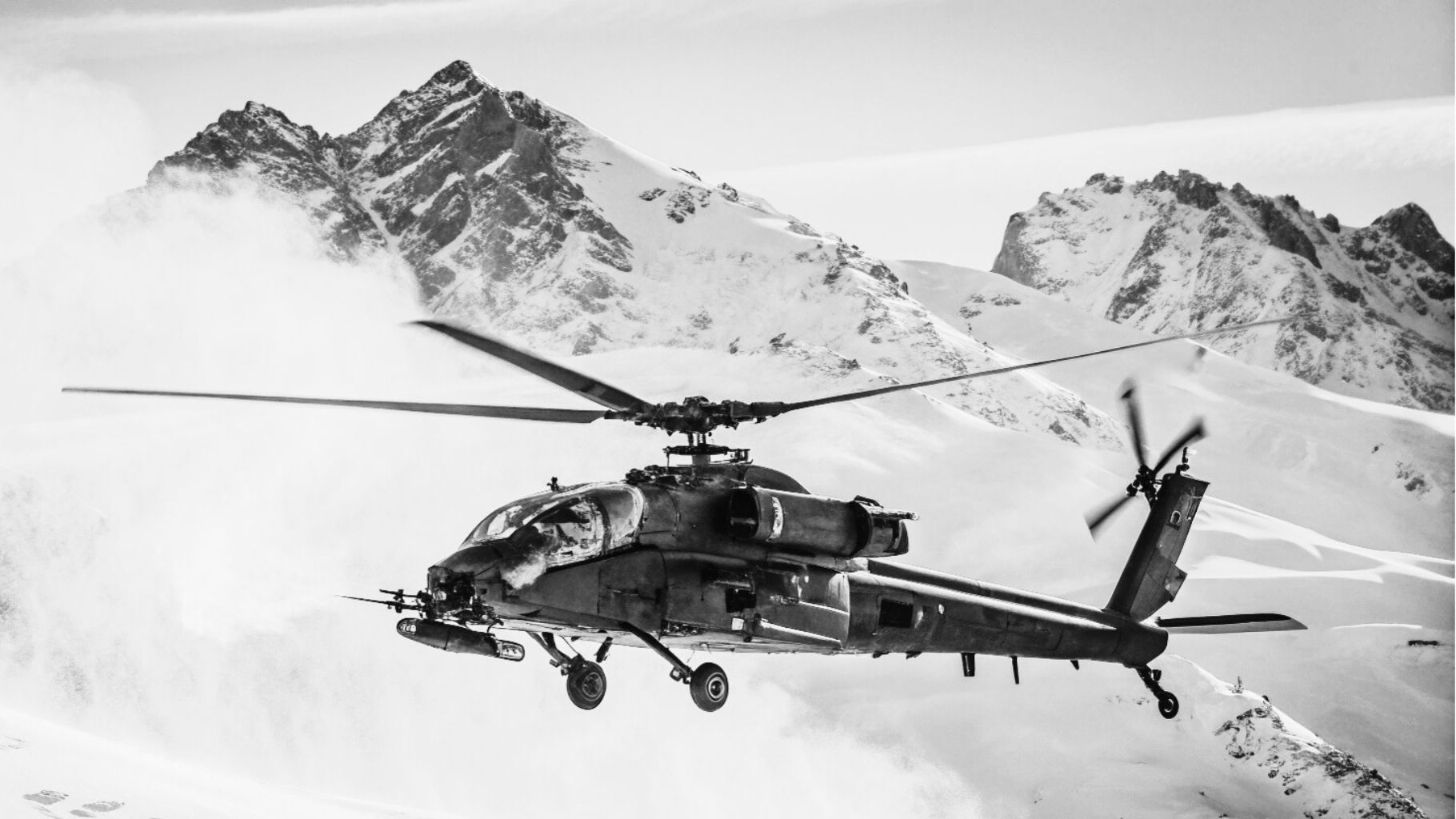
Hindustan Aeronautics Limited (HAL) has released a limited tender (Ref: LCHMSR-395/2/26) for the machining and supply of components for the Light Combat Helicopter (LCH) Prachand, signaling efforts to strengthen production capacity as manufacturing ramps up. Issued under the Helicopter Division’s Advanced Light Helicopter (ALH) outsourcing framework, the tender highlights HAL’s strategy of delegating precision manufacturing activities to qualified industry partners while retaining responsibility for design, certification, and quality oversight.
The move comes as HAL prepares to fulfill major orders, including 156 additional Prachand helicopters for the Indian Army and Indian Air Force. With growing demand placing pressure on internal production resources, outsourcing key machining operations is expected to streamline manufacturing, reduce bottlenecks, and accelerate delivery timelines through parallel production processes.
The tender primarily covers high-precision CNC machining of structural airframe components such as ribs, frames, brackets, and load-bearing assemblies. These parts are manufactured from aerospace-grade aluminum and titanium alloys, requiring strict adherence to dimensional tolerances, surface quality standards, heat-treatment specifications, and inspection protocols. Given the demanding operational environment of a combat helicopter, every component must withstand vibration, thermal stress, and fatigue loads throughout its service life.
The use of the ALH outsourcing framework is particularly significant, as it allows HAL to leverage an already established supplier ecosystem built around the Dhruv helicopter program. Existing certification procedures, quality control mechanisms, and vendor management systems can therefore be applied directly to LCH production, minimizing supplier onboarding challenges and ensuring consistency across the supply chain.
From a manufacturing perspective, the approach enables HAL to concentrate on final assembly, systems integration, and flight testing, while external vendors undertake repeatable machining activities. This distributed production model also supports the creation of a robust supplier network capable of sustaining long-term helicopter production requirements.
More broadly, the tender reflects India’s ongoing shift toward a collaborative aerospace manufacturing ecosystem. By expanding private-sector participation in the production of high-specification helicopter components, HAL is not only boosting output capacity but also strengthening the domestic industrial base needed to support future upgrades, lifecycle maintenance, and potential export opportunities.