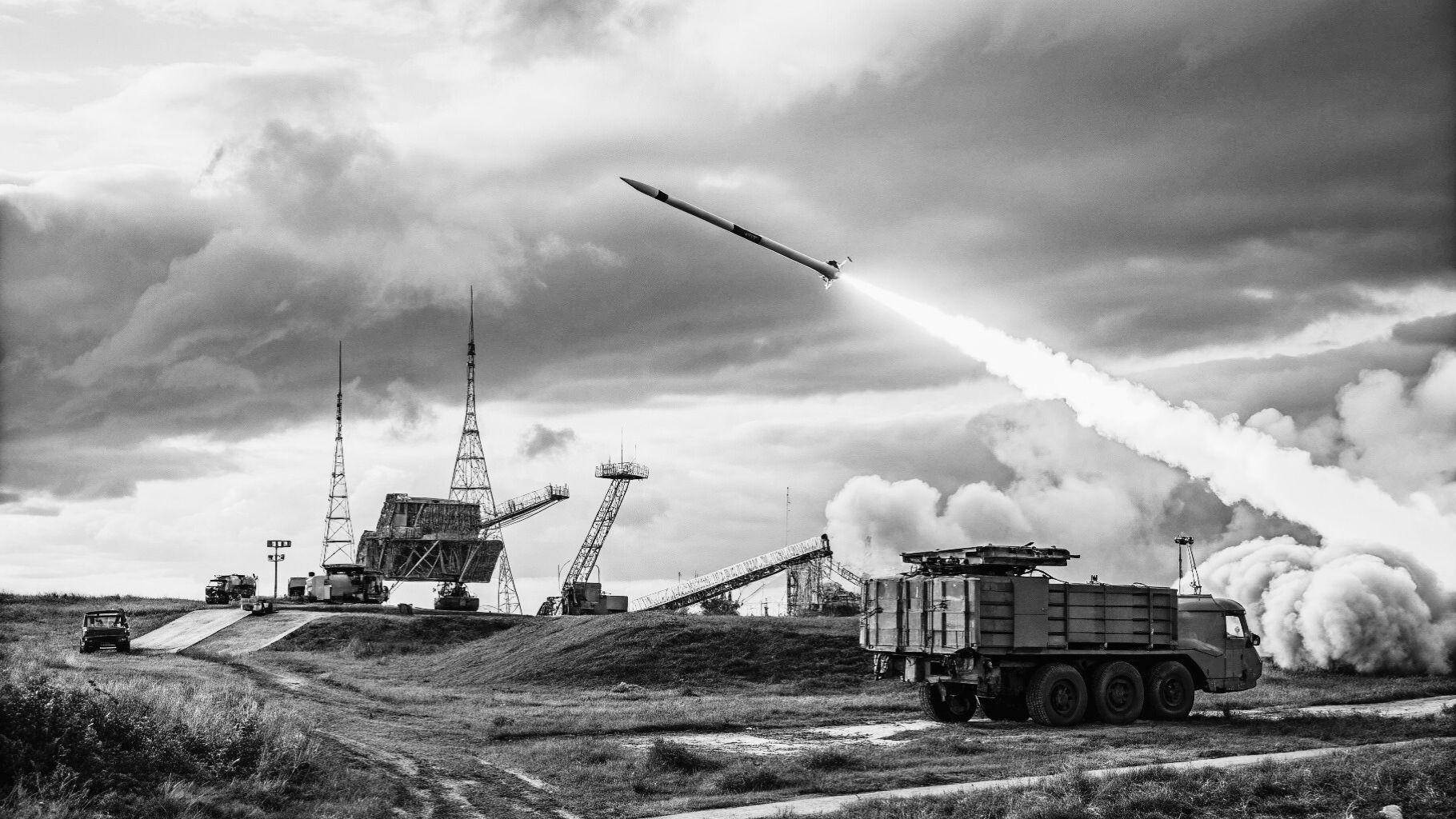
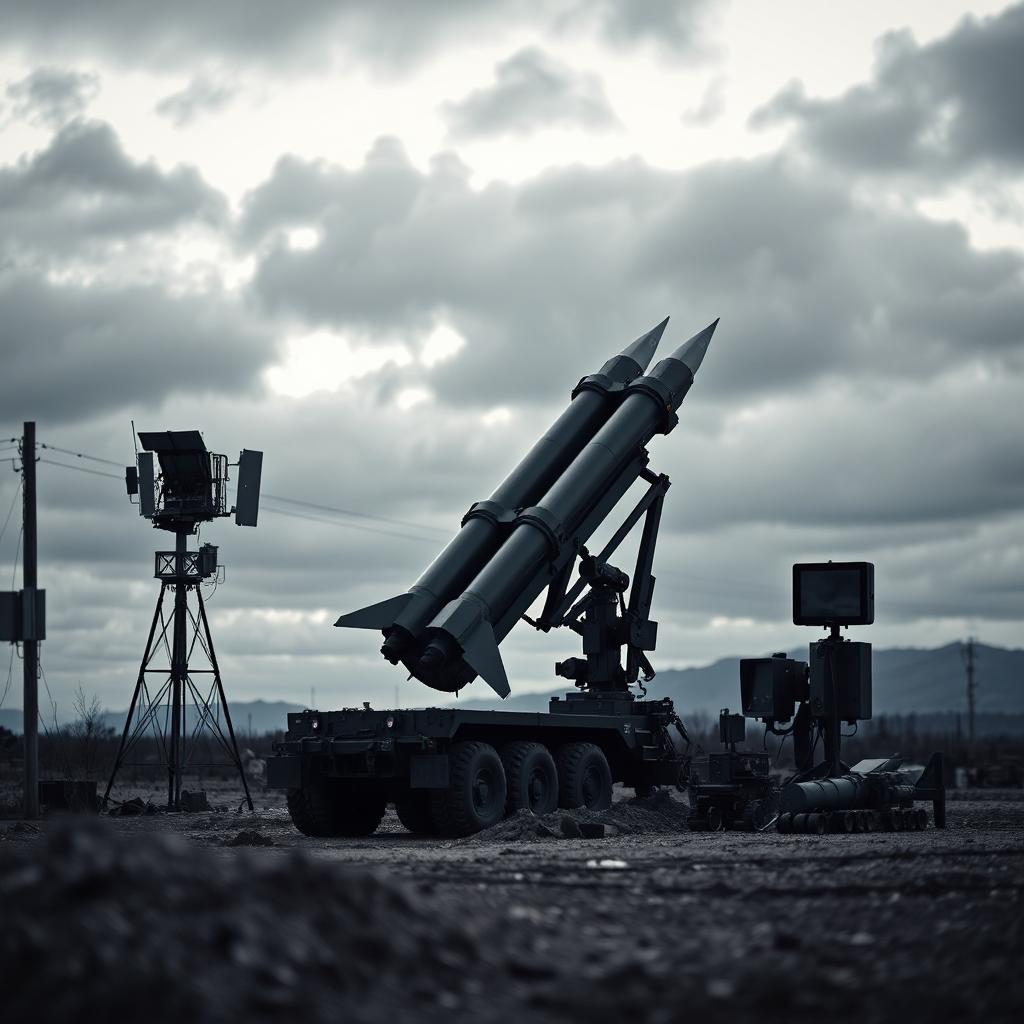
Lithuania has deployed a National Advanced Surface-to-Air Missile System (NASAMS) near Vilnius, replacing the RBS 70 short-range air-defense system that had previously been responsible for protecting the capital, according to local reports.
Chief of Defence Gen. Raimundas Vaikšnoras said the NASAMS offers improved range, speed, and accuracy compared with the previous system.
The deployment comes amid a series of drone incursions into NATO airspace across the region. Lithuania recorded its most recent drone-related incident in May, while a NATO fighter operating from Šiauliai Air Base recently intercepted a drone over neighboring Latvia.
Lithuania currently operates two NASAMS batteries and is expected to receive a third battery in 2028.
Lithuania Strengthens National Security
The deployment of NASAMS near Vilnius forms part of Lithuania’s wider effort to reinforce its defenses against potential threats from Russia.
Located on NATO’s eastern flank, Lithuania shares borders with both Russia and Belarus, a close ally of Moscow, placing the country in a strategically sensitive position.
In July, Lithuania deployed up to 30 troops to protect critical energy infrastructure after President Gitanas Nausėda warned that Russia could attempt to disrupt the country’s transport and energy networks through sabotage.
Higher defense spending is also supporting Lithuania’s ongoing military modernization efforts.
The country allocated 4.7 billion euros ($5.4 billion) for defense this year, representing more than 5 percent of GDP and an increase of 41 percent compared with 2025.
The funding will support the acquisition of additional NASAMS batteries, Piorun missiles, mobile short-range air-defense systems, medium-range radars, and equipment designed to detect and counter drone threats.
Lithuania is also reviewing the legal restrictions surrounding its role in NATO’s deterrence strategy. Earlier this year, the government proposed removing the constitutional ban on the deployment of nuclear weapons on Lithuanian territory, arguing that the country should be fully integrated into NATO’s nuclear deterrence framework.