MoD Seeks Advanced Micro UAVs for Indian Air Force Garud Special Forces
The Ministry of Defence (MoD) has launched the procurement process for a new generation of Micro Unmanned Aerial Vehicle (UAV) systems intended for the Indian Air Force’s Garud Special Forces. Through a Request for Information (RFI), the ministry is inviting responses from indigenous and international vendors capable of delivering lightweight, military-grade surveillance drones optimized for special operations in challenging environments.
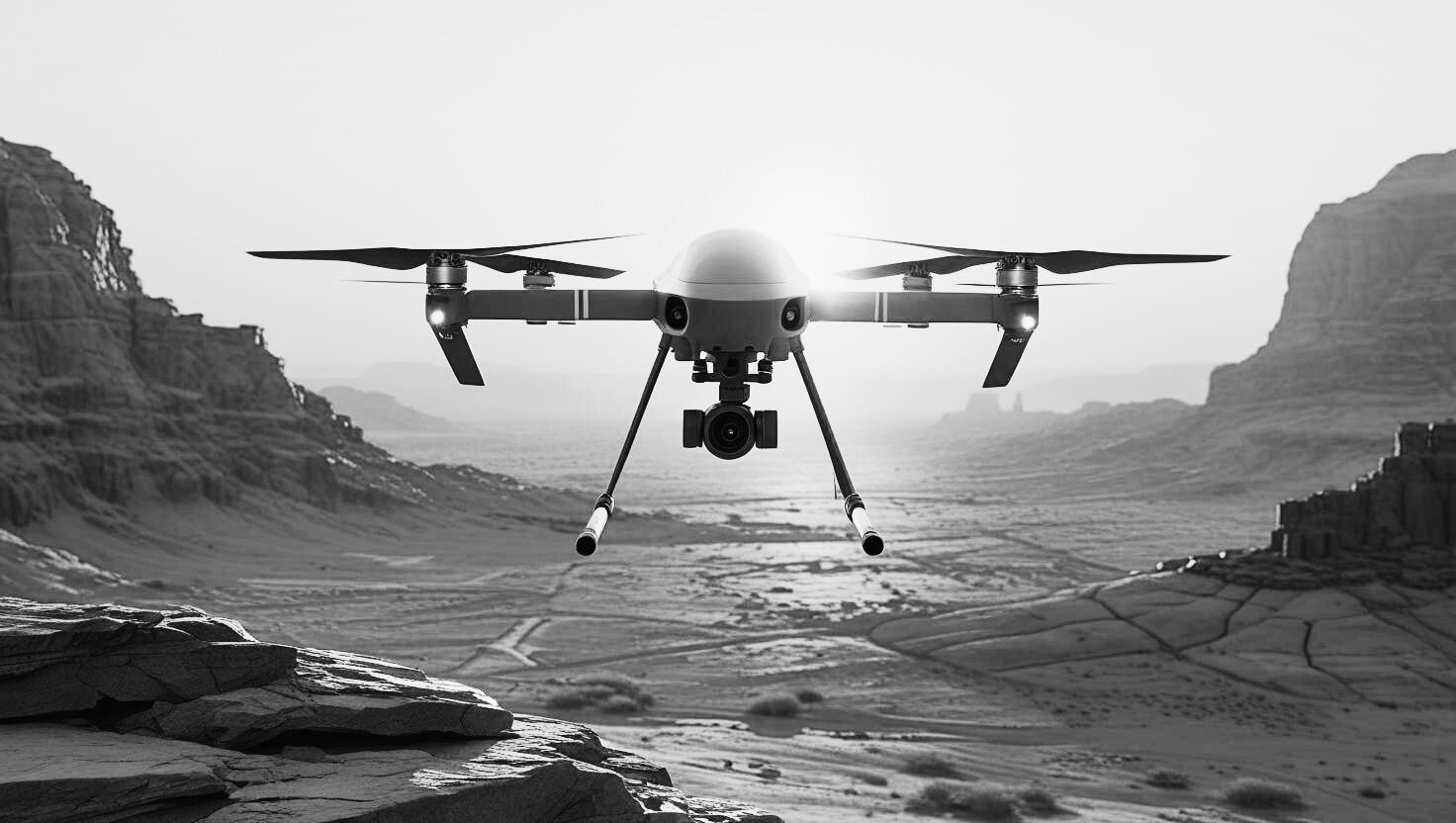
The RFI outlines comprehensive operational and technical requirements for a compact Micro UAV designed to perform day-and-night intelligence, surveillance, reconnaissance (ISR), and target acquisition missions, particularly in high-altitude regions such as the Himalayas where conventional surveillance assets often face operational limitations.
The proposed system is intended to enhance the operational capability of India’s special forces by providing portable, high-performance unmanned surveillance platforms capable of functioning in extreme terrain and weather conditions.
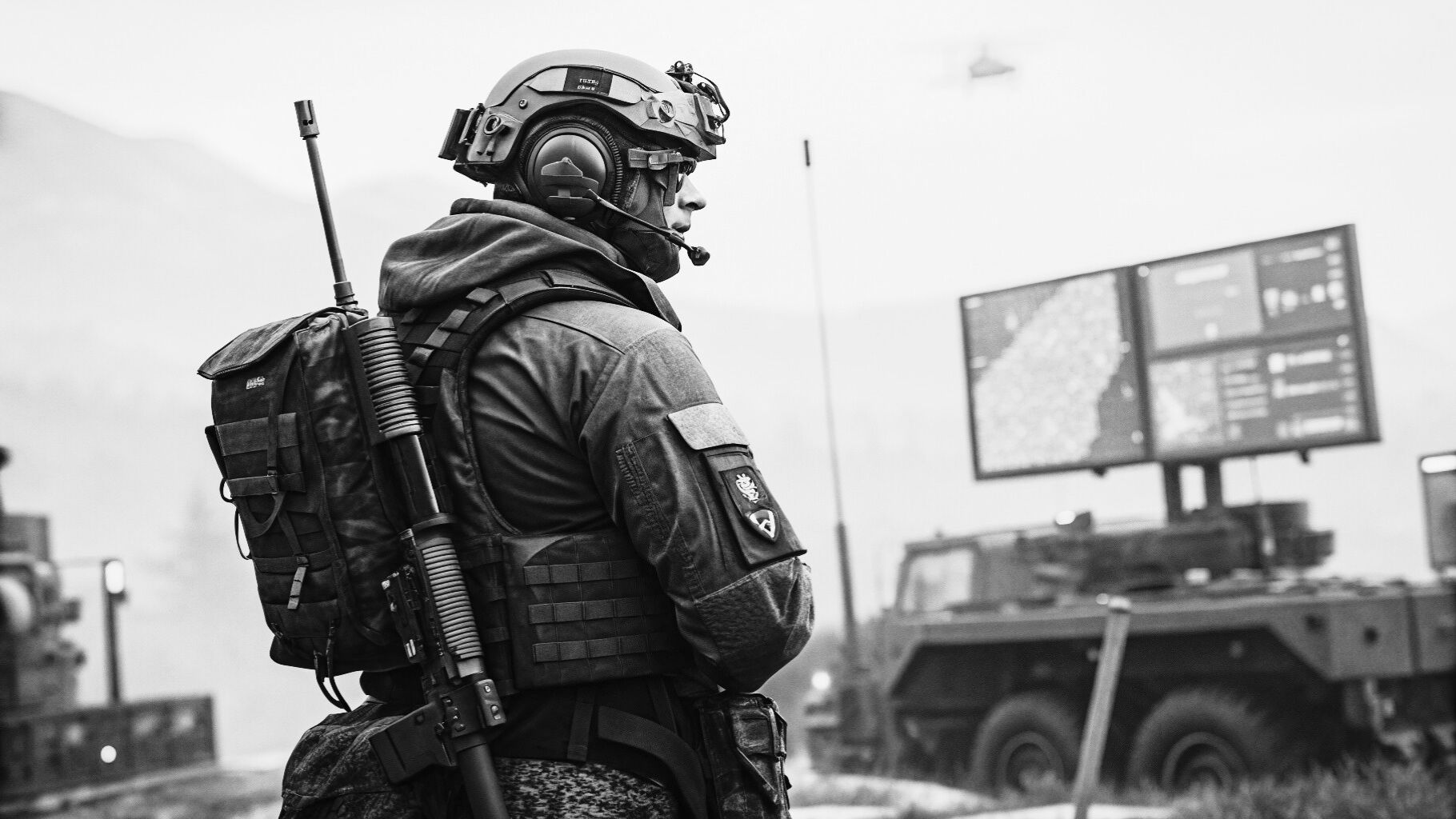
According to the RFI, the complete Micro UAV system must be man-portable and transportable by two personnel using two all-weather backpacks. The total system weight is capped at 25 kg (±20%), while the aerial vehicle itself should weigh approximately 12 kg (±20%), allowing rapid deployment during special operations.
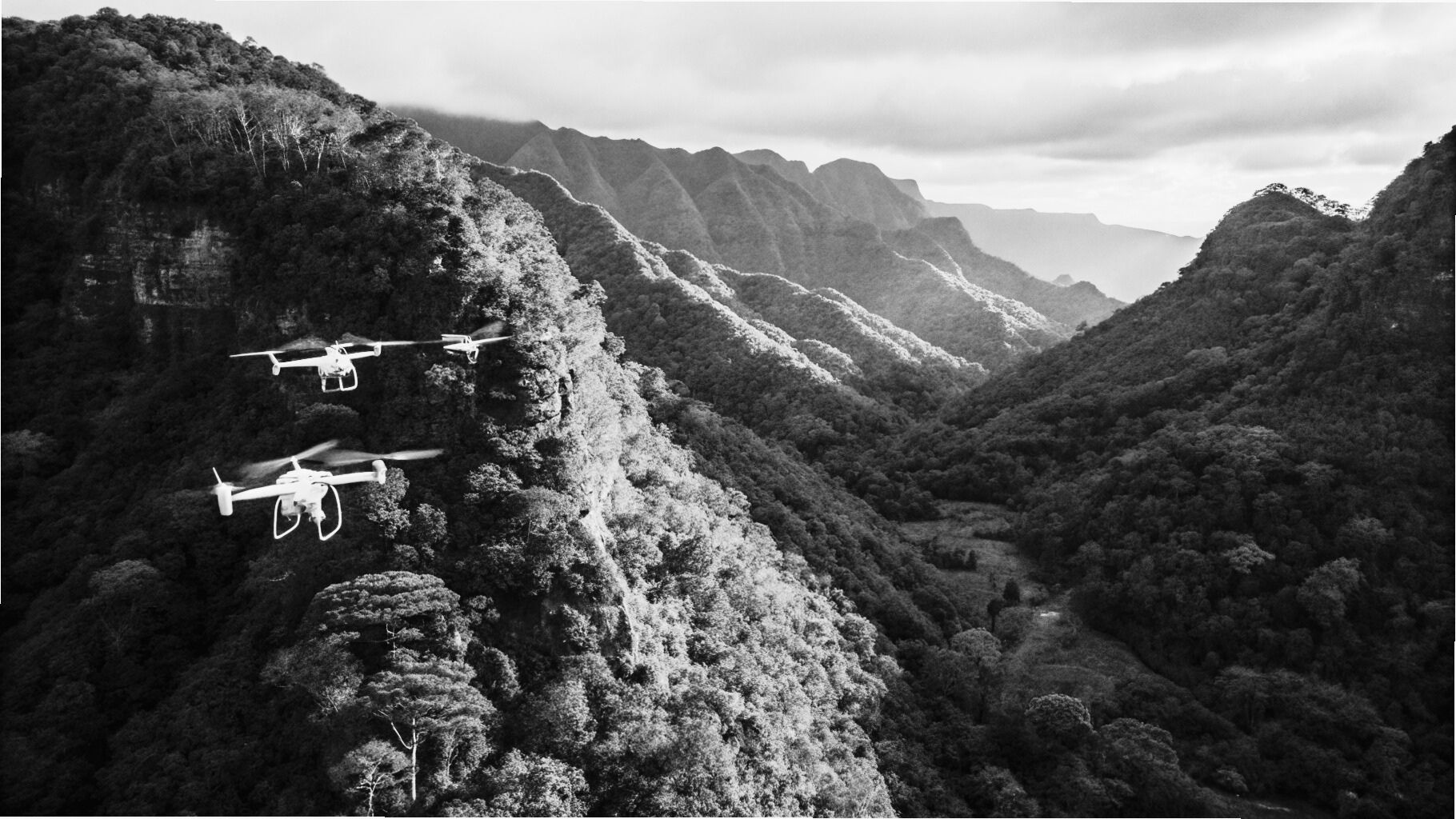
The Ministry has expressed a preference for a twin-rotor coaxial Vertical Take-Off and Landing (VTOL) configuration, eliminating the need for prepared runways. Autonomous VTOL capability would enable Garud commandos to launch and recover the UAV from confined spaces, mountain ridgelines, temporary observation posts, and forward operating bases.
One of the key operational requirements is the UAV’s ability to function at extreme altitudes. The drone must be capable of launching from locations up to 16,400 feet above mean sea level (AMSL) and climbing to at least 1,700 feet above ground level (AGL) while maintaining stable flight performance.
Despite operating in thin-air environments, the system is expected to deliver a minimum endurance of 60 minutes and support a secure radio line-of-sight operational radius of 15 kilometers. The UAV must also tolerate wind speeds of up to 30 km/h during vertical take-off and landing and up to 50 km/h during flight, ensuring reliable performance under demanding mountain weather conditions.
The RFI places strong emphasis on military-grade durability and survivability. All system components must comply with MIL-STD-461 electromagnetic compatibility standards and MIL-STD-810 environmental qualification requirements. In addition, the UAV must provide a minimum IP56 protection rating against dust and water ingress, while the electro-optical payload is required to meet the higher IP65 standard.
For ISR missions, the UAV will carry a stabilized electro-optical/infrared (EO/IR) gimbal equipped with a Full HD daylight camera offering a minimum resolution of 1920×1080 pixels, 30x continuous optical zoom, a wide field of view of at least 28 degrees, and a narrow field of view of 2 degrees or less for detailed long-range observation.
Complementing the daylight sensor, the payload will also include a long-wave infrared (LWIR) thermal imaging camera, enabling the detection of personnel, vehicles, and other targets during nighttime operations, adverse weather, and low-visibility conditions.
Operational flexibility is another important requirement. The Micro UAV must support autonomous flight, manual piloting, real-time target tracking, loitering over designated areas, and an automatic Return-to-Home function in the event of communication loss or low battery conditions.
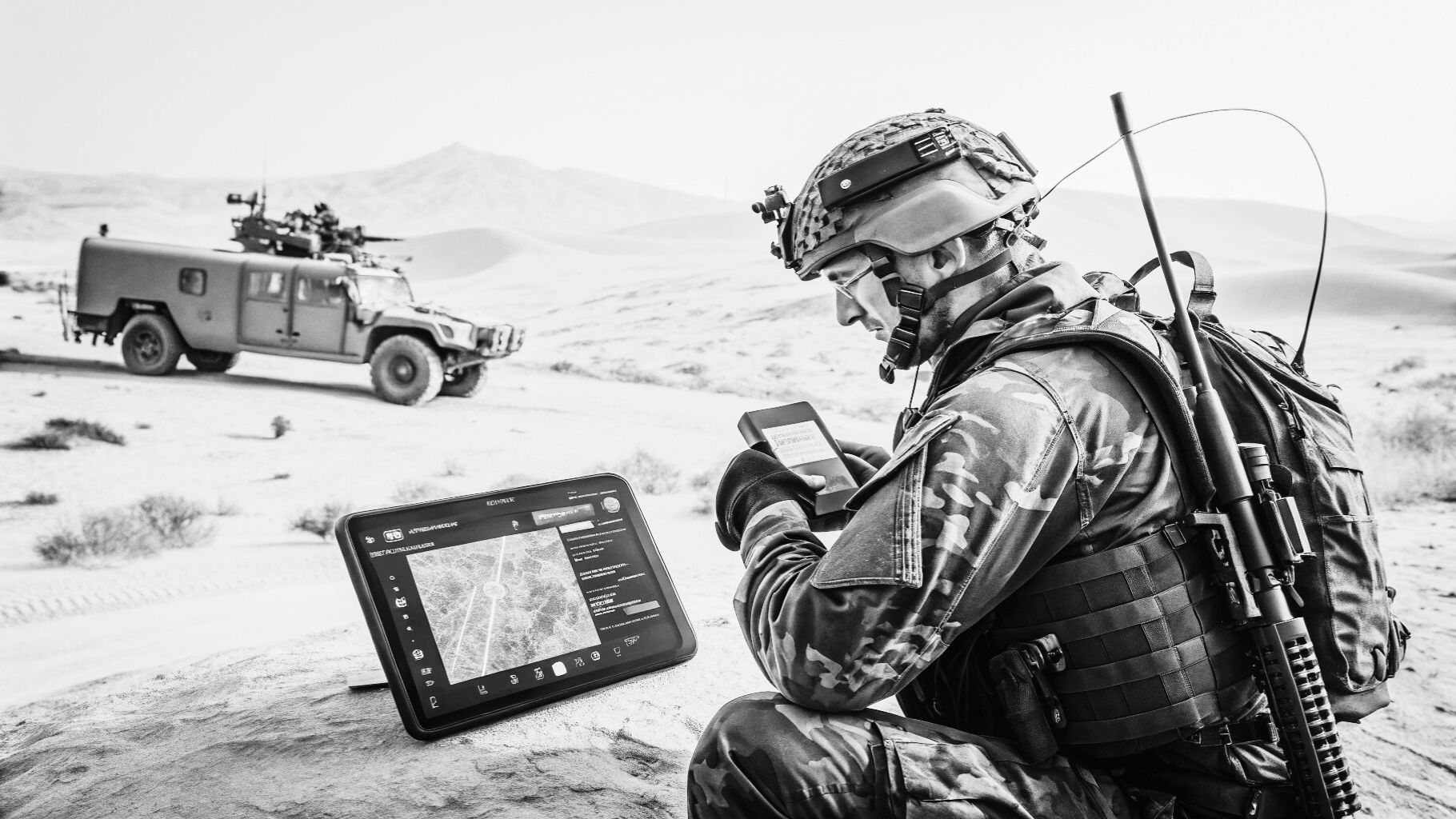
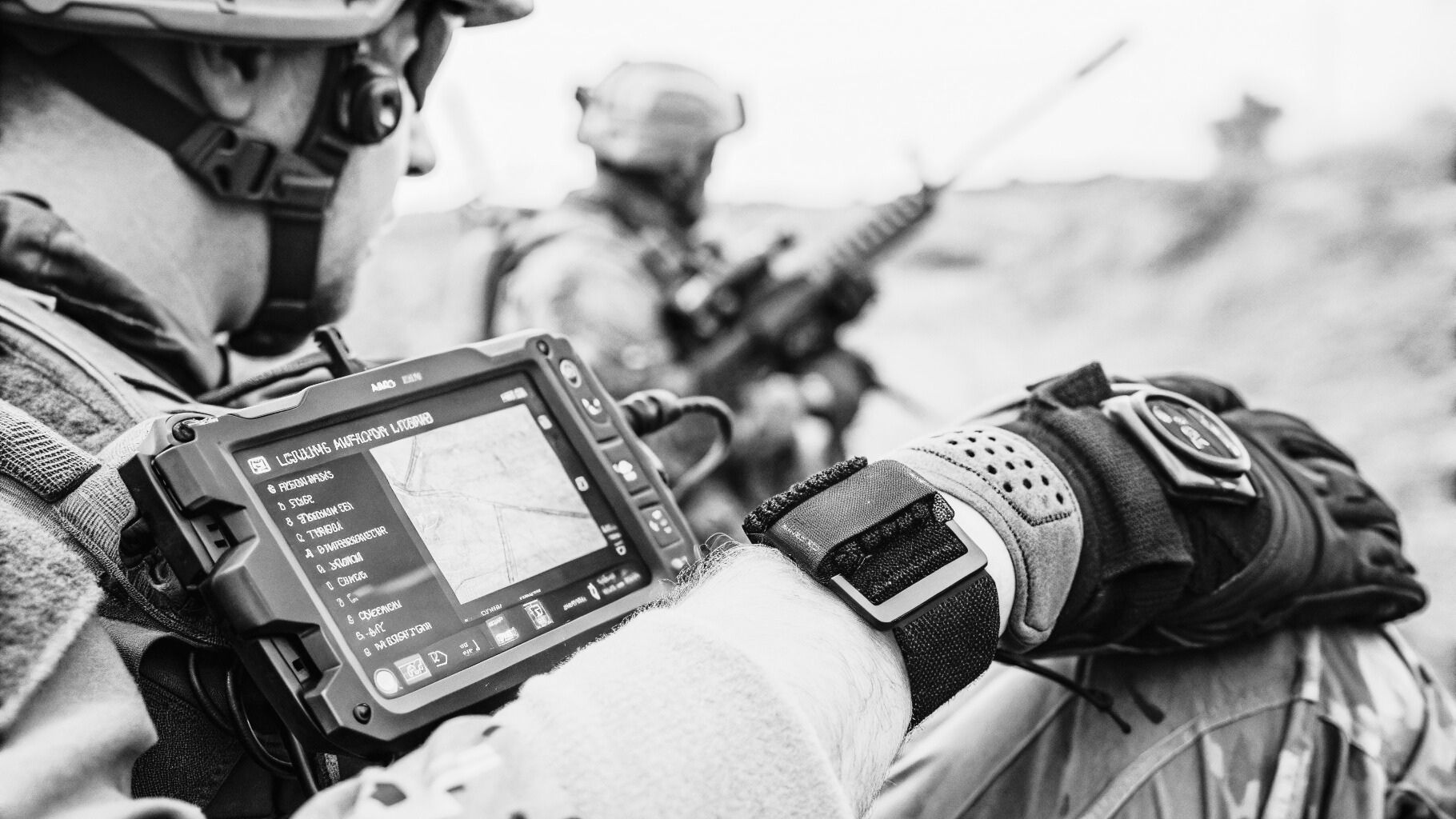
To improve battlefield situational awareness, the system must provide encrypted communications between the UAV, the Ground Control Station (GCS), and Remote Video Terminals (RVTs) carried by deployed personnel. Secure real-time video transmission will enable Garud commandos to receive live intelligence while minimizing vulnerability to electronic warfare threats.
The UAV must support multiple satellite navigation systems, including GPS, GLONASS, and India’s NavIC/IRNSS, while remaining compatible with Defence Series Maps, the WGS-84 reference system, and Indian Military Grid Reference (IMGR) coordinates.
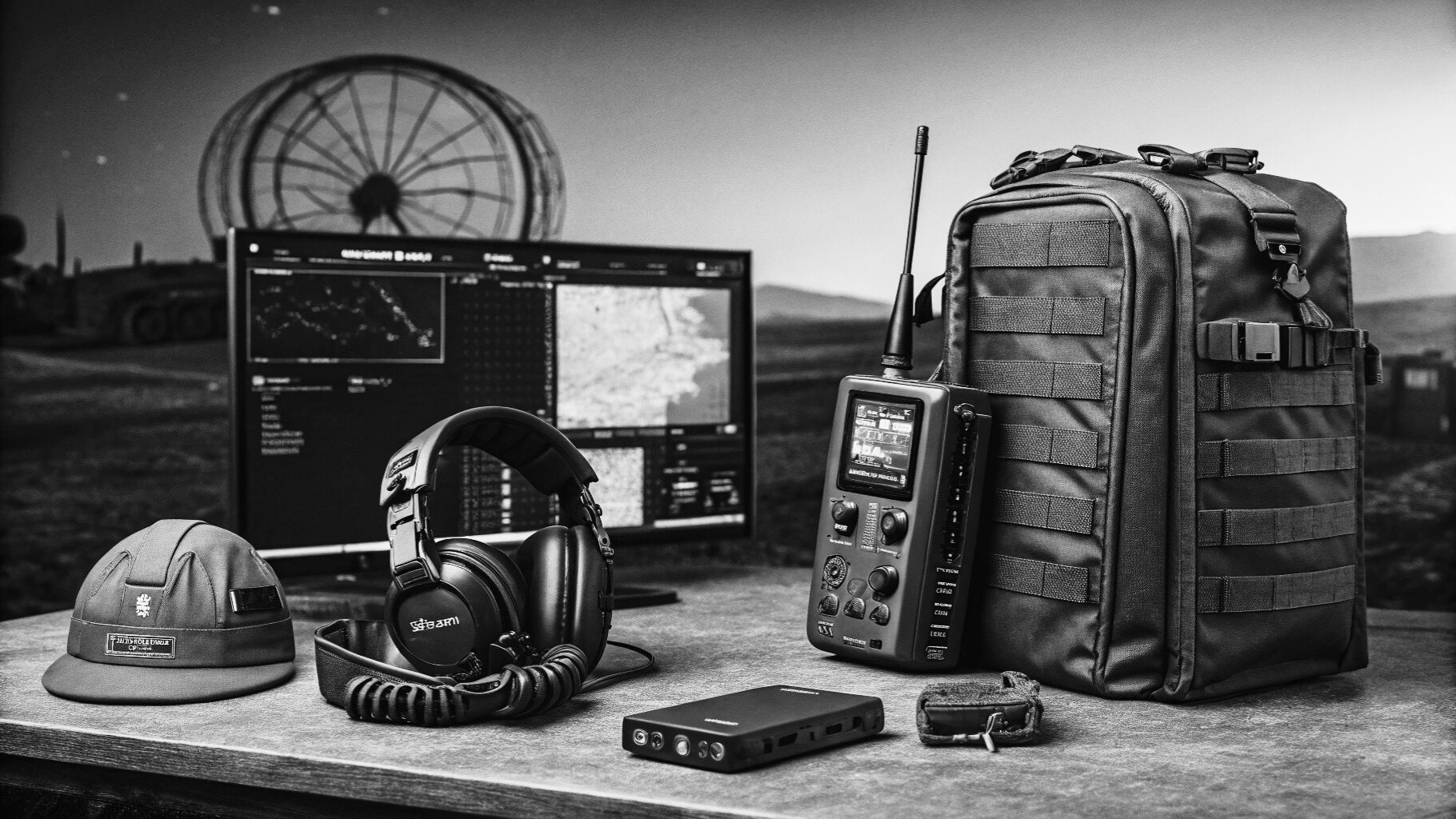
Each procurement package will include two UAVs, spare rechargeable batteries, a portable Ground Control Station, two Remote Video Terminals with control functionality, two EO/IR stabilized payloads, RF data-link equipment, a universal charging system, field maintenance tools, and all-weather transport backpacks.
The Ministry has specified a service life of seven years or 500 landings, whichever occurs first, highlighting its requirement for a rugged, field-deployable UAV capable of supporting sustained operations across India’s diverse operational environments.