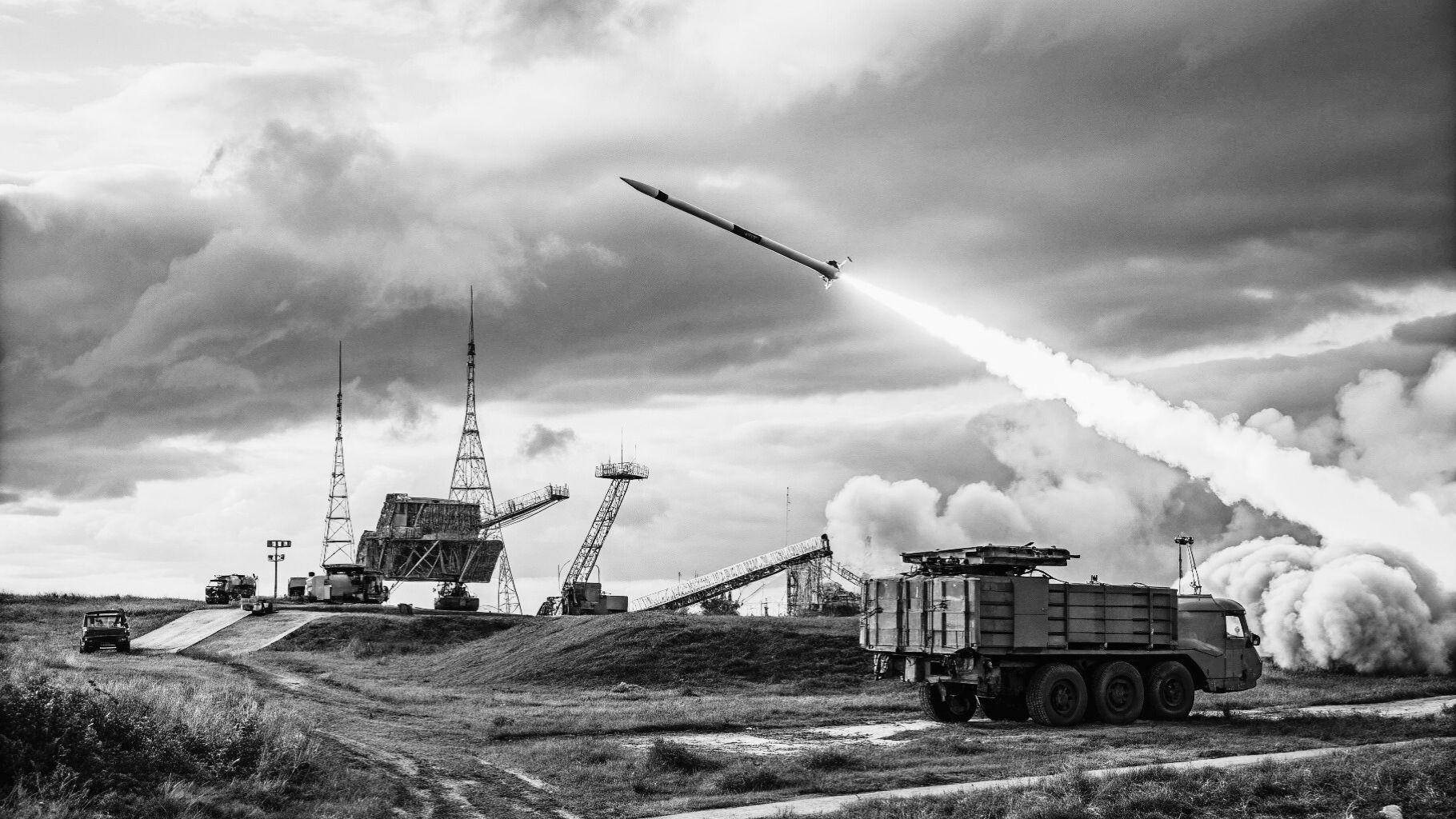
The reported combat performance of the BrahMos supersonic cruise missile during Operation Sindoor has significantly raised international attention toward the Indian-Russian missile system. A report by The Week cited sources as saying that the weapon’s precision and destructive effectiveness contributed to Pakistan’s decision to seek a ceasefire, while its reported ability to defeat Chinese-origin air-defence systems in Pakistani service further increased interest among potential buyers.
BrahMos had already attracted international customers before the 2025 operation. India signed a $375 million contract with the Philippines in January 2022 to supply three BrahMos missile batteries. Following Operation Sindoor, negotiations with additional countries reportedly moved forward, with Vietnam linked to a deal worth approximately $629 million and Indonesia reportedly finalising an agreement valued at between $200 million and $300 million.
From a Missile Capability Gap to BrahMos
The BrahMos story began in the late 1990s, when India identified the need for a high-speed cruise missile capability. A.P.J. Abdul Kalam, then leading DRDO and the Integrated Guided Missile Development Programme, oversaw a missile portfolio that included Prithvi, Agni, Akash, Trishul and Nag but lacked a comparable supersonic cruise missile.
In 1997, a 27-member Indian delegation travelled to Reutov near Moscow to examine Russian missile technology. The group included DRDO scientists, government defence-industry officials and private-sector representatives. Over nearly three months, the delegation studied propulsion technology associated with Russia’s Oniks supersonic cruise missile.
The effort culminated in an inter-governmental agreement between India and Russia in 1998, establishing the joint venture that later became BrahMos Aerospace. The programme involved DRDO and Russia’s NPO Mashinostroyeniya and was initially managed under a highly classified framework. DRDO designated the development effort PJ-10.
Combat Experience Raises BrahMos’ Profile
After years of development, BrahMos evolved into one of India’s most important precision-strike systems and a major defence export product.
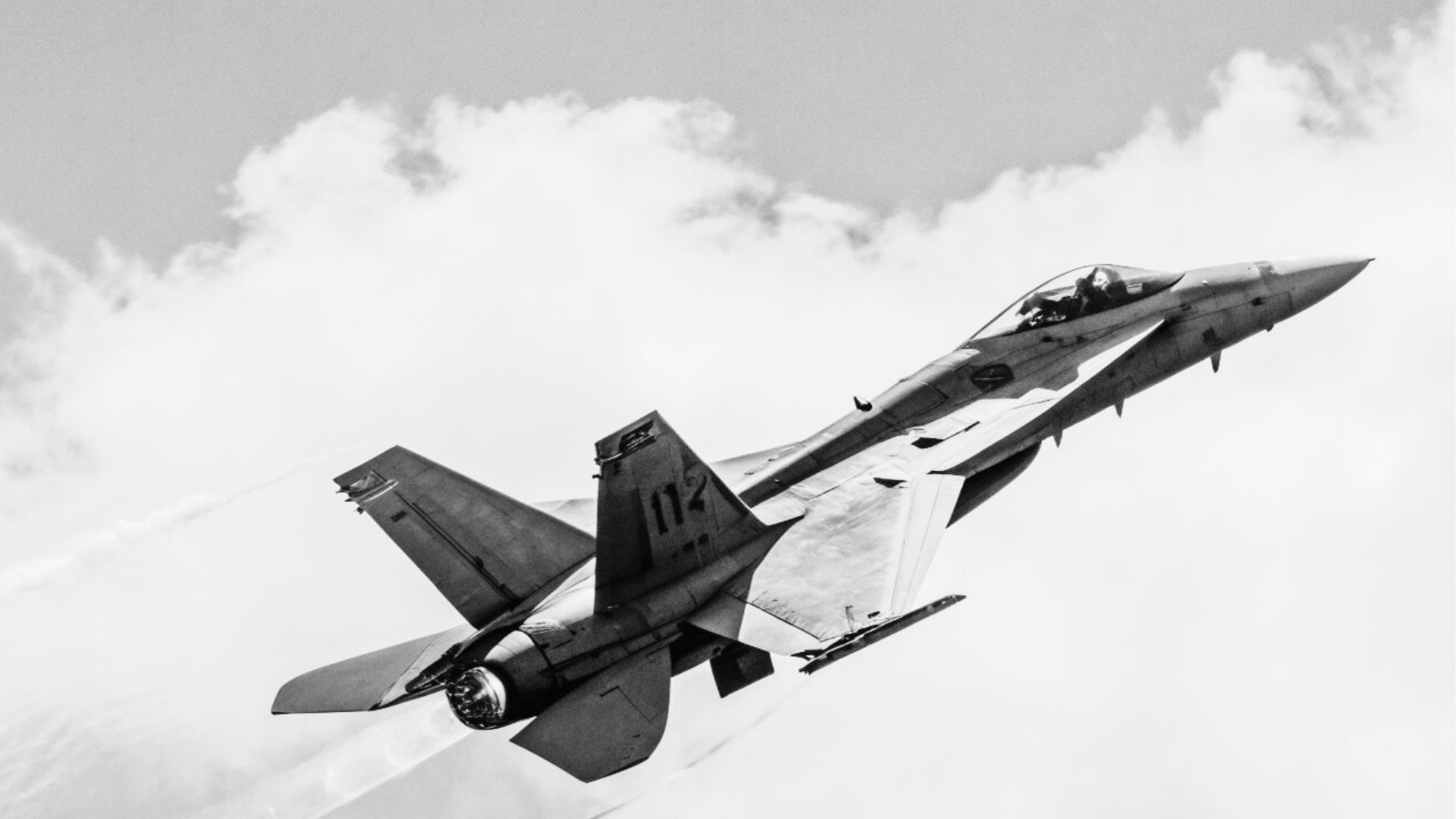
The missile reportedly saw extensive use during Operation Sindoor in May 2025. Sources cited in the report claimed that Indian fighter aircraft launched at least 15 BrahMos missiles against Pakistani military targets without crossing the international border.
The reported performance of the weapon became an important factor in subsequent international interest. Its combination of high speed, precision and advanced guidance capabilities has made BrahMos an attractive option for countries seeking to enhance their long-range strike capabilities.
India Expands Manufacturing Capacity
To meet increasing demand, India has significantly expanded BrahMos production infrastructure. Manufacturing facilities are operational in Hyderabad, Nagpur and Pilani, while a new facility in Lucknow has recently joined the production network.
According to the report, each of the four centres currently has the capacity to produce at least four missiles per month, with additional expansion planned. Demand is expected to increase further as India seeks to integrate BrahMos across a larger portion of its naval and air forces.
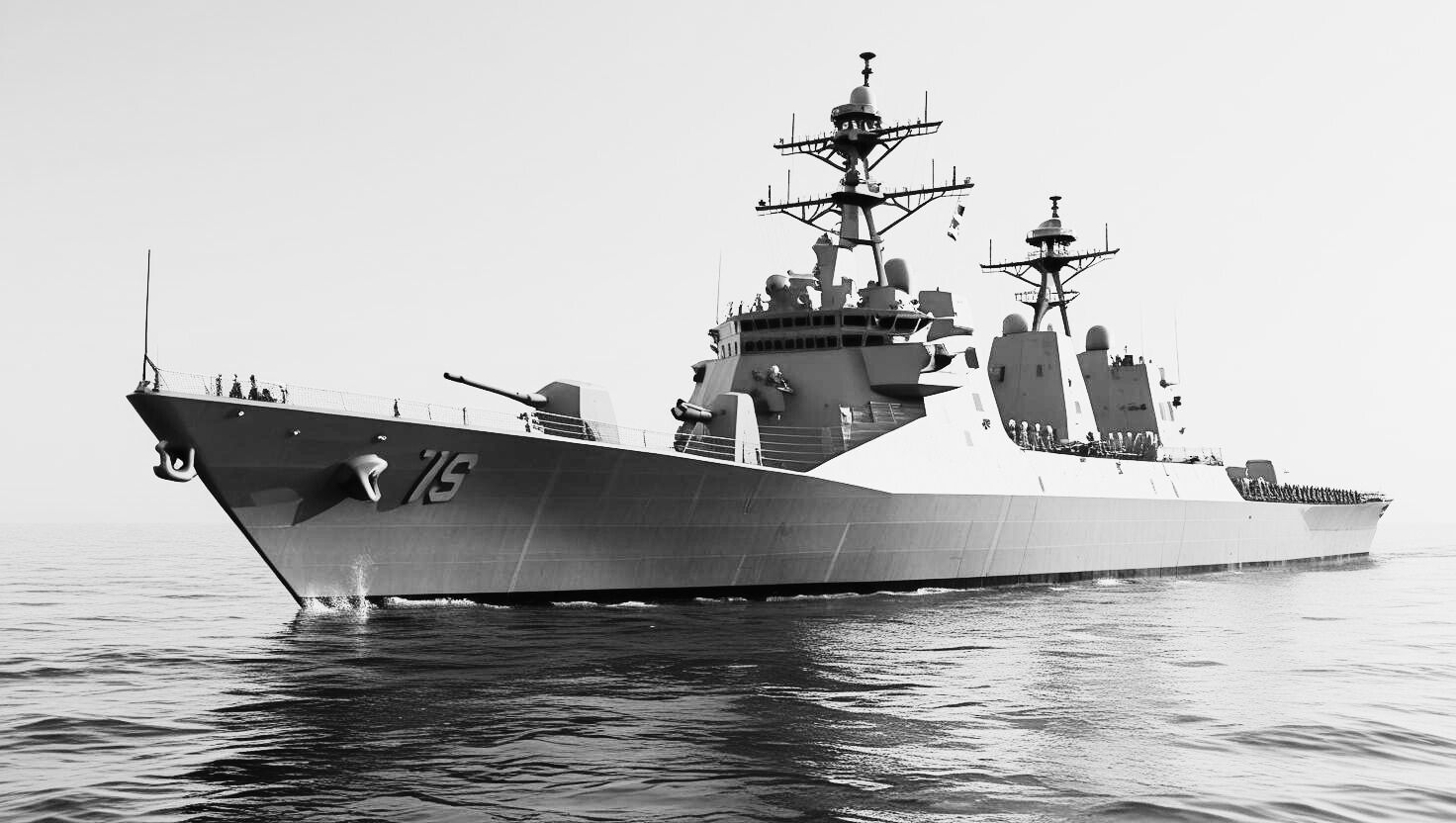
Major Indian naval warships and selected fighter aircraft are expected to receive BrahMos as part of their weapons architecture. Meanwhile, countries from Europe, West Asia, Latin America and Africa have reportedly expressed interest in acquiring the missile.
Future BrahMos Development
The BrahMos programme is also moving toward a new generation of variants designed to expand its operational flexibility. Development efforts include concepts for underwater deployment and a miniaturised version suitable for additional platforms.
India is also pursuing greater indigenous content in future versions of the missile. One of the long-term goals is to integrate a fully indigenous BrahMos variant with Indian-developed combat aircraft such as the Tejas and LCA Mk2.
If achieved, this combination could strengthen India’s domestic defence ecosystem, reduce dependence on foreign technology and further support the country’s ambitions to become a global supplier of advanced precision-strike systems.