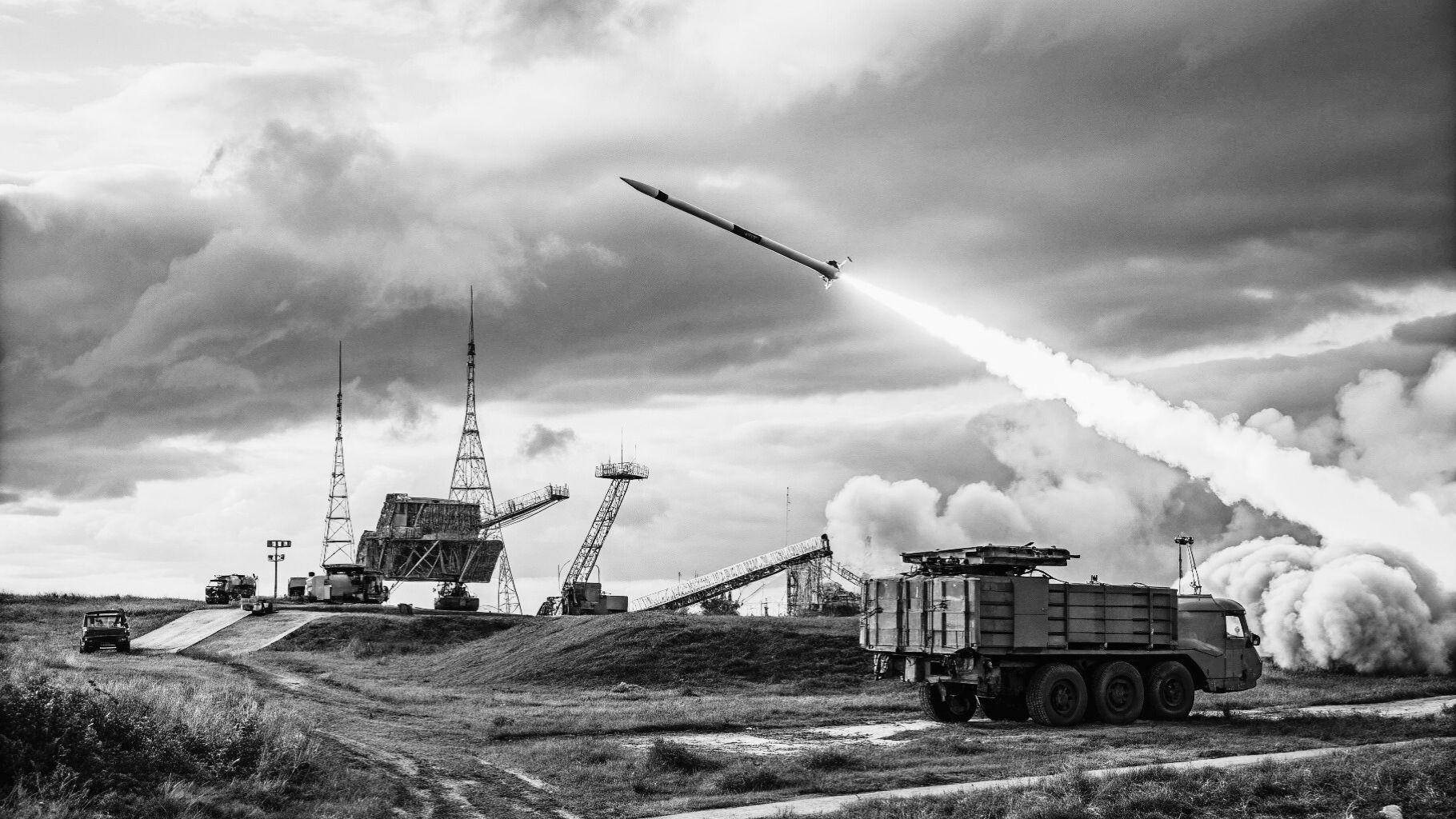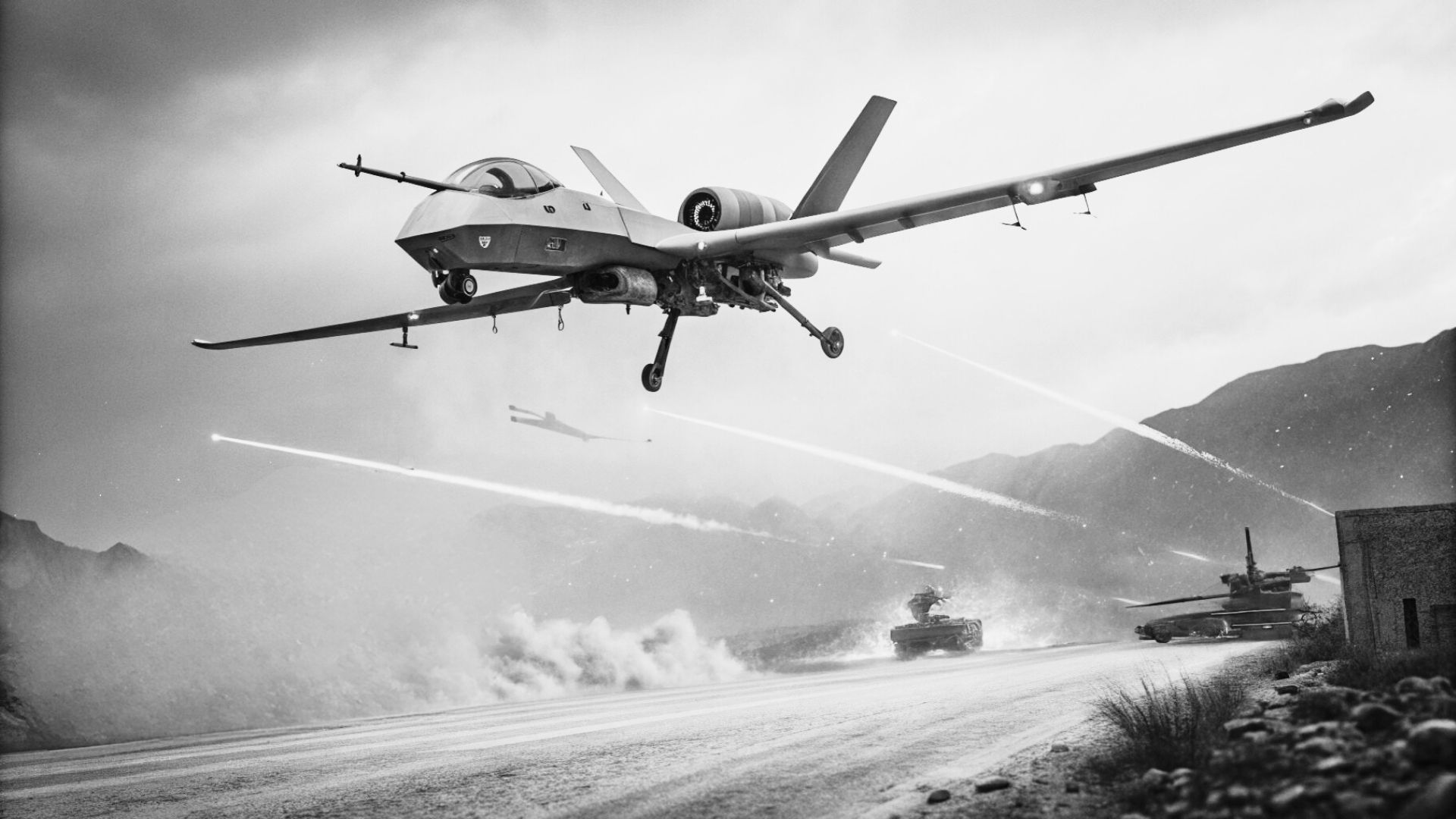
India’s Astra Mk-I Beyond Visual Range Air-to-Air Missile (BVRAAM) has become one of the country’s key indigenous aerospace achievements. The missile is now in service with the Indian Air Force and has demonstrated capabilities comparable to several modern medium-range air-to-air weapons. As a result, Astra Mk-I is increasingly being considered for international export. However, securing an export customer is only the beginning. The more complex challenge is integrating the missile with foreign fighter aircraft.
Modern BVRAAMs are closely connected to an aircraft’s avionics architecture. During an engagement, the missile can interact with the fighter’s fire-control radar, mission computer, and secure datalink. This makes weapon integration one of the most technically demanding aspects of a defense export program.
One of the primary challenges is obtaining access to aircraft software and radar interfaces. In a typical beyond-visual-range engagement, the fighter initially detects and tracks the target using its radar. After launch, the missile can receive guidance updates from the aircraft before its active seeker takes over during the terminal phase. This process requires reliable communication between the missile and the aircraft’s mission systems.
Aircraft manufacturers tightly control their mission-system software and radar technologies because these systems represent significant intellectual property and technological investment. Companies such as Dassault Aviation, Lockheed Martin, Saab, and Russia’s Sukhoi maintain control over their respective avionics architectures. Without sufficient access to these systems, independent integration of Astra can be difficult.
Even when an aircraft manufacturer agrees to support integration, the manufacturer may need to conduct software development, testing, and certification, resulting in additional costs and longer timelines. India has already faced similar challenges while integrating indigenous weapons with Western-origin fighter aircraft.
Hardware compatibility presents another major hurdle. Fighter aircraft typically use digital data buses such as MIL-STD-1553 or proprietary architectures to communicate with weapons. Astra’s electronics, launcher interfaces, and software must be compatible with the aircraft’s avionics network. Engineers also need to verify the reliable exchange of targeting information, command signals, and weapon-status data.
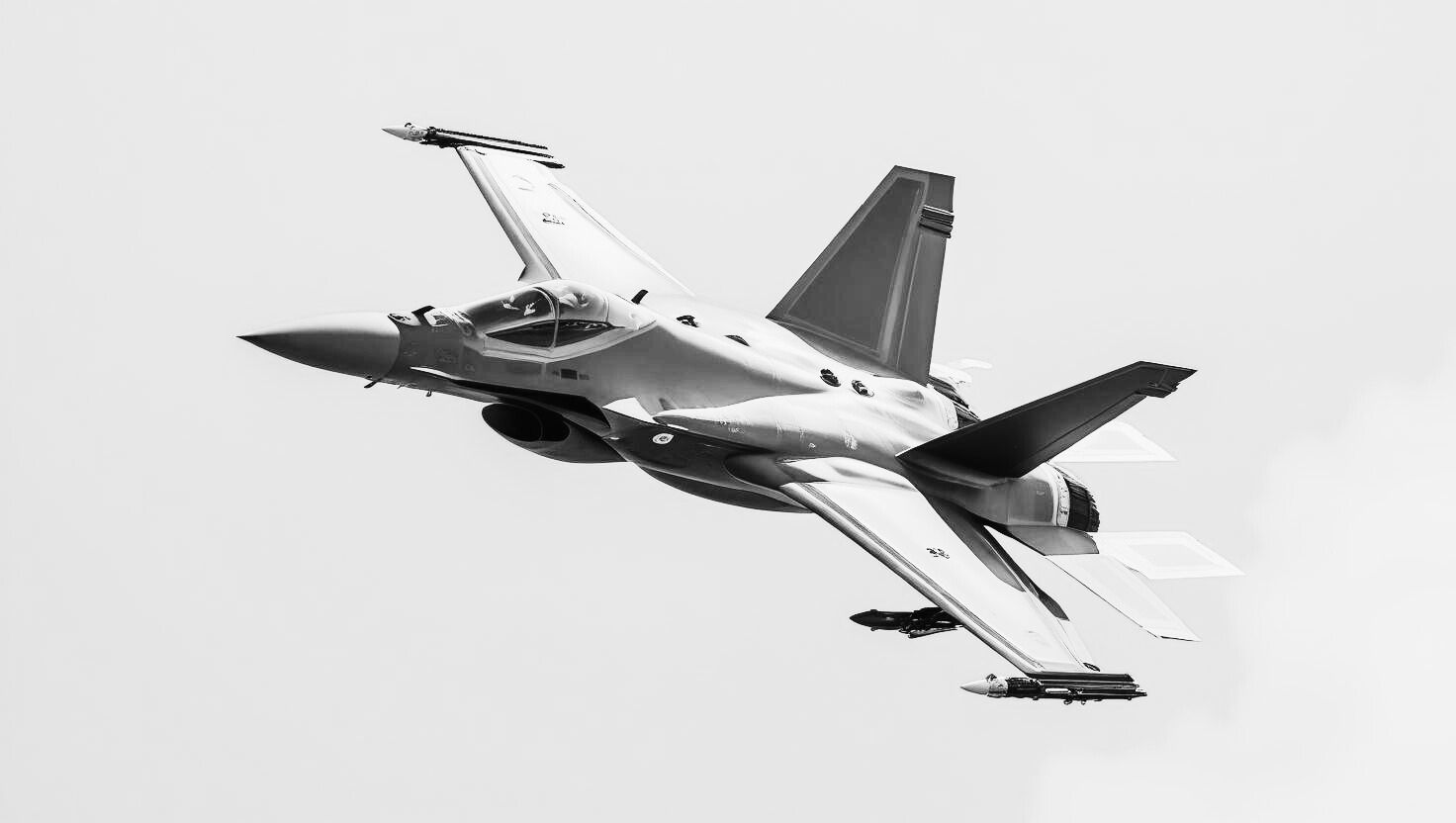
Launcher integration adds another layer of complexity. Astra Mk-I currently operates from launch systems developed and certified for platforms such as the Su-30MKI and Tejas. Integrating the missile with another fighter may require modifications to launch rails, structural assessments, aerodynamic analysis, and extensive safe-separation testing.
The missile’s secure datalink also needs to work with the host aircraft’s communication architecture. Export customers could require customized interfaces or additional equipment to establish reliable communication between Astra and their existing avionics.
Geopolitical considerations can be equally important. Operators of US or European fighter aircraft are often subject to export controls and end-user agreements that regulate modifications to their platforms. Even if a customer wants to acquire Astra Mk-I, approval from the original aircraft manufacturer and, in some cases, the exporting government may be required.
For aircraft such as the F-16, Gripen, or Rafale, successful Astra integration would therefore depend heavily on cooperation from the relevant manufacturers and governments. Without these approvals, integration could remain difficult regardless of the missile’s technical performance.
Russian-origin fighter fleets could provide a potentially more accessible opportunity. India has already integrated Astra Mk-I with its Su-30MKI fleet and developed considerable experience in missile software, avionics interfaces, and launcher integration. This experience could support future integration efforts involving export variants of Russian-designed fighters.
Operators such as Malaysia, Algeria, Vietnam, and some African countries with Russian-built aircraft could potentially represent opportunities for Astra Mk-I, subject to platform-specific requirements and government approvals. These countries may also be interested in diversifying their weapons inventories because of changing geopolitical conditions and supply-chain concerns.
Looking ahead, future Astra variants could incorporate more open integration architectures to simplify compatibility with multiple fighter platforms. Early cooperation with international aircraft manufacturers could also reduce certification requirements, integration costs, and deployment timelines, strengthening Astra’s prospects in the global defense market.