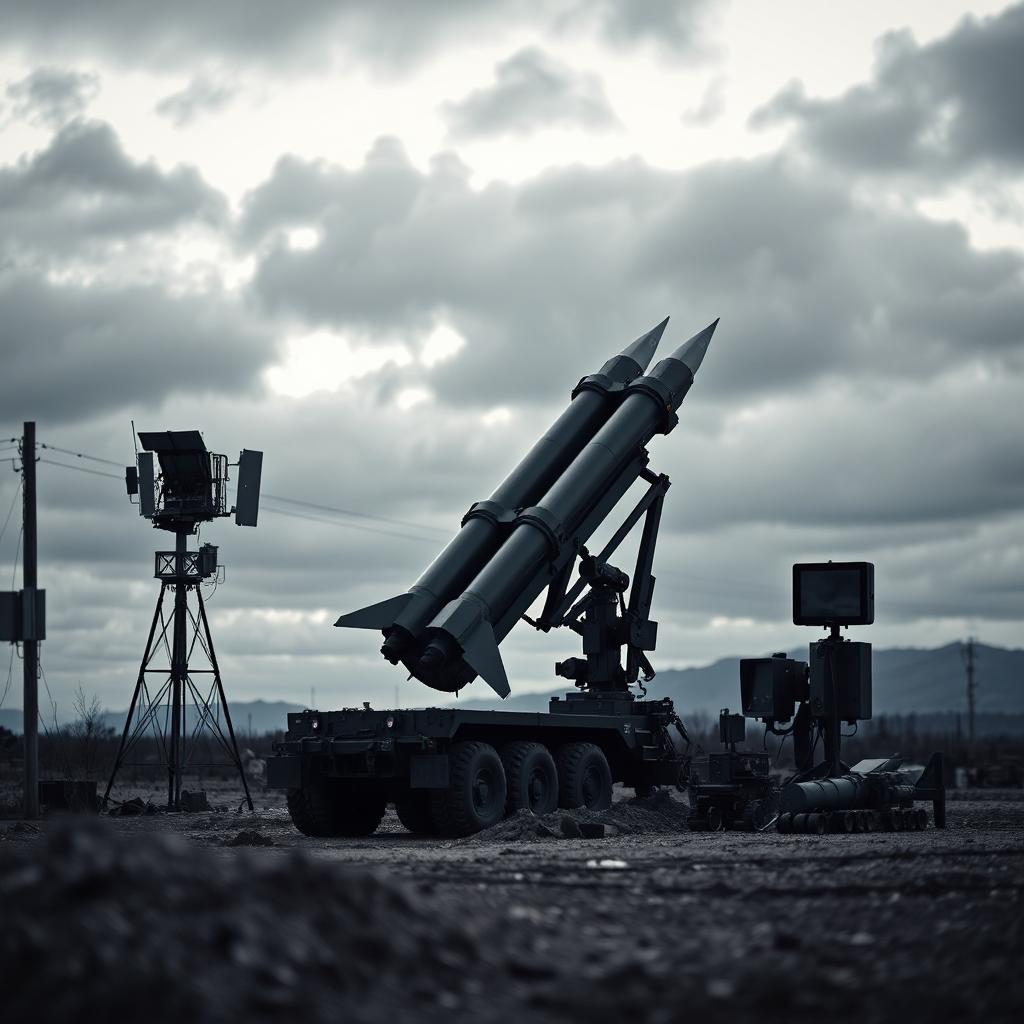
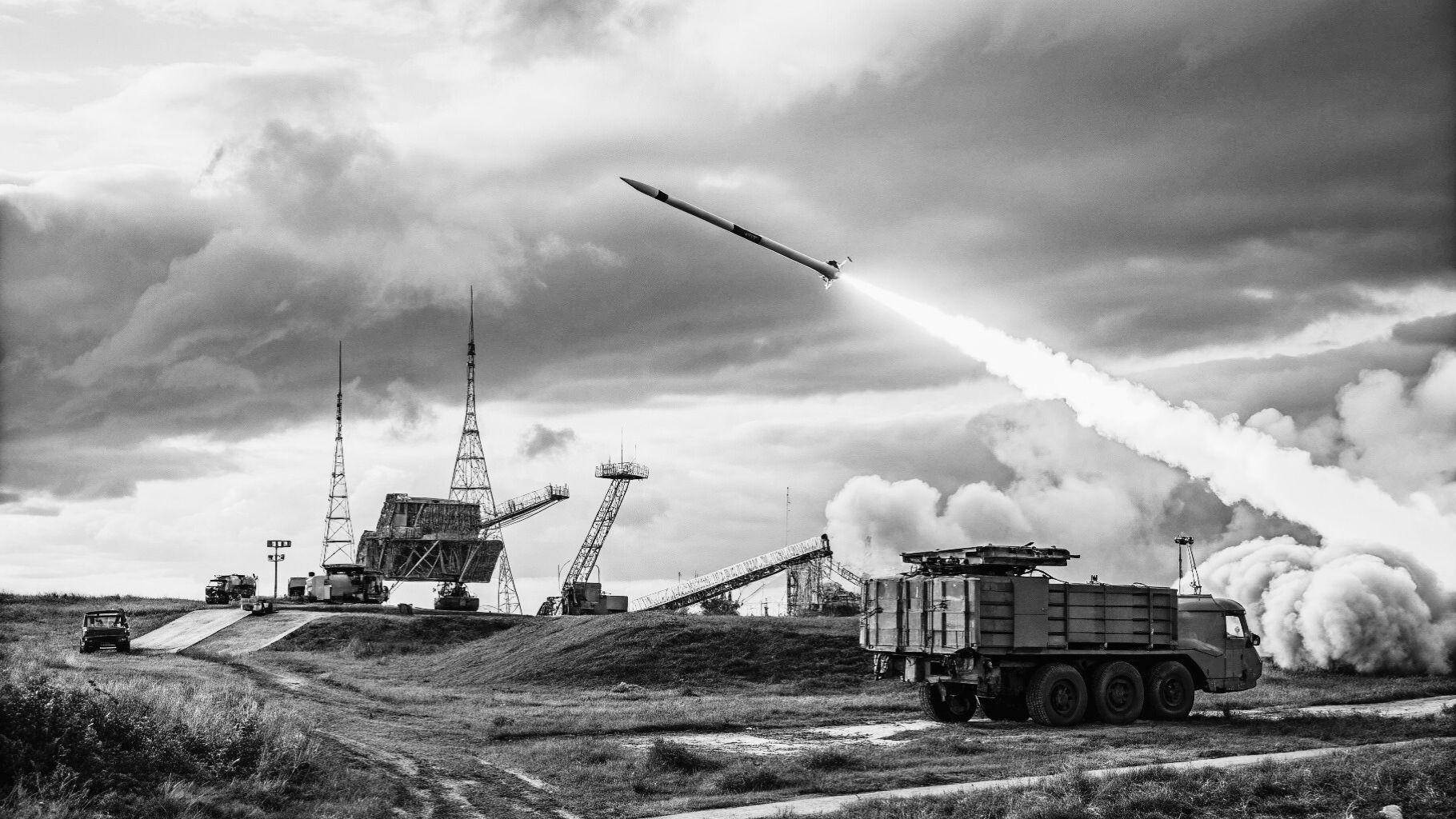
D-Propulse founder and CEO Saurav Jha has outlined a long-term vision for the company’s Rotating Detonation Engine (RDE) technology: an air-launched cruise missile capable of exceeding Mach 3 while remaining compact enough for lighter fighter aircraft such as the Tejas Mk1A. The proposed weapon could carry a 200 kg warhead and achieve a range comparable to the air-launched BrahMos-A, which is currently integrated primarily with India’s heavier Su-30MKI fleet.
Addressing the Fighter Compatibility Challenge
The significance of this concept becomes clearer when considering the limitations of the BrahMos-A. Introduced into Indian Air Force service in 2019, the air-launched missile provides Mach 3-class performance and carries a conventional semi-armour-piercing warhead weighing approximately 200–300 kg. However, with a baseline weight of around 2.5–2.9 tonnes, its size and mass prevent integration with most Indian fighter aircraft.
The Su-30MKI is currently the primary IAF platform capable of carrying BrahMos-A because of its structural strength and substantial payload capacity. India’s DRDO is addressing the platform compatibility challenge through BrahMos-NG, a lighter missile expected to weigh around 1.3 tonnes and intended for platforms such as the Tejas, Rafale, and MiG-29.
Jha’s RDE-based concept seeks to achieve a similar objective through a different approach. Rather than relying primarily on extensive airframe miniaturization, the proposal uses more efficient propulsion technology to deliver comparable performance from a smaller package.
Role of Rotating Detonation Engine Technology
The central technology behind the concept is Pressure-Gain Combustion. Unlike conventional combustion systems, an RDE uses a continuous detonation wave to increase pressure during the combustion process. This can potentially provide greater propulsion efficiency, allowing more useful thrust and range from a given quantity of fuel.
D-Propulse believes this efficiency could enable a missile powered by a compact 5 kN RDE to achieve a range comparable to BrahMos-A while using a smaller airframe. Such a configuration could potentially make the weapon suitable for lighter single-engine fighters such as the Tejas Mk1A.
The concept is supported by D-Propulse’s ongoing RDE development. The company has reported that its 5 kN air-breathing RDE combustor, combined with an aerospike nozzle designed to maintain efficiency across different altitudes, has undergone hot-fire testing and reached Technology Readiness Level 5 at a DRDO facility in Hyderabad.
Part of a Broader Strike Strategy
The proposed missile also aligns with Jha’s broader “mixed-tier” strike philosophy. According to this approach, high-end weapons such as BrahMos, which can cost several million dollars per unit, may be too expensive for large-scale saturation attacks against layered air-defence networks.
A lower-cost RDE-powered missile capable of sustained speeds in the Mach 3–5 range could potentially be produced in larger quantities. More expensive BrahMos-class weapons could then be reserved for high-value targets, while larger numbers of lower-cost missiles could be used to challenge enemy radar and interceptor capacity.
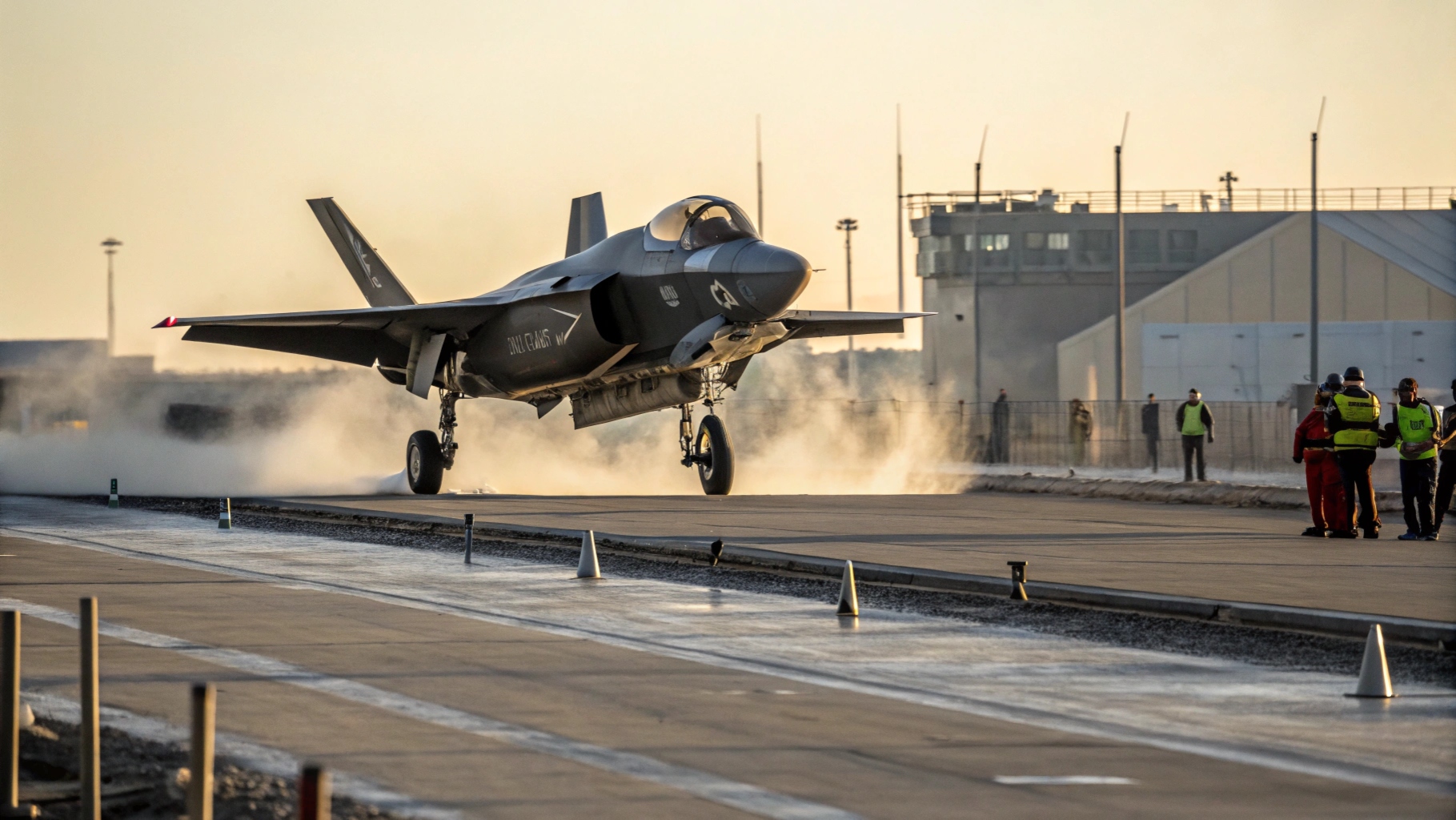
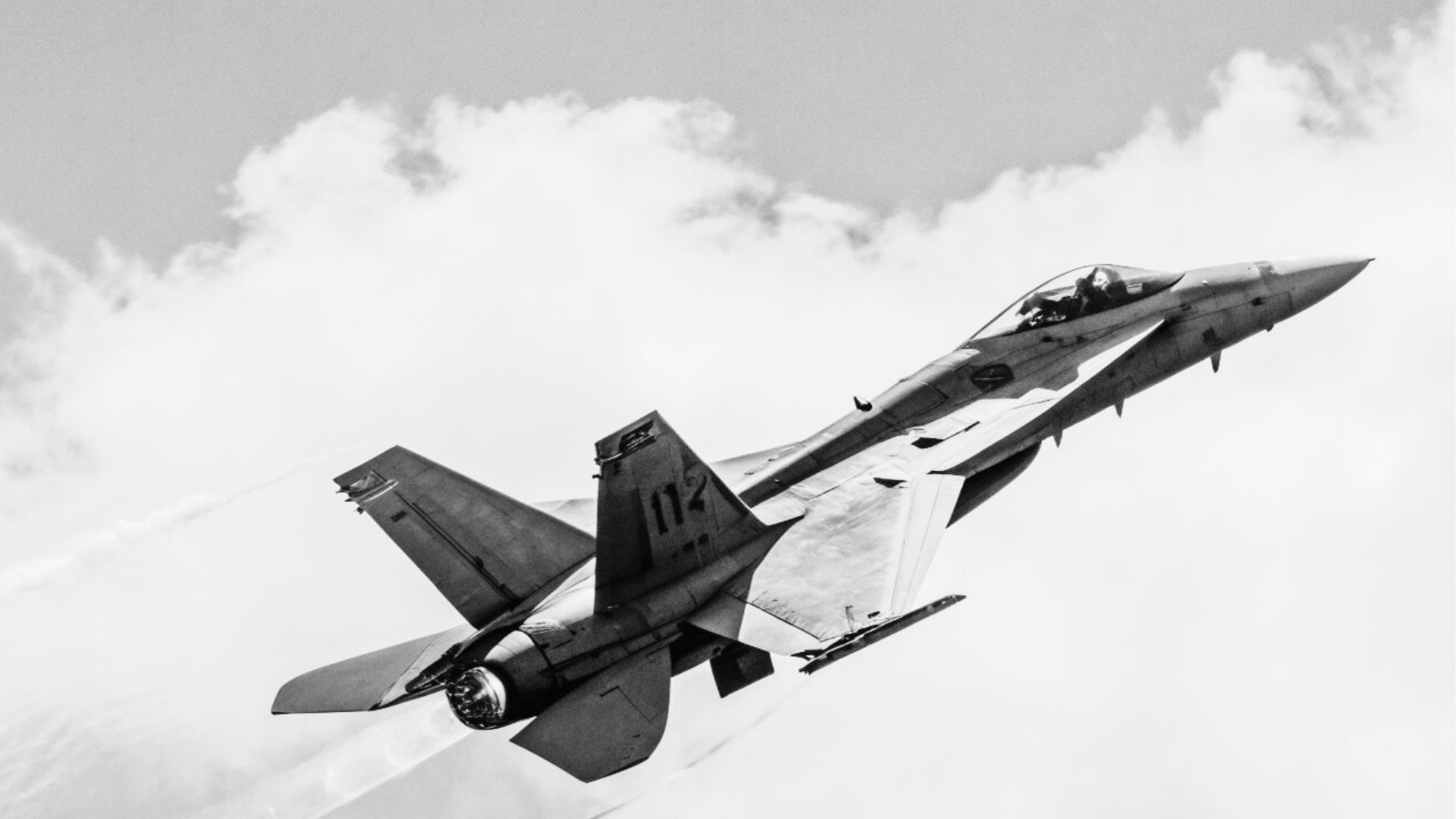
Integrating such a weapon with the Tejas Mk1A would provide an additional advantage. India’s expanding Tejas fleet currently does not possess an air-launched supersonic standoff weapon with capabilities comparable to the Su-30MKI’s BrahMos-A. A compact RDE-powered missile could potentially provide the aircraft with a long-range strike capability without requiring the weight and size associated with larger missiles.
Development Roadmap
The proposed Tejas-compatible missile should be viewed as a longer-term objective rather than an immediately deployable weapon. D-Propulse has stated that it is targeting Technology Readiness Level 7 through a powered sustainer flight by December 2027, while guided RDE-powered munitions are expected to enter Indian military user trials only by December 2029.
The company has also planned an unguided, cruise-missile-shaped test vehicle for 2027 to evaluate RDE performance during free flight. A guided missile capable of carrying a 200 kg warhead and matching BrahMos-A-class range would therefore require further development beyond these initial milestones.
Broader Significance
The proposal highlights the growing role of India’s private defence sector in developing advanced propulsion technologies. D-Propulse is not the only Indian startup exploring RDE applications, with other companies also examining the technology for areas such as loitering munitions and swarm drones.
If development progresses as planned, RDE technology could eventually move beyond improving existing missile capabilities and enable new classes of compact, high-speed standoff weapons. Higher sustained speeds, including potential Mach 5-plus applications, could represent a longer-term opportunity for this emerging propulsion technology.
Conclusion
A compact RDE-powered cruise missile compatible with the Tejas Mk1A and capable of approaching the range of BrahMos-A could address an important capability gap in India’s fighter fleet. However, the concept remains several development stages away from becoming an operational weapon. Its progress will depend on successful RDE testing, flight validation, guidance integration, and subsequent military trials.