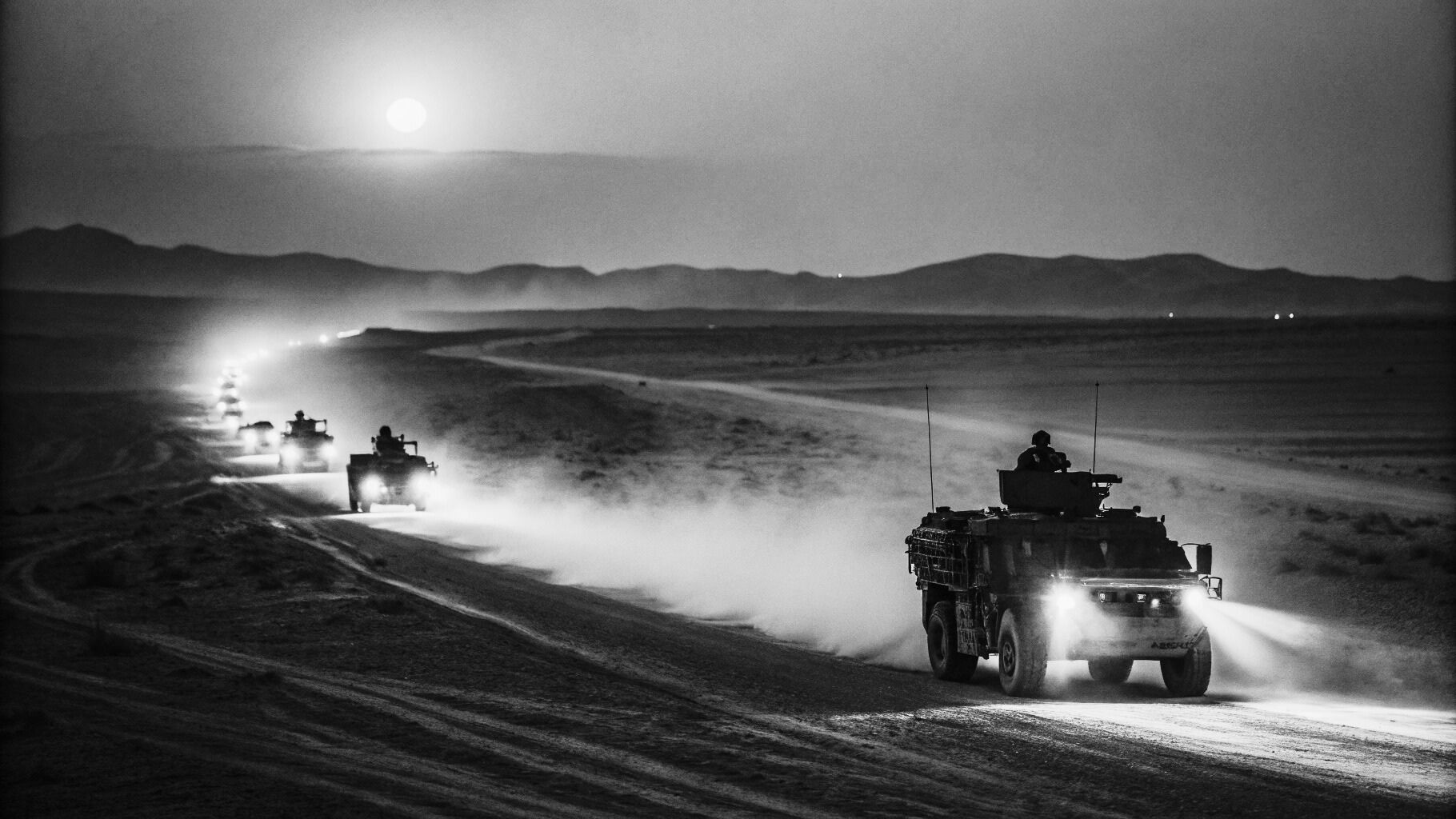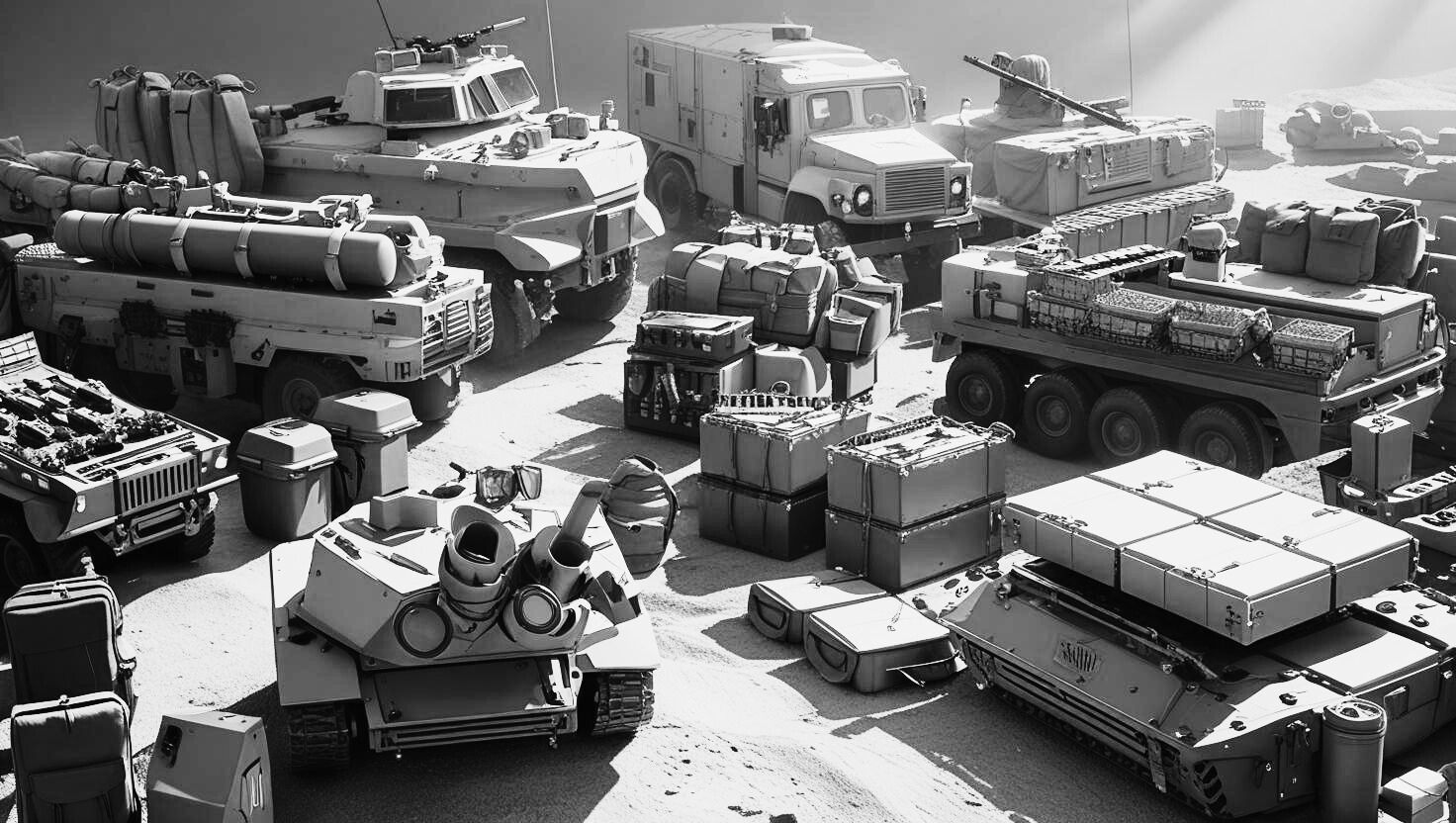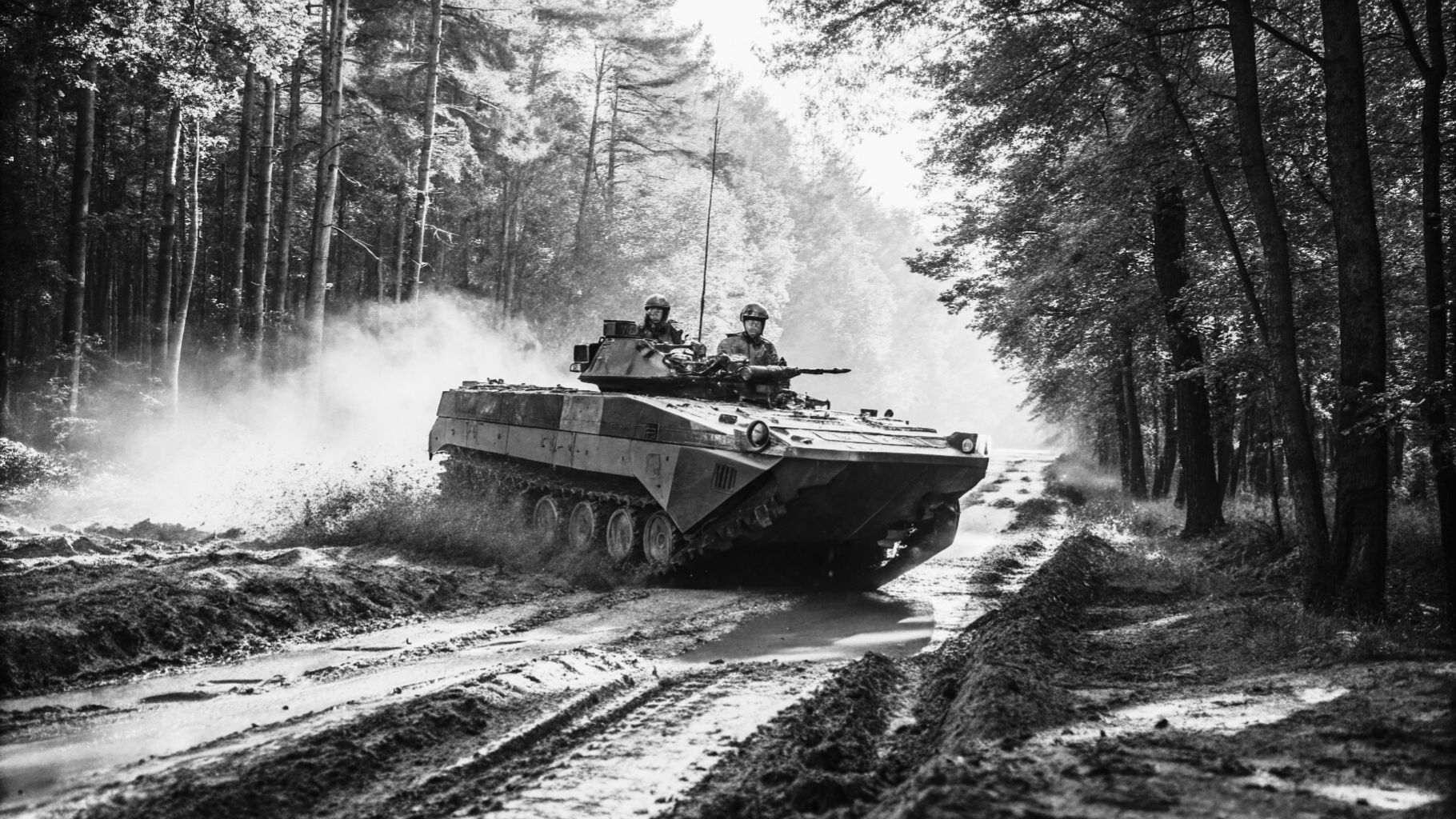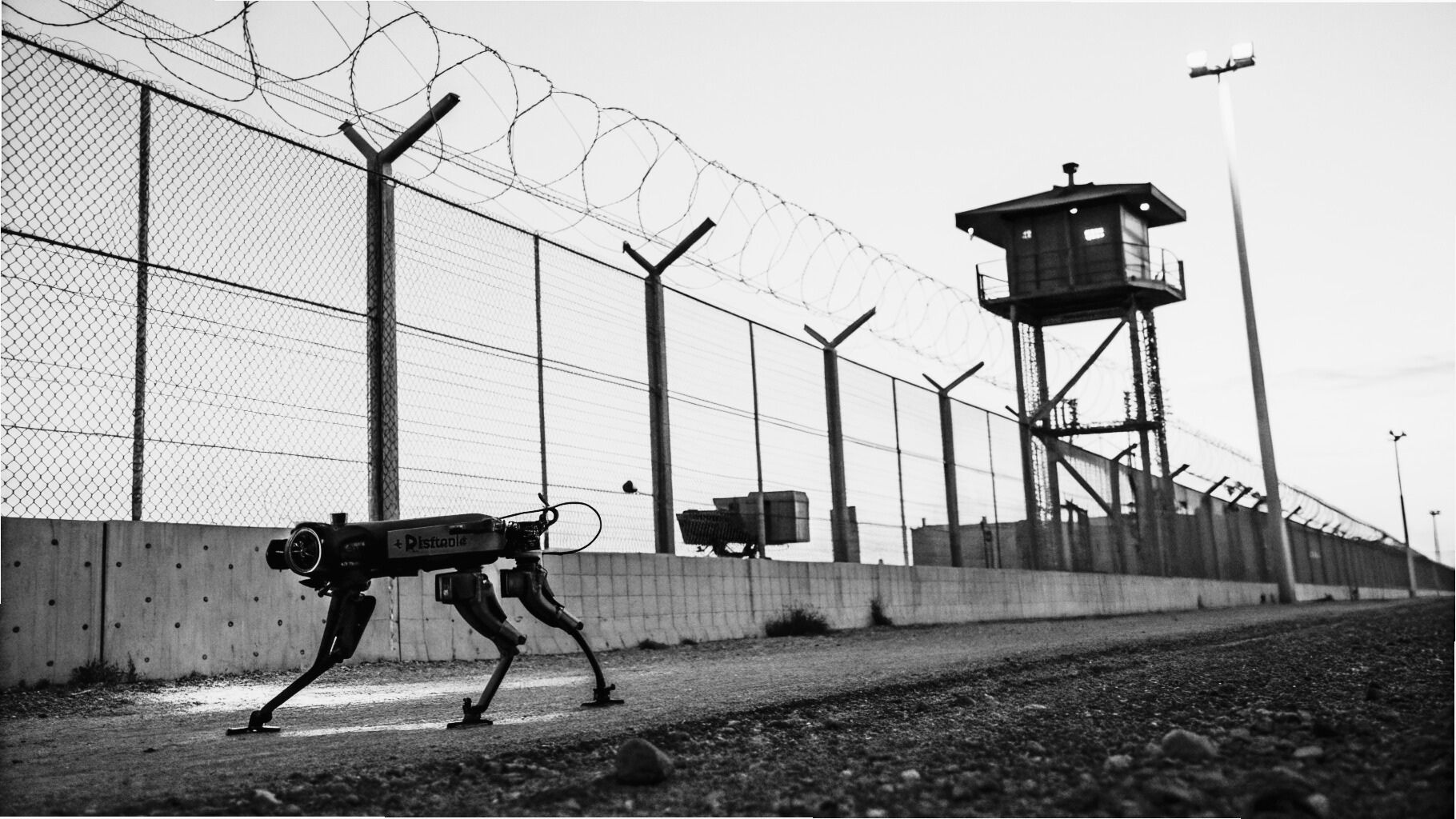
The US Army has awarded contracts to five companies to develop prototype medium-sized autonomous robotic platforms designed to support tactical logistics missions. AM General, American Rheinmetall, Carnegie Robotics, HDT Robotics, and Stratom will create unmanned systems capable of automating battlefield resupply operations under the Army’s new Project Sustainment initiative.
Managed by the Capability Program Executive Office Mission Autonomy, Project Sustainment seeks to reduce soldiers’ exposure to dangerous supply routes while enabling continuous 24/7 logistics support in contested operational environments. The Army expects to begin operational field evaluations of the new robotic platforms with military units in early 2027.
The program builds on previous efforts under the Small Multipurpose Equipment Transport (S-MET) and Medium Multipurpose Equipment Transport (M-MET) initiatives. The S-MET robotic mule was developed to carry heavy equipment alongside dismounted troops, easing the physical burden on soldiers while supporting casualty evacuation, reconnaissance sensors, engineering tools, and remote weapon systems. The larger M-MET platform was intended to bridge the capability gap between squad-level robotic mules and future autonomous logistics vehicles before being incorporated into Project Sustainment.
Among the selected participants, BLADE—formerly known as HDT Robotics—has proposed its Dire WOLF platform. Based on the WOLF-X robotic combat vehicle, the six-wheeled diesel-electric hybrid is engineered for demanding terrain, offering high cargo capacity, pivot steering, Michelin Tweels, and the ability to traverse steep slopes, wide gaps, and two-foot vertical obstacles. The vehicle’s onboard battery system can also provide exportable power to support forward-deployed forces.