The Leclerc was designed as one of the most advanced main battle tanks (MBTs) of its era, integrating cutting-edge digital technologies, superior mobility, and powerful firepower into a highly capable combat platform. Despite its technological edge, however, the tank has long faced criticism over its high procurement costs, limited production numbers, and relatively modest combat record.
Today, the Leclerc is recognized as a highly capable but less widely deployed MBT, often overshadowed by globally popular platforms such as the Abrams and Leopard 2. This guide explores its development, distinctive features, operational history, modernization efforts, and future prospects.
What Is the Leclerc Tank?
The Leclerc is a French third-generation main battle tank developed during the closing years of the Cold War to deliver an optimal balance of firepower, protection, and mobility through extensive digital integration. While many Western armies continued using conventional tank designs with four-person crews, France adopted an innovative approach emphasizing automation, battlefield connectivity, and rapid maneuverability.
The result was one of the most technologically sophisticated tanks of its generation, although this advanced design also increased production costs and limited overall fleet size.
The Leclerc’s core strengths include:
Outstanding battlefield mobility
Rapid target acquisition and engagement
Advanced fire-control and digital networking systems
Reduced crew workload through an automatic loading system
Although highly respected for its capabilities, the Leclerc remains a relatively niche platform due to limited exports, a comparatively small operational fleet, and significant lifecycle costs.
Development History
France launched the Leclerc program during the late Cold War to replace the aging AMX-30 while preserving an independent domestic armored vehicle industry. Development was led by GIAT Industries, later renamed Nexter Systems and now operating under KNDS France.
Major milestones include:
Late 1970s–Early 1980s: Initial studies begin under the Engin Principal de Combat program.
1986: Full-scale development officially starts under GIAT Industries.
1990: Prototype testing and initial production vehicles are completed.
1992: The Leclerc officially enters French Army service.
1990s–2000s: Export variants are delivered to the United Arab Emirates, the tank’s largest international operator.
Leclerc Variants
Although the Leclerc family is relatively compact, several variants have been introduced to address changing battlefield requirements.
Leclerc Series 1 and Series 2
These initial production models gradually improved protection, electronics, and onboard systems. They formed the backbone of France’s armored forces while serving as the foundation for later modernization programs.
Leclerc AZUR
The AZUR upgrade package was introduced to improve survivability during urban operations by adding protection against threats such as rocket-propelled grenades. It reflected the transition from Cold War conventional warfare to modern urban combat environments.
Leclerc XLR
The XLR represents the most comprehensive modernization under France’s Scorpion program. It introduces upgraded armor, digital architecture, and enhanced survivability to extend the platform’s service life until the future Main Ground Combat System (MGCS) becomes available.
However, the program has experienced schedule delays, and certain anti-drone protection solutions inspired by lessons from Ukraine have generated debate regarding their effectiveness and design.
Leclerc EAU
Developed specifically for the United Arab Emirates, this export version incorporates modifications for desert operations and remains the Leclerc’s only major international success. UAE-operated tanks have accumulated valuable combat experience during deployments associated with the Yemen conflict.
Key Features
Firepower
The Leclerc is armed with a 120 mm smoothbore cannon capable of firing advanced kinetic-energy and programmable ammunition. Its automatic loading system reduces the crew to three personnel while improving firing efficiency and allowing a more compact turret design.
Its advanced fire-control suite combines thermal sights, laser rangefinders, and digital targeting systems, enabling highly accurate engagements while moving.
Mobility
Powered by a hyperbar diesel engine, the Leclerc is among the fastest MBTs in service, achieving speeds of up to 72 km/h (45 mph). Its advanced suspension system provides excellent stability across difficult terrain, supporting rapid maneuver warfare.
Protection
The platform utilizes modular composite armor supported by reactive armor packages. Ammunition is stored in separated compartments, while the autoloader reduces crew exposure, improving overall survivability.
Strengths
High first-round hit probability through advanced targeting technologies.
Modular upgrade architecture allowing continuous modernization.
Excellent battlefield networking and digital integration.
Superior mobility compared with many contemporary tanks.
Reduced crew size without sacrificing combat effectiveness.
Limitations
High procurement and maintenance costs due to sophisticated electronics and specialized components.
Modernization delays linked to integration with France’s SCORPION battlefield network.
Limited large-scale combat experience compared with tanks such as the M1 Abrams and Leopard 2, leaving questions regarding performance in drone-intensive conflicts.
Operational Service
Despite its advanced design, the Leclerc has seen relatively limited operational deployment. France maintains a modest fleet, while the United Arab Emirates remains its sole export customer.
French operations have primarily involved expeditionary missions where the tank served in deterrence, force protection, and maneuver support roles. UAE deployments in Yemen have provided the platform’s most significant combat experience, although analysts continue to debate its battlefield performance.
Major Deployments
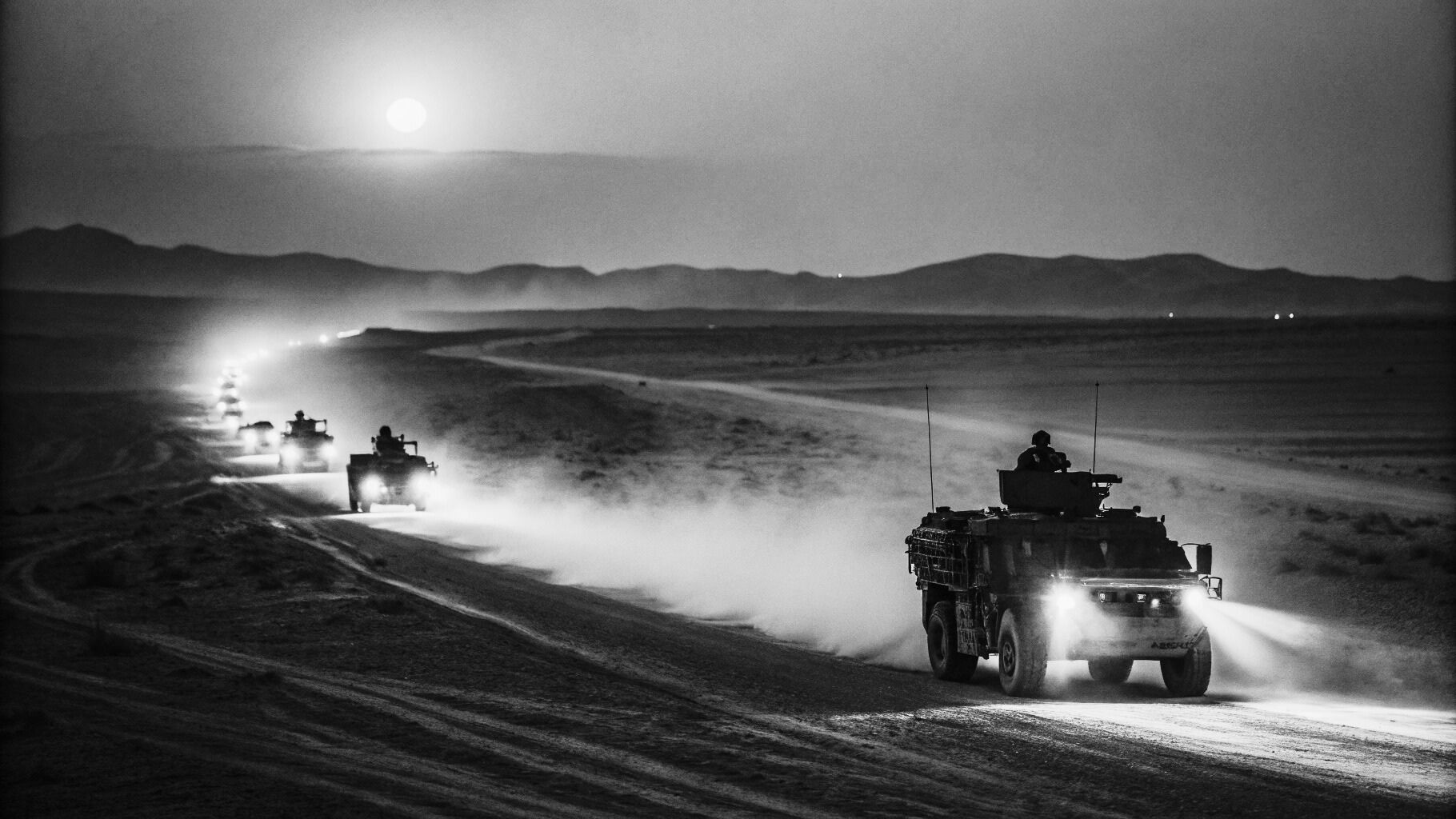
Operation Serval (Mali): Supported France’s rapid intervention in 2013, demonstrating mobility and reliability despite facing limited armored opposition.
Operation Barkhane (Sahel): Assisted counterinsurgency operations through convoy protection, deterrence, and security missions across the region.
UAE Operations: Participated in regional exercises and combat deployments in desert environments, offering valuable operational experience.
Future Outlook
With the Franco-German Main Ground Combat System still years from deployment and facing industrial challenges, the Leclerc is expected to remain France’s primary MBT well into the 2030s.
Nevertheless, emerging threats—including drones, loitering munitions, and precision-guided weapons—are forcing militaries to rethink armored warfare. France continues upgrading the Leclerc to address these challenges, though modernization delays and differing opinions on new protection measures illustrate the complexity of adapting legacy platforms.
While the Leclerc remains one of the most technologically advanced tanks ever built, its long-term legacy will likely depend not only on its engineering excellence but also on France’s ability to keep it relevant in an increasingly networked and drone-dominated battlefield.