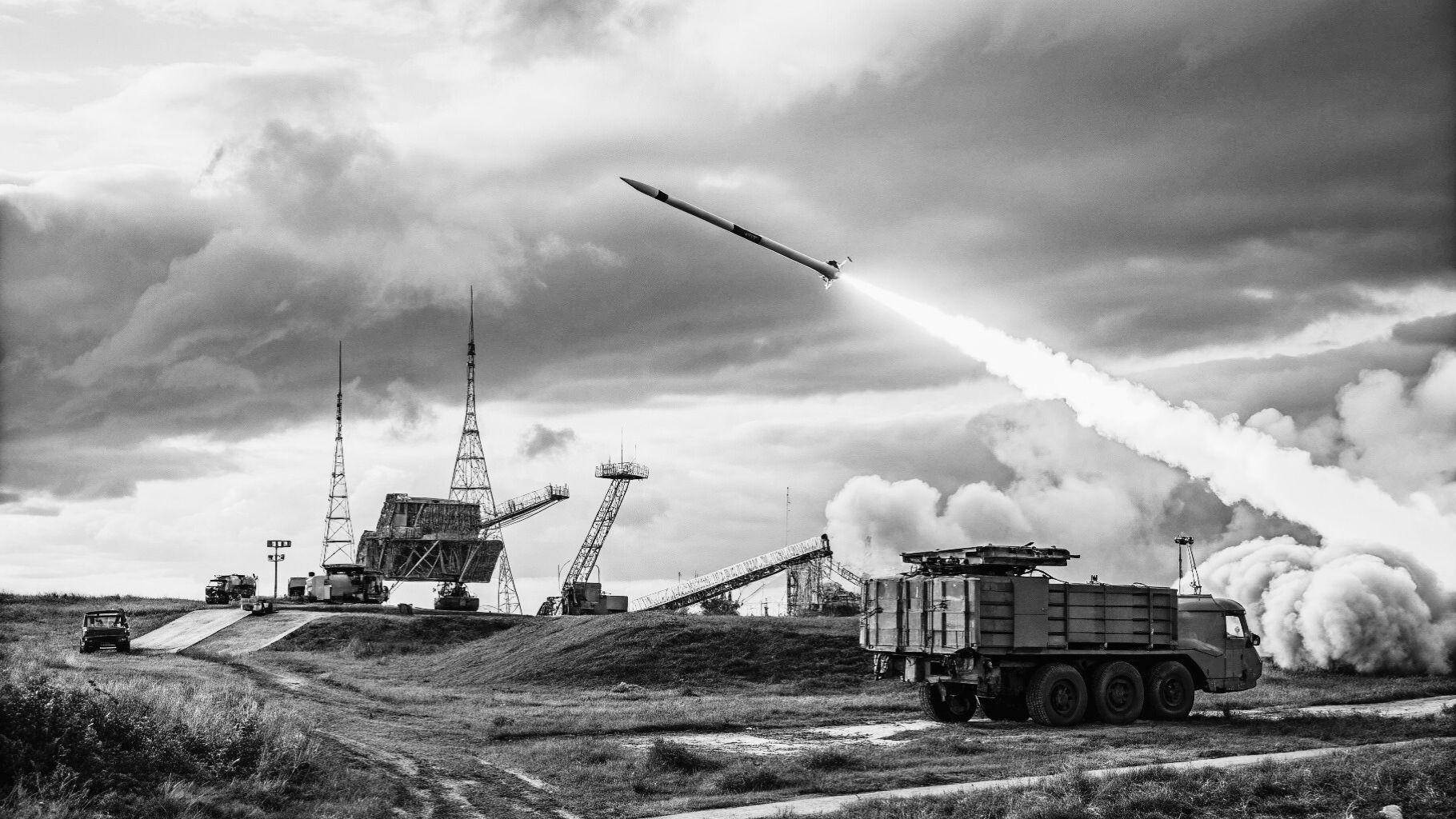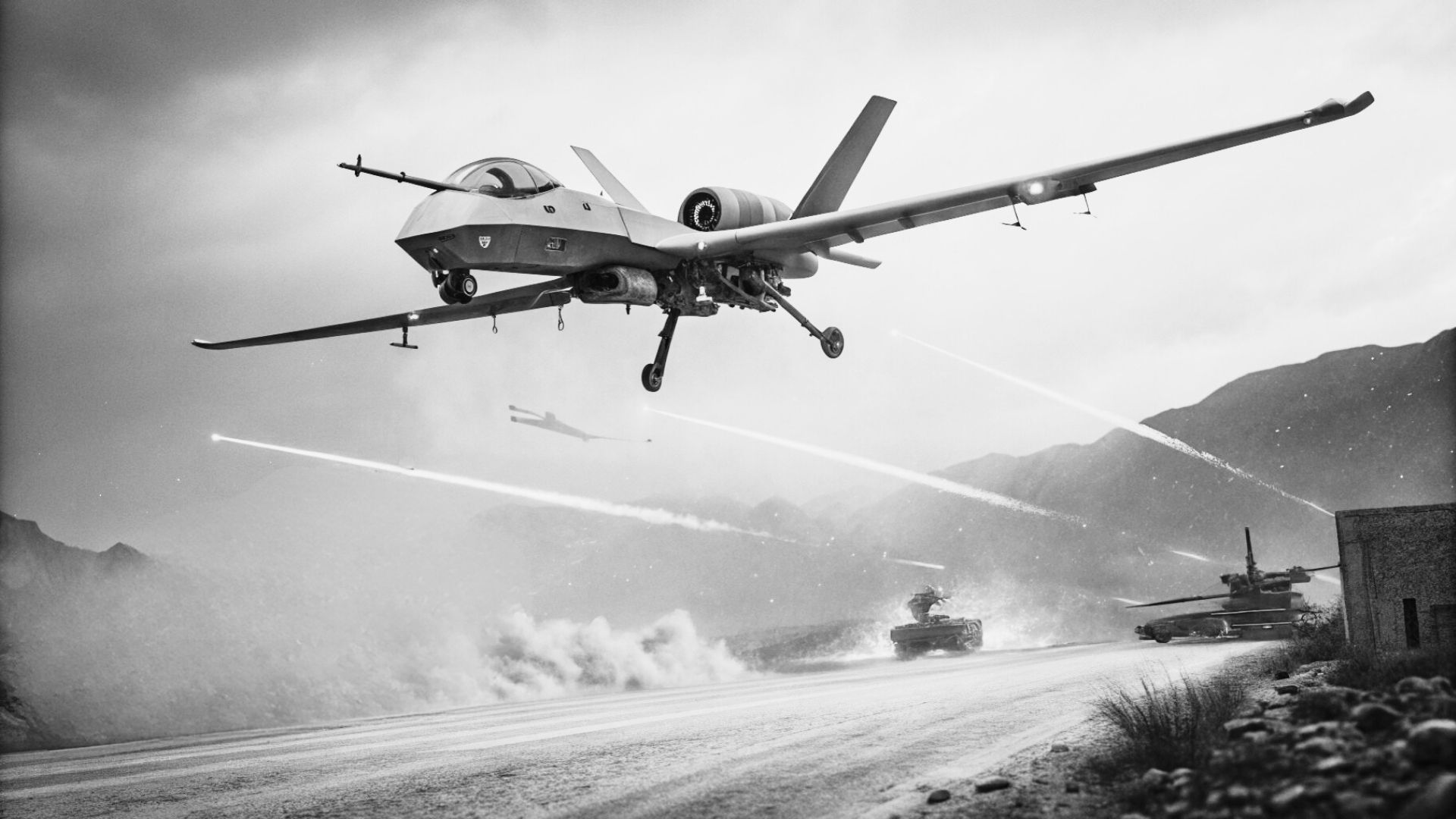
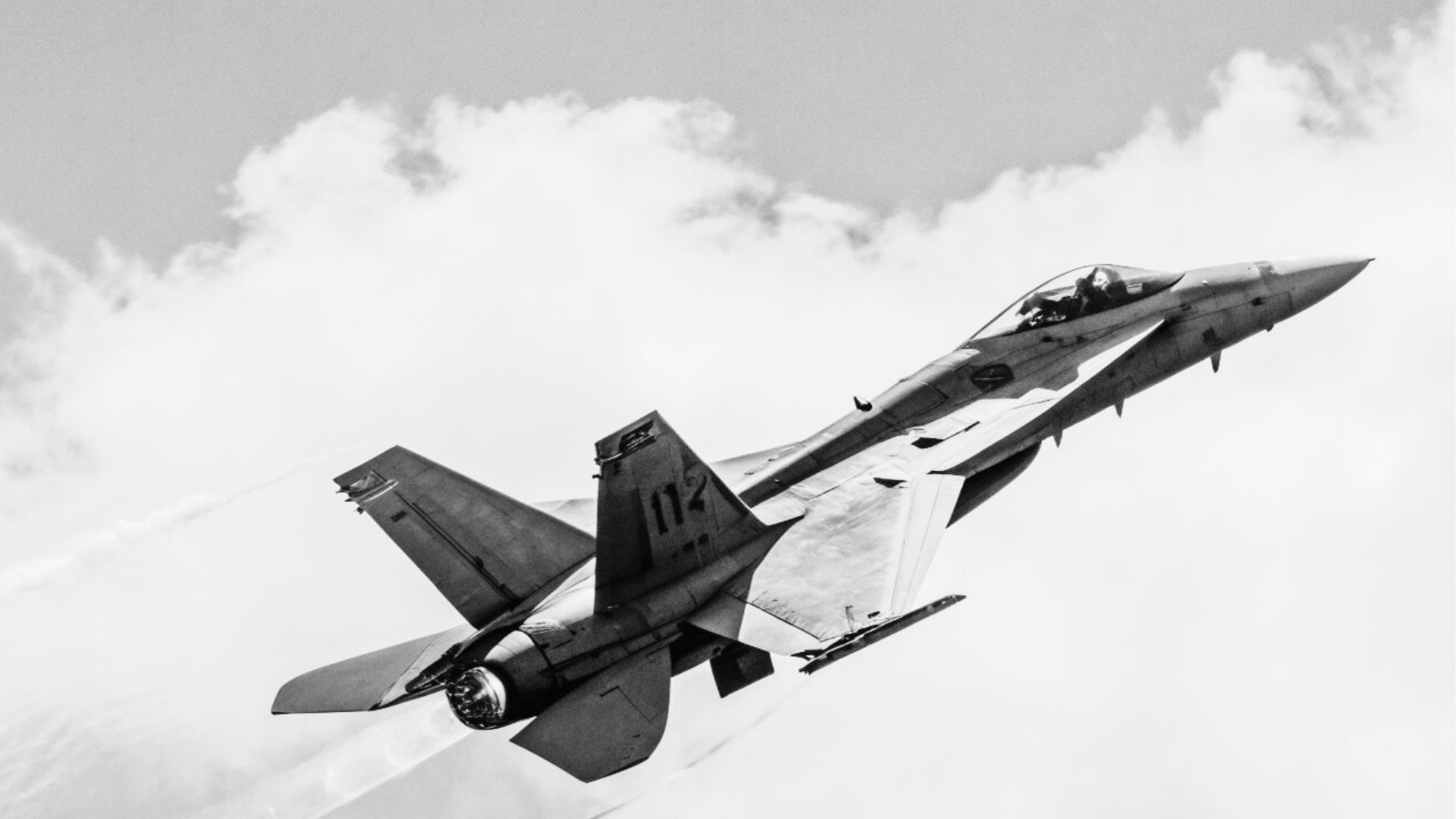
India is set to significantly boost indigenous production of the Israeli-origin Rampage precision strike missile following its reported success during the Indian Air Force’s Operation Sindoor in May 2025. The missile was used extensively by Su-30MKI and Jaguar fighter aircraft, delivering precise strikes on cross-border targets and strengthening confidence in its operational capabilities.
In the aftermath of its combat performance, Indian authorities have initiated plans to rapidly increase missile stockpiles while reducing reliance on overseas suppliers. As part of the “Make in India” programme, the government is transitioning from urgent foreign procurement to licensed domestic manufacturing, aimed at improving strategic autonomy and lowering long-term acquisition costs.
The missile has been inducted into Indian service under the designation High Speed Low Drag-Mark 2 (HSLD-Mk2), reflecting its integration into the country’s indigenous strike weapon ecosystem. It fills a critical role within India’s expanding stand-off strike inventory, offering a balance between affordability, precision, and operational effectiveness.
Based on Israel’s EXTRA artillery rocket, the Rampage has been adapted into a precision-guided air-launched weapon. At around 570 kilograms, it is considerably lighter than many traditional cruise missiles and can be integrated onto multiple aircraft platforms without extensive modifications. This combination of versatility and cost-effectiveness has made it an attractive option for Indian defence planners.
The missile travels at speeds between Mach 1 and Mach 1.6 and employs a high-speed ballistic-like flight profile before executing a steep terminal attack. This approach enhances its ability to destroy fortified targets such as command centres, radar sites, air-defence systems, ammunition storage facilities, and runways. Depending on launch conditions, it can engage targets at ranges of 150 to 250 kilometres, allowing aircraft to remain outside many hostile air-defence engagement zones.
One of the programme’s major strengths is its compatibility with a wide range of Indian combat aircraft. The HSLD-Mk2 has already been integrated with the Su-30MKI and Jaguar fleets, while additional integration efforts are underway for other Indian Air Force and Indian Navy platforms. This provides India with a flexible and scalable stand-off strike capability across multiple theatres of operation.
Because of its compact size, aircraft can carry several missiles on a single mission, enabling large-scale precision strikes against enemy air-defence networks and strategic military targets. Experts believe that large-scale deployment of domestically manufactured HSLD-Mk2 missiles could substantially improve India’s capacity to execute rapid SEAD operations during future military engagements.
The production roadmap will be implemented in three phases. The first phase, scheduled for late 2026 to early 2027, will involve SKD assembly with imported kits and subsystems being assembled and tested in India. The second phase, between 2027 and 2028, will focus on comprehensive indigenisation of key components, including structures, electronics, mission systems, and power units. The final phase, expected after 2028, aims to expand manufacturing capacity for export opportunities, potentially establishing the HSLD-Mk2 as a competitive and cost-effective precision-strike weapon in the international defence market.