Hindustan Aeronautics Limited is set to become the cornerstone of India’s future military helicopter fleet, with plans to manufacture around 1,000 indigenous helicopters in the 3-15 tonne category over the next 20 years. The initiative reflects a major expansion of India’s defence-industrial capabilities and aligns closely with the government’s vision of achieving greater self-reliance in aerospace and military aviation.
The projected fleet growth encompasses a broad range of platforms serving all branches of the armed forces. These include the ALH Dhruv family, the Light Utility Helicopter, the armed Rudra variant, and the Light Combat Helicopter Prachand. In addition, HAL is developing larger rotary-wing platforms such as the IMRH and DBMRH to meet medium-lift requirements and gradually replace ageing Mi-17 helicopters currently in service.
Current procurement plans indicate demand for nearly 926 helicopters, underscoring the scale of future production. To meet these requirements, HAL is significantly expanding its manufacturing infrastructure. The company’s helicopter facility at Tumakuru is expected to play a central role, with annual production capacity projected to grow from 30 helicopters initially to 60 and eventually 90 units per year. The plant will support multiple programmes, including the LUH, LCH Prachand, and future IMRH production lines.
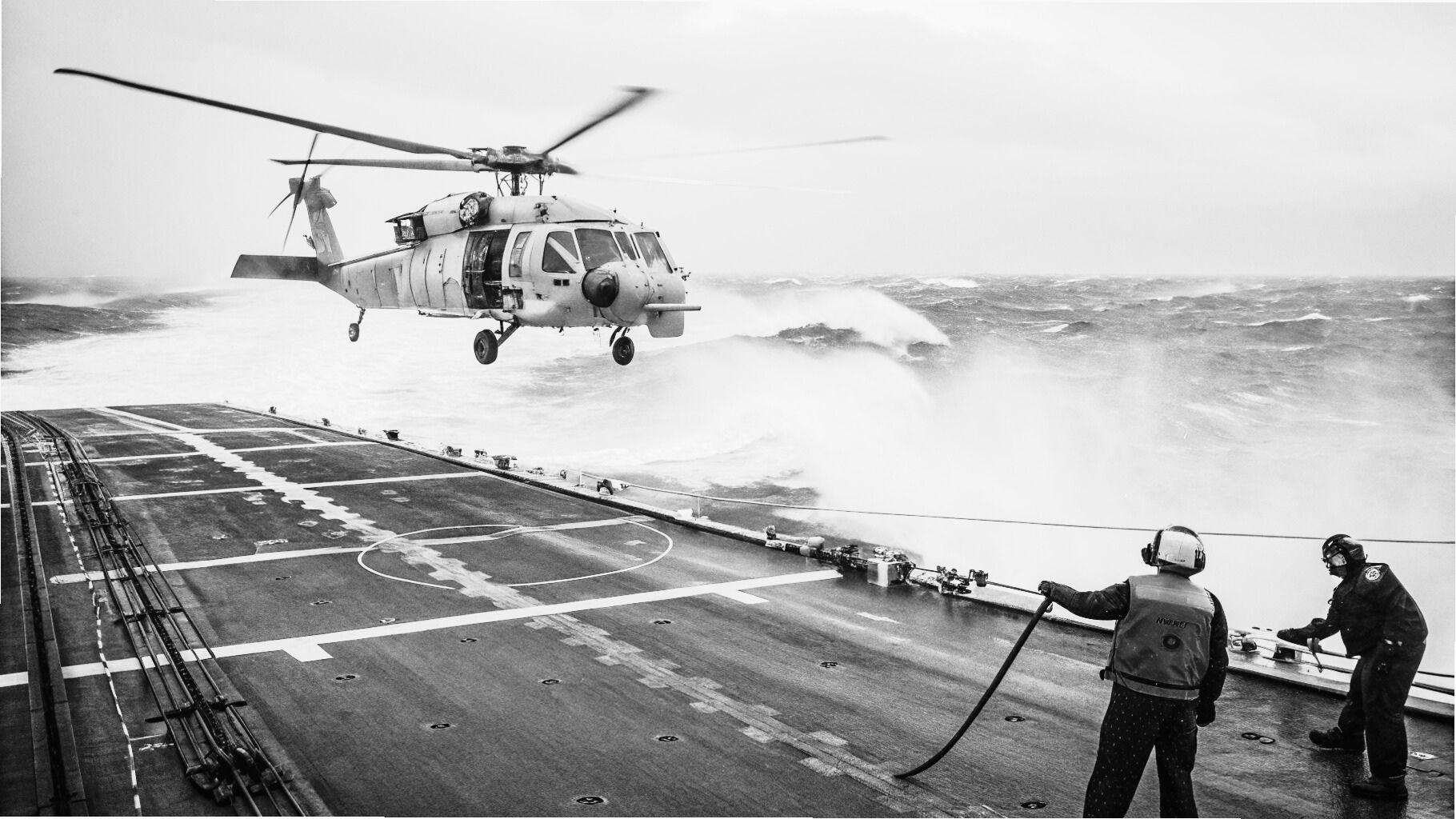
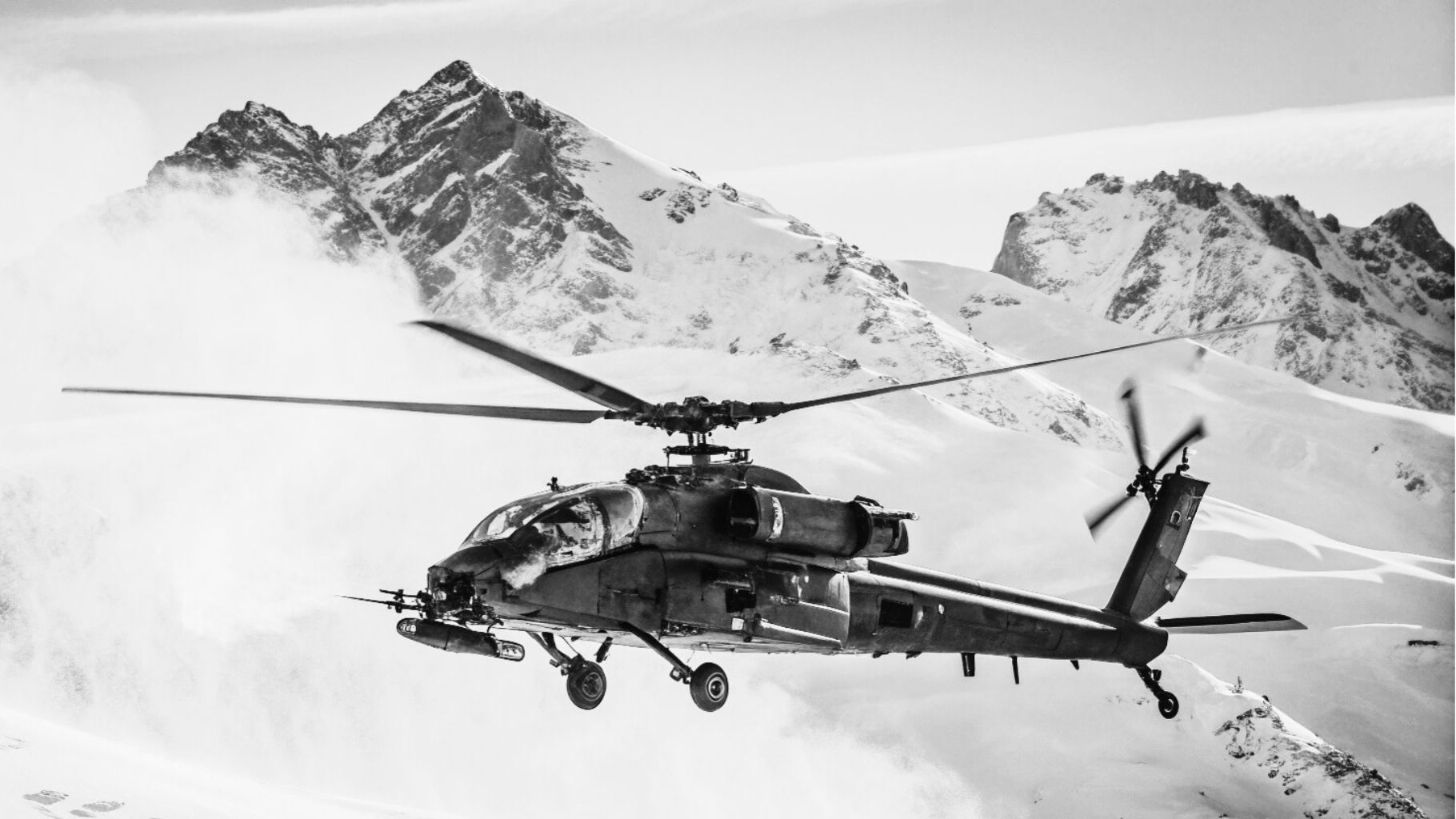
Operationally, the ALH Dhruv has proven its versatility across diverse mission profiles, ranging from mountain operations to maritime surveillance roles. The Prachand attack helicopter has also emerged as a key capability for high-altitude warfare, with follow-on orders for 156 additional aircraft set to strengthen the Army and Air Force’s combat aviation assets.
Looking ahead, HAL is targeting both domestic and international markets while simultaneously developing civil helicopter variants. Indigenous engine development efforts, including cooperation with Safran on the Aravalli turboshaft engine for IMRH and DBMRH, are expected to enhance technological independence and improve long-term sustainability. With India likely requiring hundreds of medium-lift helicopters in the coming decades, these programmes will be crucial in replacing older foreign-origin platforms.
Supported by large-scale investments, expanding production facilities, and long-term military orders, HAL’s helicopter roadmap is expected to transform India’s aerospace sector over the next two decades. The company’s efforts will not only strengthen the operational readiness of the armed forces but also elevate India’s position as an emerging global hub for helicopter design and manufacturing.