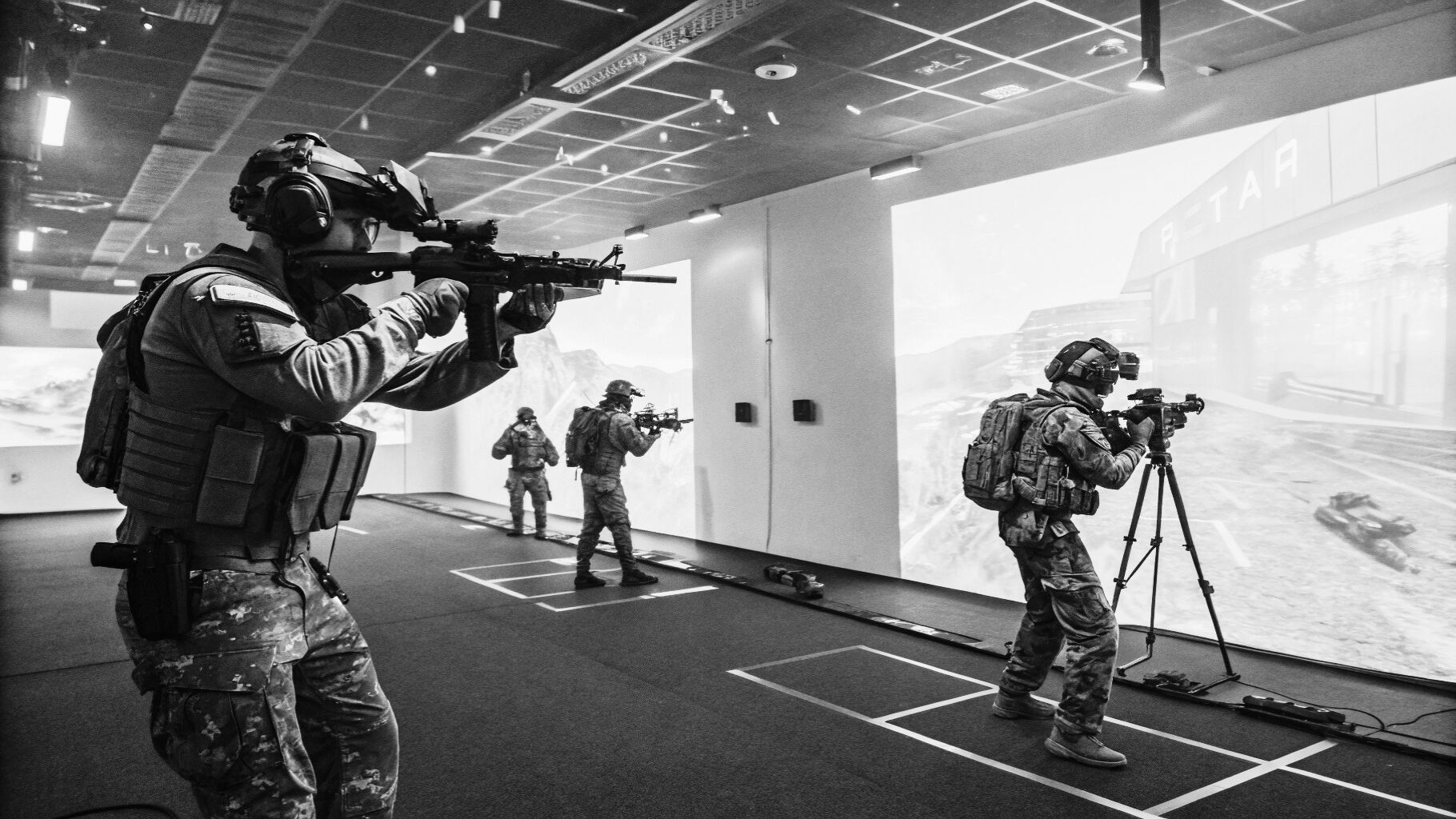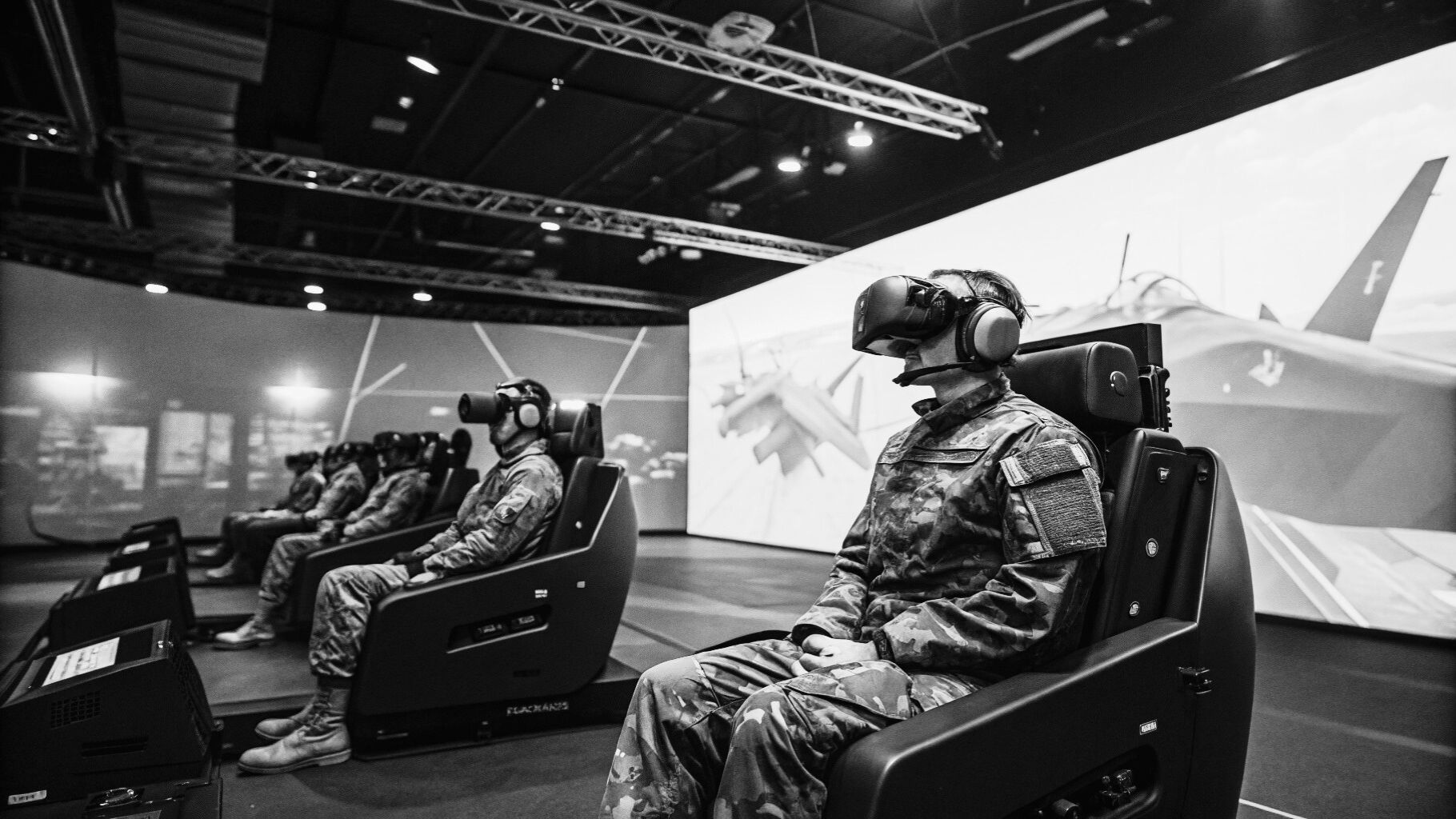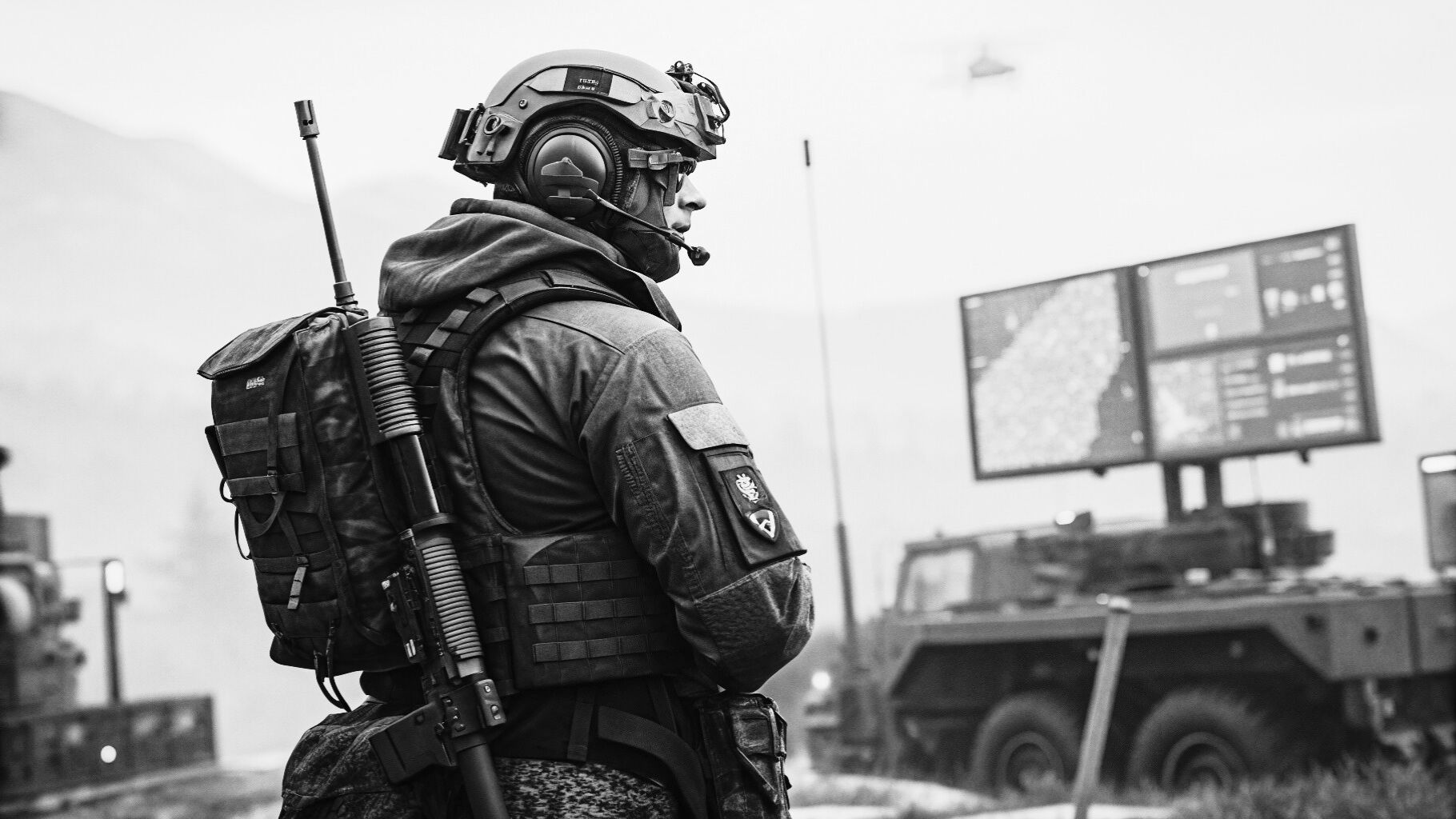
Under its Strategic Guidelines 2047, the Indian Army is pursuing an ambitious transformation programme aimed at creating a modern, technology-driven force capable of meeting future battlefield requirements. The strategy focuses on strengthening combat capabilities through force modernisation, technological innovation, indigenous development, and deeper integration with other military services.
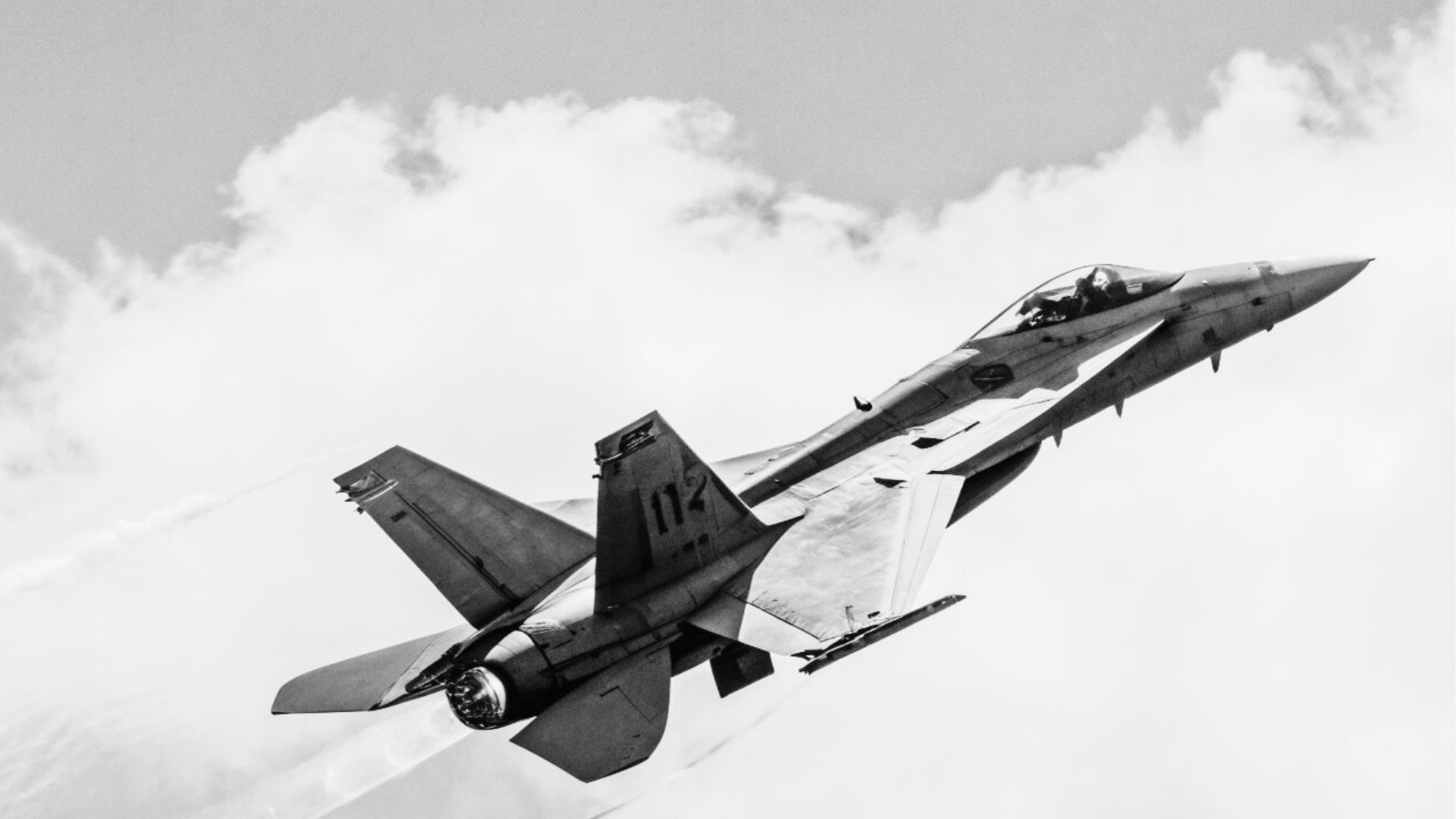
Supporting this vision, the Indian Air Force and the Indian Army have introduced a major enhancement to their joint air defence network, significantly improving operational coordination and reducing response times against potential aerial threats. The upgrade represents a major advancement in India’s evolving network-centric warfare architecture.
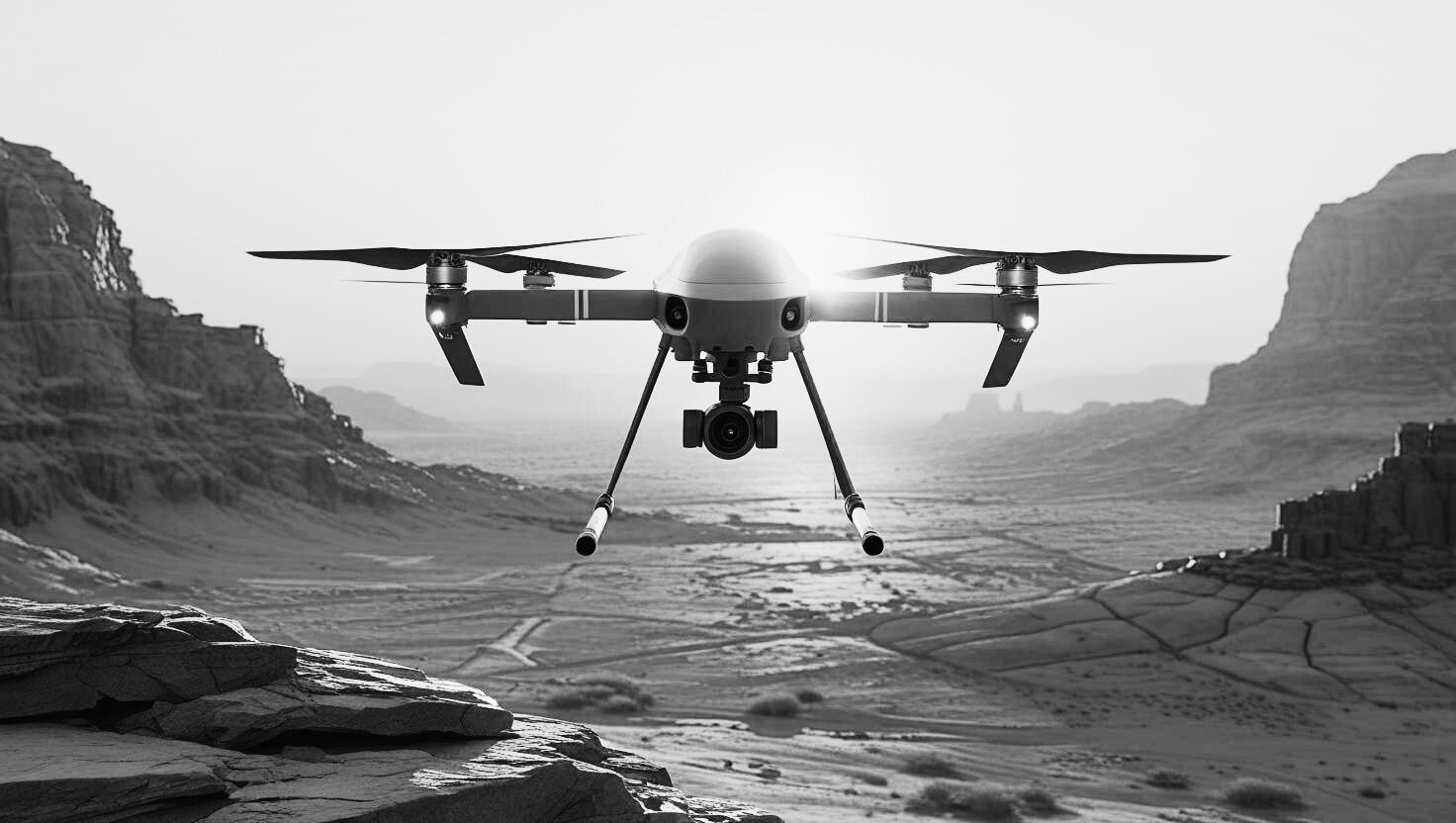
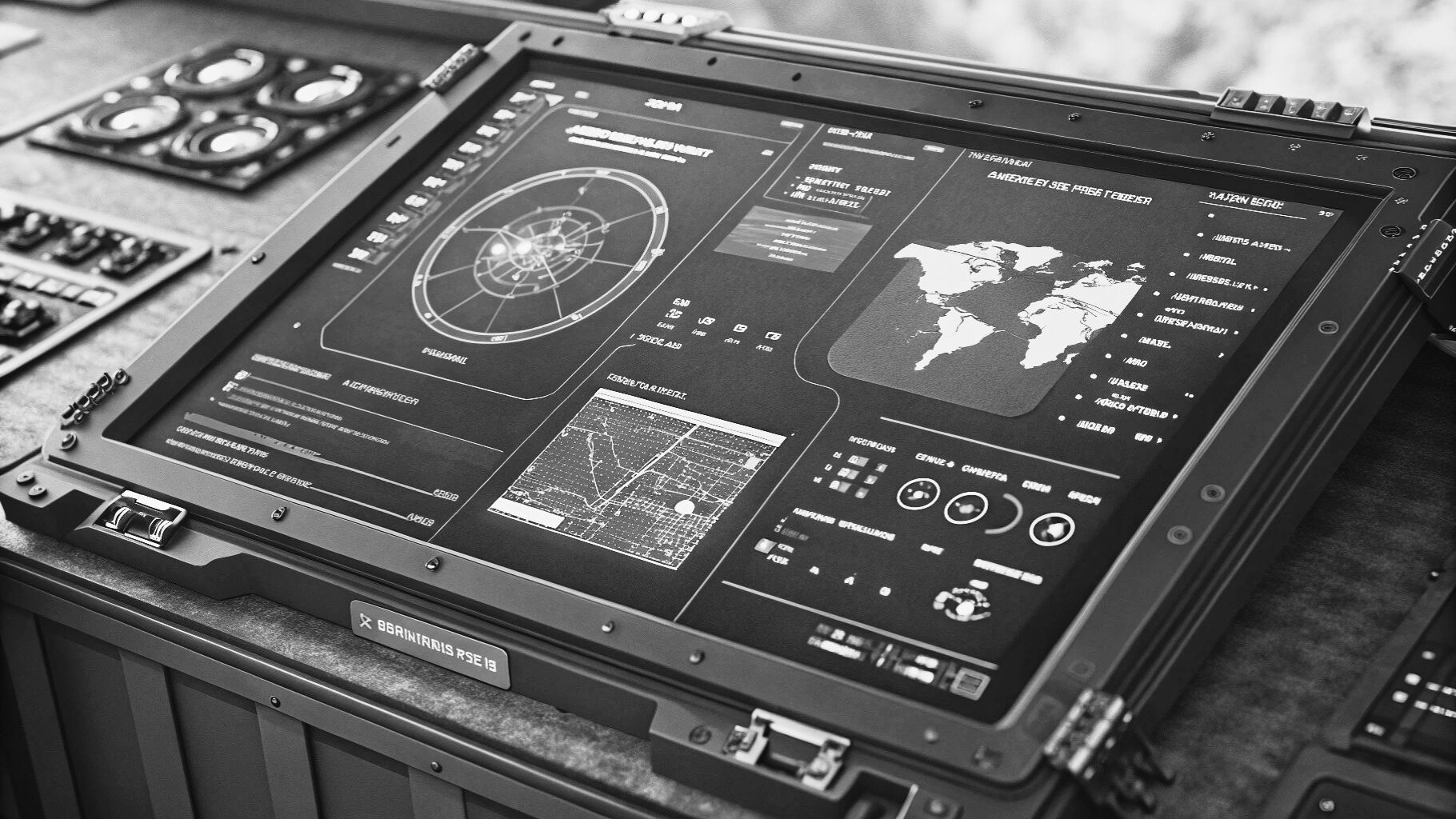
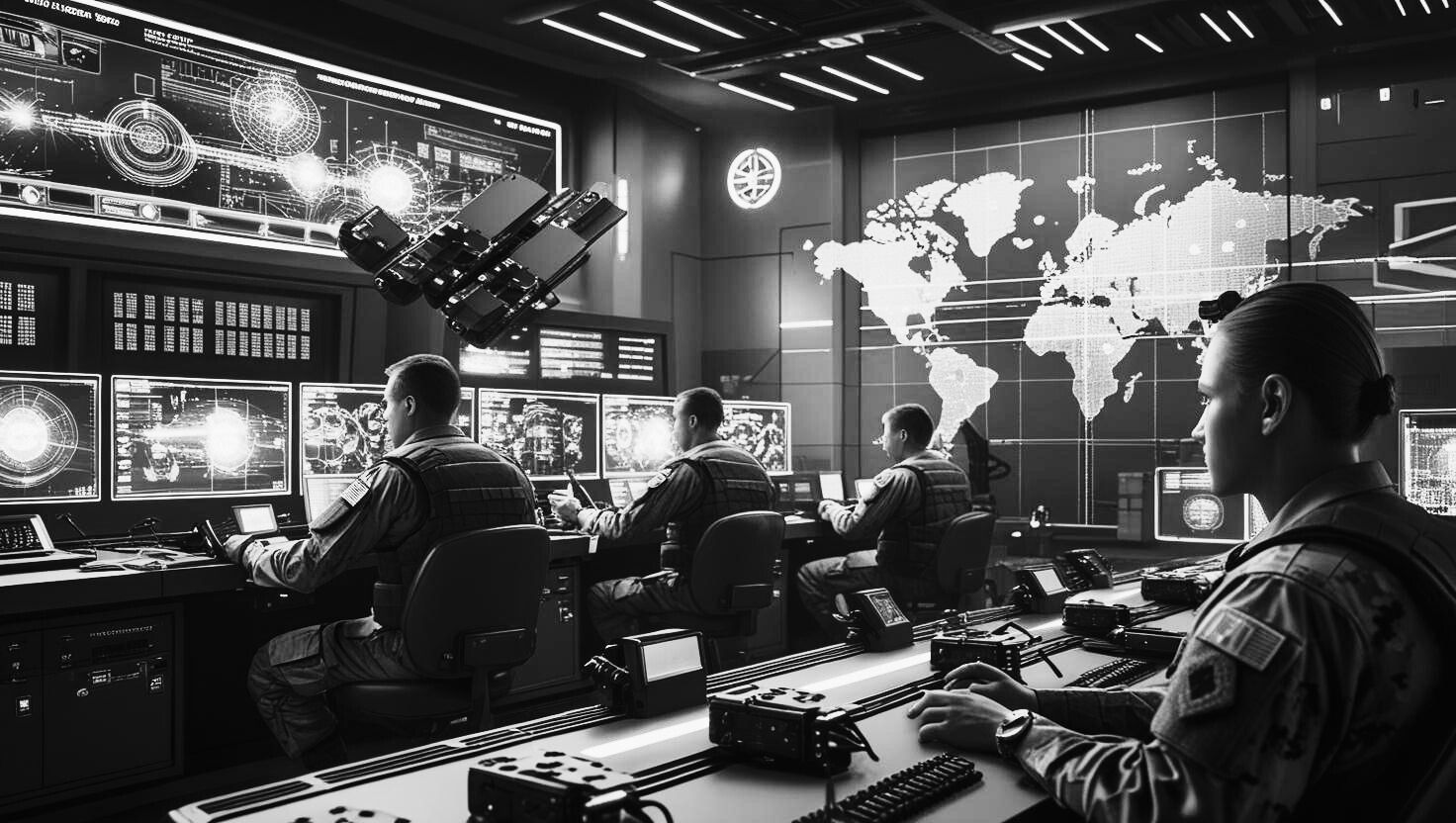
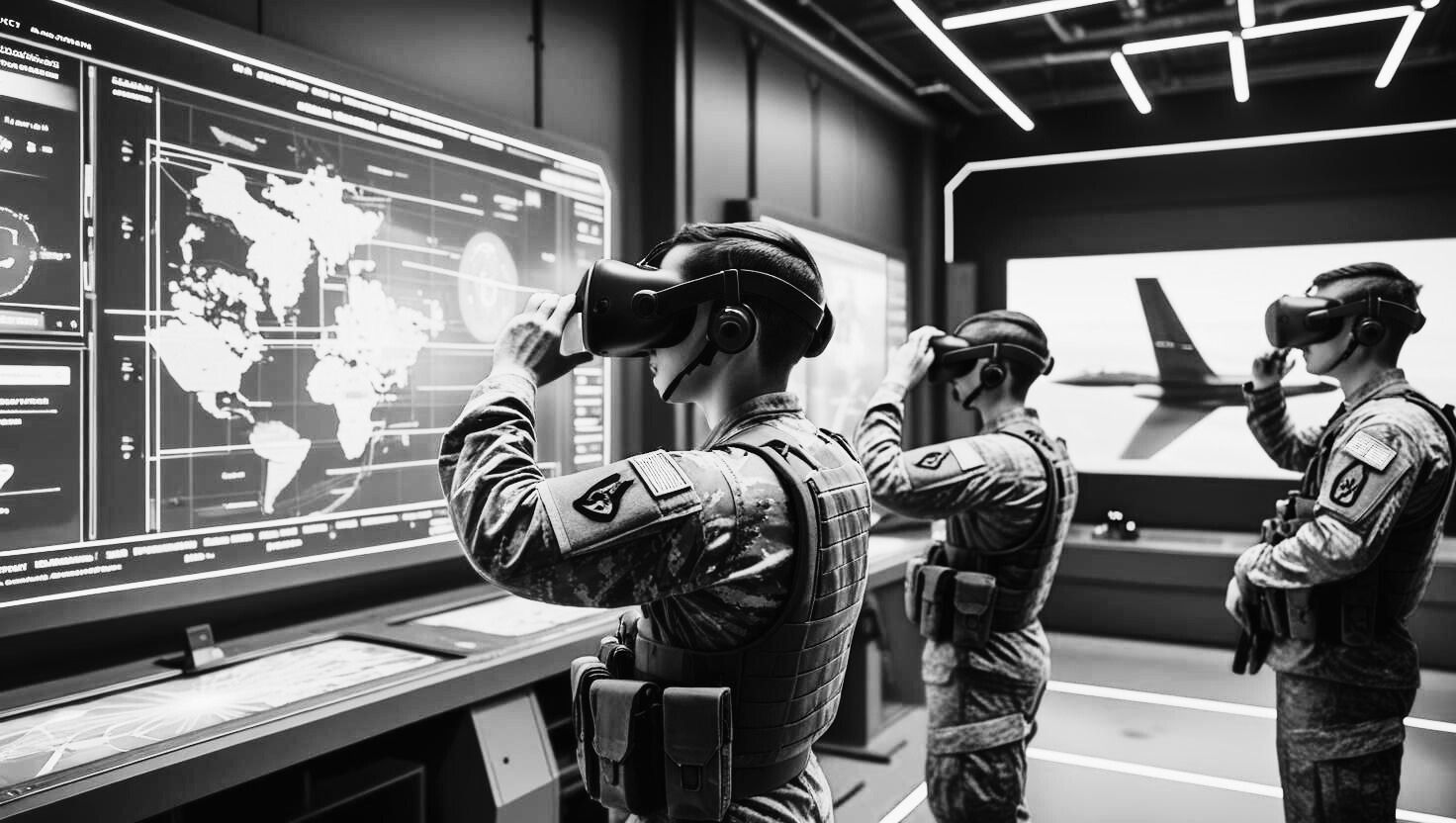
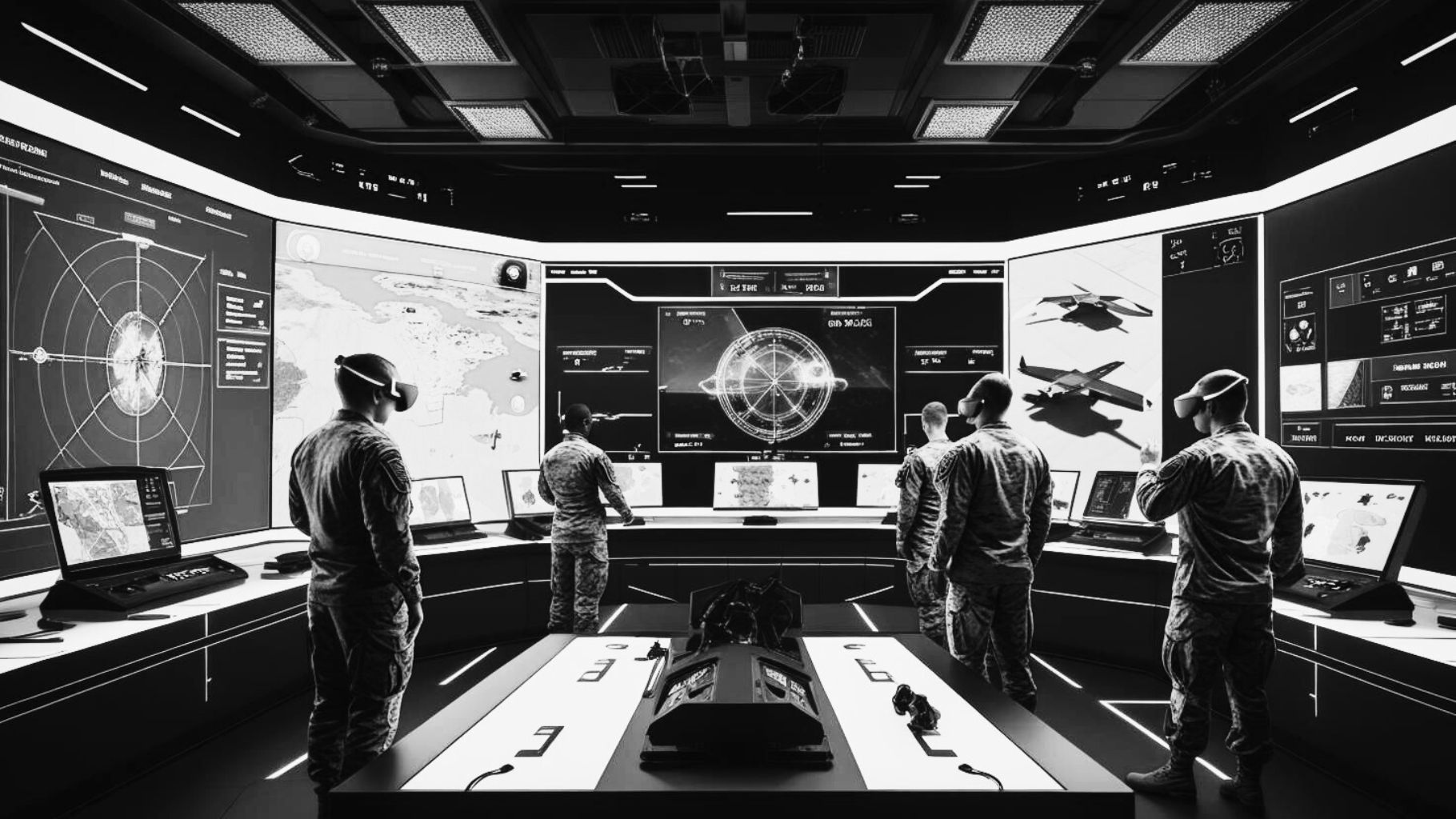
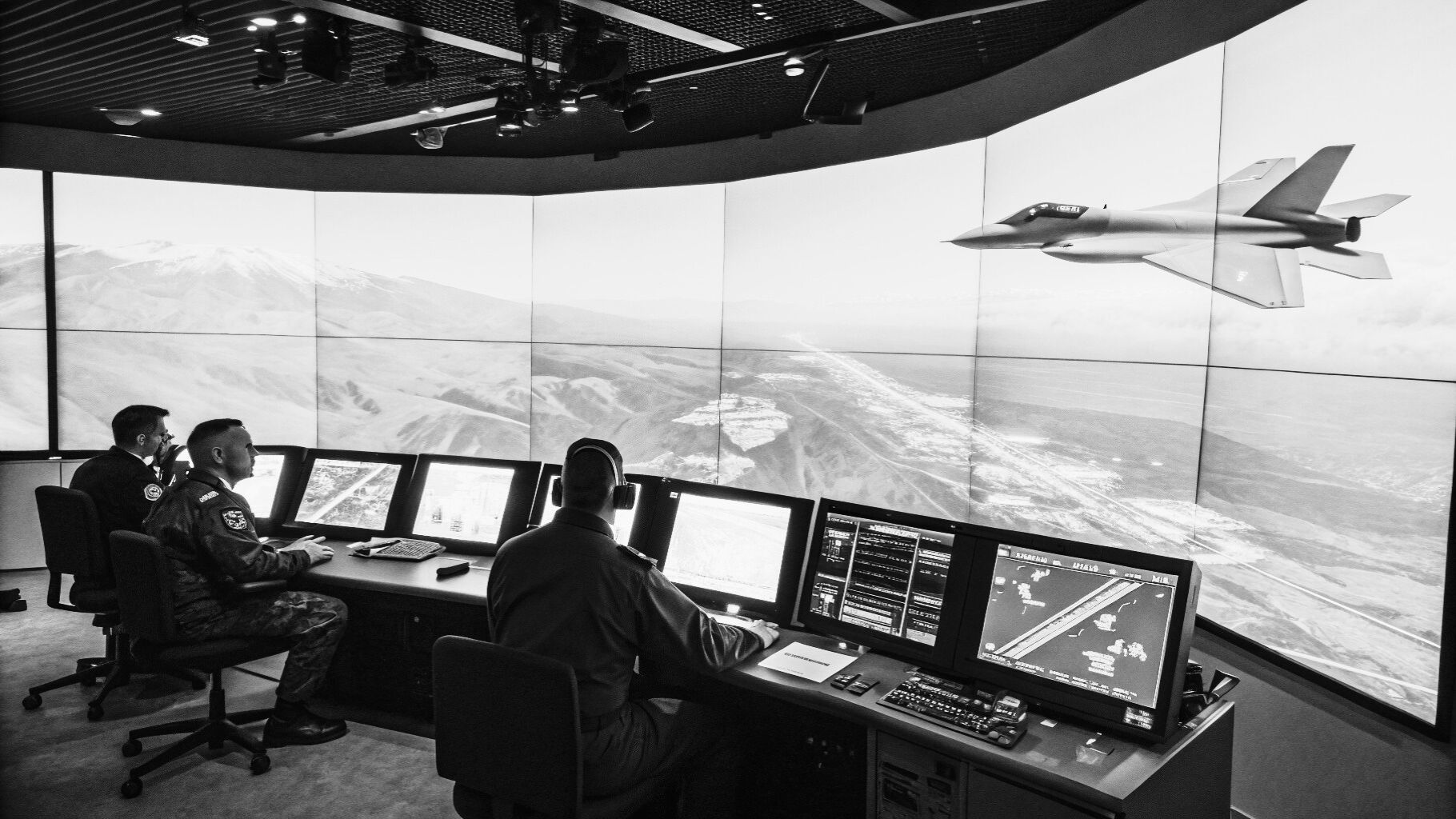
A key component of this capability is the Integrated Air Command and Control System (IACCS), which consolidates information from radars, drones, and multiple surveillance platforms into a single, real-time operational picture. This comprehensive awareness allows commanders to rapidly assess threats and coordinate appropriate defensive or offensive actions.
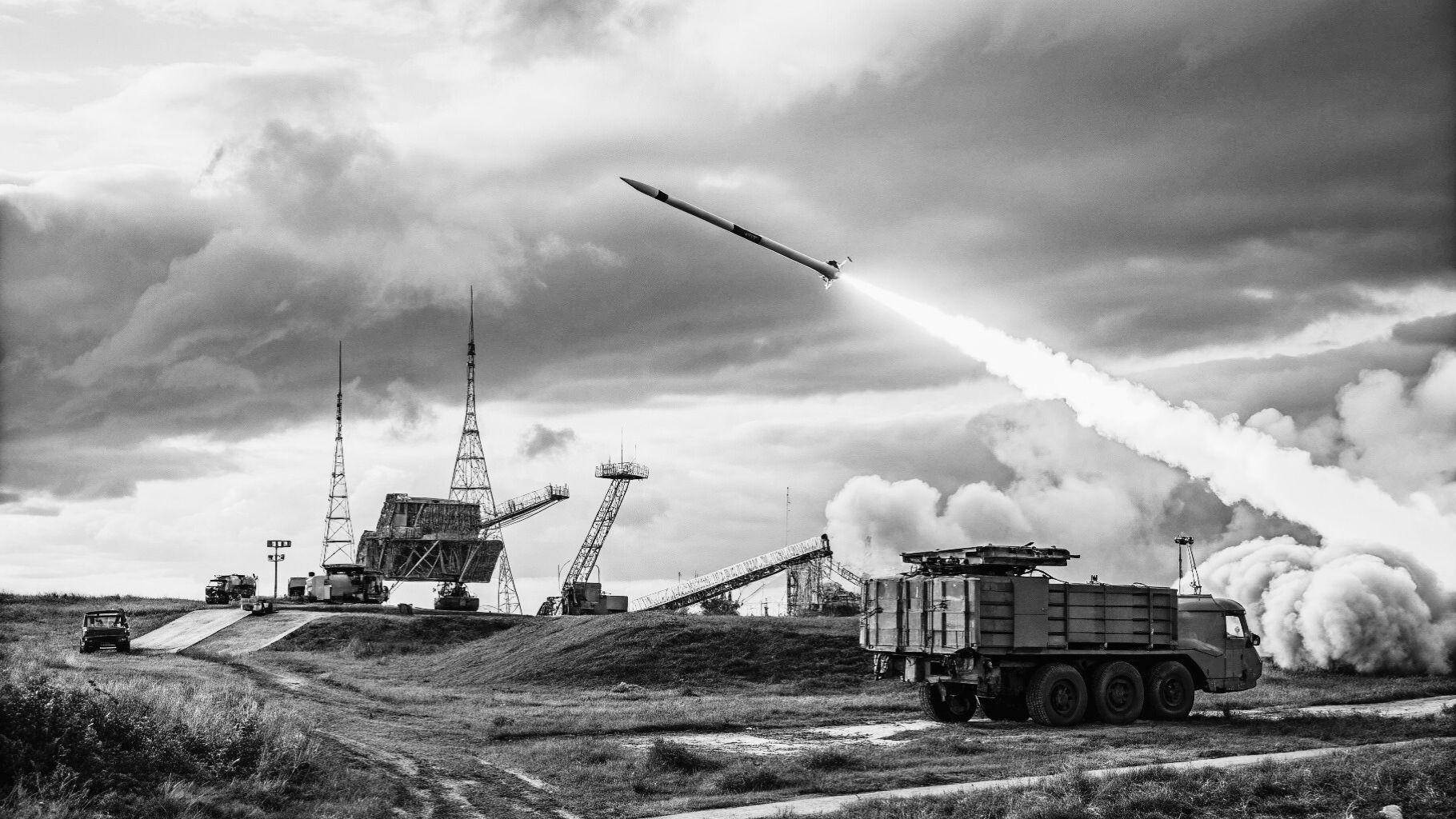
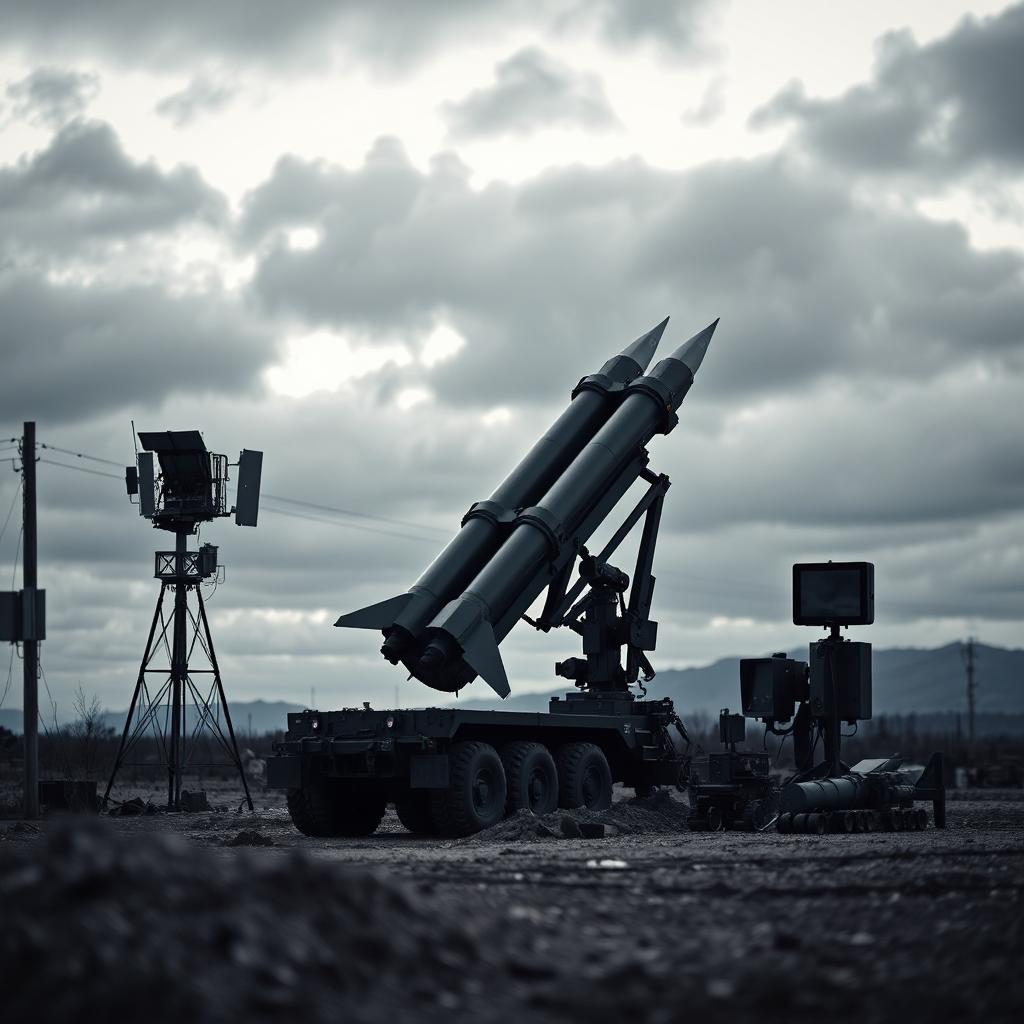
The system can automatically allocate incoming threats to the most effective air defence assets, including S-400 missile units and Akash surface-to-air missile batteries. The latest integration upgrades between IACCS and the Army’s Akashteer battlefield management system have further accelerated engagement timelines, enabling rapid response within seconds of threat identification.
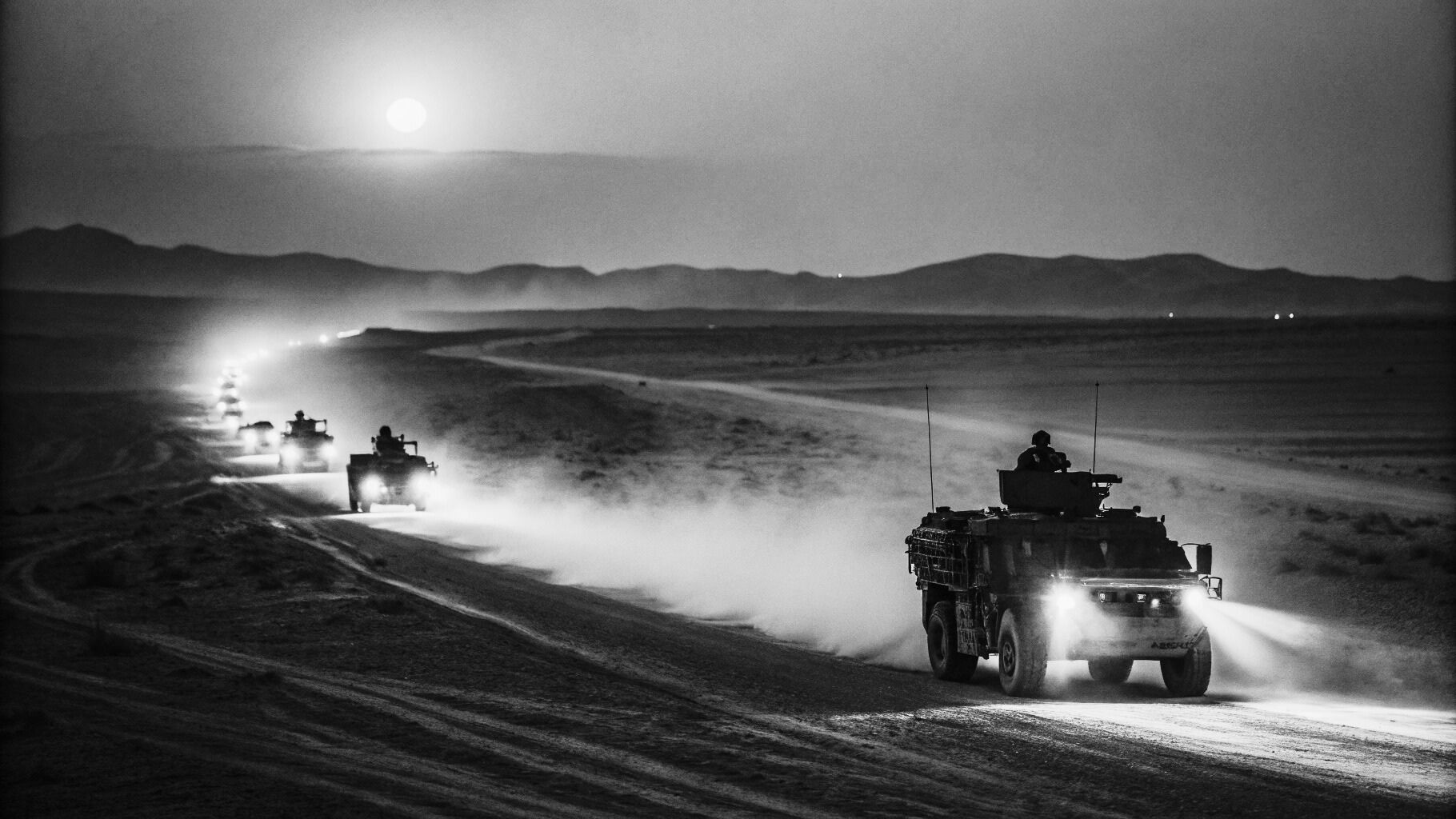
The enhanced interoperability was tested during Exercise Josh 2, a major joint exercise conducted along India’s western frontier. The drill involved close coordination between Army and Air Force formations to validate integrated command-and-control procedures under realistic operational conditions.
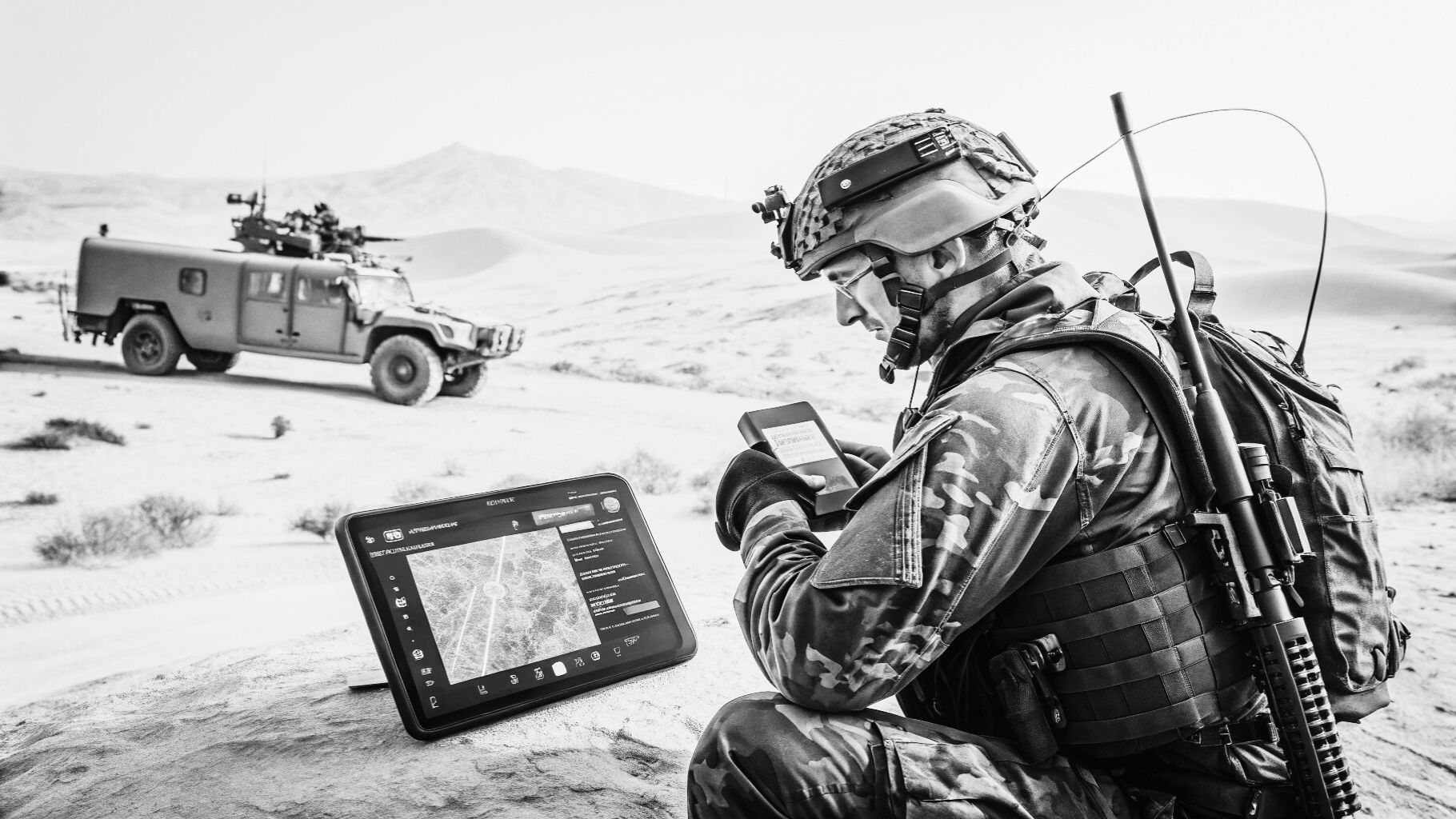
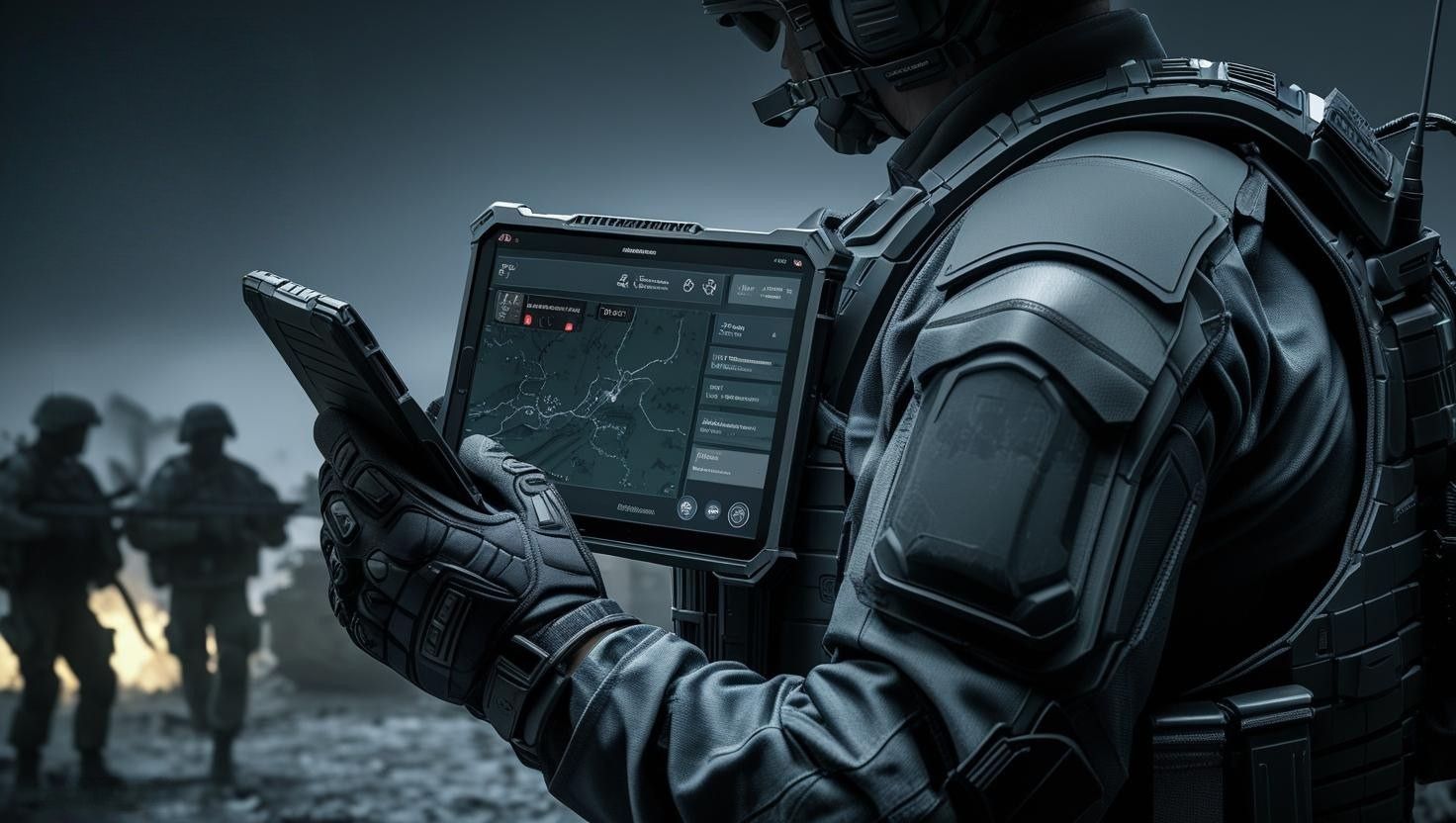
During the exercise, the IAF’s IACCS network was seamlessly linked with the Army’s Akashteer system, allowing frontline units to receive real-time battlefield information and enabling automated engagement planning. This significantly improved situational awareness and increased the efficiency of air defence operations.
To support the exercise, joint command nodes were established to connect military formations with civilian aviation authorities. This ensured smooth coordination between defence operations and commercial air traffic management, preventing disruptions to civilian flights while maintaining operational readiness.
Participants also conducted extensive rehearsals of airspace deconfliction procedures to ensure safe coexistence between military and civilian aircraft operating within shared airspace. These drills helped refine coordination mechanisms and reduce the risk of operational conflicts.
Another important aspect of Exercise Josh 2 was the utilisation of joint-user airfields, where multiple services practised coordinated operations from shared infrastructure. Such initiatives enhance interoperability, optimise resource usage, and strengthen the armed forces’ ability to conduct integrated operations in future conflict scenarios.