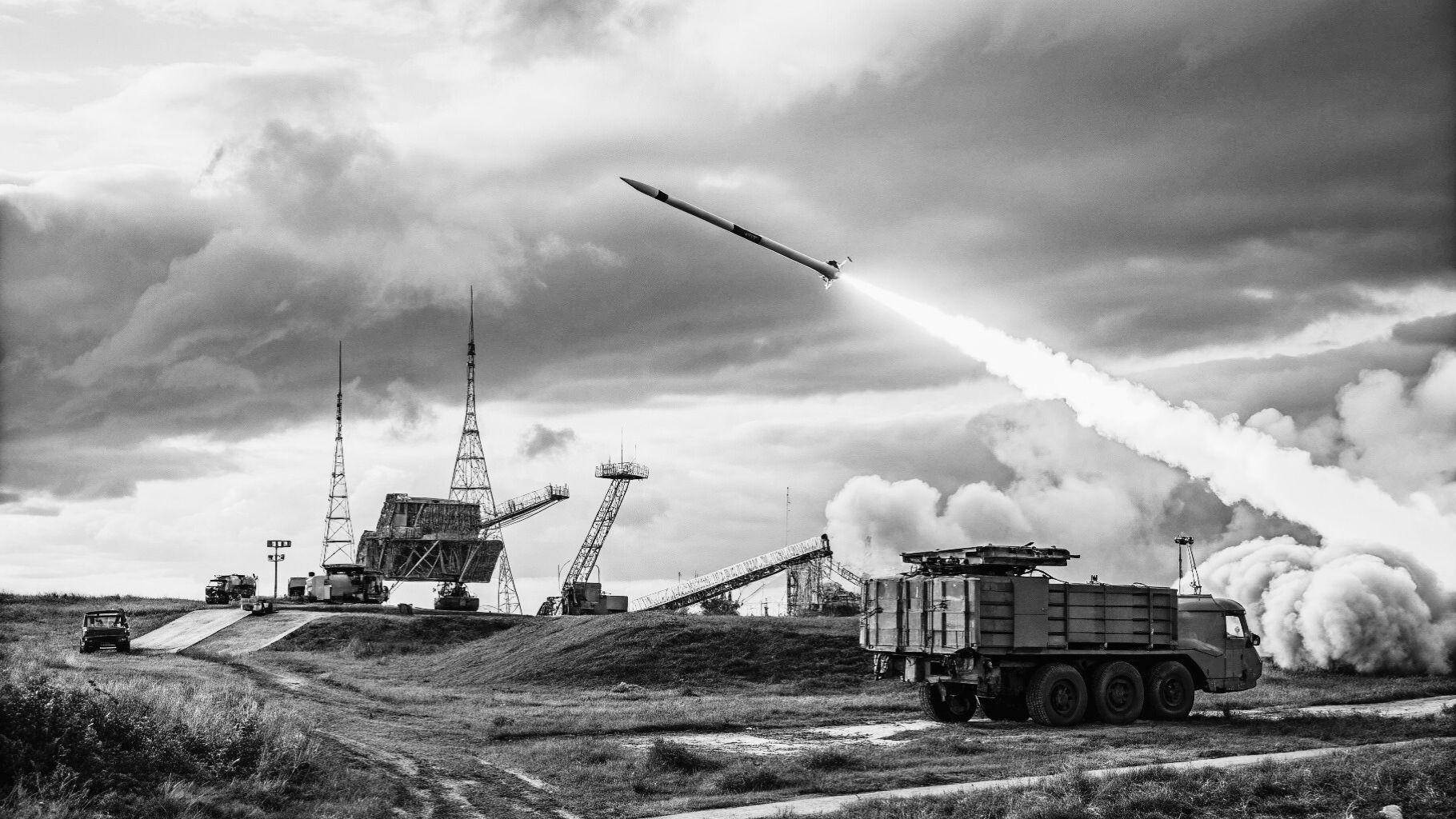
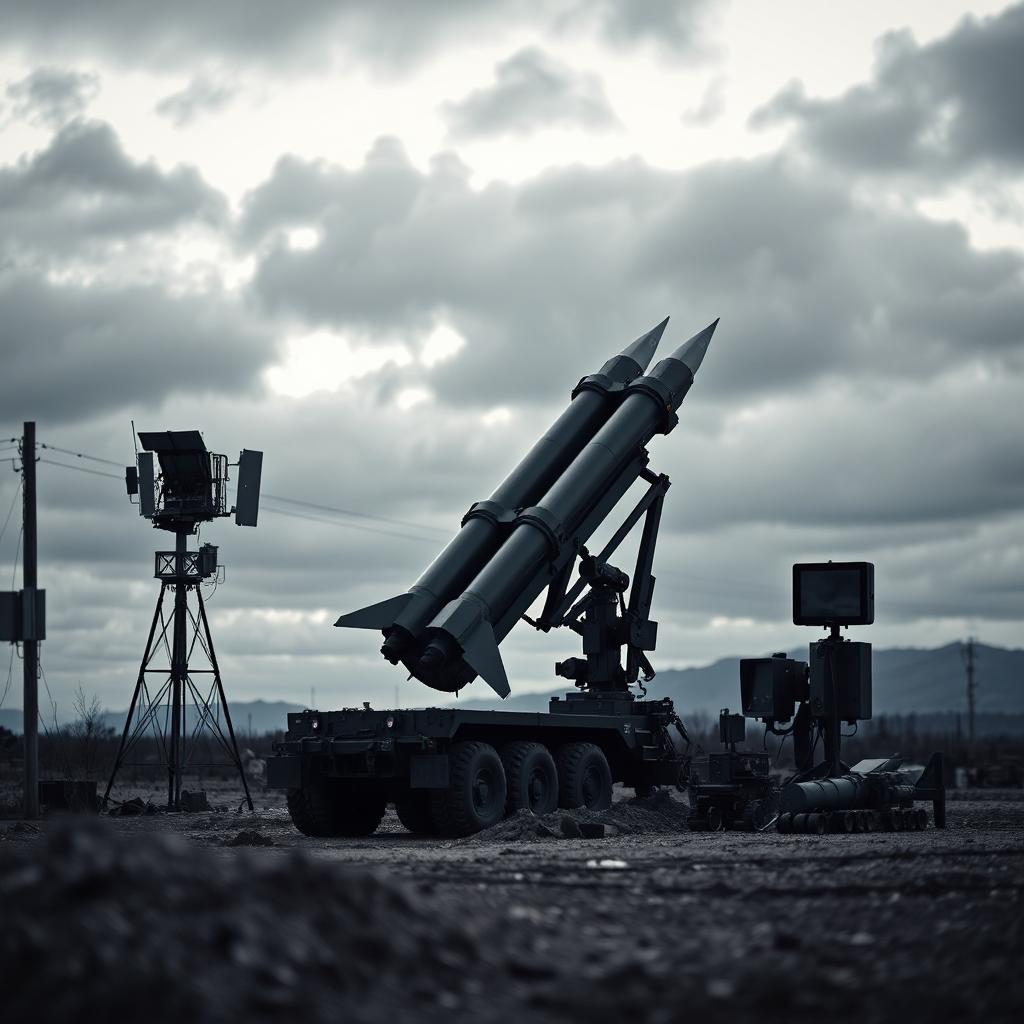
India’s Defence Research and Development Organisation (DRDO) has successfully concluded the final developmental trials of its Phase 2 Ballistic Missile Defence (BMD) programme, representing a significant advancement in the country’s efforts to build a credible shield against long-range ballistic missile threats. The Phase 2 architecture incorporates two advanced interceptors, AD-1 and AD-2, designed to neutralize incoming ballistic missiles during both endo-atmospheric and exo-atmospheric phases of flight.
Although the Ministry of Defence has stated that the system is capable of countering intercontinental ballistic missile (ICBM) threats, reports indicate that the latest trials involved targets simulating ballistic missiles with ranges between 2,000 and 5,000 kilometres, which fall within the intermediate-range ballistic missile category. By definition, ICBMs are missiles capable of travelling beyond 5,500 kilometres.
India’s BMD programme was initiated in 1999 following Pakistan’s nuclear tests the previous year. A major breakthrough came in 2006 when the system successfully intercepted a Prithvi-II ballistic missile during an endo-atmospheric engagement at an altitude of approximately 48 kilometres. Since then, the programme has evolved through multiple development phases aimed at creating a layered missile defence network.
The first phase of the programme, completed in 2019, was designed primarily to protect critical urban centres such as Delhi and Mumbai. It relies on the Prithvi Defence Vehicle (PDV) and Advanced Air Defence (AAD) interceptors, which provide engagement capabilities at altitudes of roughly 100 kilometres and 25 kilometres respectively. Together, these systems form the foundation of India’s layered missile defence architecture.
A critical component of the network is the indigenous Long Range Tracking Radar (LRTR), developed using technologies derived from Israel Aerospace Industries’ Green Pine radar. While the original Green Pine system offers a detection range of around 800 kilometres, the LRTR is reported to detect ballistic missile threats at distances exceeding 1,500 kilometres, significantly enhancing early-warning capabilities.
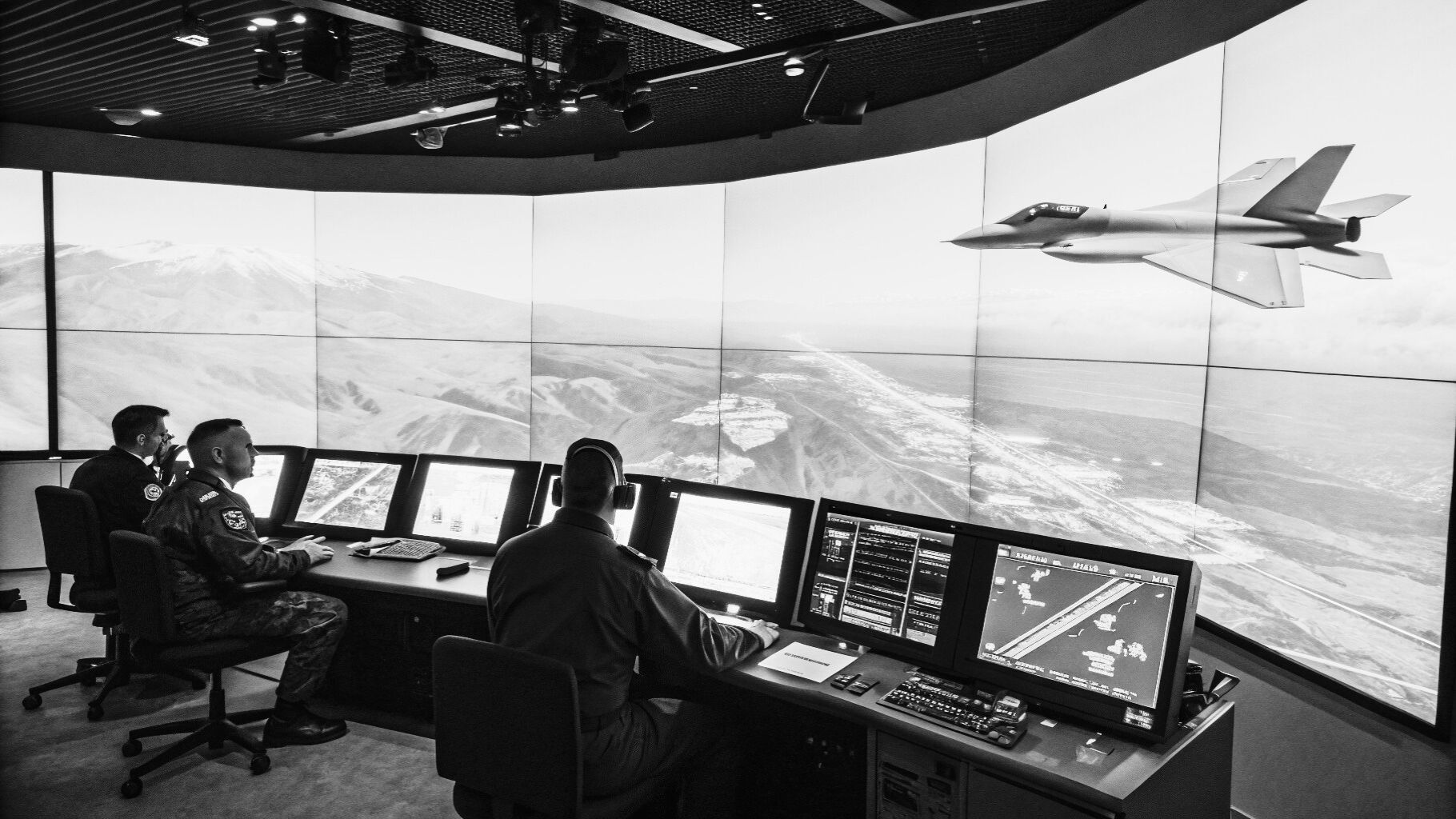
The BMD framework also includes interceptor launch units, launch control centres, and a central mission control centre, all connected through a secure communications infrastructure. This distributed architecture enables coordinated target tracking, threat assessment, engagement planning, and battle management across multiple locations.
Looking ahead, India is already advancing Phase 3 of the programme, which is expected to focus on addressing emerging threats such as hypersonic weapons and Multiple Independently Targetable Re-entry Vehicles (MIRVs). These future developments are intended to ensure that India’s missile defence network remains capable of countering increasingly sophisticated strategic threats.