BAE Systems Eyes Local Production of Tridon Mk 2 Air Defence System in India
BAE Systems is evaluating the possibility of manufacturing its Tridon Mk 2 mobile air defence system in India, positioning the Swedish-developed platform as a potential contender for the Indian Army’s upcoming Very Short-Range Air Defence System (V-SHORADS) programme.
Speaking to Janes on 21 July, Tony Walton, Managing Director of BAE Systems India, confirmed that the company is exploring partnerships with Indian industry to establish domestic production of the Tridon Mk 2. The initiative aligns with the Government of India’s “Make in India” policy, which encourages foreign defence manufacturers to localize production and technology transfer instead of supplying fully imported systems.
However, any decision to establish manufacturing capabilities in India will depend on whether the Tridon Mk 2 is formally selected through the country’s defence procurement process.
Tridon Mk 2 Air Defence System
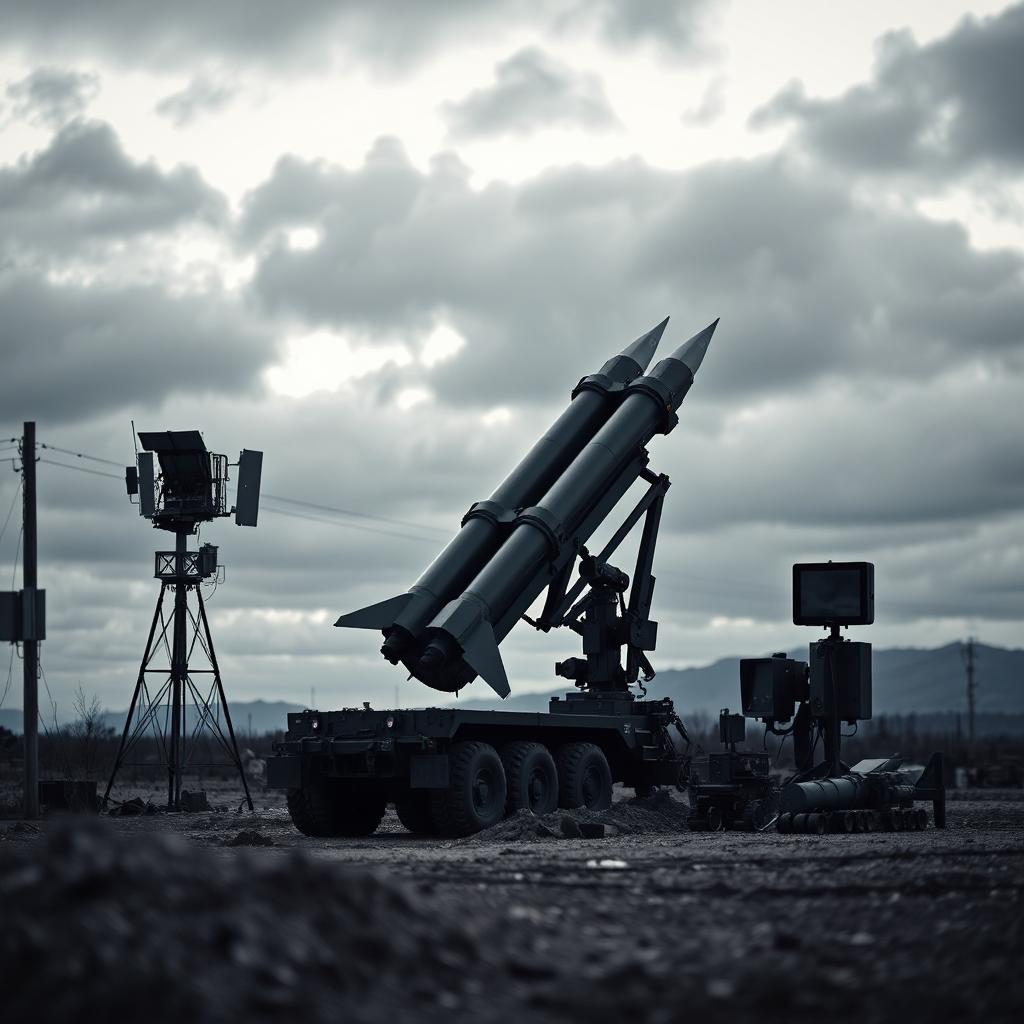
Developed by BAE Systems Bofors in Sweden, the Tridon Mk 2 is a mobile anti-aircraft artillery system built around an advanced version of the renowned Bofors 40 mm gun. The system is designed to engage a wide range of low-altitude aerial threats, including fighter aircraft, helicopters, cruise missiles, unmanned aerial vehicles (UAVs), and drones.
With the growing prevalence of drone warfare, the Tridon Mk 2 has been developed to provide rapid-response air defence against both conventional and emerging aerial threats.
India’s Growing Requirement for V-SHORADS
India’s interest in systems such as the Tridon Mk 2 coincides with an accelerated modernization of its short-range air defence capabilities. Earlier in July 2026, the Defence Acquisition Council (DAC), chaired by Defence Minister Rajnath Singh, granted Acceptance of Necessity (AoN) for a new V-SHORADS procurement programme as part of a broader capital acquisition package worth several thousand crore rupees.
The future system is expected to feature multi-spectral sensing technologies capable of improving target detection and resistance against electronic countermeasures while effectively engaging low-flying aircraft, helicopters, drones, and other aerial threats.
The renewed emphasis on layered air defence has been influenced by recent operational experience. During Operation Sindoor, Pakistan reportedly employed small drones alongside Fatah-II ballistic missiles and CM-400AKG supersonic missiles in attempted attacks on Indian assets, reinforcing the Indian Army’s requirement for rapidly deployable, drone-capable short-range air defence systems.
Local Manufacturing Strategy
BAE Systems has expressed confidence in the capabilities of Indian industry to absorb the technology required for local production. According to the company, its objective is to ensure that any Tridon Mk 2 systems supplied to the Indian Army are eventually manufactured through an Indian industrial partner rather than imported as complete systems.
The company has not disclosed whether potential Indian partners have been shortlisted, whether formal negotiations have commenced, or which specific procurement programme the Tridon Mk 2 is being positioned for. Such caution is common during the initial stages of foreign OEM engagement in India’s defence sector, where manufacturers often announce localization plans well before formal Requests for Proposal (RFPs) are issued.
Supporting India’s Layered Air Defence Network
The proposed localization of Tridon Mk 2 aligns with India’s broader air defence modernization strategy. Alongside the planned V-SHORADS acquisition, the Defence Acquisition Council has recently approved several key programmes, including the Akash Tarang anti-drone electronic warfare system, Medium Range Surface-to-Air Missile (MR-SAM) systems, and additional S-400 long-range air defence capabilities.
Together, these systems will contribute to a comprehensive layered air defence architecture capable of addressing threats ranging from strategic ballistic missiles and combat aircraft to helicopters, UAVs, and commercial drones.
Outlook
For BAE Systems, establishing Tridon Mk 2 production in India will ultimately depend on the platform’s selection by the Indian Army, the identification of a suitable domestic manufacturing partner, and compliance with India’s defence indigenization and offset requirements.
As India continues expanding its indigenous defence manufacturing ecosystem, the Tridon Mk 2—combining the proven Bofors 40 mm gun with modern sensors, fire-control systems, and mobility—could emerge as a strong contender in the country’s next-generation V-SHORADS programme.