Akash Missile Production Shifts to Advanced Variants, Ensuring Long-Term Manufacturing
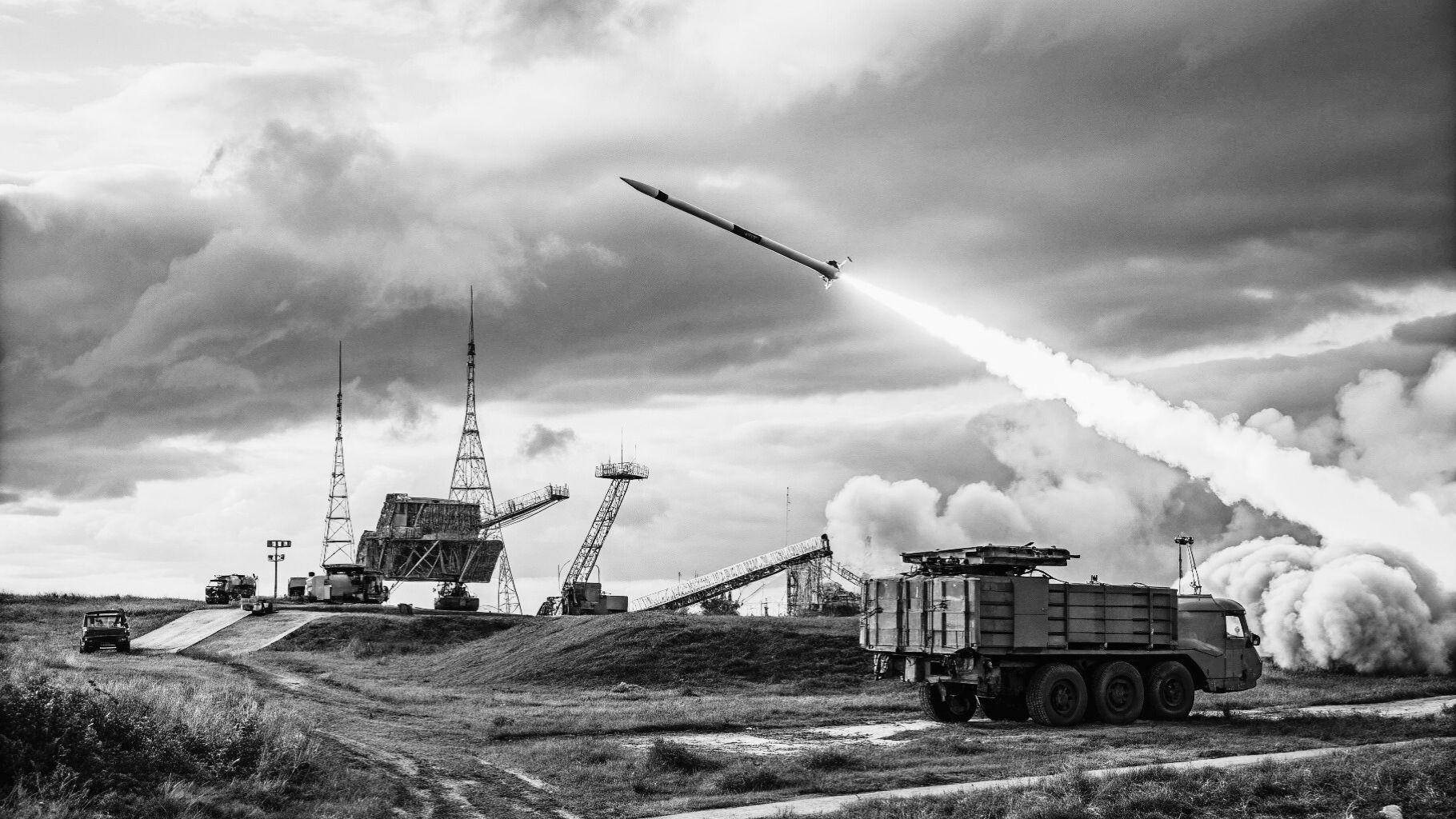
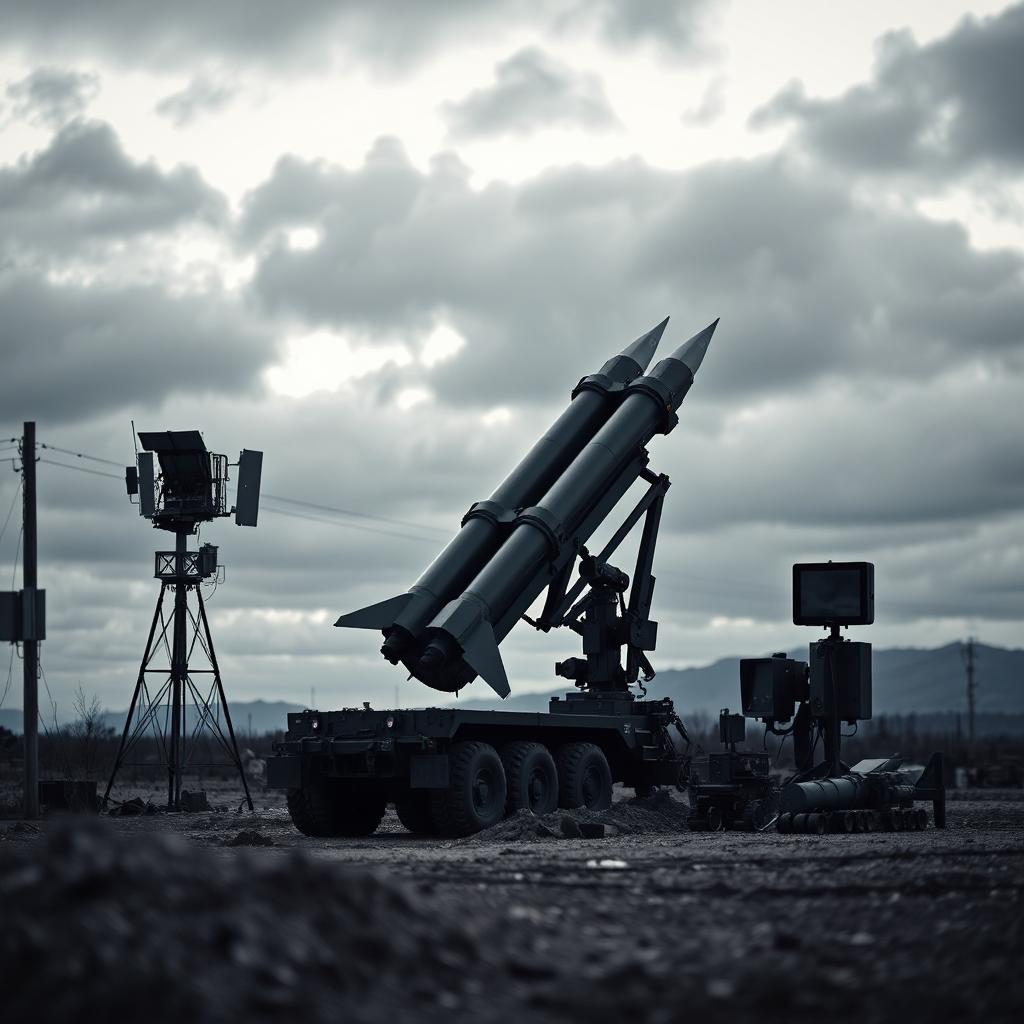
Reports suggesting that production of India’s indigenous Akash air defence missile system is approaching its conclusion are inaccurate. According to sources familiar with the programme, Akash manufacturing is transitioning into a new phase focused on advanced missile variants that will support both the Indian Armed Forces and a growing number of international customers.
Although production of the original Akash configurations is gradually declining as induction goals are achieved, Bharat Dynamics Limited (BDL) and Bharat Electronics Limited (BEL) are simultaneously expanding manufacturing for upgraded versions of the missile system. This transition is expected to keep Akash production lines operational well into the next decade.
The shift represents the natural progression of one of India’s most successful indigenous air defence programmes. Rather than ending production, manufacturers are replacing earlier variants with missiles offering extended range, improved guidance systems, enhanced survivability, and superior capability against modern aerial threats.
Sources indicate that BDL’s current order pipeline is sufficient to sustain uninterrupted Akash production until at least 2029–2030. Additional domestic procurements and export contracts are expected to extend production beyond this timeframe.
Domestic demand continues to play a significant role in maintaining manufacturing momentum. The Ministry of Defence’s contract for the third and fourth Akash regiments for the Indian Army, together with continuing requirements from the Indian Air Force, has ensured steady production of missiles, launchers, radars, command-and-control systems, and associated support equipment.
Exports have also become a major contributor to the programme’s long-term sustainability. Following Armenia’s procurement of the Akash-1S system, the missile has emerged as one of India’s flagship defence export products. BDL continues to execute the approximately US$700 million contract covering 15 Akash-1S firing units, while several countries across the Middle East, North Africa, and South America are evaluating the system for their own air defence requirements.
The expanding export market has further strengthened production visibility. As of mid-2026, BDL’s total order book exceeds ₹6,180 crore, with the Akash missile family representing one of its largest segments. Existing contracts alone provide assured manufacturing activity for the next three to four years, even before potential future export orders are considered.
A major transformation is now underway with the introduction of the Advanced Akash missile. Production facilities are increasingly being configured to manufacture this enhanced variant, which incorporates an indigenous Ku-band active radar seeker and a dual-pulse solid rocket motor. Unlike earlier versions that relied primarily on ground-based radar guidance, the Advanced Akash can independently acquire and track targets during the terminal engagement phase, significantly improving effectiveness against highly manoeuvrable and low-observable aerial threats.
Following the successful clearance of its First-off Production Model (FOPM), the Advanced Akash programme has entered the serial production phase. Defence officials consider the system an important capability upgrade that bridges the gap between the original Akash family and future-generation air defence systems.
At the same time, preparations are progressing for large-scale manufacturing of the Akash-NG (Next Generation) missile system. Representing a comprehensive redesign, Akash-NG incorporates a lighter airframe, advanced electronics, an active RF seeker, dual-pulse propulsion, and a fully canisterised launch system that simplifies transportation, storage, deployment, and maintenance.
Offering an engagement range of approximately 70–80 kilometres, Akash-NG substantially expands the operational envelope compared to previous variants. Following successful User Evaluation Trials with the Indian Air Force, the programme is steadily advancing toward serial production and is expected to become one of India’s primary medium-range air defence systems in the coming decades.
Supporting this transition, BDL is significantly expanding its manufacturing capacity through new infrastructure, including the Ibrahimpatnam facility in Telangana. The complex will house eight parallel production lines dedicated to next-generation surface-to-air missile systems, enabling higher output and faster deliveries for both domestic and export customers.
The investment reflects confidence in sustained demand as India continues modernising its layered air defence network while expanding defence exports under the government’s self-reliance initiatives.
For BDL and BEL, the future of the Akash programme is defined by technological advancement rather than declining production. As legacy variants gradually conclude their manufacturing cycles, Advanced Akash and Akash-NG are expected to become the primary focus of production, ensuring the continued evolution of India’s indigenous air defence missile family for many years ahead.