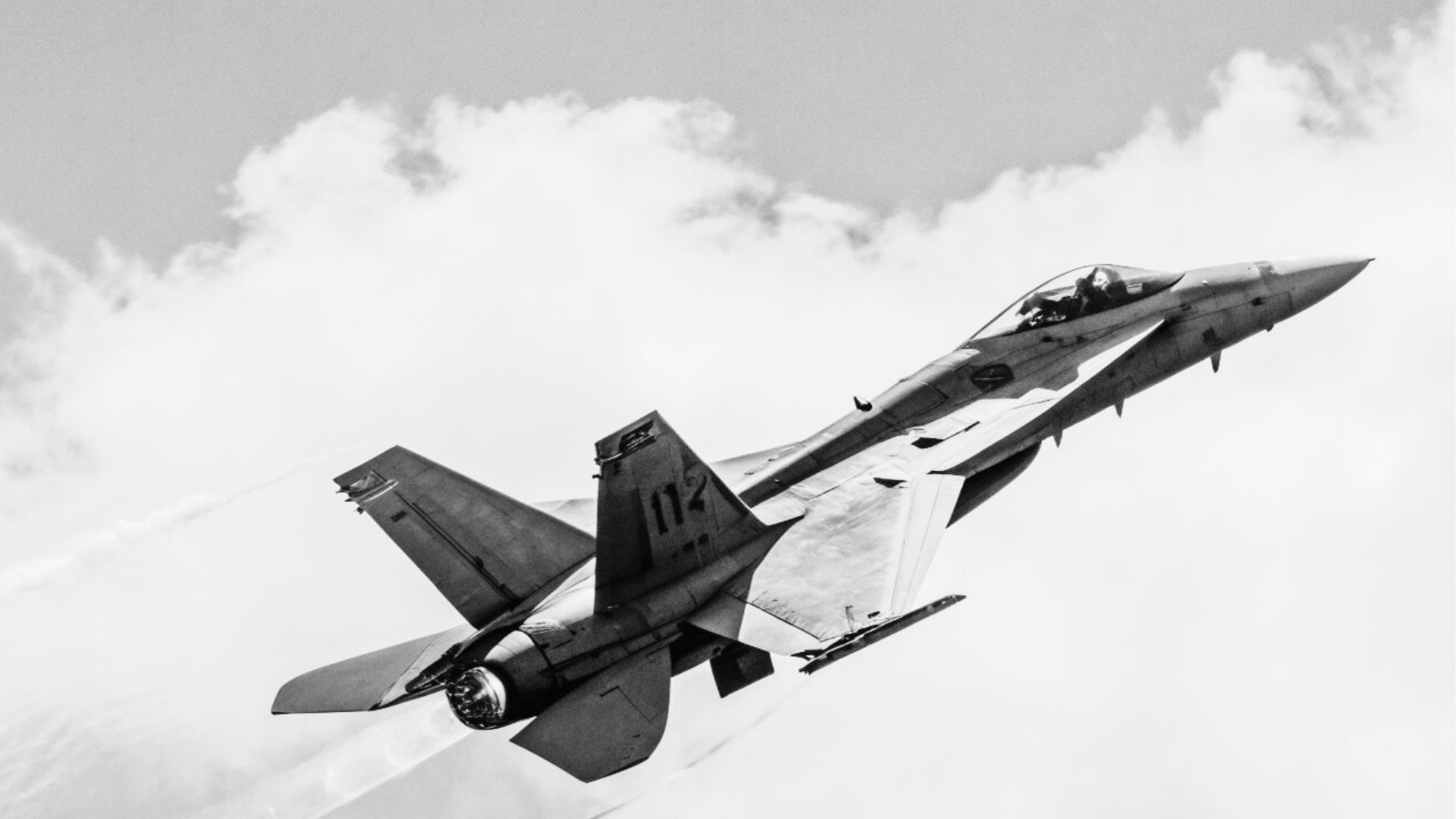
According to a former engineer from Hindustan Aeronautics Limited’s (HAL) engine division, replacing the General Electric F404-IN20 engine used in the Tejas Mk1A would involve far more than a straightforward engine substitution. Speaking anonymously, the aerospace specialist noted that integrating an alternative powerplant—such as the Safran M88 or a future production-standard Kaveri engine—would require extensive redesign work, effectively creating a new aircraft variant.
The engineer explained that the engine is a central element of a modern fighter’s design, influencing structural loads, center-of-gravity management, intake performance, thermal regulation, electrical systems, and flight-control software. Since the Tejas Mk1A has been specifically optimized around the F404-IN20, introducing a different engine would affect numerous interconnected systems.
For example, the aircraft’s intake geometry has been tailored to the airflow and pressure requirements of the F404. A replacement engine with different airflow demands could require redesigned intake ducts to avoid compressor instability, airflow distortion, or reduced performance. Structural engine mounts would also need modification to accommodate different load paths, mounting arrangements, and vibration characteristics.
Changes would extend to the aircraft’s digital systems as well. The Full Authority Digital Engine Control (FADEC) software would require significant redevelopment and validation to ensure compatibility with the Tejas mission computer and fly-by-wire flight-control architecture. In addition, the rear fuselage could need redesign work to accommodate different nozzle dimensions, exhaust temperatures, and thrust profiles, along with revised heat shielding and structural reinforcement.
Fuel systems, cooling mechanisms, and other supporting subsystems would also need adjustment to match the operational and thermal requirements of the new engine. The former engineer estimated that the redesign process would begin with 12 to 18 months of Computational Fluid Dynamics (CFD) and Finite Element Analysis (FEA) studies, followed by a similar period of ground testing to assess integration, vibration characteristics, and overall compatibility.
The most demanding phase would be flight testing. A re-engined Tejas would likely require between 300 and 500 flight hours across a wide range of operational scenarios before achieving certification. Altogether, the process could take five to seven years to reach Initial Operational Clearance (IOC).
Additional testing would include ground vibration analysis, thermal mapping, structural assessments, and systems integration evaluations. Every weapon certified on the Tejas—including Astra air-to-air missiles, precision-guided munitions, and future systems such as BrahMos-NG—would require fresh separation and flight-envelope testing because changes in engine performance can alter airflow around the aircraft.
The engineer emphasized that these technical realities are often overlooked when discussing alternative engine options. While the Safran M88 is a proven engine powering the Rafale fighter, integrating it into the Tejas would likely demand extensive modifications due to differences in size, airflow requirements, and system architecture. Similarly, although the indigenous Kaveri engine remains strategically important, it is currently focused on UCAV applications and technology maturation and has yet to meet the certification, reliability, and support standards required for a frontline fighter aircraft.