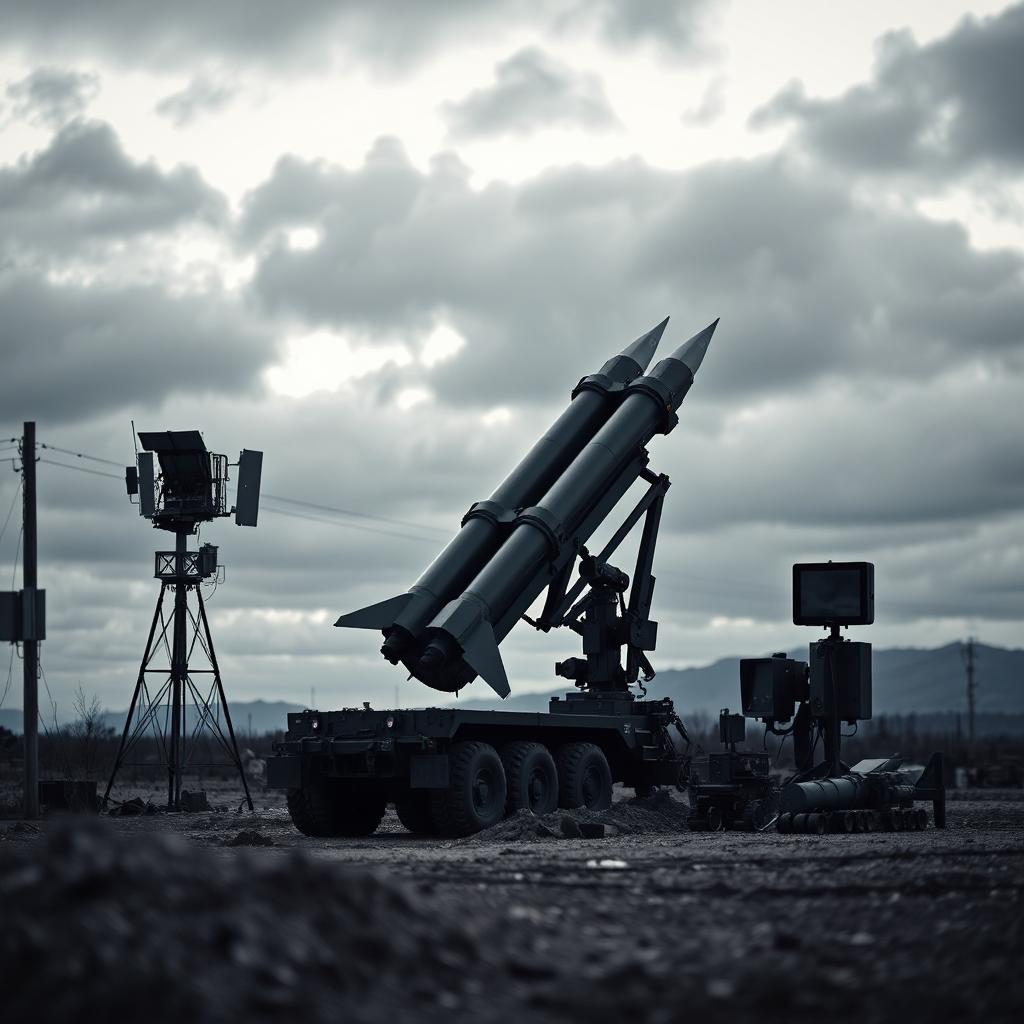
India’s Akash-NG (New Generation) air defence system has been purpose-built to counter one of the most demanding challenges in modern warfare: large-scale cruise missile saturation attacks. According to sources familiar with the programme, the system’s architecture, sensors, interceptor performance, and engagement algorithms have been optimized to defend against massed salvos of low-flying, low-signature cruise missiles operating in electronically contested environments.
Modern air defence networks face increasingly complex threats as adversaries shift from isolated missile strikes to coordinated barrages launched from multiple directions. These attacks are often supported by electronic warfare measures, decoys, and jamming systems designed to overwhelm radar networks and create vulnerabilities in defensive coverage.
While the original Akash air defence system was capable of engaging aircraft, drones, and cruise missiles at ranges of roughly 30–45 kilometers, the Akash-NG has been developed with a stronger focus on defeating faster, more maneuverable, and lower-observable threats. The upgraded system extends engagement ranges to approximately 70 kilometers while offering faster response times and enhanced target acquisition performance.
A major contributor to this capability is the missile’s indigenous active radio-frequency seeker, which enables autonomous target tracking during the terminal phase of flight. This feature improves interception effectiveness against cruise missiles performing evasive maneuvers or operating under electronic countermeasure conditions.
Central to the system’s anti-saturation role is its advanced Active Electronically Scanned Array (AESA) multifunction radar. Programme details indicate that the radar can simultaneously track more than 100 targets and engage at least 10 threats at once, allowing the system to maintain effectiveness during large-scale missile attacks.
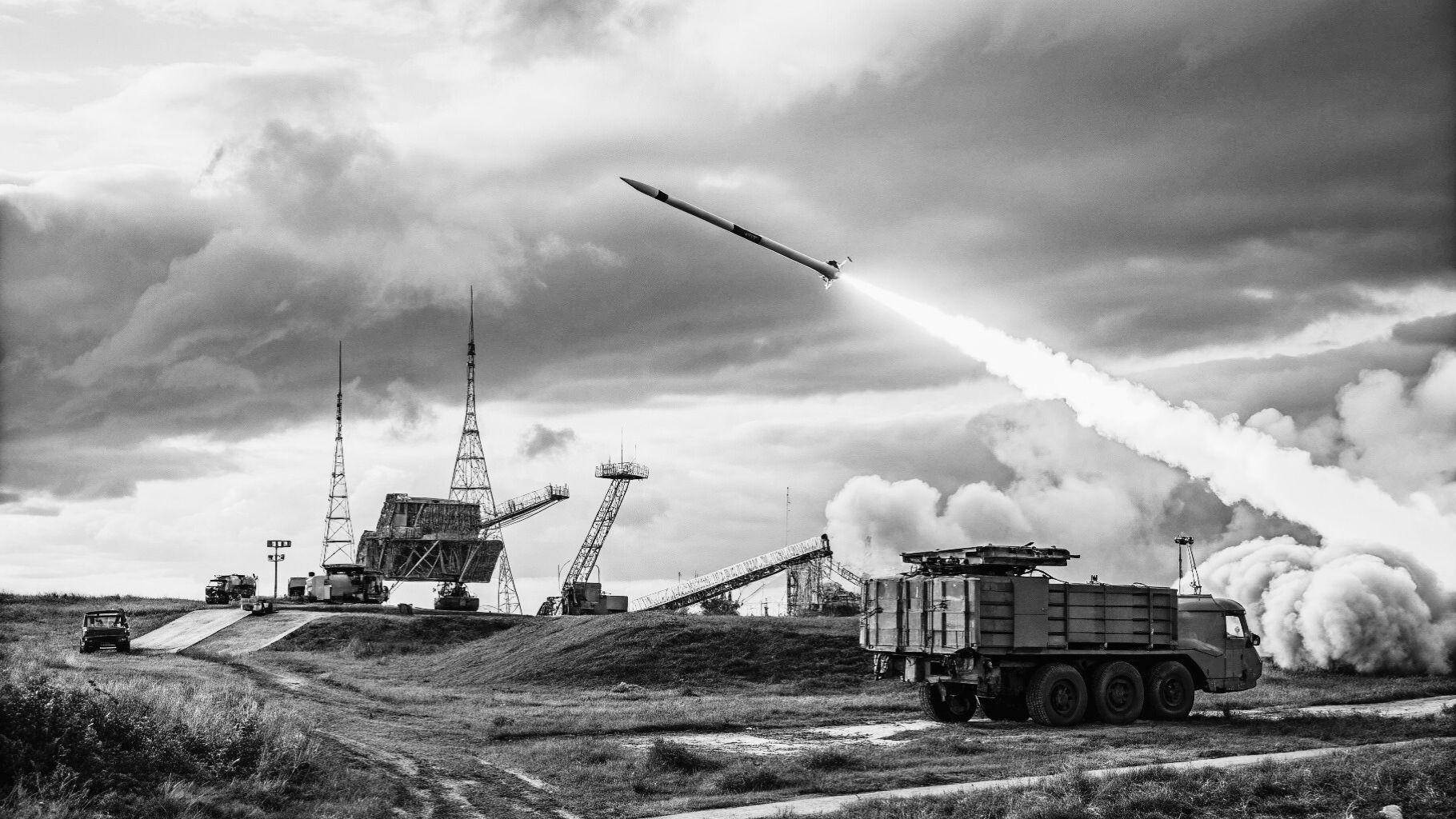
The missile battery is also designed for a high engagement tempo. Under normal conditions, it can launch an interceptor approximately every 10 seconds, while salvo mode allows three missiles to be fired within 20 seconds. Multiple launchers can also operate in coordinated ripple-fire configurations, significantly increasing the volume of defensive fire available against incoming threats.
Another key improvement is the integration of the AESA radar with an Electro-Optical Tracking System (EOTS). This dual-sensor architecture enhances resilience during electronic warfare operations by allowing optical tracking to supplement or replace radar guidance if jamming degrades radar performance. Such redundancy is particularly valuable during saturation attacks that combine electronic and kinetic threats.
The interceptor’s dual-pulse rocket motor further strengthens the system’s effectiveness, enabling speeds between Mach 3 and Mach 3.5. This allows rapid engagement of incoming targets and shortens reaction timelines, particularly against terrain-hugging cruise missiles that may only become detectable in the final stages of their approach.
Despite these advancements, defence planners acknowledge that no single system can independently counter every saturation scenario. Low-altitude cruise missiles using terrain masking can emerge with little warning, and all air defence systems face practical limits on simultaneous engagements.
As a result, Akash-NG is expected to serve as a key element within India’s layered air defence framework rather than as a standalone solution. Long-range systems such as the S-400 and the future Project Kusha would engage threats at extended distances, while Akash-NG would provide a responsive inner defensive layer capable of intercepting missiles that penetrate outer defenses or appear unexpectedly at shorter ranges.
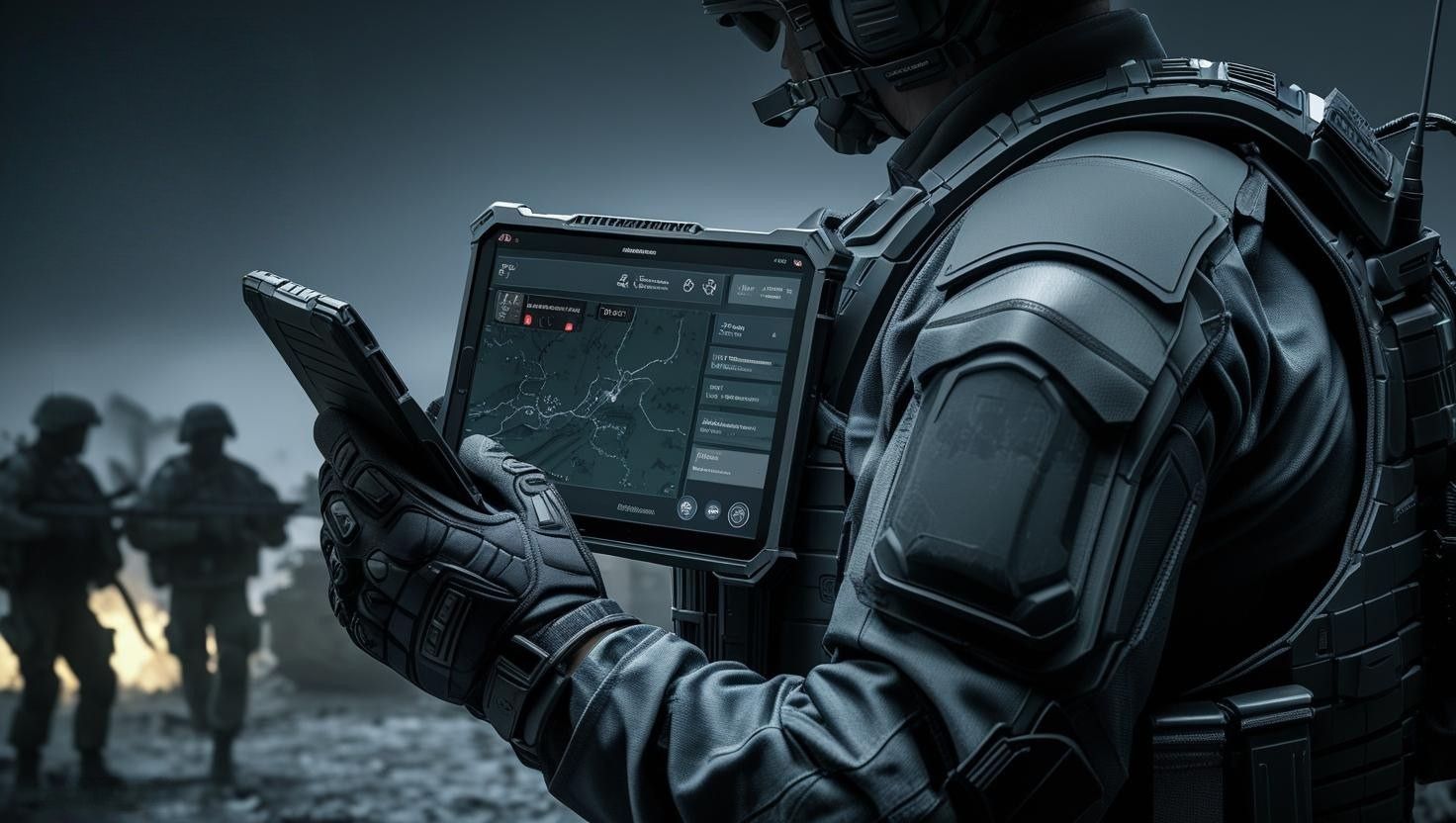
The effectiveness of this approach is heavily dependent on the Integrated Air Command and Control System (IACCS), which connects radar stations, airborne sensors, command centers, and missile batteries into a unified network. By providing early warning and a common operational picture, IACCS allows Akash-NG units to prepare for incoming threats before they enter the system’s engagement zone, significantly improving overall defensive effectiveness.