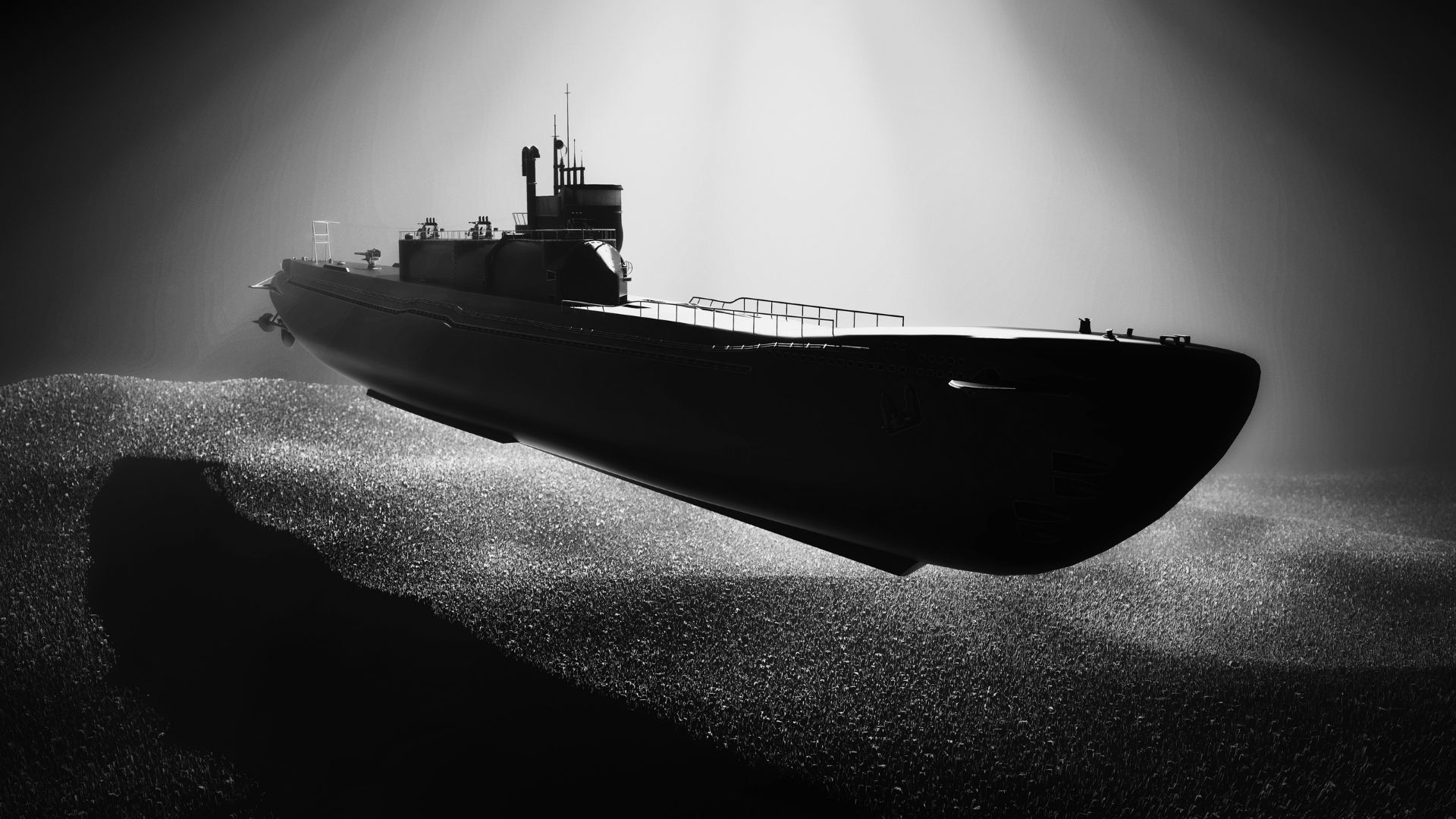
In undersea warfare, speed is not always the decisive factor. A submarine that can remain hidden for longer can gather intelligence, monitor hostile activity and position itself for an engagement without revealing its location.
This philosophy drives the Type 212CD, a new-generation conventional submarine developed by thyssenkrupp Marine Systems (TKMS) for Germany and Norway. Based on the successful Type 212A, the Type 212CD introduces a larger hull, improved stealth, advanced sensors and a modern combat system designed for increasingly demanding maritime-security missions.
The submarine is particularly suited to operations in the Baltic Sea, North Atlantic and Arctic, making it strategically relevant to NATO’s northern maritime defence posture.
What Is the Type 212CD?
The Type 212CD, short for Common Design, is a diesel-electric attack submarine jointly developed by TKMS and the Norwegian Defence Materiel Agency. It is being acquired by both the German and Royal Norwegian navies.
The design retains the Type 212 family’s emphasis on quiet underwater operations while introducing significant improvements. Its larger hull provides additional space for sensors, systems and future upgrades, while its distinctive angular exterior contributes to reduced radar observability near the surface.
The submarine is intended for a wide range of missions, including intelligence collection, surveillance, anti-submarine warfare, anti-surface warfare and special operations support.
Development of the Type 212CD
The programme is rooted in the Type 212A, which entered German Navy service in 2005. The earlier submarine was notable for its use of hydrogen fuel-cell AIP, allowing it to remain underwater for considerably longer periods than conventional diesel-electric submarines without relying as frequently on snorkeling.
The Type 212A established a strong reputation for stealth and endurance. However, advances in sensors, combat systems and maritime surveillance technologies created a requirement for a larger and more adaptable platform.
The Type 212CD was developed to address those requirements while retaining the core advantages of the Type 212 family. The result is a submarine with increased internal volume, improved sensor capabilities, enhanced acoustic management and greater potential for future upgrades.
Germany and Norway have also structured the programme around commonality, allowing both countries to coordinate procurement, training, logistics, maintenance and future modernisation.
Key Development Timeline
2017: Germany and Norway signed their agreement to jointly develop the Type 212CD.
2021: TKMS secured the initial contract for six submarines—two for Germany and four for Norway.
2023: Construction began on the first Type 212CD submarines in Kiel.
2024–2025: Germany expanded its procurement plans to six submarines.
2026: Norway approved two additional boats, bringing its planned fleet to six.
2026: Canada selected the Type 212CD design for its future submarine replacement programme.
2029: Norway is expected to receive the first submarine, while German deliveries are planned for the early 2030s.
Major Technologies
Hydrogen Fuel-Cell AIP
The Type 212CD’s AIP technology is central to its stealth strategy. Hydrogen fuel cells generate electricity without the mechanical noise associated with conventional propulsion systems.
By reducing the need to surface or operate a snorkel mast, AIP allows the submarine to remain concealed for extended periods. This is particularly valuable during covert surveillance and patrol missions.
Low-Observable Hull
The Type 212CD features an unconventional diamond-shaped external hull. Its angular surfaces are intended to reduce radar returns when the submarine is surfaced or operating near periscope depth.
The shape works together with a streamlined sail and carefully managed external equipment to minimise the submarine’s observable signature.
Integrated Sensors
The submarine uses multiple sensor technologies, including sonar arrays, optronic systems and electronic-support measures. These systems feed information into an integrated combat-management architecture.
This enables the crew to develop a more comprehensive tactical picture and improve the detection, classification and tracking of underwater and surface contacts.
Acoustic Signature Reduction
Underwater stealth is supported through several layers of acoustic management. Machinery is mounted using vibration-isolation arrangements, while sound-absorbing materials and other technologies are used to reduce radiated noise.
Reducing the submarine’s acoustic signature makes it more difficult for passive sonar systems to identify and track the vessel.
Common Design Architecture
The shared Type 212CD configuration gives Germany and Norway a high degree of interoperability. Common systems can simplify training, maintenance, spare-parts management and software upgrades.
Over the long term, this common approach could also reduce operating and sustainment costs while improving cooperation between the two navies.
Advantages
The Type 212CD combines long submerged endurance with a strong emphasis on acoustic stealth. Its AIP system supports extended underwater operations, while its low-signature design makes detection more difficult.
The submarine also benefits from an advanced sensor and combat-system architecture and a design tailored to the demanding conditions of northern European waters.
The common German-Norwegian programme provides another advantage by creating shared logistics, training and sustainment arrangements.
Challenges and Limitations
As a conventional submarine, the Type 212CD cannot match the sustained speed and virtually unlimited submerged endurance of nuclear-powered submarines.
The incorporation of advanced propulsion, stealth and combat technologies also increases procurement costs. Developing a new submarine class has introduced additional technical and programme-management challenges, potentially affecting schedules and delivery timelines.
Furthermore, the Type 212CD has been optimised primarily for northern European and regional maritime operations rather than long-distance global deployments.
Strategic Importance
The first Type 212CD submarines have yet to enter operational service, with Norway expected to receive the first vessel in 2029. Germany and Norway are acquiring the class to replace ageing submarines and maintain credible undersea capabilities in strategically important waters.
The submarines are expected to support surveillance of the Baltic Sea, North Atlantic and Arctic while contributing to the protection of maritime infrastructure and sea lines of communication.
International interest in the design has also increased. Canada has selected the Type 212CD for its future Canadian Patrol Submarine Project, which is intended to replace the Royal Canadian Navy’s Victoria-class submarines.
Future Development
The Type 212CD is being developed as part of a broader long-term submarine ecosystem rather than simply as a replacement platform. Germany and Norway are expected to continue coordinating logistics, training, maintenance and future technological upgrades.
Potential future improvements include enhanced unmanned underwater vehicle integration, stronger electronic-warfare capabilities, improved digital networking and further reductions in acoustic signatures.
With undersea warfare increasingly shaped by stealth, persistent surveillance, sensor fusion and networked operations, the Type 212CD could become a significant element of Europe’s next generation of conventional submarine capabilities.